

Amaranth Red Garnet Seeds
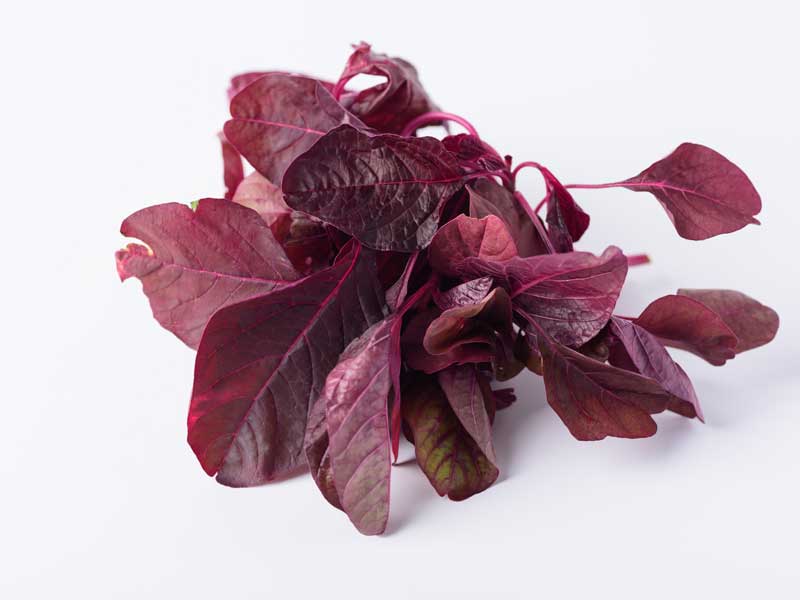
Grow striking burgundy-red amaranth for tender baby leaves, microgreens and colourful edible garden plants. Red Garnet Amaranth (Amaranthus tricolor) is a fast-growing, warm-season leafy vegetable valued for its intensely coloured red to burgundy foliage, tender young leaves and versatility in the garden and kitchen.
Red Garnet is particularly well suited to Australia’s warmer growing conditions. Young leaves can be harvested for salads and baby-leaf mixes, while larger leaves can be cooked in a similar way to spinach and other leafy greens. The variety is also widely grown as a colourful microgreen, producing fine red stems and vibrant cotyledons that make an attractive addition to salads and garnishes.
For gardeners who allow plants to mature, Red Garnet develops into a tall and highly ornamental annual that provides dramatic colour in vegetable gardens, edible landscapes and mixed garden beds.
Red Garnet Amaranth Seed Details
| Botanical name | Amaranthus tricolor |
|---|---|
| Variety | Red Garnet |
| Seed type | Open-pollinated |
| Plant type | Warm-season annual leafy vegetable |
| Foliage | Deep red to burgundy foliage |
| Best soil temperature | Approximately 16–30°C |
| Sowing depth | Approximately 5 mm |
| Plant spacing | Approximately 30–50 cm for mature plants |
| Position | Full sun; light partial shade tolerated |
| Baby leaf / microgreen harvest | Young growth can be harvested from approximately 2–4 weeks, depending on growing method and conditions |
| Mature leaf harvest | Approximately 50 days under suitable conditions |
| Approximate seeds per gram | Approximately 900 seeds per gram; seed count can vary between lots |
Why Grow Red Garnet Amaranth?
- Striking deep red to burgundy leaves add exceptional colour to edible gardens.
- Fast-growing warm-season leafy vegetable.
- Excellent for baby-leaf production and repeated harvesting of young leaves.
- Popular variety for producing colourful red amaranth microgreens.
- Young leaves can be eaten fresh, while mature leaves are excellent cooked.
- Thrives during warm weather when many cool-season leafy vegetables struggle.
- Can be grown in vegetable gardens, raised beds and larger containers.
- Attractive enough to grow as an ornamental foliage plant.
- Open-pollinated variety suitable for home gardeners and commercial growers.
How to Grow Red Garnet Amaranth from Seed
Red Garnet Amaranth is a warm-season plant that performs best once temperatures have warmed. Its very small seeds should be sown shallowly into moist, well-prepared soil and kept consistently moist during germination.
- Choose a warm, sunny position.
Select a position receiving plenty of sunlight. Red Garnet performs particularly well during warm weather and can also tolerate some light partial shade. - Prepare the soil.
Amaranth grows in a range of soil types but performs best in fertile, free-draining soil enriched with compost or well-rotted organic matter. - Sow the seeds shallowly.
Sow approximately 5 mm deep and cover lightly with fine soil or seed-raising mix. Because amaranth seed is very small, avoid burying it deeply. - Keep the seedbed moist.
Water gently after sowing and maintain even moisture while the seeds establish. Avoid heavy watering that may wash the small seeds away or cause waterlogging. - Thin young seedlings.
For mature plants, thin seedlings progressively to approximately 30–50 cm apart. Plants intended for baby-leaf harvesting can be grown considerably closer together. - Maintain regular moisture.
Established amaranth tolerates warm conditions well, but regular watering encourages faster growth and more tender leaves, particularly when the crop is being harvested as a leafy vegetable. - Harvest as required.
Harvest tender young leaves whenever they reach a useful size. Individual leaves can be picked progressively, or young shoots can be cut for baby-leaf production. Mature plants can continue producing foliage through warm weather.
When to Plant Amaranth Seeds in Australia
Red Garnet Amaranth prefers warm conditions and should generally be grown through the warmer part of the year. Exact sowing times vary according to local climate and seasonal conditions.
| Climate | General Sowing Guide |
|---|---|
| Tropical | Can be grown through much of the year; avoid periods of unsuitable extreme weather |
| Subtropical | Spring through autumn |
| Temperate | Spring through summer and into early autumn while conditions remain warm |
| Cool / frost-prone | Sow after the final frost once soil temperatures have warmed |
For best establishment, use soil temperature rather than the calendar alone as your guide. Red Garnet Amaranth germinates and grows most reliably in warm soil, with approximately 16–30°C providing a useful sowing range.
Harvesting Red Garnet Amaranth
One of the advantages of Red Garnet Amaranth is that it can be harvested at several different stages.
Baby leaves: Pick young tender leaves for salads, mixed baby-leaf crops and garnishes. Regular harvesting encourages continued production while plants remain actively growing.
Mature leaves: Larger leaves develop a stronger flavour and firmer texture and are generally best cooked. Harvest individual leaves as required rather than removing all the foliage from the plant at once.
Young shoots: Tender shoot tips can also be harvested and cooked as a leafy vegetable.
Mature plants: Plants allowed to continue growing develop into tall, colourful specimens with considerable ornamental value in the vegetable garden.
What Does Red Garnet Amaranth Taste Like?
Red Garnet Amaranth has a mild, earthy leafy-green flavour. Young leaves are tender and relatively mild, making them suitable for salads and baby-leaf mixes. As the leaves mature, the flavour becomes more pronounced and the texture becomes better suited to cooking.
The leaves can be used in many of the same ways as spinach and other cooked greens, including stir-fries, soups, curries, stews and sautéed vegetable dishes.
Its vivid colour also makes young Red Garnet leaves and microgreens particularly useful where both flavour and visual presentation are important.
Growing Red Garnet Amaranth Microgreens
Red Garnet is one of the most visually distinctive varieties of amaranth for microgreen production. The young seedlings develop fine reddish stems and richly coloured red to burgundy seed leaves, making them especially popular for salad mixes, restaurant garnishes and decorative culinary use.
Because amaranth seeds are extremely small, they should be sown evenly across the surface of a suitable moist microgreen growing medium rather than buried deeply.
- Prepare the tray.
Fill a shallow microgreen tray with a fine, evenly levelled growing medium and moisten it thoroughly. - Sow evenly.
Distribute the small seeds as evenly as possible over the growing surface. Avoid allowing large clumps of seed to accumulate in one area. - Press gently into the surface.
Lightly press the seeds onto the moist growing medium to improve seed-to-medium contact. Only a very light covering, if any, is required. - Maintain warmth and moisture.
Keep the tray warm and evenly moist during germination. Fine misting can help avoid disturbing the small seeds during early establishment. - Provide good light.
Once established, provide suitable natural or artificial growing light to encourage strong growth and good foliage colour. - Harvest young.
Red Garnet can be harvested as a microgreen once the seedlings have developed good colour and reached the size preferred by the grower, commonly within approximately 2–3 weeks under suitable conditions.
How to Use Red Garnet Amaranth
Red Garnet is an exceptionally versatile edible plant that can be grown and harvested in several ways.
- Microgreens: Harvest young seedlings for colourful garnishes and microgreen mixes.
- Baby leaf: Pick young tender leaves for salads and mixed leaf crops.
- Cooked greens: Use mature leaves in stir-fries, soups, curries and other cooked dishes.
- Edible gardens: Combine attractive foliage with productive vegetable growing.
- Ornamental planting: Grow mature plants for their dramatic burgundy-red foliage.
- Asian-style cooking: Amaranth greens are particularly well suited to dishes where tender cooked leafy vegetables are traditionally used.
Red Garnet Amaranth vs Green Amaranth
Both red and green leafy amaranths are warm-season vegetables, but Red Garnet is particularly valued for its intense foliage colour.
| Feature | Red Garnet Amaranth | Green Leaf Amaranth |
|---|---|---|
| Foliage | Deep red to burgundy | Predominantly green |
| Microgreen appearance | Strong red and burgundy colouring | Fresh green colouring |
| Primary uses | Microgreens, baby leaf, cooked greens and ornamental planting | Baby leaf and cooked greens |
| Growing season | Warm season | Warm season |
Frequently Asked Questions
What is Red Garnet Amaranth?
Red Garnet is an open-pollinated variety of Amaranthus tricolor grown for its striking red to burgundy foliage. It can be harvested as a microgreen, baby-leaf vegetable or mature leafy green and can also be grown as an ornamental edible plant.
Is Red Garnet Amaranth edible?
Yes. The young leaves, shoots and mature leaves are edible. Young leaves can be used fresh, while larger mature leaves are commonly cooked in a similar way to spinach and other leafy greens.
Can Red Garnet Amaranth be grown as microgreens?
Yes. Red Garnet is a popular amaranth variety for microgreens because its seedlings develop distinctive red stems and richly coloured seed leaves. It is particularly useful for colourful microgreen mixes and garnishes.
How long do Red Garnet Amaranth microgreens take to grow?
Red Garnet microgreens are commonly harvested approximately 2–3 weeks after sowing, although growth rate varies according to temperature, light, growing medium, sowing density and other growing conditions.
How long does Red Garnet Amaranth take to mature?
Leaves can be harvested well before the plant reaches full size. Under suitable warm growing conditions, mature leaf production can begin at approximately 50 days, while younger leaves can be harvested considerably earlier.
When should I plant Red Garnet Amaranth seeds?
Plant during warm weather once the risk of frost has passed. In subtropical and tropical areas the growing season can be long, while gardeners in cooler climates should generally sow from spring through summer.
What temperature is best for germinating amaranth seeds?
A soil temperature of approximately 16–30°C provides a useful range for germinating Red Garnet Amaranth. Warm soil generally produces more reliable establishment than cold conditions.
How deep should I sow Red Garnet Amaranth seeds?
Sow the very small seeds shallowly at approximately 5 mm deep. Avoid burying them too deeply.
Does Red Garnet Amaranth need full sun?
Full sun generally produces vigorous growth and strong foliage colour. Plants can tolerate some light partial shade, particularly in hot climates.
How tall does Red Garnet Amaranth grow?
When allowed to mature rather than being repeatedly harvested for baby leaves, Red Garnet can develop into a tall annual plant. Ultimate height varies considerably according to climate, soil fertility, water availability, spacing and harvesting.
Can Red Garnet Amaranth be grown in pots?
Yes. It can be grown in containers, particularly for baby-leaf production. Choose a larger container with good drainage if you intend to allow plants to reach mature size.
Is Red Garnet Amaranth suitable for hot Australian summers?
Yes. Amaranth is a warm-season crop and Red Garnet performs particularly well during warm weather. Regular moisture will help maintain tender leaf growth during hot and dry conditions.
Can I keep harvesting amaranth leaves?
Yes. Individual leaves and young shoots can be harvested progressively while the plant remains actively growing. Avoid removing all foliage at once if you want the plant to continue producing.
Can Red Garnet Amaranth be grown as an ornamental?
Yes. Its rich burgundy-red foliage makes it attractive enough for ornamental beds and edible landscaping as well as the vegetable garden.
Where can I buy Red Garnet Amaranth seeds in Australia?
Seedmart supplies Red Garnet Amaranth seeds for Australian home gardeners, market gardeners and growers. The variety is suitable for growing as microgreens, baby leaf, mature leafy greens and colourful edible garden plants.
Reviews
There are no reviews yet.