

Mustard Red Giant Vegetable Seeds
Botanical Name: Brassica juncea
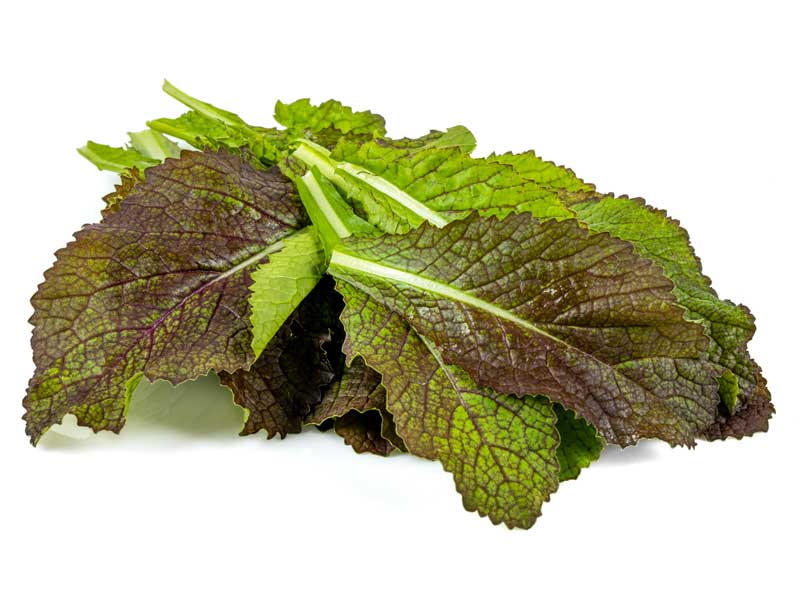
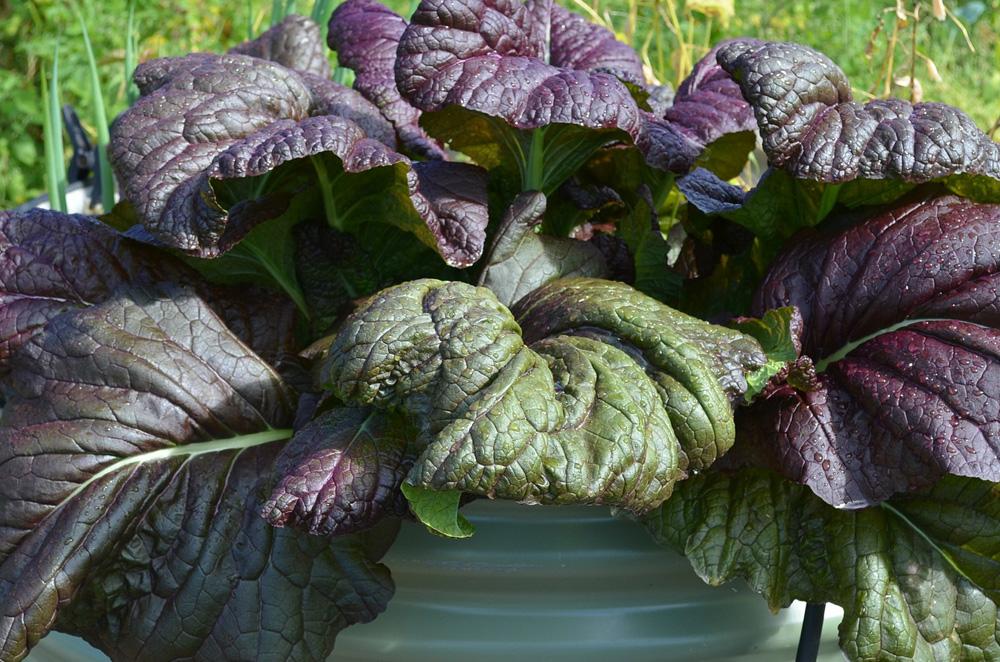
Red Giant Mustard is a striking Japanese mustard green producing large, broad leaves with rich red-purple to burgundy colouring, contrasting green undertones and prominent greenish midribs. Fast growing and highly productive, this colourful leafy vegetable combines ornamental appeal with the distinctive peppery flavour of traditional mustard greens.
The young leaves can be harvested as tender baby greens for salads and mixed leaf blends, while mature leaves develop a stronger mustard flavour and are excellent steamed, sautéed, stir-fried, braised or added to soups and Asian-style dishes. Cooler growing conditions generally encourage deeper red and purple pigmentation.
Red Giant is an excellent cool-season vegetable for Australian home gardens, raised beds, containers and market gardens. It grows rapidly, tolerates cool conditions and can be harvested progressively by removing the outer leaves while allowing the centre of the plant to continue producing.
Key Attributes
Deep Red-Purple LeavesProduces large, attractive leaves with burgundy, red-purple and green colouring that becomes particularly striking under cool growing conditions. |
Peppery Mustard FlavourYoung leaves have a fresh mustard bite, while mature foliage develops a stronger, more robust peppery flavour ideal for cooking. |
Fast GrowingRapid establishment makes Red Giant useful for quick cool-season crops, successive sowings and regular leafy-green harvests. |
Baby Leaf or Mature GreensHarvest young leaves for colourful salad greens or allow plants to mature for substantial leaves suited to cooking. |
Cut-and-Come-Again HarvestOuter leaves can be picked progressively while the central growing point continues producing fresh foliage. |
Excellent Cool-Season VegetablePerforms particularly well through autumn, winter and spring, with cool temperatures helping produce excellent leaf quality and colour. |
Product Description
Red Giant Mustard is a vigorous leafy mustard variety grown for its exceptionally attractive red-purple foliage, rapid growth and distinctive mustard flavour.
Botanically classified as Brassica juncea, it belongs to the Brassicaceae family alongside cabbage, broccoli, kale, cauliflower, radish and other mustard greens.
Often described as a Japanese mustard green, Red Giant develops broad, slightly textured leaves that can display shades ranging from green and reddish-purple through to deep burgundy. The central ribs and veins commonly retain contrasting green tones, producing a highly ornamental appearance.
Colour intensity varies naturally with plant age, temperature, sunlight and growing conditions. Cooler temperatures generally encourage stronger red and purple pigmentation, while plants grown under warmer conditions may show more green.
Red Giant is valued not only for its appearance but also for its culinary versatility.
Young leaves are tender enough for salads and mixed baby-leaf blends and provide a pleasant peppery mustard flavour. As the leaves mature, their flavour becomes stronger and more pungent.
Cooking softens both the texture and pungency, making mature leaves excellent for stir-fries, soups, braised vegetable dishes and sautéed greens.
Plants are fast growing and may reach approximately 40–60 cm in height when allowed to mature, although size varies considerably with spacing and harvest method.
Baby leaves may be harvested in approximately 20–30 days under favourable conditions, while mature leaves and plants generally require approximately 40–60 days.
Why Grow Red Giant Mustard?
- Striking red-purple to burgundy foliage.
- Contrasting green veins and midribs.
- Large, broad mustard leaves.
- Fast-growing cool-season vegetable.
- Distinctive peppery mustard flavour.
- Tender young leaves suitable for salads.
- Mature leaves excellent for cooking.
- Suitable for baby-leaf production.
- Can be harvested using a cut-and-come-again method.
- Excellent autumn, winter and spring vegetable.
- Cool weather encourages deeper leaf colour.
- Suitable for successive sowings.
- Excellent for raised garden beds.
- Can be grown in containers.
- Suitable for home and market gardens.
- Attractive enough for edible ornamental gardens.
- Excellent for stir-fries, soups and sautéed greens.
- Approximately 450–650 seeds per gram.
Plant Details
| Plant Type | Cool-season leafy vegetable |
| Variety | Red Giant Mustard |
| Botanical Name | Brassica juncea |
| Family | Brassicaceae |
| Growth Habit | Upright, vigorous leafy mustard |
| Leaf Colour | Red-purple to burgundy with green undertones, veins and midribs |
| Leaf Type | Large, broad, slightly textured leaves |
| Approximate Height | Approximately 40–60 cm at maturity |
| Flavour | Peppery, pungent mustard flavour; milder when young |
| Baby Leaf Harvest | Approximately 20–30 days under suitable conditions |
| Mature Harvest | Approximately 40–60 days under suitable conditions |
| Position | Full sun to light partial shade |
| Life Cycle | Annual |
| Seeds per Gram | Approximately 450–650 |
Sowing Information
| Sowing Method | Direct sow or raise seedlings for transplanting |
| Sowing Depth | Approximately 5–10 mm |
| Germination | Usually approximately 4–10 days under suitable conditions |
| Germination Temperature | Approximately 7–25°C; best establishment generally occurs under mild conditions |
| Plant Spacing | Approximately 20–30 cm for mature plants; closer for baby-leaf production |
| Row Spacing | Approximately 30–45 cm for mature plants |
| Position | Full sun to light partial shade |
| Soil | Fertile, moisture-retentive and well drained |
| Harvest Method | Baby leaf, individual outer leaves or whole mature plant |
When to Sow Red Giant Mustard in Australia
| Climate Zone | Suggested Sowing Time | Growing Notes |
|---|---|---|
| Cool | Spring – autumn | A long growing season is possible. Cool conditions generally produce excellent colour and leaf quality. |
| Temperate | Late summer – spring | Excellent autumn, winter and spring vegetable. Avoid the hottest part of summer for the best leaf quality. |
| Subtropical | March – September | Best grown through the cooler months. Autumn sowings can provide rapid leafy growth and strong winter colour. |
| Tropical | April – August | Concentrate production into the coolest months. Warm conditions can encourage rapid bolting and stronger flavour. |
| Arid | Autumn – early spring | Grow during mild weather and provide reliable irrigation to maintain tender leaf growth. |
These sowing periods are general guides. Local frost, elevation, seasonal heat, rainfall and irrigation availability should also be considered.
How to Grow Red Giant Mustard from Seed
Choose a fertile garden bed receiving full sun or light partial shade.
Prepare the soil by removing weeds and incorporating well-decomposed compost or another suitable organic amendment where required.
Direct sow seeds approximately 5–10 mm deep and cover lightly with fine soil.
Water gently after sowing and maintain consistent moisture while the seedlings establish.
Seeds generally germinate quickly, often within approximately 4–10 days under suitable conditions.
For full-sized plants, thin seedlings to approximately 20–30 cm apart.
For baby-leaf production, plants can be grown considerably closer together because they will be harvested while young.
Red Giant is fast growing, and successive sowings every two to four weeks can provide a continuing supply of tender leaves during suitable weather.
Growing Red Giant Mustard in Australian Conditions
Red Giant is primarily a cool-season leafy vegetable.
Cool conditions encourage tender growth and often intensify the characteristic red-purple foliage.
In cool climates, it can be grown over a long season from spring through autumn.
Temperate gardeners can produce excellent crops through autumn, winter and spring.
In subtropical areas such as South East Queensland, Red Giant is particularly useful from autumn through winter and into spring.
In tropical areas, concentrate production into the coolest part of the year.
Although mustard grows rapidly in warm weather, excessive heat and increasing day length can accelerate flowering and produce stronger, tougher leaves.
Growing Red Giant Mustard for Baby Leaves
Red Giant is particularly attractive as a baby-leaf vegetable because the young leaves provide colour as well as flavour.
Sow relatively densely in rows or broad bands.
Maintain consistent moisture to encourage rapid, tender growth.
Begin harvesting once the leaves reach a useful salad size, commonly around 20–30 days under favourable conditions.
Cut individual leaves or harvest across the planting with clean scissors.
Young leaves have a milder mustard flavour than mature foliage.
For continuous baby-leaf production, make successive sowings while seasonal conditions remain suitable.
Growing Red Giant Mustard to Full Size
For large mature leaves, allow approximately 20–30 cm between plants.
Wider spacing allows each plant to develop a substantial rosette of broad foliage.
Maintain adequate fertility and soil moisture.
Mature plants may reach approximately 40–60 cm tall depending on climate, soil, spacing and harvest management.
Outer leaves can be harvested regularly while leaving the centre intact.
Alternatively, the entire plant can be harvested once it reaches the preferred size.
Why Does Red Giant Mustard Change Colour?
Red Giant naturally varies in colour according to environmental conditions.
The foliage contains anthocyanin pigments responsible for red and purple colouration.
Cool temperatures often increase the visible intensity of these pigments.
As a result, plants grown during autumn and winter may develop deeper burgundy or purple tones than plants grown during warm weather.
Sunlight, plant maturity and genetic variation can also influence leaf colour.
Some green areas on Red Giant foliage are therefore completely normal.
Watering Red Giant Mustard
Maintain consistent soil moisture for the best leaf quality.
Although established mustard plants are relatively vigorous, prolonged water stress can produce smaller, tougher and more strongly flavoured leaves.
The most important watering periods include:
- Seed germination
- Seedling establishment
- Rapid leaf development
- After individual leaf harvests
- During dry or windy weather
Water deeply enough to moisten the active root zone.
Avoid permanently waterlogged soil.
Mulching around mature plants can help conserve moisture and reduce weed competition.
Feeding Mustard Greens
Red Giant grows rapidly and benefits from fertile soil.
Before planting, incorporate compost or well-decomposed organic matter where required.
Leafy crops require adequate nitrogen to support vigorous foliage production.
A suitable balanced vegetable fertiliser can be used according to soil conditions and product directions.
Avoid excessive fertilisation, particularly where the soil is already fertile.
Consistent moisture should accompany active feeding so that plants maintain steady growth.
Harvesting Red Giant Mustard
Red Giant can be harvested at several stages.
Baby leaf: Begin harvesting young tender foliage at approximately 20–30 days under favourable conditions.
Individual mature leaves: Pick the largest outer leaves while leaving the central growing point intact.
Whole plant: Harvest the entire plant once it reaches the desired size.
For the best eating quality, harvest leaves while they remain fresh, crisp and actively growing.
Harvesting in the cooler part of the day can help maintain leaf quality.
Use clean scissors or a sharp knife where necessary.
Cut-and-Come-Again Harvesting
Red Giant is well suited to progressive harvesting.
Remove the mature outer leaves and leave the younger central foliage intact.
The plant will continue producing new leaves from its central growing point while conditions remain favourable.
Avoid removing every leaf from the plant at once if continued production is desired.
After a substantial harvest, maintain water and fertility to support regrowth.
Using Red Giant Mustard in the Kitchen
Red Giant has a distinctive peppery mustard flavour.
Young leaves are generally milder and can be eaten fresh.
Mature foliage develops a stronger flavour and is particularly good when cooked.
Use Red Giant Mustard for:
- Baby-leaf salads
- Mixed salad greens
- Sandwiches and wraps
- Stir-fries
- Sautéed greens
- Soups
- Noodle dishes
- Rice dishes
- Braised vegetable dishes
- Asian-style cooking
- Mixed cooked greens
- Colourful edible garnishes
Cooking generally reduces the sharpness of the mustard flavour and softens mature leaves.
How Hot Is Red Giant Mustard?
Red Giant has a noticeable peppery mustard flavour, but pungency varies considerably.
Young leaves are generally milder.
Older leaves tend to become stronger.
Warm weather, plant maturity and environmental stress can also intensify the flavour.
For salads, harvest young leaves.
For cooking, allow the leaves to become larger and more strongly flavoured.
Growing Red Giant Mustard in Pots
Red Giant grows very well in containers.
Choose a pot with adequate drainage and fill it with good-quality potting mix.
For full-sized plants, allow sufficient space between individual plants.
For baby-leaf production, seeds can be sown more densely across a larger container.
Container-grown mustard may require frequent watering because potting mix dries more quickly than garden soil.
Place containers in full sun during cool weather.
Light afternoon shade can be beneficial where conditions become warm.
Growing Red Giant Mustard in Raised Beds
Raised beds are excellent for mustard greens.
Prepare fertile, free-draining soil containing adequate organic matter.
For mature plants, space Red Giant approximately 20–30 cm apart.
Closer spacing can be used for baby leaves.
Because raised beds may dry relatively quickly, monitor soil moisture regularly.
Mulching established plants can reduce evaporation.
Bolting
Bolting occurs when mustard plants shift from leafy growth into flowering and seed production.
Red Giant is more likely to bolt as temperatures rise, day length increases or plants experience stress.
Once flowering begins, leaf production declines and the foliage often becomes stronger and tougher.
To reduce premature bolting:
- Grow during the appropriate cool season.
- Maintain consistent moisture.
- Avoid severe plant stress.
- Harvest regularly.
- Make successive sowings rather than relying on one planting.
If plants bolt, they can be removed and replaced with younger seedlings.
Flowers and Pollinators
If allowed to mature beyond the leafy stage, Brassica juncea produces flowering stems carrying small yellow flowers typical of the mustard family.
These flowers can attract bees and other pollinating insects.
Plants being grown purely for vegetable production are normally harvested before substantial flowering begins.
Plants intended for seed production should be allowed to flower and develop mature seed pods.
Common Pests
Like other brassica vegetables, Red Giant Mustard may be affected by several common garden pests.
These can include:
- Cabbage white butterfly caterpillars
- Diamondback moth larvae
- Aphids
- Flea beetles
- Slugs and snails
Inspect young plants regularly, particularly the undersides of leaves.
Fine insect netting can provide useful physical protection from flying brassica pests where appropriate.
Maintain good garden hygiene and use locally appropriate pest-management methods where required.
Crop Rotation
Red Giant Mustard belongs to the Brassicaceae family.
Related crops include:
- Broccoli
- Cabbage
- Cauliflower
- Kale
- Radish
- Turnip
- Rocket
- Other mustard greens
Where practical, avoid repeatedly planting brassica crops in the same soil.
Rotating with unrelated crop families can form part of a broader strategy for managing soil-borne pests and diseases.
Saving Red Giant Mustard Seed
Red Giant Mustard can produce seed when plants are allowed to complete their flowering cycle.
Select healthy plants with desirable leaf colour, vigour and growth characteristics.
Allow the plants to bolt naturally.
Yellow flowers will develop, followed by elongated seed pods.
Leave the pods on the plants until they mature and begin drying.
Harvest before large quantities of seed are naturally shed.
Cut the mature flowering stems and finish drying them in a sheltered, well-ventilated area if necessary.
Once completely dry, thresh the pods to release the small round seeds.
Remove as much chaff as practical and store thoroughly dried seed in a labelled container in cool, dry conditions.
Where maintaining varietal purity is important, appropriate isolation from compatible flowering mustard varieties should be used because cross-pollination can occur.
Perfect For
- Home vegetable gardens
- Cool-season vegetable production
- Autumn and winter gardens
- Raised garden beds
- Container gardening
- Market gardens
- Baby-leaf production
- Cut-and-come-again harvesting
- Colourful salad mixes
- Edible ornamental gardens
- Japanese and Asian-style cooking
- Stir-fries
- Soups and noodle dishes
- Sautéed and braised greens
- Successive sowings
- Growers wanting a fast-growing leafy vegetable
- Gardens needing colourful edible foliage
Frequently Asked Questions
What is Red Giant Mustard?
Red Giant is a fast-growing Japanese mustard green producing large red-purple to burgundy leaves with contrasting green undertones and a distinctive peppery mustard flavour.
What is the botanical name of Red Giant Mustard?
The botanical name is Brassica juncea.
Is Red Giant Mustard a vegetable?
Yes. It is a leafy vegetable grown primarily for its edible young and mature leaves.
Is Red Giant Mustard a Japanese mustard?
Yes. Red Giant is widely grown and described as a Japanese mustard green.
What colour is Red Giant Mustard?
The leaves range from greenish-red through red-purple and deep burgundy, usually with contrasting green veins or midribs. Colour varies according to temperature, sunlight and plant maturity.
Why isn’t my Red Giant Mustard completely red?
Green colouring is normal. Red Giant naturally combines red-purple pigmentation with green areas, and warmer conditions may produce greener leaves. Cooler weather generally intensifies the red and purple colour.
How tall does Red Giant Mustard grow?
Mature plants commonly reach approximately 40–60 cm under suitable conditions, although size depends on spacing, fertility, climate and harvest method.
How quickly does Red Giant Mustard grow?
It is fast growing. Baby leaves may be ready in approximately 20–30 days, while substantial mature foliage generally develops in approximately 40–60 days under favourable conditions.
Can Red Giant Mustard be grown as baby leaf?
Yes. Red Giant is particularly attractive as a baby leaf because its young foliage adds red-purple colour and mild mustard flavour to salad mixes.
Can mature Red Giant Mustard leaves be eaten?
Yes. Mature leaves are edible and develop a stronger mustard flavour. They are excellent stir-fried, sautéed, braised or added to soups.
What does Red Giant Mustard taste like?
It has a peppery, pungent mustard flavour. Young leaves are relatively mild, while mature leaves generally develop a stronger flavour.
Can Red Giant Mustard be eaten raw?
Yes. Young leaves are particularly suitable for raw salads, sandwiches and mixed baby-leaf blends.
Can Red Giant Mustard be cooked?
Yes. Mature leaves are excellent for stir-fries, soups, braising, sautéing and other cooked vegetable dishes.
Does cooking make mustard greens milder?
Generally, yes. Cooking softens the leaves and reduces some of their raw mustard pungency.
When should Red Giant Mustard be planted in Australia?
Red Giant is primarily a cool-season crop. Autumn, winter and spring are the main growing periods in many Australian regions, although exact sowing times depend on local climate.
Can Red Giant Mustard be grown in Brisbane?
Yes. In Brisbane and South East Queensland, Red Giant is particularly well suited to autumn, winter and early spring production.
Can Red Giant Mustard grow in tropical Australia?
Yes, but it is generally best grown during the coolest months. Persistent heat can accelerate bolting and produce stronger-flavoured foliage.
Does Red Giant Mustard tolerate cold weather?
Yes. It is well adapted to cool conditions and established plants tolerate light frosts. Cool weather can also improve red-purple leaf pigmentation.
Does Red Giant Mustard need full sun?
Full sun is excellent during cool weather. Light partial shade can be useful in warmer climates or during warmer parts of the season.
How deep should Red Giant Mustard seed be planted?
Sow approximately 5–10 mm deep and maintain consistent moisture until the seedlings are established.
How long does Red Giant Mustard take to germinate?
Germination commonly occurs in approximately 4–10 days under suitable conditions.
Can Red Giant Mustard be direct sown?
Yes. Direct sowing is easy and particularly suitable for baby-leaf production and garden rows. Seedlings can also be raised separately and transplanted.
How far apart should Red Giant Mustard be planted?
For mature plants, approximately 20–30 cm spacing is suitable. Baby-leaf crops can be planted much more densely.
Can Red Giant Mustard be grown in pots?
Yes. It performs very well in containers provided the potting mix is fertile, well drained and kept consistently moist.
Can Red Giant Mustard be harvested more than once?
Yes. Remove mature outer leaves while leaving the central growing point intact. The plant can continue producing new foliage while conditions remain suitable.
How do I harvest Red Giant Mustard?
Pick individual leaves by hand or cut them cleanly with scissors or a knife. For continued production, leave the younger central leaves undamaged.
Why is my mustard very spicy?
Mustard flavour becomes stronger as leaves mature and can also intensify under warm weather or plant stress. Harvest young leaves if a milder flavour is preferred.
Why is my Red Giant Mustard bolting?
Rising temperatures, increasing day length, plant maturity and environmental stress can encourage flowering. Grow Red Giant during cool weather and maintain reliable moisture to prolong leafy production.
Can I eat Red Giant Mustard after it bolts?
The leaves remain edible, but they generally become tougher and more strongly flavoured once flowering begins. Younger plants provide better-quality leafy harvests.
Does Red Giant Mustard attract bees?
If allowed to flower, mustard produces small yellow flowers that can attract bees and other pollinating insects.
What pests attack Red Giant Mustard?
Potential pests include cabbage caterpillars, diamondback moth larvae, aphids, flea beetles, slugs and snails.
Should Red Giant Mustard be succession sown?
Yes. Small sowings every two to four weeks during suitable weather can provide a more continuous supply of young tender leaves.
Can I save seed from Red Giant Mustard?
Yes. Allow selected plants to flower and form mature seed pods. Harvest the pods as they dry and thresh them to recover the seed. Appropriate isolation is required where maintaining varietal purity is important.
How many Red Giant Mustard seeds are in a gram?
Approximately 450–650 seeds per gram is a useful guide. Seed size varies naturally between lots, so seed counts are approximate.
Is Red Giant Mustard suitable for market gardens?
Yes. Its rapid growth, distinctive colour, baby-leaf potential and ability to produce repeated leaf harvests make it useful for market garden production.
What is Red Giant Mustard best used for?
Red Giant is excellent for colourful baby-leaf salads, mixed salad greens, stir-fries, soups, sautéed vegetables, braised greens and Asian-style dishes.
Reviews
There are no reviews yet.