
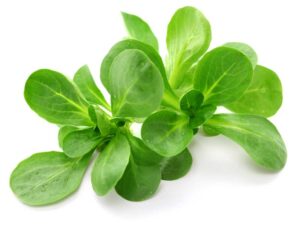
Beetroot ‘Bull’s Blood’ Vegetable Seeds
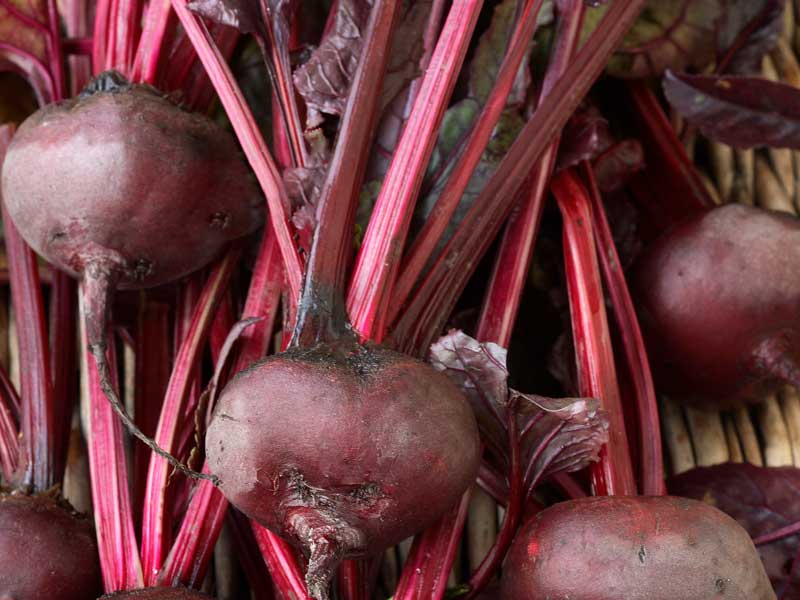
Grow Bull’s Blood Beetroot for striking deep burgundy-red foliage, tender baby leaves and sweet, earthy beetroot roots. Bull’s Blood (Beta vulgaris) is a distinctive heirloom beetroot variety prized for its intensely coloured leaves as well as its edible roots.
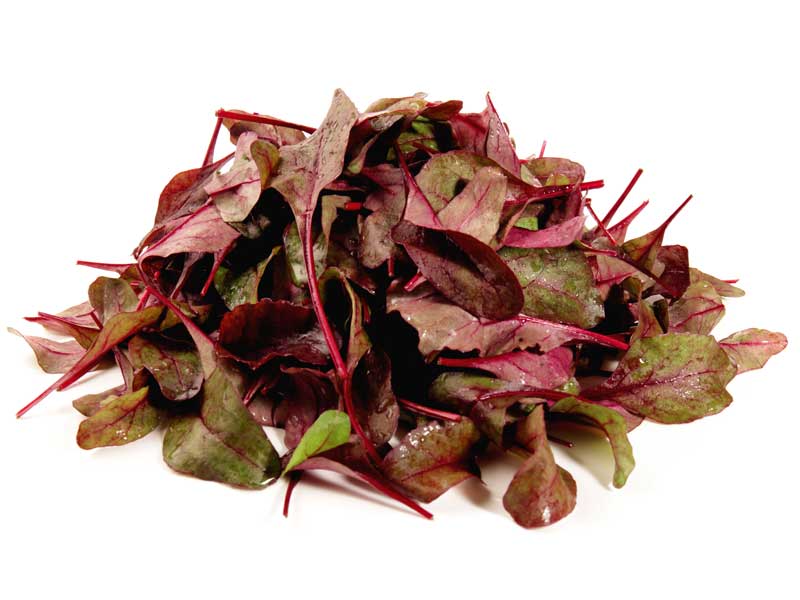
The young foliage develops a rich dark red to burgundy colour, making Bull’s Blood particularly popular for baby leaf production, colourful salads and edible gardens. Leaves can be harvested young and tender, while plants allowed to mature develop sweet, earthy beetroot roots suitable for roasting, boiling, pickling and other cooked dishes.
Easy to grow and highly versatile, Bull’s Blood Beetroot is an excellent choice for vegetable gardens, raised beds, market gardens and edible landscaping.
Bull’s Blood Beetroot Seed Details
| Botanical name | Beta vulgaris |
|---|---|
| Variety | Bull’s Blood |
| Plant type | Biennial generally grown as an annual root vegetable and leafy green |
| Plant height | Approximately 25–30 cm |
| Leaf colour | Deep red to dark burgundy |
| Position | Full sun to partial shade |
| Sowing depth | Approximately 1–2 cm |
| Plant spacing | Approximately 8–10 cm |
| Root harvest | Approximately 55–60 days from sowing under suitable conditions |
Why Grow Bull’s Blood Beetroot?
- Distinctive heirloom beetroot with striking deep burgundy-red foliage.
- Excellent variety for harvesting tender, colourful baby beet leaves.
- Produces edible beetroot roots with a traditional sweet, earthy flavour.
- Young leaves add rich colour and contrast to mixed salads.
- Suitable for both leaf production and mature root harvesting.
- Attractive enough for ornamental edible gardens and landscaping.
- Suitable for vegetable gardens, raised beds and market garden production.
- Easy to grow from seed across a wide range of Australian climates.
How to Grow Bull’s Blood Beetroot from Seed
Bull’s Blood Beetroot grows best in fertile, loose and well-drained soil with consistent moisture. Direct sowing is generally preferred, particularly when plants are being grown to produce mature beetroot roots.
- Prepare the soil. Choose a sunny to partially shaded position and loosen the soil well. Remove stones and large clods that could interfere with root development. Incorporate well-rotted compost or organic matter where required.
- Sow directly. Sow seed approximately 1–2 cm deep into prepared soil and water gently after planting.
- Maintain moisture. Keep the soil consistently moist during germination and early establishment without allowing it to become waterlogged.
- Thin the seedlings. Thin established seedlings to approximately 8–10 cm apart when growing for mature roots. Beetroot seed is naturally formed as a cluster, so several seedlings may emerge from what appears to be a single seed.
- Allow adequate row spacing. Space rows approximately 30 cm apart when growing plants to maturity.
- Harvest young leaves. Tender burgundy leaves can be harvested while young for use in salads. Avoid removing excessive foliage from plants intended to produce mature roots.
- Water consistently. Maintain reasonably even soil moisture during root development. Mulching around established plants can help conserve moisture and suppress weeds.
- Harvest the roots. Harvest young beetroot at approximately 3–6 cm diameter for tender roots, or allow plants to develop further according to preference.
When to Plant Bull’s Blood Beetroot Seeds in Australia
Bull’s Blood Beetroot can be grown through much of the year in many Australian regions, although it generally performs best during mild to cool growing conditions. Adjust planting times according to your local climate and seasonal temperatures.
| Climate | General Sowing Guide | Growing Notes |
|---|---|---|
| Tropical | March–July | Grow during the cooler months and maintain consistent soil moisture. |
| Subtropical | Autumn–Spring | Avoid the hottest part of summer where possible. |
| Temperate | Spring–Autumn | Suitable for successive sowings through the main growing season. |
| Cool | Spring–Early Autumn | Sow once conditions begin to warm and protect young plants from severe frost. |
| Arid | February–April, August–October | Grow during milder periods and maintain reliable irrigation and mulch. |
These sowing periods are a general guide only. Local temperatures, rainfall, frost and seasonal conditions should be considered when determining the best planting time.
Harvesting Bull’s Blood Beetroot
Bull’s Blood is useful because it can provide several different types of harvest from the same crop.
Baby leaves: Harvest tender young leaves for colourful salads and mixed baby leaf greens.
Mature leaves: Larger leaves can be harvested selectively and used as a cooked leafy green.
Baby beetroot: Harvest young roots at approximately 3–6 cm diameter for tender texture and sweet, earthy flavour.
Mature beetroot: Roots can be allowed to develop further for roasting, boiling, pickling and other cooked dishes.
If growing primarily for beetroot roots, avoid removing too much foliage because healthy leaves are required for continued root development.
How to Use Bull’s Blood Beetroot
- Baby leaf salads: Harvest young burgundy leaves for colour and texture in mixed salads.
- Cooked greens: Larger leaves can be prepared as a leafy vegetable.
- Baby beetroot: Harvest young roots for tender, sweet baby beets.
- Roasting: Roast beetroot whole or cut larger roots into wedges.
- Pickling: Use harvested roots for homemade pickled beetroot.
- Edible gardens: The dark burgundy foliage provides striking colour among vegetables, herbs and other edible plants.
Frequently Asked Questions
What is Bull’s Blood Beetroot?
Bull’s Blood is an heirloom beetroot variety particularly valued for its striking dark burgundy-red foliage. Both the leaves and beetroot roots are edible, making it useful as both a leafy green and traditional root vegetable.
What colour are Bull’s Blood Beetroot leaves?
Bull’s Blood produces distinctive deep red to dark burgundy foliage. Its rich leaf colour is one of the main characteristics that distinguishes the variety from standard green-leaved beetroot.
Can you eat Bull’s Blood Beetroot leaves?
Yes. Young Bull’s Blood leaves can be harvested as tender baby greens for salads, while larger leaves can be cooked and used as a leafy vegetable.
Does Bull’s Blood Beetroot produce edible roots?
Yes. Although Bull’s Blood is particularly well known for its foliage, it also produces edible beetroot roots with a traditional sweet, earthy flavour.
How long does Bull’s Blood Beetroot take to grow?
Young leaves can be harvested before the roots mature. Beetroot roots can generally be harvested from approximately 55–60 days after sowing under suitable growing conditions.
How deep should I sow Bull’s Blood Beetroot seeds?
Sow Bull’s Blood Beetroot seed approximately 1–2 cm deep into loose, prepared soil and maintain consistent moisture during germination.
How far apart should Bull’s Blood Beetroot plants be?
When growing for mature roots, thin seedlings to approximately 8–10 cm apart with around 30 cm between rows. Plants grown primarily for baby leaves can be sown more densely.
Why do several beetroot seedlings emerge from one seed?
What appears to be a single beetroot seed is commonly a seed cluster containing more than one seed. Several seedlings can therefore emerge together and may need thinning when growing for mature roots.
Can Bull’s Blood Beetroot be grown for baby leaves?
Yes. Bull’s Blood is particularly well suited to baby leaf production because of its attractive dark burgundy foliage. Harvest leaves while young and tender for salads and mixed leafy greens.
When should I plant Bull’s Blood Beetroot seeds in Australia?
Bull’s Blood generally performs best during mild to cool growing conditions. It can be grown from autumn through spring in warmer regions and from spring through autumn in cooler and temperate climates.
Where can I buy Bull’s Blood Beetroot seeds in Australia?
Seedmart supplies Bull’s Blood Beetroot seeds for Australian home gardeners and growers. This distinctive heirloom variety is prized for its dark burgundy foliage, edible baby leaves and beetroot roots.
Kerry Hickey –
Excellent sprouting rate and very tasty. Orders always arrive quickly with green packaging -excellent service. Thank you