


Thai Basil Herb Seeds
Grow aromatic Thai Basil at home for curries, stir-fries, noodle dishes, soups and fresh Southeast Asian cooking. Thai Basil (Ocimum basilicum) is a warm-season culinary herb valued for its distinctive aromatic leaves, combining a classic basil flavour with characteristic anise- and liquorice-like notes.
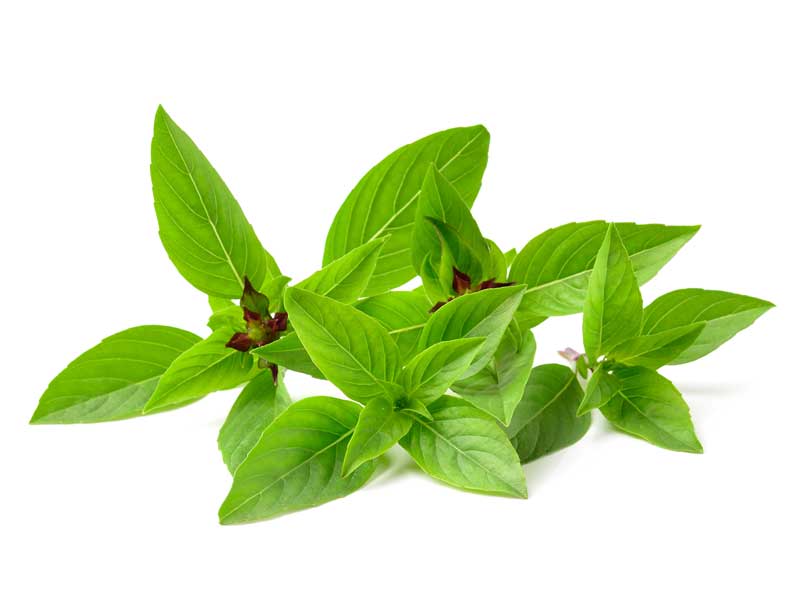
Thai Basil typically produces attractive green leaves on contrasting purple-tinged stems, with purple to violet flower spikes developing as plants mature. Its flavour is generally more robust than that of sweet basil and holds up particularly well in cooked dishes, making it an important herb in Thai, Vietnamese and other Southeast Asian cuisines.
Fast growing in warm conditions, Thai Basil is well suited to herb gardens, vegetable beds, raised beds and containers. Regular harvesting encourages branching and helps produce a continuous supply of fresh, aromatic leaves throughout the growing season.
Thai Basil Seed Details
| Botanical name | Ocimum basilicum |
|---|---|
| Common name | Thai Basil |
| Seeds per gram | Approximately 600–800 |
| Plant type | Warm-season, frost-tender culinary herb |
| Plant height | Approximately 30–60 cm, depending on growing conditions |
| Leaf flavour | Aromatic basil flavour with distinctive anise and liquorice notes |
| Position | Full sun |
| Sowing depth | Approximately 3–5 mm |
| Plant spacing | Approximately 20–30 cm |
| Harvest | Begin harvesting leaves once plants are well established; approximately 6–8 weeks under favourable conditions |
Why Grow Thai Basil?
- Distinctive aromatic basil flavour with characteristic anise and liquorice notes.
- Excellent for Thai, Vietnamese and other Southeast Asian cuisines.
- Well suited to curries, stir-fries, soups, noodle dishes and fresh garnishes.
- Attractive green foliage with contrasting purple-tinged stems and flower spikes.
- Fast-growing herb that thrives during warm weather.
- Regular harvesting encourages branching and continued leaf production.
- Suitable for garden beds, raised beds and containers.
- Can be harvested repeatedly throughout the warm growing season.
How to Grow Thai Basil from Seed
Thai Basil is a warm-season herb that germinates and grows most vigorously when temperatures are warm. It can be direct sown after cold weather has passed or started in seedling trays and transplanted once outdoor conditions are suitable.
- Choose a warm, sunny position.
Select a location receiving plenty of direct sunlight. Thai Basil develops its strongest growth when provided with warmth and good light. - Prepare fertile, free-draining soil.
Thai Basil performs best in fertile soil with good drainage. Incorporate compost or well-rotted organic matter before planting where required. - Sow the Thai Basil seeds.
Sow approximately 3–5 mm deep into moist seed-raising mix or prepared garden soil. Cover lightly and water gently to avoid disturbing the small seeds. - Keep the seeds warm and moist.
Maintain consistent moisture during germination without saturating the growing medium. Warm conditions generally produce the quickest and most reliable establishment. - Thin or transplant seedlings.
Once seedlings are large enough to handle, thin or transplant them to approximately 20–30 cm apart. If seedlings have been started indoors, gradually harden them before planting outside. - Water consistently.
Water regularly enough to maintain reasonably even soil moisture, particularly during hot weather and periods of rapid growth. Avoid permanently waterlogged soil. - Pinch growing tips.
Pinching or harvesting the growing tips encourages plants to branch and develop a bushier habit with more harvestable foliage. - Harvest regularly.
Once plants are established, harvest leaves and tender stem tips as required. Frequent harvesting encourages continued production of fresh growth.
When to Plant Thai Basil Seeds in Australia
Thai Basil is a warm-season, frost-sensitive herb. It establishes most readily when both soil and air temperatures are warm, so planting times vary considerably between Australia’s tropical, subtropical, temperate and cool climates.
| Climate | General Sowing Guide |
|---|---|
| Tropical | Can be grown through much of the year where conditions remain warm; avoid establishing seedlings during periods of extreme heat, excessive rain or waterlogging. |
| Subtropical | Spring through autumn is generally suitable while conditions remain warm; growth slows considerably during cool weather. |
| Temperate | Sow from spring into summer once frost danger has passed and conditions have warmed; seed can be started earlier indoors. |
| Cool / frost-prone | Start seeds under protection in spring and transplant outdoors after the final frost once consistently warm conditions have arrived. |
For best results, consider local temperatures and frost risk rather than relying on the calendar alone. Thai Basil is sensitive to cold and performs best once warm growing conditions are established.
For best results, consider local temperatures and frost risk rather than relying on the calendar alone. Thai Basil is sensitive to cold and performs best once warm growing conditions are established.
What Does Thai Basil Taste Like?
Thai Basil has a distinctive flavour that separates it from the more familiar sweet or Italian basil commonly used in Mediterranean cooking.
The leaves have a strong aromatic basil character accompanied by noticeable anise- and liquorice-like notes. This robust flavour is particularly well suited to the strongly flavoured dishes found in Thai and other Southeast Asian cuisines.
Thai Basil also retains its character relatively well when exposed to heat, allowing it to be incorporated into curries, soups and stir-fries as well as being added fresh immediately before serving.
Thai Basil vs Sweet Basil
Although Thai Basil and sweet basil both belong to Ocimum basilicum, they have noticeably different culinary characteristics.
Thai Basil: Has a more robust, spicy aroma with characteristic anise and liquorice notes. Plants commonly have green leaves with purple-tinged stems and purple flower spikes. It is particularly associated with Thai, Vietnamese and other Southeast Asian cuisines.
Sweet Basil: Typically has softer, broader green leaves and a sweeter, milder basil flavour. It is widely associated with Italian and Mediterranean cooking, including pesto, pasta sauces and tomato dishes.
Thai Basil is generally the better choice where a recipe specifically calls for the characteristic flavour of Thai basil rather than generic sweet basil.
Harvesting Thai Basil
Thai Basil can be harvested once plants are well established and producing several sets of healthy leaves. Under favourable warm growing conditions, the first useful harvest may be possible approximately 6–8 weeks after sowing.
For regular harvesting: Pinch or cut tender stem tips just above a pair of leaves. This encourages the plant to produce new side shoots and develop a bushier growth habit.
For fresh leaves: Harvest leaves as required, preferably before they become old or tough. Young and mature healthy leaves can both be used for cooking.
To encourage leaf production: Remove developing flower spikes if the primary objective is producing foliage. Once basil flowers heavily, vegetative growth may slow and the leaves can become less tender.
Avoid removing too much foliage from small or recently established plants at one time. Once plants are vigorous, regular harvesting can help maintain productive growth throughout the warm season.
How to Use Thai Basil
Thai Basil is an important culinary herb throughout Southeast Asia and is particularly useful in dishes where its distinctive aromatic, anise-like flavour can complement chilli, garlic, ginger, coconut, meat and vegetables.
- Thai curries: Add fresh leaves towards the end of cooking to provide characteristic basil aroma and flavour.
- Stir-fries: Excellent with vegetables, chicken, beef, pork, seafood and tofu.
- Noodle dishes: Add fresh leaves to noodle dishes for an aromatic Southeast Asian flavour.
- Soups: Use in fragrant broths and soups where the leaves complement chilli, garlic and other aromatic ingredients.
- Fresh garnishes: Add whole or torn leaves shortly before serving to preserve their fresh aroma.
- Vietnamese-style dishes: Serve fresh alongside selected noodle soups, salads and other dishes where aromatic herbs are traditionally used.
Growing Thai Basil in Pots
Thai Basil grows very well in containers and is an excellent choice for balconies, patios, courtyards and kitchen herb gardens.
Choose a container with good drainage and fill it with a quality potting mix. Position the pot in a warm location receiving plenty of sunlight and water regularly enough to maintain consistent moisture without leaving the growing medium permanently saturated.
Container-grown basil can dry out rapidly during hot weather, so check the growing medium regularly. Larger containers generally retain moisture more consistently and provide more room for root development.
Regularly harvest or pinch the growing tips to encourage branching and maintain a compact, productive plant.
Frequently Asked Questions
What is Thai Basil?
Thai Basil (Ocimum basilicum) is an aromatic culinary basil widely associated with Thai and other Southeast Asian cuisines. It has a distinctive basil flavour with noticeable anise and liquorice notes.
Is Thai Basil the same as sweet basil?
No. Although both belong to Ocimum basilicum, Thai Basil has a more robust flavour with characteristic anise and liquorice notes, while sweet basil generally has a softer, sweeter flavour associated with Italian and Mediterranean cooking.
Is Thai Basil the same as holy basil?
No. Thai Basil and holy basil are different plants. Thai Basil is a type of Ocimum basilicum, while holy basil or tulsi is generally classified as Ocimum tenuiflorum. They also have different flavours and culinary uses.
How tall does Thai Basil grow?
Thai Basil commonly grows approximately 30–60 cm tall, although final size varies according to climate, soil fertility, spacing, harvesting and other growing conditions.
Does Thai Basil need full sun?
Thai Basil performs best with plenty of sunlight. In extremely hot climates, some protection from intense afternoon conditions can be beneficial, particularly for container-grown plants.
How deep should I sow Thai Basil seeds?
Sow Thai Basil seeds shallowly at approximately 3–5 mm deep. Cover lightly with fine soil or seed-raising mix and keep consistently moist during germination.
How far apart should Thai Basil plants be spaced?
Approximately 20–30 cm between plants is suitable for most garden and container plantings.
When should I plant Thai Basil seeds in Australia?
Thai Basil should generally be grown during warm weather. In temperate and cool areas, sow during spring and summer after frost danger has passed. Subtropical and tropical gardeners have a considerably longer growing season while temperatures remain warm.
How long does Thai Basil take to harvest?
Under favourable warm growing conditions, useful leaf harvests may begin approximately 6–8 weeks after sowing. Growth rate varies with temperature, sunlight, moisture and soil fertility.
Can Thai Basil be grown in pots?
Yes. Thai Basil grows very well in containers provided the pot has good drainage, receives plenty of sunlight and is watered regularly.
Should I remove Thai Basil flowers?
If your main objective is leaf production, removing developing flower spikes can help encourage continued vegetative growth. Flowers can also be left on selected plants where flowering or seed production is desired.
Does harvesting Thai Basil encourage more growth?
Yes. Cutting or pinching stems just above a pair of leaves encourages branching, helping plants develop a bushier habit and produce additional harvestable shoots.
Can Thai Basil be eaten raw?
Yes. Thai Basil leaves can be used fresh as a garnish or incorporated into salads and other dishes. They can also be cooked in curries, soups and stir-fries.
Can Thai Basil be used in Thai curries?
Yes. Thai Basil is particularly well suited to Thai curries and other strongly flavoured dishes. Adding the leaves towards the end of cooking helps retain more of their characteristic aroma.
Why is my Thai Basil flowering?
Flowering is a normal part of the plant’s life cycle and is encouraged by maturity and warm growing conditions. If continued leaf production is preferred, pinch out flower spikes as they begin to develop.
Why are my Thai Basil plants becoming tall and thin?
Insufficient light, overcrowding or a lack of regular pinching can contribute to tall, less-branched growth. Provide adequate sunlight and regularly harvest the growing tips to encourage bushier plants.
Can Thai Basil survive winter?
Thai Basil is frost tender and is generally grown as a warm-season annual in temperate and cool Australian climates. Plants may persist longer in warm, frost-free tropical and subtropical locations.
Where can I buy Thai Basil seeds in Australia?
Seedmart supplies Thai Basil herb seeds for Australian home gardeners and growers. This aromatic culinary herb is suitable for garden beds, raised beds and containers and provides fresh leaves for Thai, Vietnamese and other Southeast Asian cooking.
Reviews
There are no reviews yet.