

Rama Tulsi (Green Holy Basil) Seeds
Botanical Name: Ocimum tenuiflorum
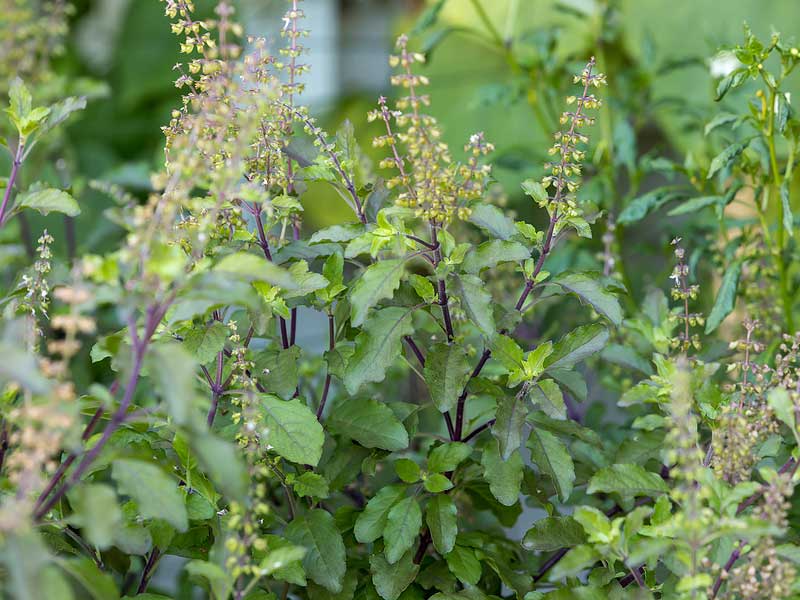
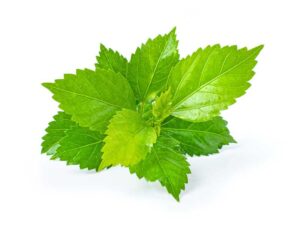
Rama Tulsi, also known as Green Holy Basil, Sacred Basil or simply Tulsi, is one of the best-known varieties of Holy Basil. Native to the Indian subcontinent, this highly aromatic herb is prized for its fragrant green foliage, spicy clove-like aroma and versatility in herb gardens, kitchen gardens and containers.
Unlike sweet basil, Rama Tulsi develops a warm, peppery fragrance with notes of clove and spice. It is traditionally grown for herbal infusions, culinary use and ornamental appeal, producing attractive green foliage, purple flower spikes and a steady supply of aromatic leaves throughout the warm growing season.
Key Attributes
Traditional TulsiClassic green Holy Basil grown for centuries throughout India. |
Highly AromaticFragrant green leaves with warm clove, pepper and basil notes. |
Excellent for TeaFresh or dried leaves are traditionally prepared as aromatic herbal infusions. |
Suitable for PotsIdeal for containers, raised beds and sunny herb gardens. |
Bee FriendlyFlowers attract bees and beneficial insects throughout summer. |
Fast GrowingProduces abundant foliage with regular harvesting. |
About Rama Tulsi
Rama Tulsi is the traditional green form of Holy Basil. Plants form bushy, upright growth reaching approximately 30–60 cm tall with soft green stems, aromatic leaves and delicate purple flower spikes.
Its distinctive clove-like fragrance and spicy flavour make it popular for herbal teas, fresh herbs and home gardens. Regular harvesting encourages branching, resulting in a fuller, more productive plant.
In warm Australian climates Rama Tulsi performs exceptionally well throughout spring and summer and may continue growing for longer in frost-free regions.
What is Tulsi?
Tulsi is the traditional Indian name for Holy Basil or Sacred Basil. It refers to several closely related forms of Ocimum tenuiflorum, including Rama Tulsi, Krishna Tulsi, Kapoor Tulsi and Vana Tulsi.
Each variety has its own growth habit, aroma and appearance, but all are recognised for their fragrant foliage and suitability for herb gardens.
Rama Tulsi vs Thai Holy Basil
Although both belong to the Holy Basil (Tulsi) group, they are commonly grown for different purposes.
Rama Tulsi produces softer green foliage with a milder clove-like aroma and is often selected for herbal teas and home gardens.
Thai Holy Basil has a stronger peppery flavour and is traditionally used in Thai stir-fries including pad kra pao.
Why Grow Rama Tulsi?
- Traditional green Holy Basil variety.
- Also known as Sacred Basil and Tulsi.
- Excellent for herbal teas.
- Highly aromatic foliage.
- Suitable for pots and containers.
- Bee-friendly flowering herb.
- Fast-growing warm-season annual.
- Ideal for Australian herb gardens.
Plant Details
| Plant type | Warm-season annual herb |
| Height | 30–60 cm |
| Growth habit | Bushy and upright |
| Position | Full sun |
| Days to harvest | 60–70 days |
| Frost tolerance | Frost tender |
Sowing Information
| Germination temperature | 18–25°C |
| Germination time | 7–14 days |
| Sowing depth | Lightly cover or surface sow |
| Plant spacing | 30 cm |
| Soil | Fertile, well-drained soil (pH 6.0–7.5) |
When to Sow in Australia
| Climate | Best Time |
|---|---|
| Cool | October–January |
| Temperate | September–February |
| Subtropical | August–March |
| Tropical | Year-round |
| Arid | September–March |
Growing Instructions
Sow seeds into warm, moist seed-raising mix and lightly press into the surface. Cover only lightly as light assists germination. Maintain even moisture and temperatures between 18–25°C until seedlings emerge.
Grow in full sun with fertile, well-drained soil. Water consistently during warm weather and pinch growing tips regularly to encourage dense, bushy plants.
Harvest leaves frequently to maintain vigorous growth and delay flowering. Plants produce abundant aromatic foliage throughout the warm growing season.
Growing as Microgreens
- Do not pre-soak the seed.
- Use approximately 10 g of seed per 30 × 35 cm tray.
- Sow evenly over moist growing media.
- Black out during germination.
- Water once or twice daily.
- Expose to light after germination.
- Harvest after approximately 20–25 days.
Frequently Asked Questions
Is Rama Tulsi the same as Holy Basil?
Yes. Rama Tulsi is one of the best-known green forms of Holy Basil (Ocimum tenuiflorum).
Is Tulsi the same as Sacred Basil?
Yes. Tulsi and Sacred Basil are common names for Holy Basil.
Can I make tea from Rama Tulsi?
Fresh or dried leaves are traditionally used to prepare aromatic herbal infusions.
Can Rama Tulsi be grown in pots?
Yes. It grows extremely well in containers with full sun and good drainage.
Can I grow Rama Tulsi as microgreens?
Yes. Rama Tulsi produces aromatic microgreens that can be harvested approximately 20–25 days after sowing.
Explore Holy Basil and Tulsi
Compare available varieties in Seedmart’s Holy Basil and Tulsi seed collection.
For detailed sowing, climate, container-growing and harvesting advice, read our Thai Holy Basil growing guide for Australia.
Reviews
There are no reviews yet.