
Chicory Spadona da Taglio Vegetable Seeds
Botanical Name: Cichorium intybus
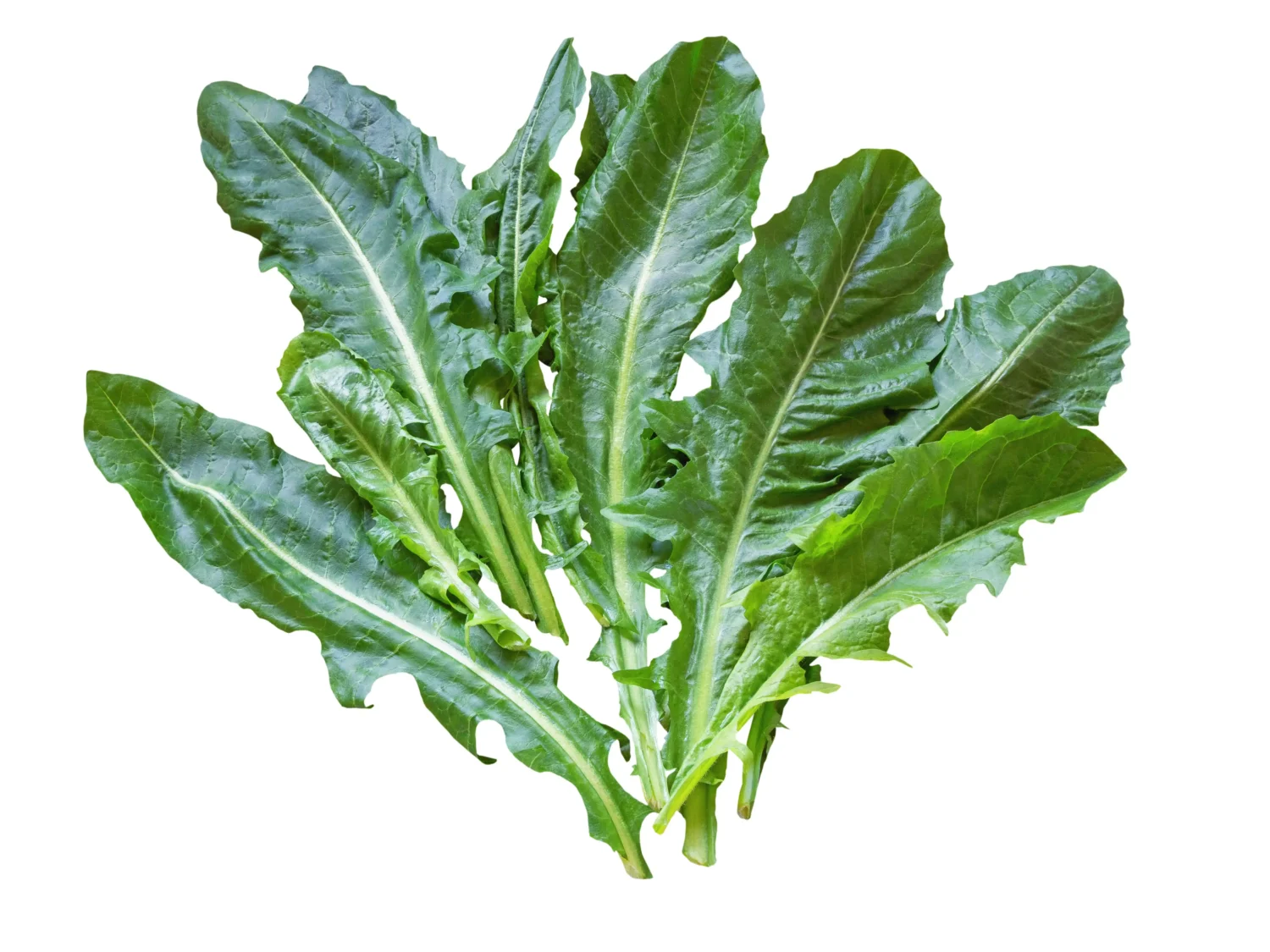
Spadona da Taglio is a traditional Italian leaf chicory grown for its long, slender green leaves and distinctive pleasantly bitter flavour. Unlike heading chicories and radicchio varieties, Spadona da Taglio is specifically grown as a cut-and-come-again leafy vegetable, allowing young leaves to be harvested repeatedly while the growing point remains intact.
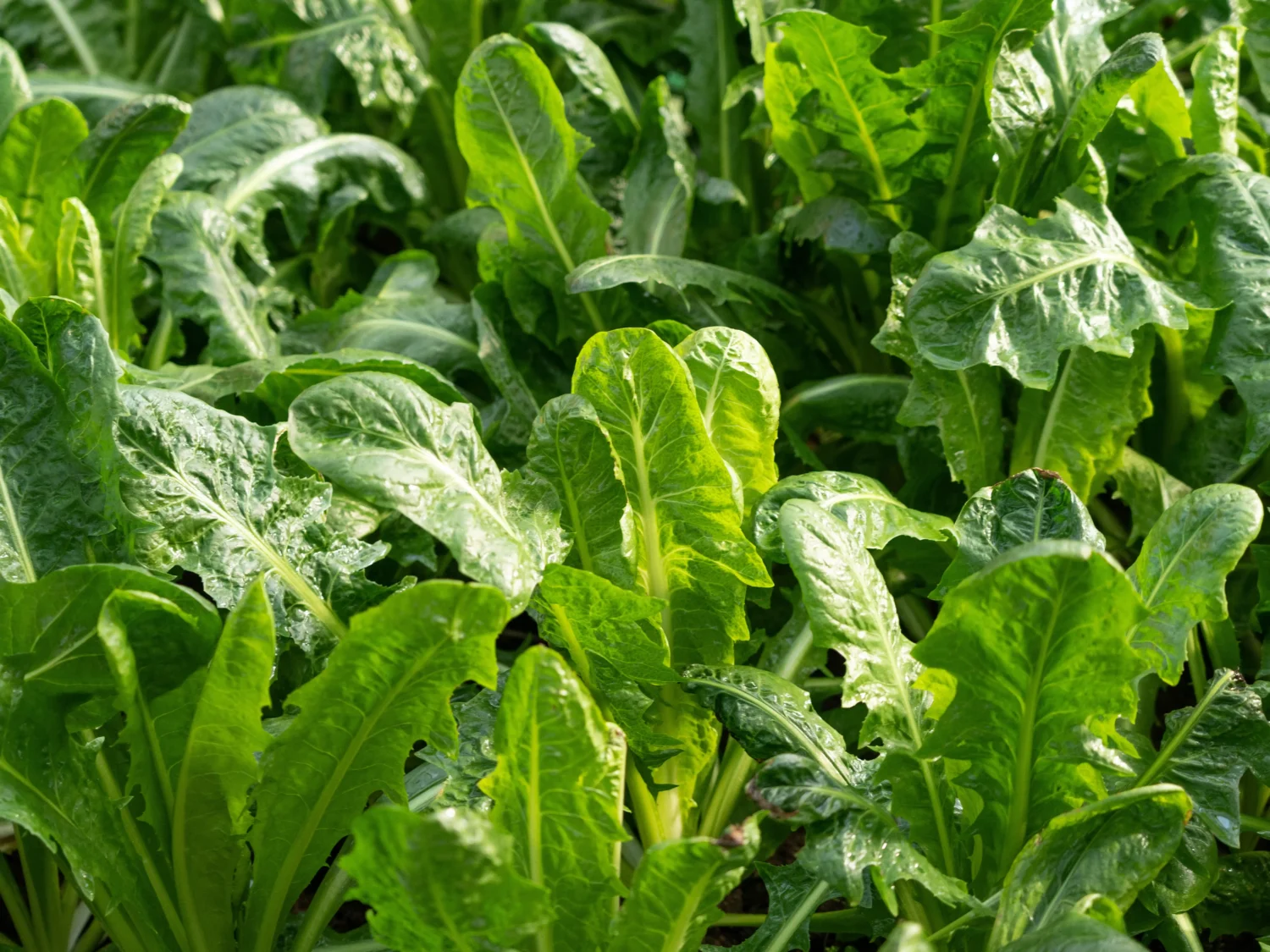
Fast growing and productive, the plants form upright clusters of narrow, elongated leaves that can be harvested young for salads or allowed to develop further for cooking. The characteristic chicory flavour becomes stronger as the foliage matures, making younger leaves particularly useful where a milder bitterness is preferred.
Spadona da Taglio is well suited to home vegetable gardens, market gardens, raised beds and successive sowings for an extended supply of fresh Italian-style greens. It performs particularly well during the cooler months but can be grown across a broad season where temperatures and moisture remain suitable.
Key Attributes
Traditional Italian Leaf ChicoryClassic Italian cutting chicory grown for its elongated green leaves rather than a tightly formed head. |
Cut & Come AgainLeaves can be harvested above the growing point, allowing established plants to produce additional flushes of fresh foliage. |
Fast-Growing Leaf CropYoung leaves develop relatively quickly, making Spadona da Taglio useful for successive plantings and regular garden harvests. |
Distinctive Chicory FlavourProduces fresh green leaves with the characteristic pleasantly bitter, slightly earthy flavour associated with Italian chicory. |
Fresh or CookedHarvest young leaves for mixed salads or allow them to mature for sautéing, braising and traditional cooked vegetable dishes. |
Excellent Cool-Season GreenPerforms particularly well during mild and cool weather, when leaves generally develop good texture and balanced flavour. |
Product Description
Spadona da Taglio is an Italian cutting chicory selected for leaf production rather than formation of a dense head. The name da taglio refers to its traditional use as a chicory harvested by cutting the foliage, allowing plants to regrow for subsequent harvests.
Plants develop clusters of narrow to elongated green leaves with a crisp to tender texture depending on their stage of maturity. Young leaves are generally milder and more tender, while mature foliage develops the stronger bitterness characteristic of traditional chicory.
This makes Spadona da Taglio a versatile vegetable for gardeners who enjoy European and Mediterranean leafy greens.
Young foliage can be picked for fresh salads, particularly when combined with milder lettuce leaves. More mature chicory can be cooked, which softens both the texture and the intensity of its bitterness.
Unlike heading radicchio varieties, there is no need to wait for a firm head to develop. Leaves may be harvested once they reach a useful size.
For cut-and-come-again production, cut the foliage several centimetres above the crown rather than removing or damaging the central growing point. With adequate moisture and fertility, established plants can produce additional leaves for later harvest.
Successive sowings can also be made to maintain a regular supply.
Spadona da Taglio grows best in fertile, well-drained soil with consistent moisture. Although chicory is relatively adaptable, cool to mild conditions generally produce the best-quality leaves.
Hot, dry weather can increase bitterness and encourage plants to progress towards flowering, particularly as they mature.
For this reason, Spadona da Taglio is particularly valuable as an autumn, winter and spring leafy vegetable in many Australian climates.
Why Grow Spadona da Taglio Chicory?
- Traditional Italian cutting chicory.
- Grown specifically for tender green leaves.
- Does not require formation of a tight head before harvest.
- Suitable for cut-and-come-again harvesting.
- Produces long, narrow to elongated green leaves.
- Young leaves can be harvested relatively quickly.
- Distinctive pleasantly bitter chicory flavour.
- Young leaves are suitable for fresh salads.
- Mature leaves are excellent for cooking.
- Suitable for sautéing, braising and traditional Italian dishes.
- Excellent autumn and winter leafy vegetable.
- Suitable for successive sowings.
- Can be grown in vegetable gardens and raised beds.
- Suitable for market garden production.
- Useful for Mediterranean and Italian-style vegetable gardens.
- Adaptable to a wide range of Australian growing regions.
Plant Details
| Plant Type | Leafy vegetable / cutting chicory |
| Variety | Spadona da Taglio |
| Botanical Name | Cichorium intybus |
| Family | Asteraceae |
| Vegetable Type | Non-heading leaf chicory |
| Growth Habit | Upright clusters of elongated green leaves |
| Harvest Type | Baby leaf, mature leaf or cut-and-come-again |
| Leaf Colour | Green |
| Flavour | Characteristic chicory bitterness; generally milder when harvested young |
| Position | Full sun to light partial shade |
| Best Growing Conditions | Mild to cool weather with consistent moisture |
| Life Cycle | Perennial botanically, commonly grown as an annual leafy vegetable |
Sowing Information
| Sowing Method | Direct sow or raise in seedling trays for transplanting |
| Sowing Depth | Approximately 5–10 mm |
| Germination | Usually approximately 7–14 days under suitable conditions |
| Preferred Germination Temperature | Approximately 15–22°C |
| Plant Spacing | Approximately 15–25 cm for mature plants; closer spacing may be used for young leaf production |
| Row Spacing | Approximately 25–40 cm |
| Position | Full sun to light partial shade |
| Soil | Fertile, moisture-retentive and well drained |
| Harvest | Harvest young leaves as required; allow additional time for larger mature foliage |
When to Sow Spadona da Taglio Chicory in Australia
| Climate Zone | Suggested Sowing Time | Growing Notes |
|---|---|---|
| Cool | Spring – autumn | A broad sowing window is possible. Spring and autumn generally provide excellent conditions for tender leaf production. |
| Temperate | Late summer – spring | Excellent autumn, winter and spring leafy crop. Avoid establishing crops during periods of extreme summer heat. |
| Subtropical | March – September | Best grown through the cooler months. Warm weather can increase bitterness and encourage premature flowering. |
| Tropical | Coolest, driest months | Grow primarily during the coolest part of the year and maintain reliable moisture. Elevated districts generally offer more favourable conditions. |
| Arid | Autumn – spring | Avoid extreme summer heat and provide consistent irrigation to maintain tender leaf growth. |
These sowing periods are general guides. Local temperatures, frost, elevation, seasonal heat and water availability should also be considered. For the best leaf quality, aim to grow Spadona da Taglio during mild to cool conditions.
How to Grow Spadona da Taglio Chicory
Choose a sunny position with fertile, well-drained soil. Light partial shade can be useful where conditions are warmer, particularly when the crop is being grown for tender young leaves.
Prepare the soil by removing weeds and incorporating well-decomposed compost or another suitable organic soil amendment where required.
Direct sow seed approximately 5–10 mm deep and cover lightly with soil.
Water gently after sowing and maintain consistent moisture while the seed germinates.
Once seedlings are established, thin them according to the intended harvest method.
For mature individual plants, allow approximately 15–25 cm between plants.
For younger cutting-leaf production, closer spacing can be used because plants will be harvested before developing to their maximum size.
Keep the planting area reasonably free from weeds, particularly during early establishment.
Maintain regular moisture to encourage continuous production of tender leaves.
Begin harvesting once the foliage reaches the size required for your intended use.
For cut-and-come-again harvesting, cut the leaves above the crown and leave the central growing point intact.
Water after harvesting where conditions are dry and maintain adequate fertility to support regrowth.
Growing Chicory as a Cut-and-Come-Again Vegetable
One of the main advantages of Spadona da Taglio is its suitability for repeated leaf harvest.
Rather than pulling the entire plant from the soil, established foliage can be cut back while leaving the crown and root system in place.
Use a clean, sharp knife or scissors.
Cut the leaves several centimetres above the base of the plant.
Avoid cutting deeply into the crown.
The established root system can then support another flush of leaves.
Regrowth rate depends on:
- Temperature
- Available moisture
- Soil fertility
- Plant health
- Season
- How severely the plant was cut
Regular but moderate harvesting is preferable to repeatedly damaging the central growing point.
Baby Leaf Production
Spadona da Taglio can be harvested young for tender baby leaves.
For baby-leaf production, seed can be sown more densely than for full-sized plants.
Young leaves generally have a milder flavour and softer texture than mature chicory.
Harvest using clean scissors once the leaves have reached a useful size.
Depending on how low the crop is cut, plants may produce further growth.
Successive sowings every few weeks can provide a more consistent supply than relying entirely on regrowth from one planting.
Growing Chicory in Australian Conditions
Spadona da Taglio is adaptable, but leaf quality is generally highest during cool to mild conditions.
Warm weather accelerates plant development and can increase bitterness.
Extended heat, particularly when combined with moisture stress, can also encourage plants to bolt and produce flowering stems.
In southern and cool-temperate areas, chicory can be grown over a long season.
In temperate areas, autumn through spring provides particularly useful growing conditions.
In subtropical regions such as South East Queensland, Spadona da Taglio is best treated primarily as an autumn, winter and early-spring leafy vegetable.
Tropical growers should concentrate production into the coolest available months.
Soil Requirements
Spadona da Taglio grows in a range of soils but performs best in fertile, free-draining ground with adequate moisture-holding capacity.
Before sowing, improve poor soil with well-decomposed compost where necessary.
Avoid areas that remain waterlogged after rain.
For leaf production, the objective is steady vegetative growth.
Extremely poor soil can result in small, tough leaves, while consistent fertility and moisture encourage faster production of tender foliage.
Watering Chicory
Keep the soil consistently moist while seeds germinate.
Once plants are established, water according to soil conditions, temperature and rainfall.
Leafy chicory grown for repeated cutting benefits from reliable moisture because each harvest removes a substantial amount of foliage that must then be replaced.
Prolonged drought can result in:
- Slower growth
- Tougher leaves
- Stronger bitterness
- Reduced regrowth after cutting
- Earlier flowering
Mulching around mature plants can help retain soil moisture and reduce weed competition.
Avoid permanently saturated soil.
Feeding Leaf Chicory
Spadona da Taglio is grown primarily for foliage, so adequate nitrogen supports productive leaf growth.
Begin with reasonably fertile soil.
Where additional feeding is required, use a suitable balanced vegetable fertiliser according to product directions and local soil conditions.
Plants harvested repeatedly may benefit from light supplementary feeding because nutrients are continually removed with the harvested leaves.
Avoid excessive fertiliser application. The objective is steady, healthy growth rather than overly soft or weak foliage.
Growing Spadona da Taglio in Pots
Spadona da Taglio can be grown successfully in containers.
Choose a pot or trough with adequate drainage holes and fill it with good-quality potting mix.
Several plants can be grown together in a larger container, particularly when they are being harvested as young leaves.
Position the container in full sun during cool weather.
In warmer climates, some protection from intense afternoon sun may help maintain leaf quality.
Container-grown chicory requires more frequent watering than plants growing in open soil because potting mix dries rapidly.
Check moisture regularly, particularly after harvesting when plants are producing new foliage.
Successive Sowing
Although Spadona da Taglio can regrow after cutting, successive sowing is still useful.
Sow small quantities at intervals of approximately two to four weeks during suitable growing weather.
This produces plants at different stages of development and helps maintain a continuous supply if an older planting:
- Begins flowering
- Becomes excessively bitter
- Is damaged by pests
- Produces slower regrowth
- Declines with age
Successive sowing is particularly useful for market gardens and households that use chicory regularly.
Harvest
Spadona da Taglio does not need to form a head before harvesting.
Leaves may be picked or cut once they reach the desired size.
Young foliage provides the mildest flavour and most tender texture.
For repeated harvests, use scissors or a sharp knife and cut the leaves above the crown.
Leave sufficient basal growth for the plant to recover.
Alternatively, individual outer leaves can be picked while allowing the centre of the plant to continue growing.
Harvest during the cooler part of the day where practical.
Use freshly harvested leaves promptly or refrigerate them to maintain crispness.
How to Reduce Chicory Bitterness
Bitterness is a natural and desirable characteristic of chicory, but its intensity varies.
For milder leaves:
- Harvest while foliage is young and tender.
- Grow plants during cool to mild weather.
- Maintain consistent soil moisture.
- Avoid allowing plants to become drought stressed.
- Harvest before plants begin producing flowering stems.
- Combine fresh chicory with milder salad leaves.
- Cook mature leaves to soften their flavour.
Gardeners unfamiliar with chicory should not expect it to taste like lettuce. Its pleasant bitterness is one of the characteristics for which the vegetable is traditionally grown.
Using Spadona da Taglio Chicory
Spadona da Taglio can be used at several stages of maturity.
Young leaves are suitable for:
- Mixed green salads
- Italian-style salads
- Sandwiches
- Fresh garnishes
- Mixed baby-leaf dishes
More mature leaves can be used for:
- Sautéing
- Braising
- Soups
- Pasta dishes
- Risotto
- Cooked vegetable dishes
- Mixed greens
- Mediterranean-style recipes
Cooking naturally softens the foliage and moderates some of its bitterness.
Preparing Chicory Leaves
Harvest healthy, fresh leaves and remove any damaged or discoloured foliage.
Wash thoroughly in clean water to remove soil and garden debris.
Young leaves can be dried and used directly in salads.
Larger leaves may be chopped before cooking.
For sautéed chicory, the foliage may be briefly cooked until tender and then combined with ingredients such as olive oil, garlic, herbs or lemon according to the recipe being prepared.
Avoid excessive cooking if you want to retain some texture.
Storing Fresh Chicory
Chicory leaves are best used soon after harvesting.
If immediate use is not possible, refrigerate promptly.
Remove damaged leaves before storage.
Keep foliage cool and protected from dehydration.
Avoid storing leaves while excessively wet, as surface moisture can accelerate deterioration.
Young leaves are particularly delicate and should be handled carefully.
For the best eating quality, harvest only the quantity required whenever practical.
Bolting and Flowering
Chicory is naturally capable of producing tall flowering stems as the plant matures.
Bolting is encouraged by environmental and seasonal conditions, particularly increasing temperatures and plant maturity.
Once a plant begins producing a flowering stem, the foliage generally becomes tougher and more strongly flavoured.
For continuous leafy production:
- Harvest regularly.
- Maintain adequate moisture.
- Grow during the appropriate season.
- Make successive sowings.
- Replace older plants when leaf quality declines.
Plants allowed to flower produce attractive blue chicory flowers.
Chicory Flowers
If Spadona da Taglio is allowed to mature rather than being continually harvested, plants can eventually produce the characteristic blue flowers of Cichorium intybus.
Flowering stems are much taller than the leafy harvest-stage plant.
Once flowering begins, the crop is generally no longer at its optimum stage for tender leaf production.
Gardeners interested in seed saving can allow selected healthy plants to progress through flowering and seed development.
Saving Chicory Seed
Spadona da Taglio is a traditional chicory type and seed can be saved where appropriate seed-production practices are followed.
Select healthy plants displaying the desired leaf characteristics.
Allow them to mature and produce flowering stems.
Chicory flowers are insect pollinated and plants can cross with other compatible Cichorium intybus varieties flowering nearby.
Appropriate isolation is therefore required where maintaining varietal purity is important.
Allow seed heads to mature and dry before collecting seed.
Dry harvested seed thoroughly before storing it in a labelled container in cool, dry conditions.
Common Pests
Chicory is generally straightforward to grow but may be affected by common leafy vegetable pests.
These can include:
- Slugs
- Snails
- Aphids
- Leaf-feeding caterpillars
- Other chewing insects
Inspect young plants regularly.
Slugs and snails can cause significant damage to newly emerged seedlings and tender regrowth after cutting.
Maintain good garden hygiene and use locally appropriate pest-management methods where required.
Perfect For
- Italian vegetable gardens
- Mediterranean-style gardens
- Home vegetable gardens
- Market gardens
- Raised garden beds
- Container growing
- Autumn and winter gardens
- Cut-and-come-again greens
- Baby-leaf production
- Successive sowings
- Mixed salads
- Italian-style salads
- Sautéed greens
- Soups and pasta dishes
- Gardeners who enjoy traditional bitter greens
Frequently Asked Questions
What is Spadona da Taglio chicory?
Spadona da Taglio is a traditional Italian leaf chicory grown for its elongated green foliage. Unlike heading chicory or radicchio, it is primarily grown as a cutting vegetable and can be harvested repeatedly.
What does “da taglio” mean?
In Italian vegetable terminology, da taglio refers to a crop grown for cutting. Spadona da Taglio is therefore a leaf or cutting chicory rather than a variety that must form a tight head before harvest.
What is the botanical name of Spadona da Taglio?
The botanical name is Cichorium intybus.
Is Spadona da Taglio the same as radicchio?
No. Both belong to Cichorium intybus, but Spadona da Taglio is grown primarily for loose green leaves, whereas radicchio varieties are generally selected for coloured or heading forms.
Does Spadona da Taglio form a head?
No. It is primarily a non-heading leaf chicory producing elongated green foliage for repeated cutting.
Is Spadona da Taglio a cut-and-come-again vegetable?
Yes. If the leaves are cut above the crown without damaging the growing point, established plants can produce additional foliage for later harvests.
Can Spadona da Taglio be grown as baby leaf?
Yes. Young foliage can be harvested as baby leaf and generally has a milder flavour and more tender texture than mature leaves.
What does Spadona da Taglio taste like?
It has the characteristic pleasantly bitter and slightly earthy flavour of chicory. Younger leaves are generally milder, while mature leaves develop stronger bitterness.
Is chicory supposed to taste bitter?
Yes. Bitterness is a normal characteristic of Cichorium intybus and an important part of its traditional culinary appeal.
How can I grow milder chicory?
Grow during cool weather, maintain consistent moisture and harvest the leaves while young. Heat, drought and increasing plant maturity generally intensify bitterness.
Can Spadona da Taglio be eaten raw?
Yes. Young tender leaves can be eaten raw and are particularly useful in mixed salads where their distinctive bitterness complements milder greens.
Can Spadona da Taglio be cooked?
Yes. Mature leaves are excellent sautéed, braised or incorporated into soups, pasta, risotto and other cooked dishes.
When should I sow Spadona da Taglio in Australia?
Planting time depends on climate. It is generally best grown through the cooler part of the year, particularly autumn, winter and spring in temperate and subtropical regions.
Can Spadona da Taglio grow in Brisbane?
Yes. In Brisbane and South East Queensland, it is particularly well suited to autumn, winter and early-spring production. Avoid relying on the hottest part of summer for premium leaf quality.
Can chicory tolerate frost?
Established chicory is relatively tolerant of cool weather and light frost. Young seedlings are more vulnerable to severe conditions.
Does Spadona da Taglio need full sun?
Full sun is ideal during cool weather. Light partial shade can be beneficial in warmer climates or during periods of strong afternoon heat.
How deep should chicory seed be planted?
Sow Spadona da Taglio approximately 5–10 mm deep and keep the soil consistently moist during germination.
How long does chicory take to germinate?
Germination commonly occurs in approximately 7–14 days under suitable temperature and moisture conditions.
What temperature is best for germinating chicory?
Moderate temperatures around 15–22°C are generally suitable for reliable chicory germination.
Can Spadona da Taglio be direct sown?
Yes. Direct sowing is an excellent method, particularly where the crop will be grown densely for young leaves or repeated cutting.
Can chicory be transplanted?
Yes. Plants may be started in seedling trays and transplanted while young, taking care to minimise unnecessary root disturbance.
How far apart should Spadona da Taglio be planted?
For mature individual plants, allow approximately 15–25 cm. Closer spacing can be used when growing the crop specifically for young leaves.
How often can Spadona da Taglio be harvested?
Harvest frequency depends on temperature, moisture, fertility and how much foliage is removed. Allow plants to develop sufficient new growth between cuts rather than harvesting again before they have recovered.
How do I harvest cutting chicory?
Use clean scissors or a sharp knife and cut the foliage several centimetres above the crown. Avoid damaging the central growing point if you want the plant to regrow.
Will Spadona da Taglio regrow after cutting?
Yes. Healthy established plants can produce new foliage after cutting when the crown remains intact and adequate moisture and nutrients are available.
Should I sow chicory successively?
Yes. Small sowings every few weeks can provide a more continuous supply and ensure younger plants are available as older crops become tougher or begin flowering.
Can Spadona da Taglio be grown in pots?
Yes. Use a well-drained container filled with good-quality potting mix and maintain regular moisture.
What soil does chicory prefer?
Spadona da Taglio performs best in fertile, well-drained soil with good moisture-holding capacity.
How often should chicory be watered?
Water according to weather and soil conditions. Maintain consistent moisture for tender foliage but avoid permanently waterlogged soil.
Why is my chicory very bitter?
Mature foliage is naturally bitter, but hot weather, drought stress and bolting can intensify the flavour. Harvesting younger leaves during cool conditions generally produces milder greens.
Why is my chicory flowering?
Chicory naturally progresses towards flowering as plants mature. Warm weather, seasonal changes and plant stress can accelerate bolting.
What colour are chicory flowers?
Plants of Cichorium intybus typically produce attractive blue flowers when allowed to mature.
Can I save seed from Spadona da Taglio?
Yes. Allow selected healthy plants to flower and produce mature seed. Appropriate isolation from other flowering Cichorium intybus varieties is required where varietal purity is important.
Is chicory an annual?
Cichorium intybus is botanically a perennial, although Spadona da Taglio is commonly grown as an annual leafy vegetable and replaced once plants become old or begin flowering.
Is Spadona da Taglio suitable for market gardens?
Yes. Its fast leaf production, suitability for successive sowing and ability to regrow after cutting make it useful for specialty leafy-green and Italian vegetable production.
What is the difference between Spadona da Taglio and heading chicory?
Spadona da Taglio is harvested for loose green leaves and does not need to form a head. Heading chicories and radicchios are grown until their leaves form a more compact central head or rosette.
Can Spadona da Taglio be mixed with lettuce?
Yes. Young chicory leaves combine particularly well with milder lettuces, adding flavour contrast and texture to mixed salads.
Is Spadona da Taglio suitable for winter gardens?
Yes. It is an excellent cool-season leafy vegetable and is particularly useful for autumn and winter production in many Australian regions.
Can I harvest individual leaves instead of cutting the whole plant?
Yes. Outer leaves can be picked individually while leaving the central growth intact. This is useful where only small quantities are required at a time.
What is the best way to maintain a continuous supply?
Combine cut-and-come-again harvesting with small successive sowings every few weeks during suitable weather. This provides plants at several stages of maturity and reduces dependence on a single planting.
Reviews
There are no reviews yet.