

Tomato Tropic Vegetable Seeds
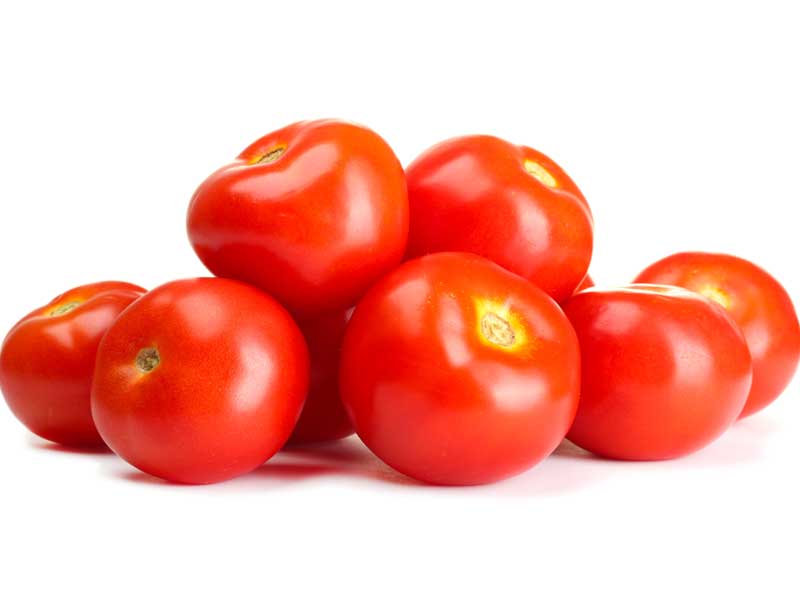
A vigorous, open-pollinated tomato producing firm, round, red fruit with a sweet flavour and thick, fleshy walls. Tropic is a useful slicing tomato for home vegetable gardens and market gardens, particularly in warm growing regions.
This indeterminate variety continues growing and producing fruit while conditions remain favourable. The substantial tomatoes commonly weigh approximately 200–250 grams and may retain slightly green shoulders as they ripen.
Tropic was developed by the University of Florida and is known for its suitability to warm, humid climates. Provide strong support, consistent watering and good airflow for a healthy, productive crop.
Tomato Tropic Seed Details
Why Grow Tropic Tomatoes?
- Firm, fleshy tomatoes suitable for slicing and fresh eating.
- Sweet flavour with a classic tomato character.
- A useful variety for warm and humid growing regions.
- Indeterminate growth allows continued picking in favourable conditions.
- Open-pollinated variety suitable for home gardens and market gardens.
- Can be grown in vegetable beds, raised beds or large containers with support.
What Do Tropic Tomatoes Taste Like?
Tropic tomatoes have a sweet flavour and firm, fleshy texture. Their thick walls make them useful for slicing, while fully ripe fruit can also be chopped into fresh dishes or cooked.
Use Tropic tomatoes in sandwiches, salads, burgers and tomato platters, or add them to sauces and roasted vegetable dishes.
How to Grow Tropic Tomatoes
Start Tropic seeds in seedling trays or small pots, then transplant established seedlings into a sunny, frost-free growing position.
- Prepare the seedling tray.
Fill clean trays or pots with a fine, free-draining seed-raising mix. Moisten the mix before sowing. - Sow the tomato seeds.
Sow approximately 5–6 mm deep and cover lightly. Water gently to settle the mix without disturbing the seeds. - Keep warm and evenly moist.
Place the tray in a warm position and keep the growing mix moist without waterlogging it. Seedlings commonly emerge within approximately 7–14 days, depending on temperature and conditions. - Provide light after germination.
Move emerging seedlings into bright light. Pot them on once they have developed true leaves and need additional room. - Harden off and transplant.
Gradually introduce seedlings to outdoor conditions before planting out. Wait until frost danger has passed and prepare fertile, well-drained soil with compost. - Support the developing plants.
Install sturdy stakes, cages or a trellis at planting time. Secure growing stems with soft ties and leave room for them to thicken. - Water, feed and harvest.
Maintain consistent soil moisture and apply a suitable tomato fertiliser according to its directions. Pick fruit progressively as it ripens.
When to Sow Tropic Tomatoes in Australia
The best sowing time depends on your local climate. Tomatoes need warm growing conditions and protection from frost.
- Temperate regions: Start seeds under cover in late winter or early spring, then transplant outdoors after frost danger has passed.
- Cool regions: Raise seedlings in a warm, protected position and plant out when soil and overnight temperatures have warmed.
- Subtropical and tropical regions: Autumn and winter planting can be useful in frost-free areas. Choose a local growing window that avoids prolonged extreme heat and heavy wet-season rainfall.
Tropic Tomato Plant Spacing
Allow approximately 45–60 cm between supported plants and around 90 cm between rows as a starting point. Increase spacing where plants will carry several stems or develop a larger canopy.
Good spacing makes watering, tying and harvesting easier while helping air move through the crop. Avoid allowing neighbouring plants to become tightly tangled.
Best Soil for Tropic Tomatoes
Tropic tomatoes grow best in fertile, well-drained soil that holds moisture without remaining saturated. Incorporate mature compost before planting and apply mulch once plants are established, keeping it clear of the stems.
For containers, choose a large pot with drainage holes and a quality vegetable potting mix. Container-grown plants need frequent moisture checks and regular feeding.
Tips for Growing Tropic Tomatoes
- Choose a sunny position with good airflow.
- Provide strong support early in the growing season.
- Water at soil level where practical.
- Keep moisture consistent as fruit develops.
- Feed according to the directions on a suitable tomato fertiliser.
- Remove diseased foliage and keep growing equipment clean.
- Monitor for pests and protect fruit where fruit fly is a local problem.
- Harvest regularly once fruit begins to ripen.
Frequently Asked Questions
Is Tropic tomato determinate or indeterminate?
Tropic is indeterminate. Plants continue extending their stems and producing flowers while growing conditions remain favourable.
Do Tropic tomatoes need staking?
Yes. Provide sturdy stakes, cages or a trellis to support the plants and developing fruit.
How large are Tropic tomatoes?
The fruit commonly weigh approximately 200–250 grams. Actual size varies with plant health, crop load and growing conditions.
How long do Tropic tomatoes take to harvest?
Allow approximately 80 days from transplanting as a general guide. Raising seedlings takes additional time, and the first harvest may be earlier or later depending on conditions.
Is Tropic suitable for warm and humid climates?
Yes. Tropic was developed in Florida and is known for its suitability to warm, humid growing regions. Good drainage, airflow and an appropriate planting season remain important.
Can Tropic tomatoes be grown in containers?
Yes. Use a large container with good drainage, quality potting mix and sturdy support. Water and feed regularly as the plant develops.
Why do some ripe Tropic tomatoes have green shoulders?
Slight green shoulders are a recognised characteristic of this variety. Check the colour and firmness of the rest of the fruit when judging ripeness.
What are Tropic tomatoes best used for?
Their firm, fleshy fruit are particularly useful for slicing into sandwiches, salads and burgers. They can also be used in cooked tomato dishes.
Reviews
There are no reviews yet.