

Tomato Roma Vegetable Seeds
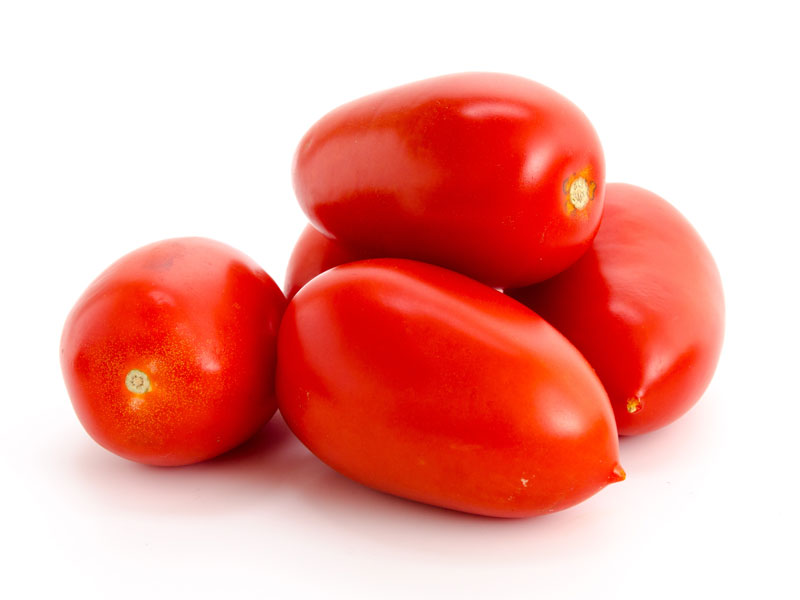
Grow firm, fleshy Roma tomatoes for homemade sauces, cooking and drying. This classic open-pollinated variety produces bright red, oblong fruit with relatively few seeds.
Roma has a determinate, bush growth habit, with much of the crop ripening over a relatively concentrated period. Its compact plants suit vegetable gardens, raised beds and large containers, with support recommended to keep fruit off the ground.
Seed and Plant Details
| Botanical Name | Solanum lycopersicum |
|---|---|
| Variety | Roma |
| Seed Type | Open-pollinated |
| Seeds per Gram | Approximately 250–400; varies between seed lots |
| Plant Type | Warm-season vegetable, grown as an annual |
| Growth Habit | Determinate bush; staking or a tomato cage recommended |
| Plant Height | Approximately 100 cm, depending on growing conditions |
| Fruit Type | Red, oblong plum tomatoes with firm flesh and few seeds |
| Days to Harvest | Approximately 75–85 days from transplanting; timing varies with conditions |
Why Grow Roma Tomatoes?
- Excellent for cooking: Firm, fleshy fruit suits sauces, soups, roasting and drying.
- Manageable bush growth: A practical choice for garden beds and large containers.
- Useful harvest timing: Concentrated ripening makes it easier to gather fruit for batch cooking.
Flavour and Kitchen Uses
Roma tomatoes have a mild tomato flavour and dense flesh that cooks down well. Use ripe fruit in pasta sauces, passata, soups and roasted vegetable dishes, or slice into salads and sandwiches.
How to Grow Roma Tomatoes
- Start with warm conditions: Sow in seed trays indoors or under cover before your local planting season.
- Sow approximately 5 mm deep: Use a fine seed-raising mix and keep it evenly moist.
- Provide warmth and light: Germination usually takes 5–10 days at soil temperatures of 21–27°C. Give seedlings bright light once they emerge.
- Harden off seedlings: Gradually introduce outdoor conditions before transplanting after frost risk has passed.
- Plant in full sun: Space plants approximately 50–60 cm apart in fertile, well-drained soil.
- Support and water: Install stakes or cages early, mulch around plants and maintain consistent soil moisture.
- Harvest when ripe: Pick fruit when fully red and firm, checking plants regularly as the crop colours.
When to Sow Roma Tomatoes in Australia
Use these seasonal windows as a guide. Local frost dates, elevation and summer heat affect the best sowing time.
| Climate Zone | Sowing Time | Growing Notes |
|---|---|---|
| Cool | Late winter–spring | Start under cover; transplant after frost when soil has warmed. |
| Temperate | Late winter–early summer | Protect early seedlings and allow enough warm weather for fruit to ripen. |
| Subtropical | Autumn–spring | Choose frost-free periods; avoid peak summer heat and humidity where possible. |
| Tropical | Autumn–early winter | Grow through the cooler dry season with steady irrigation. |
| Arid | Spring; autumn in mild areas | Avoid frost and extreme heat; autumn crops need a sufficiently long frost-free season. |
Sowing Information
| Sowing Method | Raise seedlings; direct sow when soil is warm and frost risk has passed |
|---|---|
| Sowing Depth | Approximately 5 mm |
| Germination | Usually 5–10 days in suitable conditions |
| Soil Temperature | 21–27°C for germination |
| Plant Spacing | 50–60 cm |
| Row Spacing | At least 60–70 cm; allow extra space for access and airflow |
| Position | Full sun; protect from frost |
Soil and Container Growing
Choose fertile, well-drained soil enriched with compost. For containers, use a large pot with drainage holes and quality vegetable potting mix. Water regularly and feed according to the directions on a suitable tomato fertiliser.
Growing Tips
- Water at soil level and keep moisture consistent as fruit develops.
- Mulch around plants, leaving a small gap around the stems.
- Support laden branches and maintain airflow around plants.
- Avoid excessive nitrogen fertiliser, which encourages leafy growth.
Frequently Asked Questions
Does Roma need staking?
Support is recommended even though Roma is a bush tomato. A stake or cage helps prevent laden branches and fruit from resting on the soil.
Are Roma tomatoes suitable for sauces?
Yes. Their firm flesh and relatively few seeds make them a useful choice for sauces, passata and roasting.
Can Roma tomatoes grow in pots?
Yes. Use a large container, provide support and keep plants consistently watered and fed.
Reviews
There are no reviews yet.