


Tomato Amish Paste Vegetable Seeds
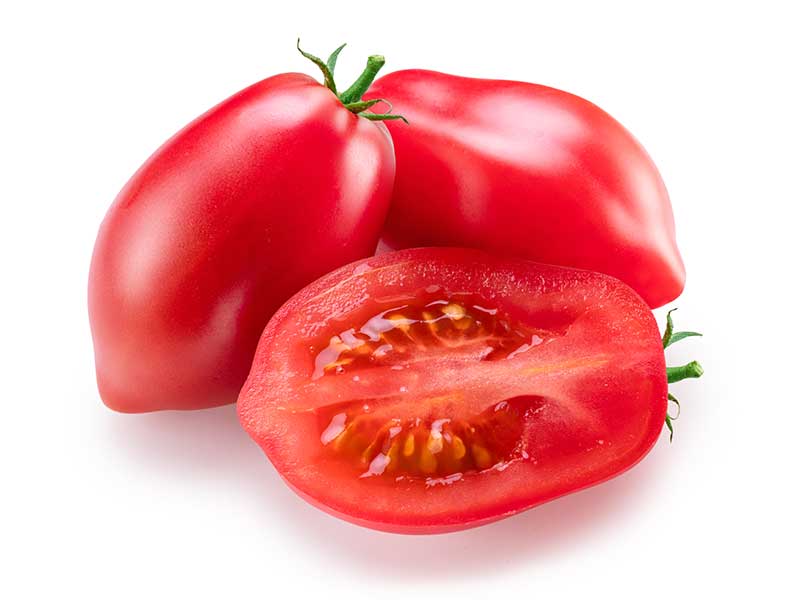
A traditional American heirloom producing red, meaty tomatoes with a rich flavour and thick flesh. Amish Paste is a versatile choice for homemade pasta sauces, roasting and fresh slicing.
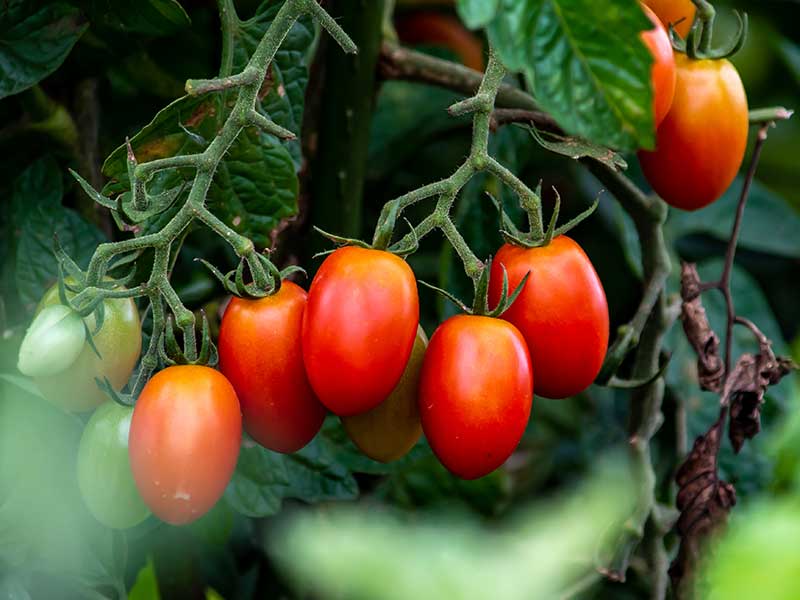
This open-pollinated variety develops vigorous, indeterminate vines that need sturdy support. Fruit can vary from plum or teardrop-shaped to larger oxheart forms, bringing character and culinary versatility to the vegetable garden.
Grow in full sun with fertile, well-drained soil, consistent moisture and space for good airflow.
Seed and Plant Details
Why Grow Amish Paste Tomatoes?
- Traditional American heirloom valued for its kitchen versatility.
- Thick, meaty flesh suited to homemade sauces and tomato paste.
- Rich flavour that also works well in fresh salads and sandwiches.
- Indeterminate growth allows an extended harvest in suitable conditions.
- Open-pollinated variety for gardeners who enjoy growing heirloom vegetables.
Flavour and Kitchen Uses
Amish Paste has a rich tomato flavour and substantial, meaty flesh. Although grown as a paste tomato, it remains juicy enough to enjoy fresh.
Simmer ripe fruit into pasta sauces, cook down for tomato paste, or roast with olive oil and herbs. Larger fruit can also be sliced for salads and sandwiches.
How to Grow Amish Paste Tomatoes
Raise seedlings in a protected position, then transplant into warm soil after frost risk has passed.
- Prepare the seed trays. Fill clean trays or small pots with moist seed-raising mix and allow excess water to drain.
- Sow the seeds. Sow approximately 5 mm deep, cover lightly and water gently. Pre-soaking is not normally required.
- Maintain warmth and moisture. Keep the mix evenly moist without saturating it. Move seedlings into good light as soon as they emerge.
- Prepare for transplanting. Pot on as needed and gradually introduce seedlings to outdoor conditions before planting out.
- Plant and support. Choose a sunny position with fertile, well-drained soil. Install sturdy stakes, cages or a trellis at planting time.
- Water and feed. Water at soil level, maintain consistent moisture and apply a suitable tomato fertiliser according to its label.
- Harvest ripe tomatoes. Pick when fruit is fully red and gives slightly under gentle pressure. Handle carefully to avoid bruising.
When to Sow Amish Paste Tomatoes in Australia
The following is a general guide. Adjust timing for local frost dates, elevation and seasonal temperatures. Early sowings in cooler regions need protection and warmth.
| Climate Zone | General Sowing Time | Growing Notes |
|---|---|---|
| Cool | August–October under cover | Raise seedlings with warmth. Transplant after frost and allow a long enough warm season for fruit to ripen. |
| Temperate | August–November | Protect early sowings. Plant outdoors after frost risk has passed. |
| Subtropical | Late winter–spring; autumn where frost-free | Allow for local frost risk. Avoid establishing plants during extreme heat. |
| Tropical | April–July | Grow during the cooler, drier season and maintain good airflow. |
| Arid | Spring after frost; autumn in warm, frost-free areas | Timing varies across arid regions. Protect from extreme heat and use reliable irrigation. |
Sowing Information
Best Soil and Containers for Amish Paste
Choose well-drained soil enriched with mature compost. Avoid waterlogged areas and maintain moisture through flowering and fruit development.
For container growing, use a large pot with drainage holes and quality potting mix. Provide sturdy support and check moisture frequently, as containers can dry out quickly in warm weather.
Tips for Growing Amish Paste Tomatoes
- Plant in full sun after frost risk has passed.
- Use sturdy supports and soft ties for the growing vines.
- Allow enough space for airflow and easy harvesting.
- Mulch established plants, keeping mulch clear of the stems.
- Water at the base and avoid persistently saturated soil.
- Remove damaged or diseased foliage and monitor for pests.
- Harvest ripe fruit regularly and handle gently.
Frequently Asked Questions
Is Amish Paste a bush or climbing tomato?
It is an indeterminate climbing tomato. Its vines need staking, a sturdy cage or a trellis.
What shape are Amish Paste tomatoes?
Fruit can vary from plum or teardrop-shaped to larger oxheart forms. Some variation in shape and size is normal for this heirloom variety.
How long does Amish Paste take to harvest?
Allow approximately 80–85 days from transplanting for the first ripe fruit. Temperature, sunlight and plant health affect timing.
Is Amish Paste suitable for sauces?
Yes. Its thick, meaty flesh and rich flavour suit sauces, tomato paste and roasting.
Can Amish Paste be eaten fresh?
Yes. Although grown as a paste tomato, its flavour and juicy flesh also make it suitable for salads and sandwiches.
Can I grow it in a container?
Yes. Choose a large container with good drainage and strong support, and provide regular watering and feeding.
Will it keep producing after the first harvest?
Healthy indeterminate vines can continue flowering and fruiting while conditions remain suitable.
Can Amish Paste tolerate frost?
No. Protect seedlings from frost and wait for suitable warm conditions before planting outdoors.
Reviews
There are no reviews yet.