

Lettuce Salad Bowl Red Vegetable Seeds
Botanical Name: Lactuca sativa
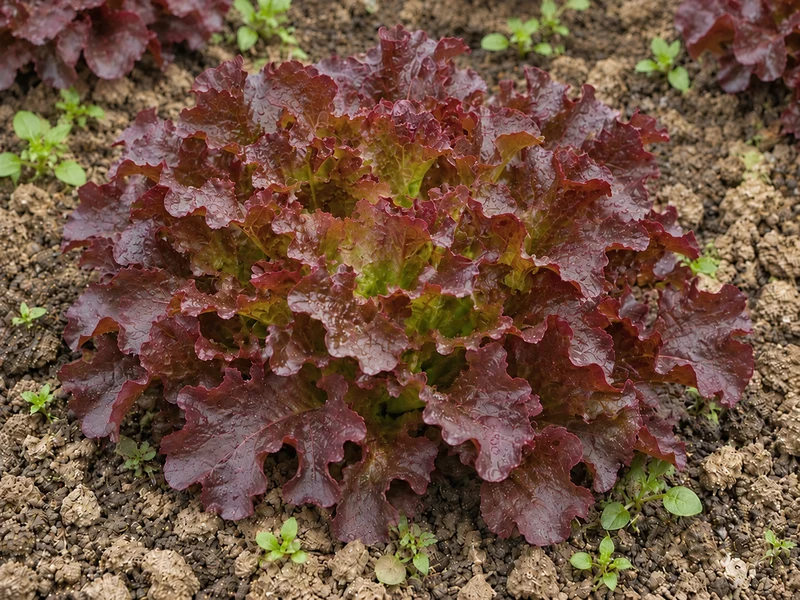
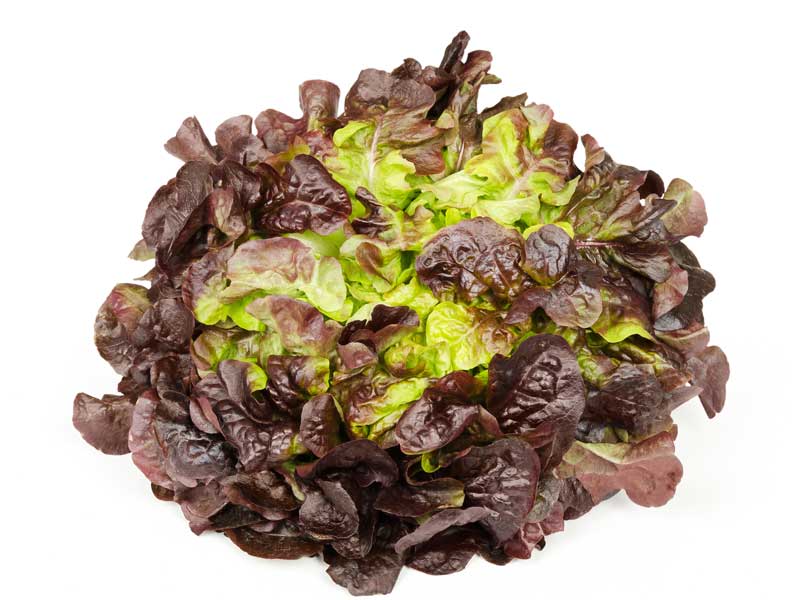
Red Salad Bowl Lettuce is an attractive loose-leaf lettuce producing deeply lobed, oakleaf-style foliage with green to bronze-red and burgundy colouring. The tender leaves have a mild lettuce flavour and delicate texture, making this variety particularly well suited to salads, sandwiches, wraps and mixed baby-leaf production.
Unlike heading lettuce varieties, Salad Bowl Red develops an open rosette of individual leaves rather than a tightly formed head. This makes it ideal for cut-and-come-again harvesting, with outer leaves picked as required while the younger central foliage continues to grow.
Fast growing and space efficient, Red Salad Bowl Lettuce is an excellent choice for home vegetable gardens, raised beds, pots, containers and market gardens. It performs best during cool to mild conditions and can be sown successively for a regular supply of colourful fresh lettuce.
Key Attributes
Attractive Red-Bronze LeavesProduces deeply lobed green to bronze-red and burgundy foliage, adding colour and texture to salads and mixed leaf harvests. |
Loose-Leaf LettuceForms an open rosette rather than a tight head, allowing individual leaves to be harvested as required. |
Cut-and-Come-Again HarvestPick mature outer leaves while leaving the central growing point intact for continued production of fresh foliage. |
Baby Leaf or Full SizeHarvest young leaves for baby-leaf salads or allow plants to develop into larger loose rosettes for repeated picking. |
Tender & MildFine-textured leaves have a mild, fresh lettuce flavour suited to salads, sandwiches, wraps and garnishes. |
Excellent for Small SpacesWell suited to raised beds, compact vegetable gardens, pots, troughs and container growing. |
Product Description
Red Salad Bowl Lettuce is a colourful loose-leaf lettuce variety grown for its deeply lobed, tender foliage and attractive bronze-red to burgundy colouring. Botanically classified as Lactuca sativa, it is particularly useful for gardeners wanting a lettuce that can be harvested progressively rather than waiting for a complete head to mature.
Plants form open rosettes of elongated, deeply divided leaves. The foliage develops a distinctive oakleaf-style appearance, with colouring ranging from green and bronze through to deeper red and burgundy tones. Colour intensity can vary according to temperature, sunlight, plant maturity and growing conditions.
Because Salad Bowl Red does not need to form a dense head before harvest, leaves can be picked at several stages. Young foliage is excellent for baby-leaf production, while established plants can be harvested repeatedly by removing the larger outer leaves.
The leaves have a soft, tender texture and mild lettuce flavour, making them particularly useful for fresh salads and mixed leaf combinations. Their distinctive colouring also provides contrast when combined with green lettuces, rocket, spinach and other salad greens.
Red Salad Bowl Lettuce performs best under cool to mild conditions. Like most lettuce varieties, excessive heat can accelerate bolting and may increase bitterness, so planting schedules should be adjusted according to local climate.
Successive sowings made during suitable weather can provide a continuous supply of fresh leaves over an extended period.
Why Grow Red Salad Bowl Lettuce?
- Attractive red-bronze loose-leaf lettuce.
- Produces deeply lobed, oakleaf-style foliage.
- Mild flavour and tender leaf texture.
- Excellent cut-and-come-again variety.
- Harvest individual outer leaves as required.
- Suitable for baby-leaf production.
- Can also be grown to full loose-leaf size.
- Fast-growing cool-season vegetable.
- Excellent for successive sowings.
- Adds colour to mixed salads.
- Ideal for salads, sandwiches and wraps.
- Suitable for home vegetable gardens.
- Excellent for raised garden beds.
- Well suited to pots and containers.
- Useful for small-space vegetable gardening.
- Suitable for home and market garden production.
Plant Details
| Plant Type | Cool-season leafy vegetable |
|---|---|
| Variety | Salad Bowl Red |
| Botanical Name | Lactuca sativa |
| Family | Asteraceae |
| Lettuce Type | Loose-leaf lettuce |
| Growth Habit | Open rosette of loose leaves |
| Leaf Colour | Green to bronze-red and burgundy |
| Leaf Type | Tender, deeply lobed, oakleaf-style foliage |
| Flavour | Mild, fresh lettuce flavour |
| Harvest Type | Baby leaf, individual outer leaves or mature loose rosette |
| Position | Full sun to partial shade |
| Life Cycle | Annual |
Sowing Information
| Sowing Method | Direct sow or raise seedlings for transplanting |
|---|---|
| Sowing Depth | Approximately 3–5 mm; sow shallowly |
| Germination | Usually approximately 5–10 days under suitable conditions |
| Preferred Germination Temperature | Approximately 10–20°C; germination can decline in excessively hot soil |
| Plant Spacing | Approximately 20–30 cm for mature plants; closer for baby-leaf production |
| Row Spacing | Approximately 30–40 cm |
| Position | Full sun in cool conditions; partial afternoon shade useful in warmer weather |
| Soil | Fertile, moisture-retentive and well drained |
| Harvest | Baby leaves can be harvested young; mature loose-leaf harvest generally around 45–55 days depending on conditions |
When to Sow Red Salad Bowl Lettuce in Australia
| Climate Zone | Suggested Sowing Time | Growing Notes |
|---|---|---|
| Cool | Spring–autumn | Excellent cool-climate crop. Protect young plants from severe frost and use successive sowings during mild conditions. |
| Temperate | Late summer–spring | Best quality is generally produced during cool to mild weather. Avoid establishing crops during periods of extreme heat. |
| Subtropical | Autumn–winter | Best grown through the cooler months. Some spring production is possible where plants are protected from excessive heat. |
| Tropical | Cool, dry season | Concentrate production into the coolest months and provide good airflow and some protection from intense afternoon sun. |
| Arid | Autumn–early spring | Provide consistent irrigation and afternoon protection during warmer periods. |
These sowing periods are general guides. Local temperature, frost, elevation, seasonal heat, rainfall and water availability should also be considered.
How to Grow Red Salad Bowl Lettuce from Seed
Choose a position with full sun during cool weather. Where temperatures are warmer, light afternoon shade can help keep plants cooler and extend the harvesting period.
Prepare fertile, well-drained soil with good moisture-holding capacity. Incorporate well-decomposed compost or another suitable soil amendment where required.
Lettuce seed is small and should be sown shallowly. Sow Red Salad Bowl Lettuce seeds approximately 3–5 mm deep and cover lightly with fine soil or seed-raising mix.
Keep the seedbed consistently moist while germination takes place.
Seedlings commonly emerge within approximately 5–10 days under favourable conditions.
Lettuce germination can become unreliable when soil temperatures are excessively high. During warm weather, sow during the cooler part of the day and keep seed trays or seedbeds protected from intense heat.
Red Salad Bowl Lettuce may be direct sown or raised in seedling trays and transplanted once sufficiently established.
For mature plants, allow approximately 20–30 cm between plants. Much closer spacing can be used where the crop is intended specifically for baby-leaf harvesting.
Growing Red Salad Bowl Lettuce in Australian Conditions
Red Salad Bowl Lettuce performs best in cool to mild growing conditions.
In cool districts, lettuce can be produced through a long season, although young seedlings may require protection from severe frost.
In temperate regions, autumn, winter and spring provide excellent growing conditions, with planting schedules adjusted around local frost and heat.
In subtropical regions such as South East Queensland, Salad Bowl Red is particularly well suited to autumn and winter production. Crops may also be grown into spring where temperatures remain mild.
In tropical districts, concentrate production into the coolest and driest period of the year.
Hot weather accelerates lettuce development and can trigger bolting. Plants experiencing prolonged heat may also develop stronger or more bitter flavours.
Growing Salad Bowl Red as Baby Leaf Lettuce
Red Salad Bowl is particularly well suited to baby-leaf production because of its attractive colour, deeply lobed foliage and tender texture.
For baby leaves, sow the seeds more densely than for mature plants.
Harvest once the foliage reaches the preferred size, while leaves remain young and tender.
Baby Red Salad Bowl leaves can be used alone or combined with:
- Green lettuce varieties
- Rocket
- Baby spinach
- Mizuna
- Mustard greens
- Other colourful salad leaves
The red-bronze colouring provides contrast in mixed salad leaf combinations.
Successive sowings can be made to maintain a regular supply of young leaves.
Cut-and-Come-Again Harvesting
One of the major advantages of loose-leaf lettuce is the ability to harvest individual leaves without removing the entire plant.
Once plants are established:
- Harvest the largest outer leaves first.
- Leave the smaller central leaves intact.
- Avoid damaging the central growing point.
- Harvest only the quantity required.
- Maintain consistent moisture after picking.
- Allow new leaves to develop before harvesting heavily again.
This approach can extend production from each plant and provides a regular supply of fresh lettuce.
Alternatively, the entire loose rosette can be harvested at the base once it reaches the preferred size.
Watering Lettuce
Consistent moisture is particularly important for lettuce because the plants have relatively shallow root systems and produce tender foliage.
Avoid allowing plants to repeatedly wilt or experience severe moisture stress.
Important watering periods include:
- Seed germination
- Seedling establishment
- Following transplanting
- During rapid leaf production
- After substantial harvesting
- During warm or windy conditions
Water sufficiently to moisten the root zone while avoiding prolonged waterlogging.
Morning watering is generally preferable because foliage has an opportunity to dry during the day.
Mulching around established plants can help retain soil moisture and moderate soil temperature.
Feeding Red Salad Bowl Lettuce
Lettuce performs best in fertile soil containing adequate organic matter.
Incorporate well-decomposed compost before planting where required.
Because the crop is grown primarily for foliage, adequate nitrogen supports healthy leaf production. However, excessive fertiliser is unnecessary and can produce overly soft growth.
Use an appropriate balanced vegetable fertiliser according to soil conditions and product directions.
Container-grown lettuce may require supplementary feeding during extended harvest periods because nutrients are gradually depleted from the potting mix.
Harvesting Red Salad Bowl Lettuce
Red Salad Bowl Lettuce can be harvested at several stages.
For baby-leaf production, harvest young leaves once they have reached the desired size.
For established plants, remove the larger outer leaves individually and leave the central growing point intact.
Mature loose-leaf plants are generally ready for substantial harvesting at approximately 45–55 days under suitable conditions, although baby leaves can be picked considerably earlier.
Actual harvest timing varies with temperature, planting density, moisture, fertility and desired leaf size.
Harvest during the cooler part of the day where possible.
For the best eating quality, use freshly harvested leaves promptly or refrigerate them soon after picking.
Successive Sowing for Continuous Lettuce
Rather than sowing an entire packet at once, smaller quantities can be planted at regular intervals during suitable weather.
For a more continuous harvest, make successive sowings approximately every two to three weeks.
This approach can:
- Provide fresh young lettuce over a longer period.
- Reduce the amount of lettuce reaching maturity at once.
- Maintain a supply of tender baby leaves.
- Replace older plants as they begin to bolt.
- Make efficient use of smaller garden spaces.
Adjust the sowing schedule as seasonal conditions change.
Growing Red Salad Bowl Lettuce in Pots
Red Salad Bowl is an excellent lettuce for containers because it does not require the space needed by many large heading varieties.
Use pots, troughs or planters with adequate drainage.
Fill containers with good-quality potting mix and sow directly or transplant established seedlings.
Position containers in full sun during cool weather. During warmer periods, morning sun with protection from intense afternoon heat can help maintain leaf quality.
Container-grown lettuce requires regular watering because potting mix can dry rapidly.
Avoid allowing pots to dry completely during active growth.
Red Salad Bowl can also be combined with green lettuce varieties in larger containers to create an attractive edible salad garden.
Growing Lettuce in Raised Garden Beds
Raised beds are particularly suitable for Red Salad Bowl Lettuce because they provide good drainage and allow soil fertility to be managed easily.
Prepare the bed with fertile soil and organic matter before sowing.
Plant mature lettuce at approximately 20–30 cm spacing or sow more densely for baby-leaf production.
Successive rows can be planted every few weeks during suitable weather.
In warmer climates, taller vegetables or temporary shade cloth can provide some protection from intense afternoon sun, provided the lettuce still receives adequate light and airflow.
Why Does Lettuce Bolt?
Bolting occurs when lettuce shifts from producing leaves to producing a flowering stem and seed.
This is a natural part of the plant’s life cycle.
Bolting is encouraged by:
- Increasing temperatures
- Long days
- Plant maturity
- Heat stress
- Moisture stress
Once a lettuce plant begins bolting, the stem elongates and leaf quality generally declines. The leaves may develop a stronger or more bitter flavour.
During warm weather, provide reliable moisture, use afternoon shade where appropriate and harvest plants promptly.
Successive sowing is generally the best way to maintain a supply of high-quality lettuce as older plants begin to bolt.
Why Does Lettuce Taste Bitter?
Lettuce can become more bitter as plants mature or experience stressful growing conditions.
Common causes include:
- Hot weather
- Bolting
- Moisture stress
- Over-maturity
For mild, tender Red Salad Bowl leaves, grow during cool to mild weather, maintain consistent moisture and harvest regularly.
Young leaves generally have the mildest flavour.
Using Red Salad Bowl Lettuce
Red Salad Bowl Lettuce is primarily grown for fresh eating.
The tender, colourful leaves are excellent for:
- Garden salads
- Mixed leaf salads
- Baby-leaf mixes
- Sandwiches
- Wraps
- Burgers
- Fresh rolls
- Salad bowls
- Garnishes
- Fresh vegetable platters
Combine the red-bronze leaves with green lettuce varieties for additional colour and visual contrast.
Wash harvested leaves thoroughly in clean water and drain or dry before serving.
Red Salad Bowl vs Green Salad Bowl Lettuce
Red and green Salad Bowl lettuces have similar loose-leaf growth habits and culinary uses, with foliage colour being the most obvious difference.
Red Salad Bowl
- Green to bronze-red and burgundy foliage.
- Deeply lobed, oakleaf-style leaves.
- Provides strong colour contrast in salads.
- Suitable for baby leaf and mature loose-leaf harvest.
Green Salad Bowl
- Predominantly bright to medium green foliage.
- Deeply lobed leaves.
- Classic fresh green salad appearance.
- Suitable for similar harvesting methods and culinary uses.
Planting the two together can provide an attractive combination of contrasting red and green leaves.
Common Lettuce Pests
Potential pests affecting lettuce include:
- Slugs and snails
- Aphids
- Caterpillars
- Various leaf-feeding insects
Young seedlings can be particularly vulnerable to slugs and snails.
Inspect plants regularly and maintain good garden hygiene.
Good spacing and airflow can help reduce prolonged moisture on foliage.
Remove badly damaged or diseased leaves as required.
Saving Lettuce Seed
Red Salad Bowl Lettuce is normally harvested before flowering, but plants intended for seed production must be allowed to complete their natural life cycle.
As lettuce matures, the central stem elongates and develops numerous small flower heads.
Following pollination, seeds develop within the flower heads.
Allow selected seed heads to mature and begin drying on the plant where weather permits.
Because lettuce seed can shed once mature, collect drying flower heads progressively rather than waiting for the entire plant to become completely dry.
Place harvested material in a dry, well-ventilated location to finish drying.
Rub or thresh the dried flower heads to release the seed and separate as much chaff as practical.
Store thoroughly dried seed in a labelled container under cool, dry conditions.
Perfect For
- Home vegetable gardens
- Kitchen gardens
- Cool-season vegetable production
- Raised garden beds
- Small-space gardens
- Pots and containers
- Balcony vegetable gardens
- Market gardens
- Baby-leaf production
- Cut-and-come-again harvesting
- Successive sowings
- Mixed salad leaves
- Fresh garden salads
- Sandwiches and wraps
- Colourful edible gardens
- Growers wanting a red loose-leaf lettuce
Frequently Asked Questions
What is Red Salad Bowl Lettuce?
Red Salad Bowl is a loose-leaf lettuce producing deeply lobed green, bronze-red and burgundy foliage. It is grown for baby leaves or as a larger cut-and-come-again lettuce.
What is the botanical name of Red Salad Bowl Lettuce?
The botanical name is Lactuca sativa.
Is Red Salad Bowl a loose-leaf lettuce?
Yes. Red Salad Bowl is a loose-leaf type and does not form the dense head associated with iceberg or many butterhead lettuces.
Does Red Salad Bowl Lettuce form a head?
It forms an open rosette of leaves rather than a tight, compact head. This growth habit makes it particularly useful for individual leaf harvesting.
What colour is Red Salad Bowl Lettuce?
The foliage can range from green and bronze-red through to burgundy. Colour intensity varies according to temperature, sunlight, maturity and other growing conditions.
What do Red Salad Bowl leaves look like?
The leaves are deeply lobed with an attractive oakleaf-style appearance and a relatively soft, tender texture.
What does Red Salad Bowl Lettuce taste like?
The leaves have a mild, fresh lettuce flavour and tender texture. Young leaves are particularly suitable for fresh salads and baby-leaf mixes.
Can Red Salad Bowl be grown as baby lettuce?
Yes. Red Salad Bowl is particularly well suited to baby-leaf production. Sow more densely than for mature plants and harvest while the leaves are young and tender.
Can Red Salad Bowl be harvested cut-and-come-again?
Yes. Harvest the larger outer leaves while leaving the central growing point intact. The plant can continue producing new foliage for later harvests.
How long does Red Salad Bowl Lettuce take to mature?
Mature loose-leaf harvesting generally begins at approximately 45–55 days under suitable conditions. Baby leaves can be harvested considerably earlier.
How long does lettuce seed take to germinate?
Red Salad Bowl Lettuce commonly germinates in approximately 5–10 days under favourable temperature and moisture conditions.
What temperature is best for germinating lettuce?
Cool to mild conditions are best. Approximately 10–20°C is a useful germination range. Excessively high soil temperatures can reduce or delay lettuce germination.
How deep should Red Salad Bowl Lettuce seeds be planted?
Lettuce seed should be sown shallowly, approximately 3–5 mm deep, and covered lightly with fine soil or seed-raising mix.
Can Red Salad Bowl Lettuce be direct sown?
Yes. It can be direct sown where it will grow or raised in seedling trays and transplanted once established.
How far apart should Red Salad Bowl Lettuce be planted?
For mature plants, allow approximately 20–30 cm between plants. Much closer spacing can be used for baby-leaf production.
Does Red Salad Bowl Lettuce need full sun?
Full sun is suitable during cool weather. In warmer climates, some afternoon shade can help protect plants from excessive heat and prolong good leaf quality.
When should Red Salad Bowl Lettuce be planted in Australia?
Planting time depends on climate. Lettuce is primarily a cool-season crop, with autumn, winter and spring being suitable in many Australian regions.
Can Red Salad Bowl Lettuce be grown in Brisbane?
Yes. In Brisbane and South East Queensland, Red Salad Bowl is particularly well suited to autumn and winter production. Spring crops can also be grown while temperatures remain mild.
Can Red Salad Bowl Lettuce grow in tropical Australia?
Yes, but it is best grown during the coolest part of the year. High temperatures can reduce germination, accelerate bolting and reduce leaf quality.
Can Red Salad Bowl Lettuce be grown in pots?
Yes. Its compact loose-leaf growth habit makes it very suitable for pots, troughs and other containers.
How often should lettuce be watered?
Maintain consistent soil moisture without leaving plants waterlogged. Lettuce has a relatively shallow root system and can lose quality if repeatedly allowed to wilt.
Why isn’t my lettuce seed germinating in summer?
Lettuce seed can germinate poorly when the growing medium becomes excessively warm. During hot weather, sow during cooler conditions, protect the seedbed from intense heat and maintain consistent moisture.
Why is my lettuce growing tall?
A rapidly elongating central stem usually indicates bolting. Lettuce naturally bolts as it matures, particularly as temperatures and day length increase.
Can I eat lettuce after it starts bolting?
The leaves remain edible, but quality usually declines as the plant bolts. Leaves commonly become tougher and more bitter as flowering progresses.
Why does my lettuce taste bitter?
Bitterness is commonly associated with heat, moisture stress, plant maturity and bolting. Grow lettuce during cool to mild conditions and harvest young leaves regularly for the mildest flavour.
Can I sow Red Salad Bowl Lettuce every few weeks?
Yes. Successive sowings approximately every two to three weeks during suitable weather can provide a more continuous supply of fresh lettuce.
Can Red Salad Bowl and Green Salad Bowl be planted together?
Yes. The red-bronze and green foliage provides an attractive contrast, and both can be grown using similar spacing, watering and harvesting methods.
Is Red Salad Bowl Lettuce suitable for raised beds?
Yes. It performs very well in raised beds containing fertile, well-drained soil with reliable moisture.
What can Red Salad Bowl Lettuce be used for?
The leaves are ideal for fresh salads, mixed leaf combinations, sandwiches, wraps, burgers, fresh rolls and garnishes.
What pests commonly affect lettuce?
Slugs, snails, aphids, caterpillars and other leaf-feeding insects can affect lettuce. Inspect young plants regularly and maintain good garden hygiene.
Can I save seed from Red Salad Bowl Lettuce?
Seed can be collected from plants allowed to bolt, flower and mature. Where maintaining varietal purity is important, appropriate seed-saving practices should be followed.
Is Red Salad Bowl Lettuce an annual?
Yes. Lettuce is grown as an annual, progressing from seedling and leaf production through flowering and seed production within its life cycle.
Is Red Salad Bowl suitable for small gardens?
Yes. Its compact loose-leaf growth habit and ability to be harvested progressively make it particularly useful for small gardens, raised beds and containers.
Is Red Salad Bowl Lettuce suitable for market gardens?
Yes. Its attractive red-bronze foliage, suitability for baby-leaf production and ability to be harvested as loose leaves make it useful for fresh-market and mixed salad production.
Reviews
There are no reviews yet.