

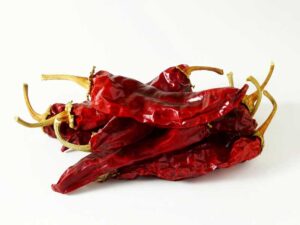
Anaheim and Big Jim
Large-fruited chillies with relatively gentle heat, suitable for roasting, stuffing and cooking in larger quantities.
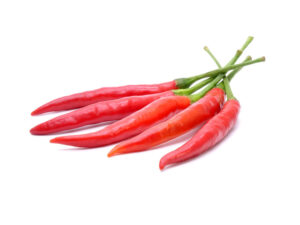
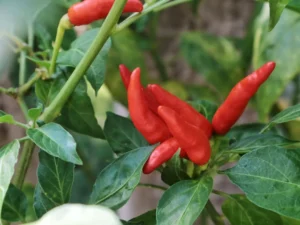







Chilli seed buying and growing guide
Chillies are warm-season fruiting plants grown for their distinctive flavours and wide range of heat levels. Varieties can differ considerably in fruit size, colour, shape, maturity, plant habit and pungency, ranging from relatively mild cooking chillies to exceptionally hot varieties intended for experienced growers and specialist uses.
Seedmart supplies chilli seeds in Australia for backyard gardeners, container growers, market gardeners and commercial producers. The range includes familiar varieties such as Jalapeño, Anaheim, Serrano, Thai Hot and Habanero, together with unusual and very hot chillies such as Tepin and Carolina Reaper.
The best chilli seed will depend on the level of heat you prefer, your intended kitchen use, local growing conditions, available space and whether you want fresh fruit, drying varieties, pickling chillies or highly pungent fruit for sauces.
Chillies thrive in warm, sunny conditions and can continue producing fruit for an extended period.
Choose from relatively mild cooking chillies through to pungent Habaneros and extremely hot varieties.
Chilli fruit may mature through green, red, yellow, orange and other colours, depending on the variety.
Grow chilli plants in vegetable beds, raised gardens, greenhouses or suitably sized pots.
Use chillies fresh or prepare them for sauces, pickles, marinades, drying, flakes and powders.
Choose smaller packs for home growing or larger quantities on selected varieties for frequent production.
Chilli varieties should be selected by more than heat alone. Fruit size, wall thickness, plant productivity, flavour, maturity and intended use all influence which variety will perform best for you.
| Growing Goal | Recommended Varieties | Why Choose Them? |
|---|---|---|
| Mild cooking chilli | Anaheim and Big Jim | Produce relatively large fruit with manageable heat for roasting, stuffing and everyday cooking. |
| Pickling and fresh salsa | Jalapeño | Thick-walled fruit with moderate heat and broad kitchen versatility. |
| Medium to hot flavour | Serrano and Thai Hot | Useful for sauces, curries, stir-fries, pickles and fresh cooking where noticeable heat is wanted. |
| Fruity, intense heat | Red or yellow Habanero | Combines high pungency with a distinctive fruity aroma suited to hot sauces and marinades. |
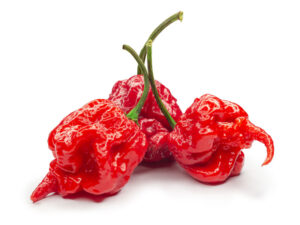
| Extreme heat | Carolina Reaper | Intended for experienced growers seeking exceptionally pungent fruit. |
| Small, traditional fruit | Tepin | Produces small, hot fruit associated with wild and traditional chilli types. |
| Drying and powder | Paprika, Kashmiri and other thin-walled varieties | Suitable for drying where colour, flavour and manageable moisture content are priorities. |
| Container growing | Compact or moderately sized productive varieties | Can perform well in large pots when sunlight, moisture and nutrition are managed carefully. |
Chilli heat is produced mainly by capsaicinoids concentrated in the pale internal tissue surrounding the seeds. Heat is commonly expressed in Scoville Heat Units, abbreviated as SHU.
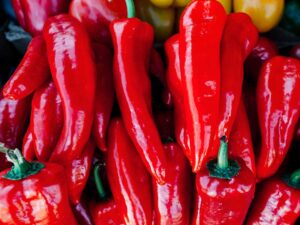
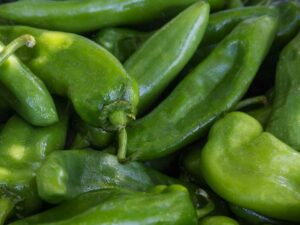
Large-fruited chillies with relatively gentle heat, suitable for roasting, stuffing and cooking in larger quantities.
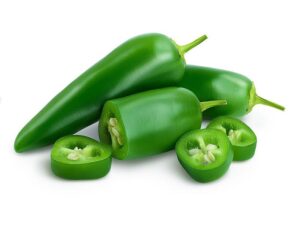
A widely used chilli with noticeable but generally manageable heat and thick, versatile fruit.
These varieties provide stronger heat for salsas, curries, stir-fries, sauces and pickling.
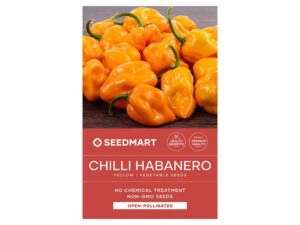
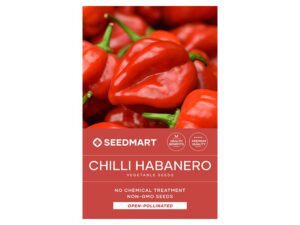
Habaneros combine intense heat with a recognisable fruity aroma and flavour.
An exceptionally hot chilli intended for careful handling and specialist use.
A small-fruited chilli valued for its concentrated heat and distinctive traditional character.
Chilli heat can vary. Scoville ratings are general variety ranges rather than a guaranteed measurement for every fruit. Temperature, water stress, maturity and growing conditions can influence pungency.
The Scoville scale is used to describe the pungency of chillies and products made from them. A higher Scoville Heat Unit rating indicates a greater concentration of heat-producing capsaicinoids.
| General Heat Category | Indicative Scoville Range | Example Chilli Types |
|---|---|---|
| Mild | Below approximately 5,000 SHU | Anaheim, Big Jim and some Paprika types |
| Medium | Approximately 2,500–15,000 SHU | Jalapeño and some Serrano fruit at the lower end |
| Hot | Approximately 10,000–100,000 SHU | Serrano, Thai Hot, Tepin and similar varieties |
| Very hot | Approximately 100,000–500,000 SHU | Habanero types |
| Extremely hot | Above approximately 500,000 SHU | Super-hot varieties such as Carolina Reaper |
Heat ranges overlap and can vary between seed sources, strains and growing conditions. Check the individual product description for the expected characteristics of each variety.
Chillies require warm soil and a long growing season. The ideal sowing time depends on local frost risk, nighttime temperatures and whether controlled warmth can be provided during germination.
| Australian Climate | General Sowing Approach | Important Considerations |
|---|---|---|
| Tropical | Sow during warm conditions while avoiding periods of severe heat, waterlogging or prolonged heavy rain. | Good airflow, drainage and pest management are particularly important. |
| Subtropical | Start seed from late winter into spring, with further sowings possible during the warm season. | Protected propagation may be needed during cool nights. |
| Temperate | Start seed indoors or under protection before spring, then transplant after frost risk has passed. | An early protected start provides more time for plants to flower and mature fruit. |
| Cool temperate | Sow indoors, in a heated greenhouse or with bottom heat before outdoor conditions become suitable. | Select a warm, sheltered position and avoid transplanting into cold soil. |
| Arid and inland | Sow after frost risk has declined and reliable warmth is available. | Protect plants from extreme heat, drying winds and irregular moisture. |
These planting periods are general guides. Local frost dates, elevation, seasonal weather and protected growing systems can alter the best sowing time.
Chilli seed germinates most reliably in warm seed-raising mix. Cold conditions can substantially delay or prevent emergence.
Keep the growing medium evenly moist without leaving it saturated. Waterlogging reduces oxygen around the seed.
Sow approximately 5 mm deep or follow the directions supplied for the individual variety.
Some chilli varieties, particularly very hot types, can be slower and less uniform to germinate than common vegetables.
How long do chilli seeds take to germinate? Many chilli seeds emerge within approximately 7–21 days under warm, stable conditions. Habanero, Tepin and super-hot varieties may take longer.
Avoid cold, saturated seed-raising mix. Insufficient warmth and excessive moisture are common causes of slow, uneven or unsuccessful chilli germination.
Chillies are well suited to containers when each plant has adequate root space, drainage, light and nutrition.
Potted chilli plants can dry out quickly and require closer moisture and nutrient management than plants growing in open soil.
Can chillies grow in pots? Yes. Many chilli varieties perform well in large, free-draining containers. Restricted roots, inconsistent watering and insufficient sunlight are the most common limitations.
There is no fixed watering schedule suitable for every chilli plant. Water use changes with temperature, wind, soil type, plant size, container size and fruit load.
| Growing Situation | Watering Approach | What to Avoid |
|---|---|---|
| Young seedlings | Keep the growing medium lightly and evenly moist. | Waterlogging, strong watering and complete drying. |
| New transplants | Water thoroughly after planting and monitor closely while roots establish. | Allowing the root ball to dry before roots enter the surrounding soil. |
| Established garden plants | Water deeply when the upper soil begins to dry. | Frequent shallow watering that encourages a limited root system. |
| Potted chilli plants | Check frequently because containers can dry rapidly. | Leaving pots saturated or allowing repeated severe wilting. |
| Flowering and fruiting plants | Maintain relatively consistent moisture to support fruit development. | Large fluctuations that can contribute to flower drop or fruit disorders. |
Chilli plants generally perform best in full sun, with approximately six to eight hours of direct light supporting compact growth, flowering and fruit development.
In very hot inland or tropical conditions, protection from severe afternoon heat may help reduce leaf scorch, flower drop and fruit damage. Excessive shade, however, can result in weak growth and reduced flowering.
Chilli plants do not require heavy pruning to produce fruit. Removing damaged, diseased or overcrowded growth can improve plant structure and airflow, while light shaping may help manage plants grown in pots or protected systems.
Pruning does not automatically increase yield. Plant health, sunlight, root space, variety, pollination and consistent nutrition usually have a greater influence on production.
Most chillies can be picked once they reach their mature size, either while green or after developing their final colour. The best harvest stage depends on the variety and intended use.
| Harvest Stage | General Characteristics | Why Harvest Then? |
|---|---|---|
| Full-sized green fruit | Firm fruit with fresh, less-developed flavour. | Provides an earlier harvest and may encourage continued flowering. |
| Partially coloured fruit | Fruit has begun changing towards its mature colour. | Provides a balance between earlier picking and developed flavour. |
| Fully coloured fruit | Fruit has reached the mature colour associated with the variety. | Often preferred for drying, sauces, mature flavour and seed saving from suitable varieties. |
| Slightly softened or wrinkled fruit | Fruit has remained on the plant beyond peak fresh quality. | May still be useful for immediate processing or drying if sound and disease-free. |
Cut fruit from the plant using clean scissors or secateurs rather than pulling it forcefully. Leave a short section of stem attached where this suits storage or presentation.
Wear gloves when handling very hot chillies. Avoid touching your eyes, face or sensitive skin, and wash cutting boards, knives and other equipment thoroughly after use.
Many chilli fruits begin green and change to red, yellow, orange or another mature colour when left on the plant. The final colour depends on the variety.
Green and mature-coloured fruit from the same plant can differ in flavour, sweetness and heat. Fruit harvested green will not always develop the same colour or quality after picking as fruit ripened fully on the plant.
Chillies are naturally short-lived perennial plants in warm, frost-free conditions, but they are commonly grown as annual vegetables in cooler Australian climates.
Plants may survive for several seasons where they are protected from frost, waterlogging and severe cold. Productivity can decline with age, and older plants may accumulate pests or diseases.
Gardeners in suitable climates may keep established chilli plants through winter rather than starting again from seed. Success depends on variety, plant health and the level of cold protection available.
Overwintering is not always more productive than raising vigorous new plants. Retain only healthy specimens worth carrying into the following season.
The seed-raising mix may be too cold, too wet, too dry or heavily compacted. Maintain steady warmth, moisture and drainage.
Elongated seedlings generally require stronger and more even light.
Severe heat, cold nights, dry soil, waterlogging and excess nitrogen can interfere with flowering and fruit set.
Inspect curled growth for aphids, mites or other sap-sucking pests. Moisture stress and chemical damage can produce similar symptoms.
Blossom-end rot is commonly aggravated by irregular soil moisture that disrupts calcium movement within the plant.
Heat depends on genetics, maturity and growing conditions. Mild fruit may indicate an incorrectly identified variety or fruit harvested before full development.
Cool conditions, late planting, heavy fruit load and limited sunlight can slow colour development.
Fruit exposed suddenly to intense sun can develop pale, damaged patches. Healthy leaf cover helps protect developing chillies.
Smaller quantities suit gardeners growing several plants, comparing heat levels or trialling unfamiliar chilli varieties.
Larger seed quantities may suit growers producing substantial transplant numbers or supplying fresh and processed chilli markets.
Compare varieties as well as seed prices. Germination, plant size, fruit yield, harvest labour, maturity and market demand all influence the commercial value of a chilli crop.
Commercial chilli production requires careful selection of variety, planting window and target market. Seedling uniformity, harvest period, fruit specification, labour, pungency and post-harvest use all affect the real cost of production.
Even emergence helps create consistent transplant batches and simplifies crop establishment.
Select varieties by fruit size, colour, heat, wall thickness and intended market rather than yield alone.
Small-fruited varieties can require substantially more picking labour than large-fruited chillies.
Confirm whether customers require fresh green fruit, mature red fruit, specialist heat levels or chillies for processing.
Australian chilli seed availability can vary. Commercial growers should confirm stock, hybrid or open-pollinated status, required quantity and lead time before finalising planting schedules.
Sow chilli seeds approximately 5 mm deep in moist, free-draining seed-raising mix. Maintain a warm temperature, keep the mix evenly moist and provide strong light after germination. Harden seedlings gradually before transplanting them into fertile soil after frost risk has passed.
Many chilli seeds germinate within approximately 7–21 days under warm, consistent conditions. Habanero, Tepin and extremely hot varieties may take longer and emerge less uniformly.
A growing-medium temperature of approximately 22–30°C is generally suitable. Steady warmth is important, particularly for Habanero and super-hot chilli varieties.
Sow chilli seeds approximately 5 mm deep and cover them lightly with fine seed-raising mix. Avoid planting the seeds deeply into cold or compacted soil.
Sow one or two seeds in each cell or small pot. Where both germinate, retain the strongest seedling or separate them carefully before their roots become extensively entangled.
In temperate and cool regions, start chilli seed under protection before spring and transplant after frost danger has passed. In subtropical and tropical climates, sowing can be timed for warm conditions while avoiding severe heat, cold or prolonged heavy rain.
Chilli plants generally perform best with approximately six to eight hours of direct sunlight. Some protection from extreme afternoon heat may be beneficial in very hot climates.
Yes. Grow each plant in a large container with effective drainage and premium vegetable potting mix. Potted chillies require regular watering, feeding and strong sunlight.
Water when the upper soil begins to dry rather than following a rigid schedule. Maintain relatively consistent moisture during flowering and fruit development, but do not leave the roots waterlogged.
Chillies commonly require several months from sowing to harvest. Seedling production may take approximately six to ten weeks, followed by another two to four months before useful fruit is harvested, depending on variety and conditions.
Harvest once fruit reaches its mature size, either while green or after it develops its final colour. Pick regularly with clean scissors or secateurs to encourage continued production.
Some mature fruit may continue changing colour after picking, but flavour, sweetness and seed maturity generally develop most reliably when fruit is allowed to ripen on a healthy plant.
Not necessarily. Green and red fruit may come from the same plant at different maturity stages. Heat is determined mainly by the variety, individual fruit and growing conditions rather than colour alone.
Chilli plants are naturally short-lived perennials in warm, frost-free climates, but they are commonly grown as annual vegetables in cooler parts of Australia.
No heavy pruning is normally required. Remove dead, damaged or diseased growth and lightly shape dense or overwintered plants where necessary.
Flower drop can be caused by temperature extremes, moisture stress, excess nitrogen, poor light or failure of pollination. Maintain steady growing conditions and avoid overfeeding with nitrogen.
Chilli heat is produced by capsaicinoids concentrated mainly in the pale internal tissue surrounding the seeds. The amount present is influenced strongly by variety and can also vary with maturity and growing conditions.
Yes. Tomatoes and chillies have similar light, soil and temperature requirements. Because both belong to the Solanaceae family and share several pests and diseases, provide adequate spacing and rotate crops where practical.
Seed can be saved from fully mature fruit of suitable open-pollinated varieties. Chillies may cross-pollinate with compatible varieties, and seed collected from F1 hybrids will not necessarily reproduce the parent variety accurately.
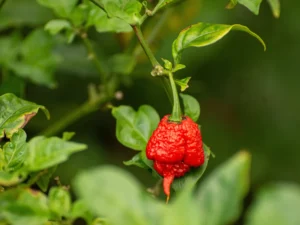
Carolina Reaper is the most extremely hot variety currently displayed in the Seedmart chilli category. It should be grown, harvested and prepared with considerable care.
Chilli seed for Australian growers
Seedmart supplies chilli seed for home gardens, container growing, market gardens and commercial production. The range includes mild, medium, hot and extremely hot varieties, with larger pack sizes available for selected lines.
Review the individual product pages for pack options, expected heat, hybrid or open-pollinated status and variety-specific growing information before ordering.