

Carolina Reaper Chilli Seeds
Botanical Name: Capsicum chinense
- Packet Size: Approx. 25 seeds.
- One of the hottest chilli varieties in the world.
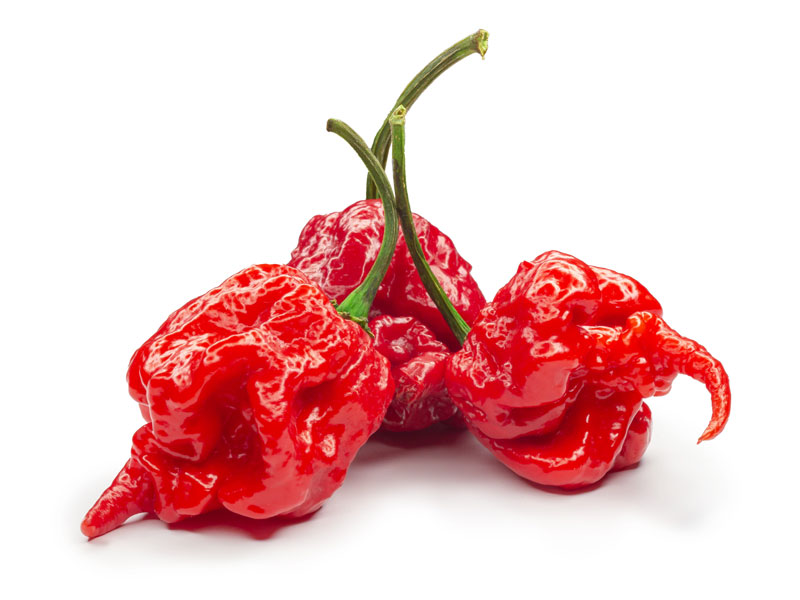
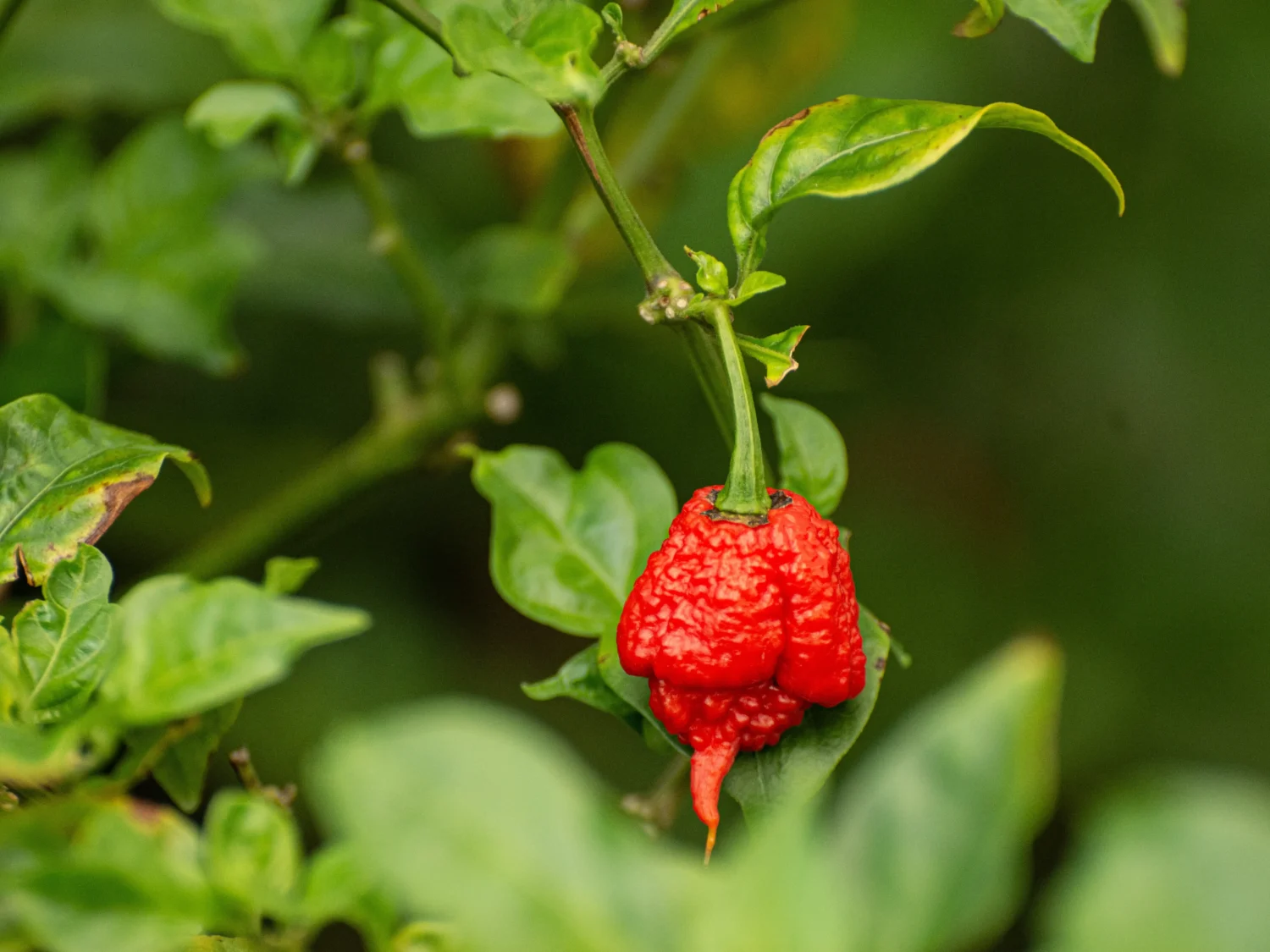
- Produces distinctive red, heavily wrinkled fruit with a pointed “reaper” tail.
- Exceptional heat with a fruity, slightly sweet flavour beneath the intensity.
- Vigorous, productive plants suitable for garden beds and large containers.
- Ideal for experienced chilli growers, hot sauces, dried chilli powder and extremely spicy recipes.
Grow one of the world’s most famous superhot chillies with our Carolina Reaper chilli seeds. Developed from Capsicum chinense breeding lines, Carolina Reaper is renowned for its extreme heat, deeply wrinkled skin and characteristic pointed tail.
The mature fruit is generally bright red and relatively small, but its appearance understates its intensity. Carolina Reaper chillies have been recorded at more than two million Scoville Heat Units under testing conditions, placing them far beyond common varieties such as Jalapeño, Cayenne and Habanero.
Despite its formidable reputation, Carolina Reaper is not simply hot. Fully ripened fruit can have a fruity, slightly sweet flavour before the heat develops. This combination makes it popular with experienced growers and producers of intensely hot sauces, chilli flakes, powders, marinades and condiments.
Carolina Reaper plants require a long, warm growing season and generally take longer to germinate and mature than ordinary chilli varieties. Starting the seeds early, maintaining consistently warm germination conditions and protecting young seedlings from cold temperatures will produce the best results.
Important Safety Warning: Carolina Reaper fruit contains extremely concentrated capsaicin. Wear disposable gloves when harvesting, cutting or processing the chillies. Avoid touching your eyes, face or skin, and keep the fruit away from children and pets. Do not consume the seeds themselves.
Carolina Reaper Plant Characteristics
- Plant Type: Warm-season, frost-tender perennial, commonly grown as an annual.
- Plant Height: Approximately 80–120 cm.
- Plant Width: Approximately 60–90 cm under favourable conditions.
- Fruit Colour: Green when immature, ripening to bright or deep red.
- Fruit Shape: Small, heavily wrinkled and irregular, often with a pronounced pointed tail.
- Heat Level: Extreme.
- Position: Full sun.
- Growing Method: Suitable for garden beds, greenhouses and large containers.
How Hot Is a Carolina Reaper?
Carolina Reaper is an exceptionally hot chilli that can exceed 1,500,000 Scoville Heat Units, with individual fruit capable of reaching substantially higher levels. Heat can vary between plants and fruit according to genetics, temperature, water availability, maturity and general growing conditions.
The following table provides a general comparison between Carolina Reaper and several familiar chilli varieties.
| Chilli Variety | Approximate Heat Range | Heat Category |
|---|---|---|
| Jalapeño | 2,500–8,000 SHU | Mild to medium |
| Cayenne | 30,000–50,000 SHU | Hot |
| Habanero | 100,000–350,000 SHU | Very hot |
| Ghost Pepper | Approximately 800,000–1,000,000+ SHU | Superhot |
| Carolina Reaper | Approximately 1,500,000–2,200,000+ SHU | Extreme superhot |
Scoville figures are approximate. The heat of individual fruit can vary according to genetics, maturity and growing conditions.
When to Sow Carolina Reaper Seeds in Australia
- Temperate Climates: Sow indoors from late winter to early spring using a heated propagator or heat mat. Transplant outdoors after frost risk has passed and overnight temperatures have become reliably warm.
- Subtropical Climates: Sow from late winter through spring. Seedlings may also be started during warm autumn conditions where plants can be protected through winter.
- Tropical Climates: Sow during the drier and less humid part of the year. Protect young plants from prolonged heavy rain and waterlogged soil.
- Cool Climates: Start seeds early indoors with controlled warmth. Grow plants in the warmest available position, greenhouse or large movable container.
Carolina Reaper Germination Guide
- Sowing Depth: 5–8 mm.
- Ideal Germination Temperature: 25–30°C.
- Expected Germination Time: Commonly 14–28 days, although some seeds may take longer.
- Sow Where: Seedling trays, small pots or propagation cells.
- Growing Medium: Fine, free-draining seed-raising mix.
- Moisture: Keep evenly moist, but never saturated.
Superhot chilli seeds can be slower and less uniform to germinate than common garden chillies. Consistent warmth is particularly important. A thermostatically controlled propagation mat can help maintain the stable root-zone temperature required for germination.
Sow the seeds into damp seed-raising mix and cover lightly. Do not bury them too deeply. Place the tray in a warm position and prevent the growing medium from drying out, while ensuring excess water can drain freely. Once seedlings emerge, provide bright light immediately to prevent weak, elongated growth.
Transplanting Carolina Reaper Seedlings
Transplant seedlings after they have developed several sets of true leaves and are large enough to handle without damaging the stems or roots. Harden them off gradually before moving them into exposed outdoor conditions.
Carolina Reaper seedlings are sensitive to cold. Avoid transplanting merely because daytime weather is warm if overnight temperatures remain low. Chilling can stall young plants and considerably delay their establishment.
- Plant Spacing: 50–70 cm apart.
- Row Spacing: Approximately 70–90 cm.
- Container Size: Use a container of at least 20–30 litres for each mature plant.
Soil, Position and Watering
Choose a warm, sunny location receiving at least six hours of direct sunlight each day. Carolina Reaper plants perform best in fertile, well-drained soil with a slightly acidic to neutral pH of approximately 6.0–6.8.
Improve poor soil before planting by incorporating mature compost or well-rotted organic matter. Avoid planting into dense soil that remains wet after irrigation or rain, as chilli roots are vulnerable to waterlogging.
Water deeply enough to moisten the root zone, then allow the upper surface of the soil to begin drying before watering again. Irregular watering can stress plants and may contribute to flower or fruit drop. Applying mulch around established plants helps moderate soil temperature and retain moisture, but keep mulch away from the main stem.
Feeding and Ongoing Care
Use a balanced fertiliser while plants are establishing. Once flowering begins, avoid excessive nitrogen, which can encourage lush foliage at the expense of flowers and fruit. A fertiliser suitable for tomatoes, capsicums or fruiting vegetables can be used according to its label directions.
- Protect young plants from cold winds and sudden temperature changes.
- Maintain consistent watering during flowering and fruit development.
- Stake or support plants if branches become heavily laden with fruit.
- Check regularly for aphids, mites, whitefly and other sap-sucking pests.
- Avoid overhead watering late in the day, particularly in humid conditions.
Flowering, Pollination and Fruit Set
Carolina Reaper flowers are self-fertile and can produce fruit without another chilli variety nearby. Outdoor movement, wind and insects generally provide sufficient pollination. Plants grown inside a greenhouse or enclosed area may benefit from gently tapping the stems or flowers to release pollen.
Extreme temperatures can interrupt fruit set. Flowers may drop during very hot weather, cold nights or periods of moisture stress. Healthy plants generally resume flowering once conditions improve.
How Long Does Carolina Reaper Take to Grow?
Carolina Reaper is a long-season chilli. Allow approximately 120–150 days from sowing to mature red fruit, although timing depends heavily on temperature, sowing date and local climate. Plants grown in cool conditions may take longer.
The fruit first develops green and gradually ripens to red. For maximum flavour, heat and seed maturity, leave the chillies on the plant until they have reached their full colour.
Harvesting Carolina Reaper Chillies
Harvest mature fruit using clean scissors or secateurs rather than pulling it from the plant. This reduces the risk of breaking branches. Always wear disposable gloves and avoid touching exposed skin, your eyes or your face.
Fresh Carolina Reaper chillies can be used in extremely small quantities. They may also be dried and ground into powder, fermented into hot sauce or frozen for later use. Exercise particular caution when cutting, blending, dehydrating or cooking superhot chillies, as capsaicin can transfer to utensils and surfaces and may become airborne during processing.
Can Carolina Reaper Plants Survive Winter?
Carolina Reaper is botanically a short-lived perennial, but it is frost tender. In warm, frost-free climates, healthy plants may survive and produce for more than one season. In cooler regions, plants are generally grown as annuals or overwintered in protected containers.
Container-grown plants can be pruned lightly and moved into a sheltered, brightly lit position before cold weather arrives. Reduce watering during slow winter growth, but do not allow the root ball to dry out completely.
Common Carolina Reaper Growing Problems
Seeds Are Slow to Germinate
The most common cause is insufficient or fluctuating warmth. Maintain a soil temperature of approximately 25–30°C and allow adequate time. Avoid repeatedly disturbing the growing medium to check the seeds.
Seedlings Are Tall and Weak
This generally indicates inadequate light. Move newly emerged seedlings into a brighter position or provide a suitable grow light while maintaining gentle air movement.
Flowers Drop Without Producing Fruit
Flower drop may be caused by extreme temperatures, irregular watering, excessive nitrogen or low pollination inside enclosed growing areas. Correct the underlying conditions and the plant will often resume fruit production.
Leaves Turn Yellow
Yellow foliage can indicate overwatering, poor drainage, nutrient imbalance, cold stress or pest activity. Check the soil moisture and drainage before applying additional fertiliser.
Frequently Asked Questions
Are Carolina Reaper chillies difficult to grow?
They are not inherently difficult, but they require more patience than ordinary chilli varieties. Their primary requirements are consistent germination warmth, a long growing season, strong light and protection from cold temperatures.
How long do Carolina Reaper seeds take to germinate?
Germination commonly takes 14–28 days at an ideal soil temperature of 25–30°C. Some viable seeds may take longer, especially when temperatures fluctuate.
Can Carolina Reaper be grown in a pot?
Yes. Use a free-draining potting mix and a container holding at least 20–30 litres. Larger containers provide more stable soil moisture and greater room for root development.
Is Carolina Reaper hotter than Ghost Pepper?
Carolina Reaper is generally substantially hotter than Ghost Pepper. Ghost Pepper commonly measures around one million Scoville Heat Units, while Carolina Reaper can exceed two million units.
Can you eat Carolina Reaper chillies?
Carolina Reaper fruit is edible, but it is exceptionally hot and must be handled and used with extreme caution. It is generally incorporated into food in very small quantities rather than eaten whole.
Does Carolina Reaper need another plant for pollination?
No. Carolina Reaper flowers are self-fertile. However, gentle plant movement and pollinating insects can assist pollination and improve fruit set.
How many chillies will one Carolina Reaper plant produce?
Production varies considerably with plant size, climate and care. A mature, healthy plant grown through a long warm season can produce many fruit over an extended harvest period.
When are Carolina Reaper chillies ready to harvest?
Harvest when the fruit has developed its mature red colour. Green fruit is immature and has not reached its full flavour, heat or seed maturity.
Explore more varieties and compare different chilli heat levels in our Ultimate Guide to Chilli Varieties, covering chilli selection, sowing, cultivation and harvesting in Australian conditions.
Reviews
There are no reviews yet.