
Bean ‘Climbing Vitalis’ Vegetable Seeds
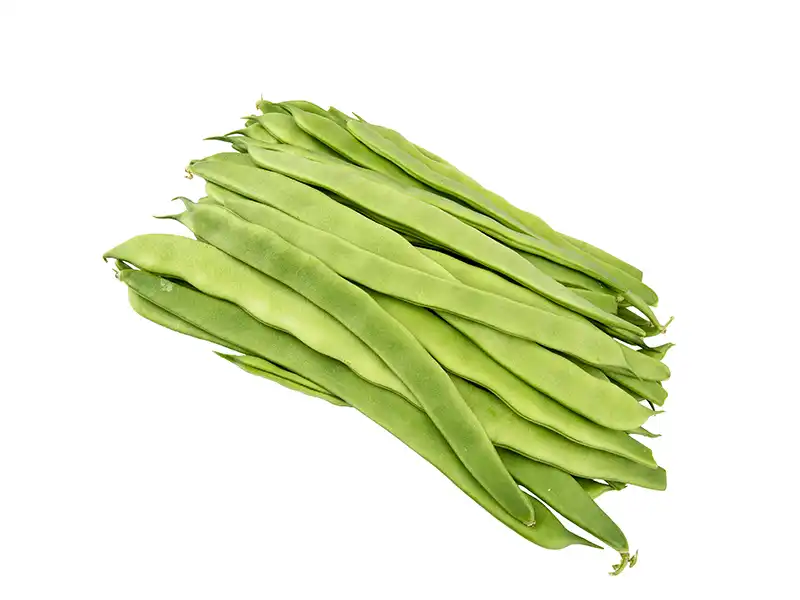
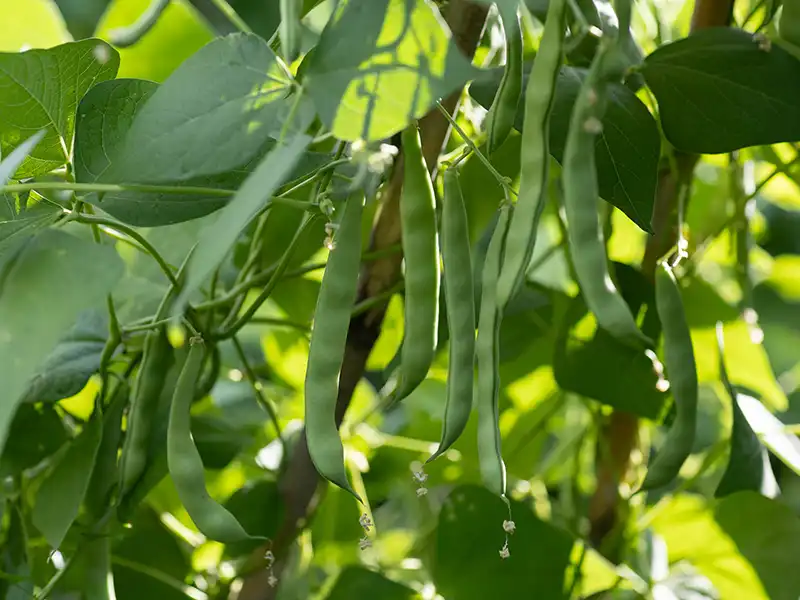
A commercial-quality European-style flat climbing bean for fresh-market production, market gardens and small-scale farms. Vitalis Bean (Phaseolus vulgaris) is a vigorous climbing variety producing long, flat, dark green pods with a tender, fleshy texture and excellent fresh-market presentation.
Vitalis typically grows to approximately 2 metres with suitable support and is suitable for both outdoor and protected production. The broad, flat pods are generally around 20–22 cm long and approximately 2 cm wide, providing a distinctive alternative to conventional round green beans.
The variety is particularly suited to growers supplying fresh produce markets, restaurants, produce boxes and specialist vegetable channels. Pods are best harvested while young, smooth and tender, before seed development becomes prominent.
Vitalis Bean Seed Details
| Botanical name | Phaseolus vulgaris |
|---|---|
| Variety | Vitalis |
| Bean type | European / Roma-style climbing flat bean |
| Plant type | Warm-season annual climbing bean |
| Plant height | Approximately 2 m with support |
| Pod type | Long, flat, fleshy green bean |
| Pod colour | Dark to bright green |
| Pod size | Approximately 20–22 cm long × 2 cm wide |
| Disease resistance | Bean Common Mosaic Virus (BCMV:1) |
| Position | Full sun; suitable for outdoor or protected production |
| Sowing depth | Approximately 2–3 cm |
| Harvest | Approximately 60–75 days from direct sowing, depending on conditions |
Why Grow Vitalis Beans?
- Commercial European-style climbing flat bean developed for fresh-market production.
- Long, broad green pods with a distinctive flat shape and strong fresh-market presentation.
- Tender, fleshy pods suitable for harvesting as a premium fresh bean.
- Well suited to market gardens, small-scale farms and specialist vegetable production.
- Suitable for both outdoor and protected cropping systems.
- Vertical growth makes productive use of growing area where trellising infrastructure is available.
- Documented resistance to Bean Common Mosaic Virus (BCMV:1).
- Repeated harvesting provides growers with an extended fresh-market picking window while conditions remain favourable.
How to Grow Vitalis Beans from Seed
Vitalis is a warm-season climbing bean that performs best in full sun, warm soil and well-drained growing conditions. It can be grown outdoors or under protected cropping systems and is generally direct sown once soil temperatures have warmed and frost risk has passed.
- Select the production site.
Choose a sunny, well-ventilated position with sufficient space for trellising and convenient access for repeated harvesting. Vitalis can also be grown under suitable protected cropping structures. - Prepare well-drained soil.
Beans perform best in fertile, well-drained soil. A soil pH around 6.0–7.0 is generally suitable. Avoid poorly drained ground where seed and young roots may be susceptible to rotting. - Install the support system.
Provide strong trellising, netting, vertical mesh or wire-supported systems capable of supporting vigorous climbing plants. Installing supports before or shortly after sowing reduces disturbance to established crops. - Direct sow the seed.
Sow approximately 2–3 cm deep once soil has warmed. Avoid planting into cold or saturated soil, which can reduce emergence and increase the risk of seed decay. - Use suitable commercial spacing.
Approximately 10–15 cm between established plants is suitable as a general guide for trellised production. Row spacing should be adjusted according to trellis design, production system and the access required for crop management and harvesting. - Maintain consistent moisture.
Maintain even soil moisture during establishment, flowering and pod development. Avoid prolonged moisture stress as well as waterlogged conditions. - Manage nutrition carefully.
Beans are legumes and can obtain nitrogen through biological nitrogen fixation when effectively nodulated. Avoid excessive nitrogen applications that promote excessive vegetative growth at the expense of pod production. - Harvest regularly.
Pick pods while they are young, green, flat and tender. Regular harvesting helps maintain consistent market quality and encourages continued pod production.
When to Plant Vitalis Bean Seeds in Australia
Vitalis is a frost-tender, warm-season bean. Planting should be based primarily on soil temperature, frost risk and local production conditions rather than calendar dates alone.
| Climate | General Sowing Guide |
|---|---|
| Tropical | Grow during suitable warm production periods; avoid periods of excessive heat, prolonged heavy rainfall or high disease pressure |
| Subtropical | Late winter through spring and during suitable warm-season periods in frost-free locations; avoid extreme summer heat and humidity |
| Temperate | Spring through early summer after frost danger has passed and soil has warmed |
| Cool / frost-prone | Late spring to early summer after the final frost; sow once soil temperatures are consistently warm |
| Arid / inland | Plant during frost-free periods with reliable irrigation, avoiding establishment during extreme heat |
For commercial production, staggered sowings can help extend the supply period where seasonal conditions allow. Protected cropping may provide additional flexibility for growers targeting specific production windows.
Vitalis for Market Garden & Small-Farm Production
Vitalis is particularly relevant to growers seeking a climbing bean with a differentiated pod type. Rather than producing the narrow, round pods associated with many conventional green beans, Vitalis produces broad, flat pods characteristic of European or Roma-style beans.
Commercial descriptions place the pods at approximately 20–22 cm long and around 2 cm wide. Their substantial size, dark green colour and fleshy texture make them suitable for fresh-market presentation and specialist vegetable sales.
The variety is suitable for both protected and outdoor production, allowing market growers to incorporate it into different production systems. Its climbing growth also allows vertical use of growing space, although this requires suitable trellis infrastructure.
As with other climbing beans, growers should account for the labour involved in trellising and repeated harvesting. Vitalis is therefore particularly suited to fresh-market, restaurant, farm-gate and other higher-value production systems where its distinctive pod type can be marketed effectively.
Trellising Vitalis Beans
Vitalis is a climbing bean and requires a suitable support structure for efficient commercial production. Trellis netting, vertical mesh, poles or wire-supported systems can be used.
Plants typically reach approximately 2 metres, so supports around 1.8–2.4 metres high are generally appropriate. Establishing the trellis before or shortly after crop emergence allows vines to climb naturally without becoming tangled along the ground.
For commercial rows, allow sufficient working space for irrigation, crop monitoring and repeated harvesting. Maintaining good airflow through the crop is particularly important in protected or humid growing environments.
Harvesting Vitalis Beans
Vitalis generally begins producing harvestable pods approximately 60–75 days from direct sowing, although maturity varies with temperature, production system, planting date and crop management.
For fresh-market production, harvest pods while they are green, flat, smooth and tender. Mature marketable pods are generally around 20–22 cm long and approximately 2 cm wide, although growers may harvest somewhat younger depending on the required grade and market.
Premium fresh-market stage: Pick pods before developing seeds become prominent. Younger pods provide the most desirable tenderness, appearance and eating quality.
Harvest frequency: Inspect productive crops regularly and pick every few days as required. Frequent harvesting helps maintain consistent grading and encourages continued pod production.
Post-harvest handling: Protect harvested beans from heat and moisture loss. Move pods out of direct sun promptly and cool as soon as practical where appropriate to the production and marketing system.
Market Uses for Vitalis Beans
Vitalis is primarily suited to fresh-market production where its large, flat European-style pods provide a point of difference from conventional round green beans.
- Fresh market: Large, flat green pods provide a distinctive fresh bean for direct produce sales.
- Farmers’ markets: The unusual broad pod shape can provide differentiation from standard round green beans.
- Produce boxes: Suitable for diversified growers wanting to include a European-style seasonal bean in vegetable boxes.
- Restaurant supply: Particularly relevant to chefs and food-service customers seeking flat or Roma-style green beans.
- Specialty retail: Suitable for growers supplying independent grocers, farm shops and specialty produce outlets.
- Freezing: Young, tender pods can also be used for freezing and other processing applications.
Frequently Asked Questions
What is Vitalis Bean?
Vitalis is a climbing flat bean variety of Phaseolus vulgaris. It produces long, broad green pods characteristic of European or Roma-style flat beans.
Is Vitalis a climbing or bush bean?
Vitalis is a climbing bean. Plants require trellising, netting, poles or another suitable vertical support system.
What type of bean is Vitalis?
Vitalis is a European-style flat green bean, also commonly described as a Roma-style or continental-type climbing bean. Its pods are substantially broader and flatter than conventional round green beans.
How tall does Vitalis Bean grow?
Vitalis typically reaches approximately 2 metres under suitable growing conditions and should be provided with strong vertical support.
How large are Vitalis bean pods?
Commercial variety descriptions generally place the pods at approximately 20–22 cm long and around 2 cm wide.
What colour are Vitalis beans?
Vitalis produces attractive dark to bright green pods with a broad, flat shape.
Are Vitalis beans stringless?
Vitalis is commonly described as producing stringless pods. For the best eating quality, pods should still be harvested while young and tender.
How long does Vitalis take to harvest?
Harvest generally begins approximately 60–75 days after direct sowing under suitable conditions. Temperature, planting date and production system can influence maturity.
Does Vitalis Bean require a trellis?
Yes. Vitalis is a climbing variety and should be grown on a strong trellis, netting, poles or another vertical support system.
How far apart should Vitalis beans be planted?
Approximately 10–15 cm between established plants is a useful general guide for trellised production. Row spacing should be adjusted according to trellis design, crop-management requirements and harvesting access.
Can Vitalis be grown under protected cropping?
Yes. Commercial variety information lists Vitalis as suitable for both protected and outdoor production.
Does Vitalis have disease resistance?
Vitalis has documented resistance to Bean Common Mosaic Virus (BCMV:1). Australian listings also commonly describe the variety as resistant to anthracnose.
Is Vitalis suitable for commercial growers?
Yes. Vitalis is particularly suited to market gardens, small-scale farms and specialist vegetable growers supplying fresh markets, restaurants, produce boxes and other direct-market channels. Its broad, flat pods provide a differentiated product compared with conventional round green beans.
How often should Vitalis beans be harvested?
Productive crops should be inspected and harvested regularly, generally every few days as required. Frequent picking helps maintain consistent pod quality and continued production.
Where can I buy Vitalis Bean seeds in Australia?
Seedmart supplies Vitalis climbing bean seed for Australian growers, including market gardeners, small-scale farms and commercial vegetable producers seeking a European-style flat green bean.
Reviews
There are no reviews yet.