

Bean ‘Climbing Purple King’ Vegetable Seeds
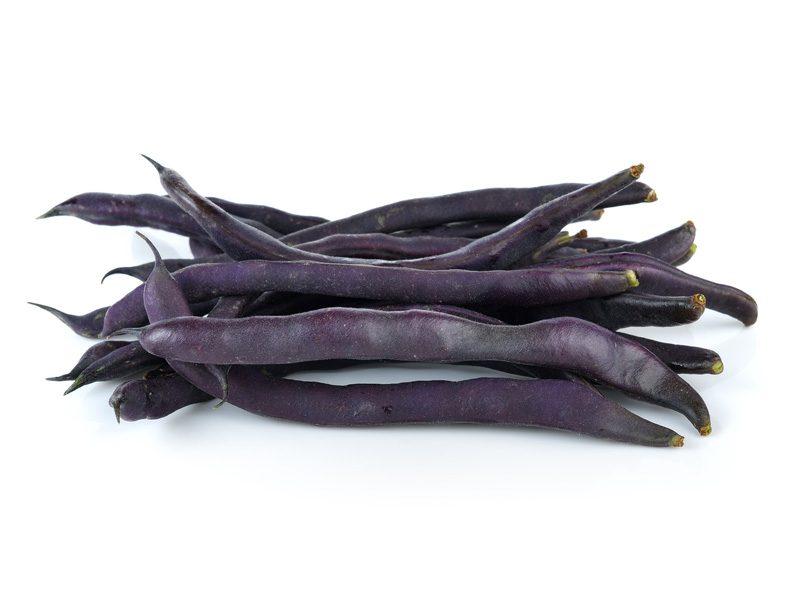
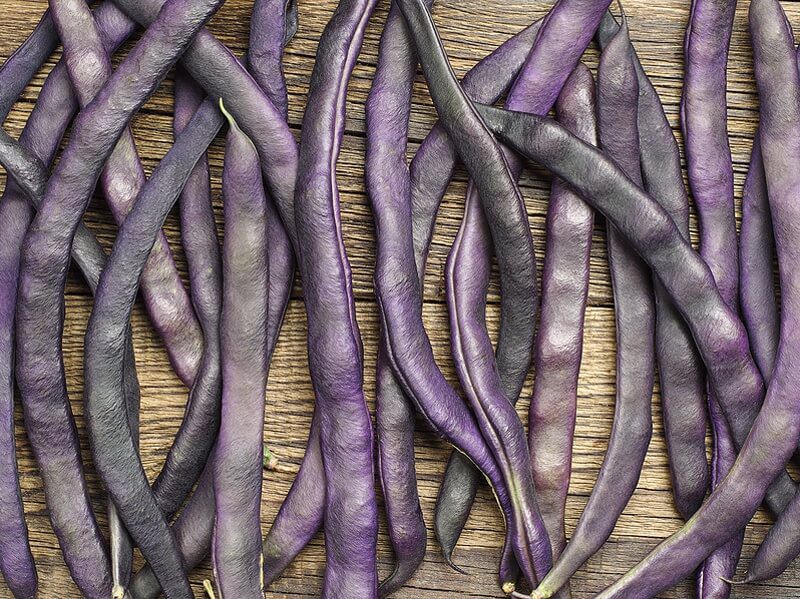
A productive purple climbing bean for market gardens, small-scale farms and specialty fresh-market vegetable production. Purple King Bean (Phaseolus vulgaris) is a vigorous climbing variety producing distinctive dark purple pods that provide strong visual contrast against the green foliage.
The straight to slightly flattened pods grow to approximately 17–18 cm under suitable conditions and are best harvested while young and tender. Their deep purple colour provides a point of difference for farmers’ markets, produce boxes, farm-gate sales and other fresh-market channels. The purple colour changes to green during cooking.
Purple King crops over an extended period rather than producing a single concentrated harvest. For commercial growers, this provides an ongoing supply from the same planting, although the crop requires strong trellising and regular hand harvesting to maintain consistent pod size and market quality.
Purple King Bean Seed Details
| Botanical name | Phaseolus vulgaris |
|---|---|
| Variety | Purple King |
| Plant type | Warm-season annual climbing bean |
| Plant height | Approximately 2–2.5 m with support |
| Pod type | Straight to slightly flattened purple climbing bean |
| Pod colour | Deep purple; turns green when cooked |
| Pod length | Approximately 17–18 cm under suitable conditions |
| Position | Full sun |
| Sowing depth | Approximately 2–3 cm |
| Harvest | Approximately 65–75 days from direct sowing, depending on growing conditions |
Why Grow Purple King Beans?
- Produces distinctive deep-purple pods with strong fresh-market visual appeal.
- Productive climbing variety with an extended harvest period.
- Well suited to market gardens, small-scale farms and diversified vegetable production.
- Purple pods contrast strongly against green foliage, making marketable pods relatively easy to identify during picking.
- Vertical growth makes productive use of growing area where trellising infrastructure is available.
- Distinctive pod colour provides differentiation for farmers’ markets, produce boxes and farm-gate sales.
- Pods turn green when cooked, providing an additional point of interest for customers.
- Regular harvesting supports continued pod production while growing conditions remain favourable.
How to Grow Purple King Beans from Seed
Purple King is a frost-tender, warm-season climbing bean that performs best in full sun, warm soil and fertile, well-drained growing conditions. For commercial production, beans are generally best direct sown into their final position once frost risk has passed and soil temperatures are suitable for rapid germination.
- Select a sunny production site.
Choose a position receiving full sun with sufficient space for trellising, irrigation and repeated harvesting. Row orientation and access should be considered before planting larger blocks. - Prepare fertile, well-drained soil.
Purple King performs best in well-drained soil with adequate fertility and organic matter. A soil pH around 6.0–7.0 is generally suitable for climbing beans. Avoid poorly drained sites where seed and young roots may be susceptible to rotting. - Install the trellis system.
Provide strong trellis netting, mesh, poles or wire-supported infrastructure capable of carrying vigorous climbing vines. Installing supports before or immediately after sowing minimises disturbance once plants are established. - Direct sow the seed.
Sow approximately 2–3 cm deep once soil conditions are warm. Avoid sowing into cold, saturated ground, as bean seed can deteriorate before emergence under unsuitable conditions. - Use suitable commercial spacing.
Approximately 10–20 cm between established plants is a useful general guide for trellised rows. Row spacing of around 1 metre may be suitable, but should be adjusted according to the trellis system, equipment and picking access required. - Maintain consistent moisture.
Provide reliable moisture during establishment, flowering and pod development. Avoid severe moisture stress, but ensure the root zone remains well drained. - Manage nutrition appropriately.
Beans are legumes capable of obtaining nitrogen through biological nitrogen fixation when effectively nodulated. Avoid excessive nitrogen fertiliser, which can promote excessive vegetative growth at the expense of pod production. - Harvest frequently.
Pick pods while they are young, firm and tender. During peak production, commercial plantings should be inspected frequently so pods are harvested before they become oversized or coarse.
When to Plant Purple King Bean Seeds in Australia
Purple King is a frost-tender, warm-season bean. Commercial sowing dates should be based on soil temperature, frost risk, expected heat and humidity, rainfall and the intended market window rather than calendar dates alone.
| Climate | General Sowing Guide |
|---|---|
| Tropical | Concentrate production during the milder part of the year; avoid periods of excessive heat, prolonged heavy rainfall and high disease pressure. |
| Subtropical | Plant through suitable frost-free periods from late winter through spring and into the warmer season; avoid the most extreme combinations of summer heat and humidity where possible. |
| Temperate | Spring through early summer after frost danger has passed and soil has warmed sufficiently for reliable emergence. |
| Cool / frost-prone | Late spring to early summer after the final frost; schedule plantings early enough to complete production before cool autumn conditions substantially reduce growth. |
| Arid / inland | Plant during frost-free periods with reliable irrigation, avoiding crop establishment during extreme heat. |
For commercial production, staggered sowings can help extend the supply period where seasonal conditions allow. Production scheduling should also account for approximately 65–75 days to the first harvest, followed by an extended picking period.
Purple King for Market Garden & Small-Farm Production
Purple King is particularly relevant to market gardens and diversified vegetable farms looking for a climbing bean that offers greater visual differentiation than a conventional green bean.
The dark purple pods stand out in fresh-produce displays and can provide a distinctive seasonal line for farmers’ markets, farm shops, produce boxes and direct restaurant supply. However, growers should ensure customers understand that the pods change from purple to green when cooked.
As an indeterminate climbing bean, Purple King continues flowering and producing pods over an extended period while growing conditions remain favourable. This can provide a longer supply window from an individual planting than concentrated-harvest bush bean varieties.
The trade-off is labour and infrastructure. Commercial Purple King production requires trellising and repeated hand picking, making the crop most appropriate where the value of fresh-market presentation and extended production justifies the additional labour.
Trellising Purple King Beans
Purple King is a vigorous climbing bean and requires a strong support system. Market-garden and small-farm plantings can use trellis netting, wire-supported mesh, poles or other vertical systems.
Supports approximately 1.8–2.4 metres high are suitable for most production systems, although vigorous plants may climb higher where additional support is available.
Install trellising before the vines become established. This allows young plants to begin climbing promptly and avoids having tangled vines lying along the soil surface.
For commercial rows, leave adequate working space for irrigation maintenance, crop inspection and repeated hand harvesting. Good canopy airflow is particularly important where crops are grown under humid conditions.
Harvesting Purple King Beans
Purple King generally begins producing harvestable pods approximately 65–75 days from direct sowing under suitable conditions, although temperature, planting date, soil conditions and crop management can alter maturity.
For fresh-market production, harvest the pods while their purple colour is strong and the pods remain firm and tender. Pods can reach approximately 17–18 cm, but marketable harvest size should ultimately be determined by tenderness and buyer preference rather than maximum pod length alone.
Premium fresh-market stage: Select straight, well-coloured pods before developing seeds become excessively prominent and the pod texture becomes coarse.
Harvest frequency: Inspect productive crops every few days or more frequently during peak production. Regular picking helps maintain consistent quality and keeps plants producing new pods.
Harvest handling: Handle pods carefully to minimise physical damage. Keep harvested beans out of direct sun and remove field heat as soon as practical for the intended marketing system.
Colour after cooking: Purple King pods lose their purple pigmentation during cooking and become green. This is a normal characteristic of the variety.
Frequent harvesting is particularly important for growers selling Purple King as a premium fresh product, where appearance, tenderness and uniformity contribute directly to marketability.
Market Uses for Purple King Beans
Purple King’s principal commercial advantage is its distinctive fresh appearance. The deep-purple pods provide differentiation from conventional green beans and are well suited to growers selling directly into markets where variety and presentation are valued.
- Fresh market: Sell young, tender purple pods as a distinctive alternative to conventional green beans.
- Farmers’ markets: Strong pod colour provides visual contrast in fresh vegetable displays.
- Produce boxes: Adds colour and variety to seasonal mixed vegetable boxes.
- Farm-gate sales: Useful as a recognisably different seasonal bean for direct-to-customer sales.
- Restaurant supply: Suitable for chefs seeking unusual fresh produce, with the understanding that the pods turn green during cooking.
- Specialty retail: Can provide an alternative line for independent produce stores and other outlets seeking less-common vegetable varieties.
Frequently Asked Questions
What is Purple King Bean?
Purple King is a climbing bean variety of Phaseolus vulgaris producing distinctive dark-purple pods. It is a productive variety with an extended picking period and is harvested while the pods are young and tender.
Is Purple King a climbing or bush bean?
Purple King is a climbing bean. Plants require trellis netting, poles, mesh or another strong vertical support system.
How tall does Purple King Bean grow?
Purple King can grow approximately 2–2.5 metres high under suitable conditions when provided with adequate support.
How long are Purple King bean pods?
Pods typically grow to approximately 17–18 cm under suitable conditions. For commercial fresh-market production, harvest according to tenderness and required market specification rather than allowing every pod to reach maximum size.
Are Purple King beans really purple?
Yes. Fresh pods develop a distinctive deep-purple colour, providing strong visual contrast against the plant’s green foliage.
Do Purple King beans stay purple when cooked?
No. The purple pigmentation changes during cooking and the pods become green. This is a normal characteristic of Purple King.
How long does Purple King take to harvest?
The first harvest can generally begin approximately 65–75 days after direct sowing under suitable growing conditions. Temperature, soil conditions and crop establishment can affect maturity.
Does Purple King require a trellis?
Yes. Purple King is a vigorous climbing bean and should be provided with strong trellising, netting, poles or another vertical support.
How far apart should Purple King beans be planted?
Approximately 10–20 cm between established plants is a useful general guide for trellised production. Row spacing of around 1 metre can be used where appropriate, but should be adjusted according to trellis design, equipment and harvesting access.
Should Purple King beans be direct sown?
Yes. Beans are generally best direct sown into their final production position once frost risk has passed and soil conditions are sufficiently warm.
How deep should Purple King bean seeds be planted?
Sow approximately 2–3 cm deep into well-drained soil. Avoid planting into cold, saturated soil because bean seed can rot before emergence.
How often should Purple King beans be harvested?
During strong production, crops should be inspected every few days or more frequently where required. Regular harvesting helps maintain tender pods and supports continued production.
Is Purple King suitable for commercial growers?
Purple King is particularly suited to market gardens, small-scale farms and diversified vegetable growers supplying fresh and direct-market channels. Its distinctive purple pods provide product differentiation, while its climbing habit and extended harvest require growers to account for trellising and repeated hand-picking costs.
What markets are suitable for Purple King beans?
Potential markets include farmers’ markets, produce boxes, farm shops, restaurant supply, independent fresh-produce retailers and other direct-market channels where distinctive vegetables can command customer interest.
Where can I buy Purple King Bean seeds in Australia?
Seedmart supplies Purple King climbing bean seed for Australian market gardeners, small-scale farms and commercial vegetable growers requiring a productive specialty climbing bean for fresh-market production.
Bruce Stone –
Haven’t planted the purple king yet till after winter, all of the others have high field germination, peas, broccoli, yellow bush beans.