
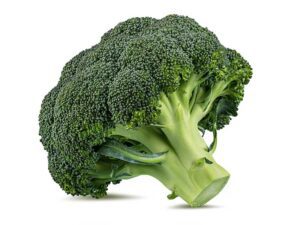
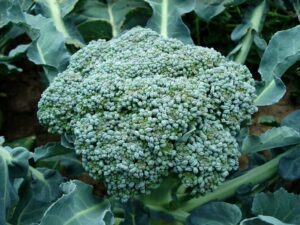
Calabrese and Waltham 29
Choose these established varieties if you want familiar green broccoli heads followed by useful side-shoot production.
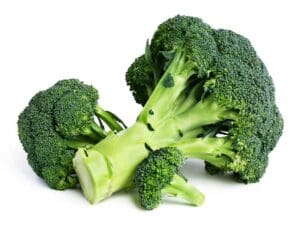





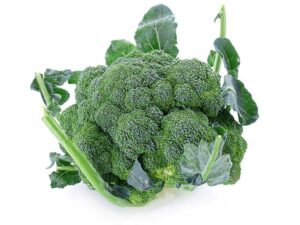
Broccoli seed buying guide
Broccoli is a productive cool-season crop with varieties suited to home vegetable gardens, market gardens and commercial growing. Although familiar green heading broccoli remains the most widely grown type, broccoli seed varieties differ considerably in plant size, harvest style, maturity, climate suitability and flavour.
Seedmart supplies traditional heading broccoli, heirloom varieties, modern hybrids, purple sprouting broccoli, Romanesco, baby stem types, broccoli raab and Chinese broccoli. Choosing the right variety will depend on your climate, planting season, available space and whether you prefer one main head or repeated harvests of tender shoots and stems.
Use this guide to compare the broccoli seeds listed above and select varieties suited to your garden and preferred harvest.
Grow classic green heads, purple shoots, Romanesco spirals, leafy broccoli raab or tender baby stems.
Broccoli performs particularly well through the cooler planting seasons in many Australian regions.
Choose varieties grown for large central heads, repeated side shoots, leaves, flower buds or tender stems.
Sprouting, baby stem and side-shooting types can continue producing after the first harvest.
Growing from seed makes it practical to establish larger plantings and trial several varieties.
Choose smaller packs for home gardens or larger quantities for repeated and commercial sowing.
Broccoli varieties vary in harvest type, appearance and growing characteristics. The table below provides a practical overview of the broccoli products available from Seedmart.
| Broccoli Variety | Harvest Type | Best Suited To | Key Characteristics |
|---|---|---|---|
| Calabrese Broccoli | Central head with side shoots | Home gardens and traditional vegetable production | A classic heirloom broccoli with familiar green heads and useful secondary shoots. |
| Waltham 29 Broccoli | Central head followed by side shoots | Cool-season gardens and extended harvesting | An established heirloom variety valued for dependable cool-weather performance. |
| Marathon Broccoli | Large central head | Uniform garden and commercial production | Selected for consistent head formation and reliable crop performance. |
| Imperial Broccoli | Central head | Home gardens, market gardens and warm-season transitions | A vigorous heading broccoli suited to growers seeking uniform plants and quality heads. |
| Camele Broccoli | Central head | Garden and production plantings | A heading variety selected for crop uniformity and productive garden performance. |
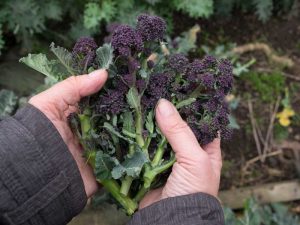
| Purple Sprouting Broccoli | Multiple tender flowering shoots | Extended harvesting and cooler-season production | Produces attractive purple shoots rather than one large conventional head. |
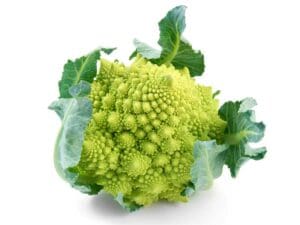
| Romanesco Broccoli | Distinctive central head | Speciality gardens, chefs and unusual vegetable displays | Produces striking lime-green spiral heads with a delicate, mildly nutty flavour. |
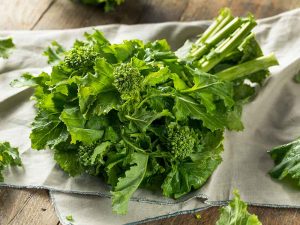
| Broccoli Raab (Rapini) | Leaves, stems and small flower buds | Fast crops and Italian-style cooking | A leafy brassica harvested for tender shoots and buds rather than a large broccoli head. |
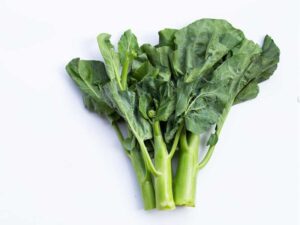
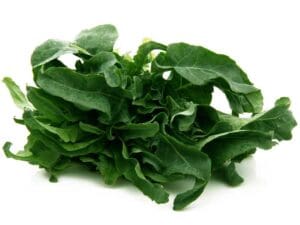
| Chinese Broccoli | Leaves, stems and developing flower buds | Asian cooking and repeated stem harvests | Also known as gai lan, with broad leaves and substantial tender stems. |
| Baby Broccoli | Tender stems with small florets | Quick cooking, side-shoot production and premium vegetables | Grown for slender edible stems and small florets rather than oversized heads. |
Growing performance and maturity will vary with planting time, temperature, soil fertility, variety and local conditions. Review the individual product page before sowing.
Choose these established varieties if you want familiar green broccoli heads followed by useful side-shoot production.
Suitable for growers seeking consistent plant growth, central heads and more uniform harvests.
Choose purple sprouting broccoli when you prefer multiple tender shoots over one large central head.
Romanesco is an excellent choice for speciality vegetable gardens and growers wanting visually distinctive spiral heads.
Baby broccoli is grown for small florets and long, tender stems suited to steaming, roasting and stir-frying.
These crops are harvested for leaves, stems and flower buds rather than a conventional heading broccoli crop.
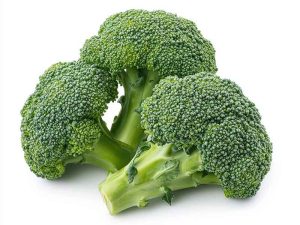
Heading broccoli forms a large central cluster of tightly packed flower buds. The main head is harvested before the buds open, and some varieties may then produce smaller side shoots.
These broccoli and related brassica crops are selected for repeated shoots, tender stems, leaves or smaller flower buds instead of one large central head.
Open-pollinated broccoli varieties can produce seed that retains the general characteristics of the parent variety, provided plants are isolated from compatible brassicas and seed is selected carefully.
Hybrid broccoli is developed by crossing selected parent lines to produce particular characteristics in the first generation. These may include crop uniformity, head quality, vigour or adaptation to specific growing conditions.
Broccoli generally performs best when plants develop during cool to mild conditions. Excessive heat can cause rapid development, loose heads or premature flowering, while severe frost may damage young seedlings or developing heads.
| Climate | General Planting Period | Growing Considerations |
|---|---|---|
| Cool and temperate climates | Late summer through autumn, with additional spring sowings where conditions permit | Broccoli can often be grown across a broad cool-season window. Time crops to avoid severe frost during sensitive growth stages. |
| Subtropical climates | Autumn through winter | Sow so that head development occurs during the cooler months. Heat-tolerant varieties may extend the season. |
| Tropical climates | Cooler and drier months | Select varieties carefully and avoid periods of persistent heat and humidity where possible. |
| Protected or commercial production | Varies with location, variety and production system | Schedule sowings around temperature, market requirements and the expected maturity window of each variety. |
Australian climates differ considerably. Use local conditions and the sowing information on each product page when planning your crop.
Not every broccoli crop ends when the main head is removed. Many varieties can produce smaller shoots from buds lower on the stem after the first harvest.
Cut the central head with a section of stem while leaving healthy lower leaves and side buds intact.
Maintain plant health after the main harvest so developing side shoots have adequate moisture and nutrition.
Secondary shoots can develop quickly. Harvest them while the buds remain compact and before flowering begins.
Calabrese, Waltham 29, purple sprouting and baby stem types are particularly relevant where repeated harvesting is preferred.
| Problem | Possible Causes | Management |
|---|---|---|
| Small or poorly developed heads | Heat, overcrowding, transplant stress, inadequate fertility or moisture stress | Plant at the appropriate time, maintain even moisture and provide sufficient spacing and nutrition. |
| Premature flowering | High temperatures, plant stress or delayed harvesting | Use suitable seasonal varieties and inspect developing heads frequently. |
| Loose heads | Warm weather, rapid growth or unsuitable seasonal timing | Schedule head development for cooler conditions and avoid excessive plant stress. |
| Caterpillar damage | Cabbage white butterfly and other brassica-feeding moth larvae | Inspect leaves regularly and use appropriate physical, biological or approved pest controls. |
| Weak or uneven seedlings | Old seed, unsuitable temperatures, uneven moisture or poor seed-raising media | Use quality seed, clean trays and an evenly moist, free-draining growing medium. |
| Plants form leaves but no useful head | Excessive heat, incorrect planting time, plant stress or unsuitable variety | Select broccoli suited to the season and maintain consistent growing conditions. |
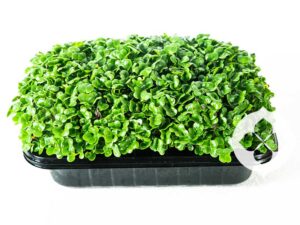
Broccoli sprouts and broccoli microgreens are grown from broccoli seed but are produced and harvested differently from mature garden broccoli.
| Broccoli Sprouts | Broccoli Microgreens | Garden Broccoli |
|---|---|---|
| Usually grown in a jar, bag or sprouting system without soil. | Usually grown in a shallow tray using soil, coco coir, hemp or another growing medium. | Grown in garden beds, raised beds, containers or commercial fields. |
| Generally harvested only a few days after germination. | Generally harvested after the seed leaves open and the stems have developed. | Grown for mature heads, shoots, stems or leaves over a much longer period. |
| The root, shoot and remaining seed are commonly harvested together. | The stems and leaves are cut above the growing medium. | The edible head, shoots, stems or leaves are harvested from an established plant. |
| Requires regular rinsing and thorough drainage. | Requires light, airflow and careful tray watering. | Requires fertile soil, garden spacing, watering and seasonal management. |
For jars and sprouters
Grow fresh broccoli sprouts indoors using a jar, sprouting lid or another well-drained sprouting system.
For tray production
Grow broccoli microgreens in trays for a mild brassica crop with fresh green stems and seed leaves.
Calabrese and Waltham 29 are established choices for home gardens. The best variety will still depend on your planting season, climate and whether you prefer one large head or repeated side-shoot harvests.
Broccoli is usually planted so that its main growth and head development occur during cool to mild weather. Autumn and winter are the principal growing seasons in many regions, while cool and temperate locations may also support spring crops.
Calabrese typically produces a substantial central green head followed by smaller side shoots. Sprouting broccoli is selected for multiple flowering shoots and may not form the same large, dense central head.
Romanesco is a brassica closely associated with broccoli and cauliflower. It is grown in much the same way and produces a distinctive lime-green head arranged in spiral patterns.
No. Broccoli raab, also called rapini, is a related brassica grown for its leaves, stems and small flower buds. It does not produce the large central head associated with standard broccoli.
No. Chinese broccoli, or gai lan, is grown primarily for its broad leaves, thick tender stems and developing flower buds. It is commonly used in stir-fries and steamed dishes.
Yes. Compact or individual broccoli plants can be grown in substantial containers with fertile potting mix, reliable drainage and regular watering. Larger heading varieties require more root space than leafy or baby stem types.
Maturity varies considerably by variety, temperature and growing method. Baby stem and leafy types may provide earlier harvests, while heading and sprouting varieties generally require a longer growing period. Check each product page for variety-specific maturity information.
Seed may be saved from open-pollinated varieties, but broccoli readily crosses with compatible varieties and related brassicas. Plants must be isolated and allowed to flower and form mature seed pods. Seed collected from hybrid broccoli will not reliably reproduce the original variety.
Broccoli sprouts can be produced from suitable untreated broccoli seed, but seed sold specifically for sprouting is selected and supplied for that growing purpose. Chemically treated garden seed should not be used to produce edible sprouts.
Broccoli seed for Australian growers
Seedmart supplies broccoli seeds for backyard gardens, market gardens and larger-scale production. The range includes traditional heirloom broccoli, uniform heading varieties, purple sprouting broccoli, Romanesco, baby stem types, broccoli raab and Chinese broccoli.
Browse the broccoli products above and review each individual product page for available pack sizes, sowing information and variety-specific growing guidance.