
Tomato Seeds
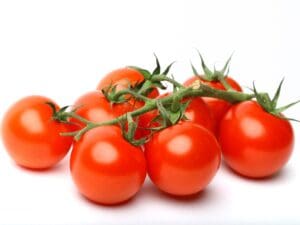
Choose from cherry, slicing, paste, beefsteak, dwarf and heirloom tomatoes. Varieties differ in fruit size, growth habit, flavour, colour, maturity and disease tolerance.

Vegetable seed buying guide
Growing vegetables from seed provides access to a much wider range of crops and varieties than purchasing established seedlings. Gardeners can choose varieties according to flavour, harvest time, climate, growing space, productivity and intended use.
Seedmart supplies vegetable seeds for home gardens, raised beds, market gardens, greenhouses, farms and commercial production throughout Australia. The range includes familiar garden favourites, heirloom and open-pollinated varieties, selected hybrids, Asian vegetables and specialist crops.
The best vegetable seeds will depend on your local climate, planting season, available space, growing experience and the crops you want to harvest.
Choose from a much broader selection of vegetables, colours, shapes, flavours and harvest types than is normally available as seedlings.
Sow smaller batches at regular intervals to extend harvest periods and maintain a consistent supply of fresh vegetables.
Select compact varieties for containers and raised beds or vigorous crops for larger gardens and commercial plantings.
Grow heirloom vegetables, unusual colours, Asian varieties and specialist crops that may be difficult to purchase fresh.
A packet of seed can produce many plants, while larger quantities provide greater value for frequent and commercial sowing.
Choose small packets for household gardens or bulk quantities for market gardens, farms and repeated production.
Some vegetables are selected for quick harvests and easy establishment, while others are grown for flavour, storage, productivity, unusual appearance or suitability for a particular climate.
| Growing Goal | Recommended Crops | Why Choose Them? |
|---|---|---|
| Easy for beginners | Radish, lettuce, bush beans, zucchini and silverbeet | Generally reliable crops with straightforward sowing and growing requirements. |
| Fast harvests | Radish, rocket, baby leaf lettuce, Asian greens and baby spinach | Useful for quick crops, succession planting and filling gaps between longer-season vegetables. |
| Small gardens | Leafy greens, bush beans, spring onions, radish and compact tomatoes | Can be grown intensively in raised beds, small plots and containers. |
| Container growing | Lettuce, dwarf tomatoes, chillies, radish and compact cucumbers | Suitable varieties can produce useful harvests where garden space is limited. |
| High productivity | Zucchini, climbing beans, tomatoes, cucumbers and silverbeet | Healthy plants can produce repeated or substantial harvests through the growing season. |
| Cool-season growing | Broccoli, cabbage, cauliflower, peas, carrots and leafy greens | Best suited to the cooler growing periods appropriate to each climate zone. |
| Warm-season growing | Tomatoes, capsicum, cucumber, pumpkin, beans and eggplant | Require warm soil and frost-free conditions for reliable establishment and growth. |
| Long-term storage | Pumpkin, onion, garlic, beetroot, carrots and storage cabbage | Selected varieties may be stored after harvest when they are grown, cured and handled correctly. |
| Market garden production | Lettuce, radish, beetroot, brassicas, carrots and Asian greens | Suitable for planned sowing schedules, repeated harvests and a broad range of customer preferences. |
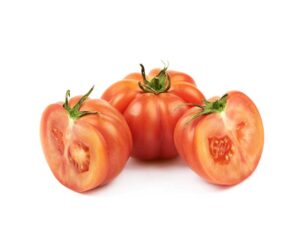
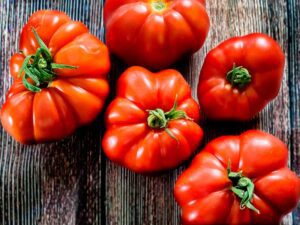
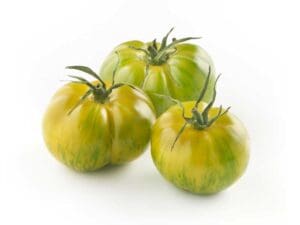
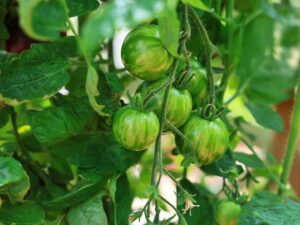
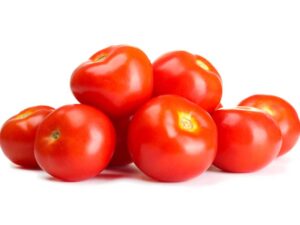
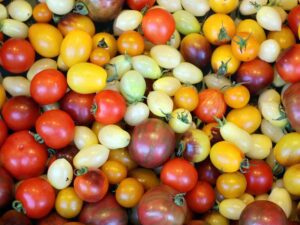
Choose from cherry, slicing, paste, beefsteak, dwarf and heirloom tomatoes. Varieties differ in fruit size, growth habit, flavour, colour, maturity and disease tolerance.
Lettuce, rocket, endive, chicory and mixed salad greens are suitable for full-size heads, loose-leaf harvests or repeated baby-leaf production.
Carrots, beetroot, radish, turnips and parsnips are direct-sown crops grown for their edible roots, with varieties available for different soils, seasons and harvest sizes.
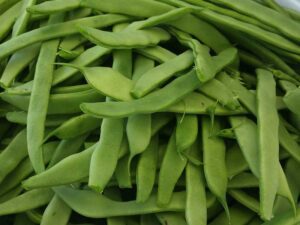
Bush beans, climbing beans, snow peas, shelling peas and sugar snap peas provide a wide choice of growth habits, pod styles and harvest periods.
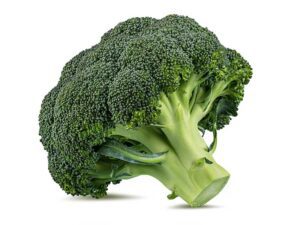
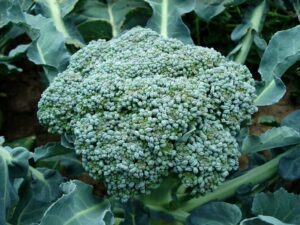
Broccoli, cabbage, cauliflower, kale, kohlrabi and Brussels sprouts are important cool-season crops with varieties suited to different planting and harvest periods.
These productive warm-season crops include slicing, pickling, burpless, Lebanese, compact and climbing varieties for fresh use and preserving.
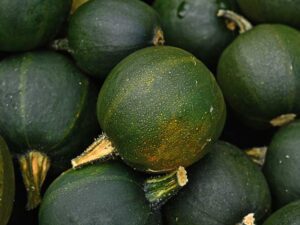
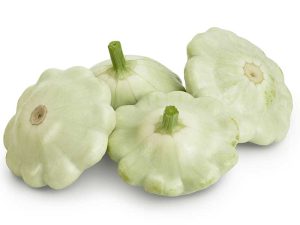
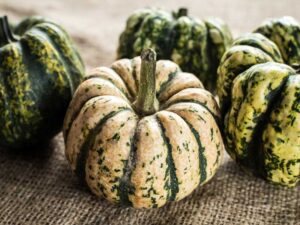
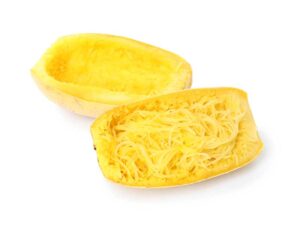
Choose from compact, trailing, storage and culinary varieties producing fruits in a wide range of sizes, shapes, colours and flavours.
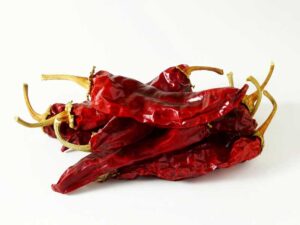
The range includes sweet capsicums, mild chillies and very hot varieties. Growth rate, fruit size, heat level and time to maturity vary considerably.
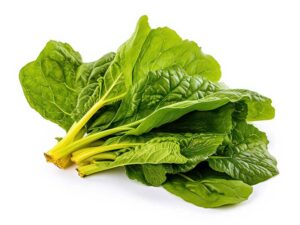
Silverbeet, spinach, kale, mustard greens and other leafy crops can provide quick, repeated harvests for home and commercial growers.
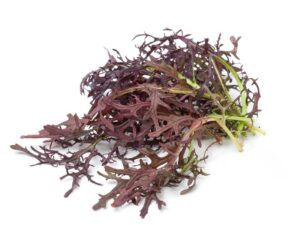
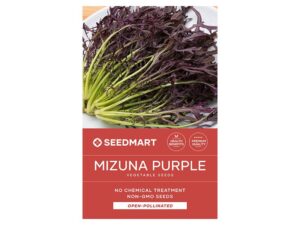
Asian vegetables include pak choi, Chinese cabbage, Asian radish, mustard greens, tatsoi, mizuna and specialist gourds, beans and leafy crops.
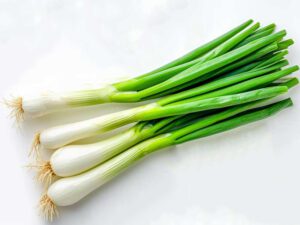
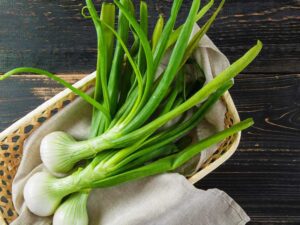
Onions, leeks, spring onions and related crops differ in growing season, day-length response, maturity, bulb formation and intended use.
These heat-loving vegetables perform best under warm conditions and include varieties selected for different fruit sizes, colours and culinary uses.
These terms describe how a variety has been developed and how it reproduces. Each type can have a useful place in a home garden or commercial growing program.
| Seed Type | General Characteristics | Best Suited To |
|---|---|---|
| Heirloom | Established varieties valued for characteristics such as flavour, appearance, history or regional significance. Heirlooms are generally open-pollinated. | Gardeners seeking traditional varieties, unusual crops, distinctive flavours or seed-saving potential. |
| Open-pollinated | Varieties that can produce plants broadly true to type when seed is saved correctly and unwanted cross-pollination is prevented. | Home gardeners, seed savers and growers wanting stable, reusable varieties. |
| Hybrid | Varieties produced from controlled crosses to combine selected characteristics. Saved seed may not reproduce the same characteristics in the next generation. | Growers prioritising particular traits such as uniformity, vigour, productivity, maturity or disease tolerance. |
Heirloom does not automatically mean better for every garden. The best choice depends on your climate, growing conditions, intended use and preferred characteristics.
Australian planting times vary substantially between tropical, subtropical, temperate, cool and arid climates. The following crop groupings are general guides rather than fixed planting dates.
Cool-season vegetables generally establish and crop best during the cooler portion of the local growing year.
Warm-season vegetables require warm soil, suitable daytime temperatures and protection from frost.
Planting seasons are climate-dependent. A crop planted in winter in northern Australia may be planted in spring or summer in a cool southern climate. Check the individual product page and consider local frost dates, heat, rainfall and humidity.
Some vegetables establish best when sown directly into their final position, while others are commonly started in trays or small pots and transplanted later.
| Direct Sowing | Raising Seedlings |
|---|---|
| Seed is planted directly where the crop will grow and mature. | Seed is started in trays, cells or small pots before being transplanted. |
| Commonly used for carrots, radish, beetroot, beans, peas, corn and larger cucurbits. | Commonly used for tomatoes, capsicum, eggplant, lettuce and brassicas. |
| Avoids transplant disturbance and is often preferable for root crops. | Allows greater control over germination, early watering, temperature and pest protection. |
| Seedlings must compete with weeds and may be more exposed to pests and weather. | Transplants require careful hardening off and may be stressed if planted out too early. |
| Thinning may be required where multiple seeds germinate close together. | Plants can be spaced accurately when moved into their final growing position. |
Backyard plots provide room for a broad crop rotation, succession planting and larger vegetables such as pumpkin, corn and climbing beans.
Raised beds can provide improved drainage, convenient access and control over soil preparation. Match mature plant size to the available bed area.
Compact tomatoes, chillies, lettuce, radish, spring onions and leafy greens can be productive in suitable containers with adequate depth, water and sunlight.
Protected systems can extend planting periods and provide greater control over temperature, rainfall and irrigation, although ventilation remains important.
Market growers generally select varieties according to crop uniformity, harvest time, yield, customer demand, shelf life and production scheduling.
Bulk seed may be suitable for growers planting larger areas, but variety performance, machinery, row spacing, irrigation and market requirements should be assessed first.
Seed packets are suitable for backyard gardens, raised beds, containers and growers trialling new varieties.
Larger pack sizes can reduce the seed cost per plant for repeated sowing and larger production areas.
Compare seed value according to the number of plants required, not only the pack weight. Seed size and seed count vary enormously between crops. One gram of lettuce seed contains far more seeds than one gram of beans, peas or pumpkin.
Commercial vegetable production requires varieties that fit the grower’s climate, market, production system and harvest schedule. Seed price is only one part of the total cost of producing a saleable crop.
Reliable emergence reduces gaps, uneven growth and the labour required for resowing or transplant replacement.
Consistent maturity, size and appearance can make harvesting, grading and packing more efficient.
Harvest timing affects crop scheduling, succession planting, labour requirements and the use of available growing space.
Select crops according to customer demand, preferred size, colour, flavour, shelf life and intended sales channel.
A variety that performs well in one region may not suit another area with different heat, humidity, rainfall, frost or disease pressure.
Imported and specialist varieties may have variable availability. Commercial growers should trial suitable alternatives and plan seed requirements in advance.
Conduct production trials before relying on a new variety at commercial scale. Sowing rates, crop performance and harvest quality can vary according to local conditions and growing methods.
Vegetable seed treatment varies by crop, variety and seed lot. Many vegetable seeds are supplied untreated, while certain imported or specialist varieties may be treated with a fungicide or another authorised seed treatment.
Untreated seed has not received a chemical seed treatment. Check the individual product description for the current lot information.
Treated seed is clearly identified on the relevant product page. It must not be consumed, used for sprouting or fed to animals.
Treatment status can change when a new lot is sourced. Review the product information when ordering rather than relying on a previous purchase.
Always read the individual product description before ordering. Treatment status, germination information, pack sizes and country of origin may vary between varieties and seed lots.
Sowing depth, spacing and germination temperature vary by variety. Follow the guidance on the individual product page and adjust for your soil, climate and growing system.
Radish, lettuce, bush beans, zucchini, silverbeet and some Asian greens are popular beginner crops. The easiest choice will also depend on the local season, available sunlight and pest pressure.
Planting time depends on the crop and climate zone. Tropical, subtropical, temperate, cool and arid regions can have very different planting calendars. Check the individual variety information and consider local frost dates, heat and rainfall.
Carrots, radish, beetroot, beans, peas and sweet corn are commonly direct sown. Pumpkins, cucumbers and zucchini may also be sown directly once the soil is warm. Root crops are generally best established without transplant disturbance.
Tomatoes, capsicum, eggplant, lettuce and brassicas are often started in trays. This allows greater control during germination and early growth before seedlings are planted into their final position.
Open-pollinated varieties can generally produce plants broadly true to type when seed is saved correctly and cross-pollination is controlled. Heirloom varieties are established open-pollinated varieties valued for their history or distinctive characteristics.
Seed may form on hybrid plants, but the following generation may differ substantially from the original variety. Growers wanting predictable saved seed generally choose suitable open-pollinated varieties.
No. Many varieties are untreated, but treatment status varies by crop and seed lot. Treated varieties are identified in the product description. Always check the current product information before ordering.
Seedmart does not knowingly sell genetically modified vegetable seed. Hybrid seed is not the same as genetically modified seed; hybrids are produced through controlled crosses between selected parent lines.
The correct depth varies by seed size and crop. Fine seeds are normally planted close to the surface, while larger seeds are planted more deeply. Follow the directions supplied for the individual variety.
Common causes include unsuitable soil temperature, planting too deeply, drying out, waterlogging, old or damaged seed, soil crusting and pest damage. Check the crop’s germination requirements before resowing.
Seed longevity varies considerably between crops and depends on storage conditions. Seed generally stores best in a cool, dry and stable environment, protected from heat, moisture and direct sunlight.
Yes. Lettuce, radish, spring onions, chillies, compact tomatoes and many leafy vegetables grow well in containers. Choose an appropriate container depth and provide adequate sunlight, drainage, water and nutrients.
The quantity depends on seed size, germination, row length, plant spacing and whether the crop is direct sown or raised as transplants. Fine lettuce or brassica seed requires far less weight than beans, peas, corn or pumpkin.
Bulk quantities can suit community gardens, large properties and home growers who sow frequently. However, consider how much seed can realistically be used while it remains viable.
Asian vegetable seeds include crops traditionally used across East, Southeast and South Asian cuisines. Examples include pak choi, tatsoi, mizuna, Chinese cabbage, daikon radish, Asian mustard greens, gourds and specialised beans.
Vegetable seeds for Australian growers
Seedmart supplies vegetable seeds for backyard gardens, raised beds, market gardens, greenhouses, farms and commercial production. Choose from familiar favourites, heirloom and open-pollinated vegetables, selected hybrids, Asian crops and specialist varieties.
Review the individual product pages for available pack sizes, treatment status, sowing guidance and variety-specific growing information before ordering.