
SH2 Sweet Corn
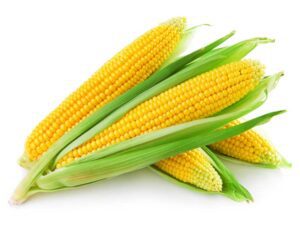
SH2 supersweet corn produces heightened sweetness and retains eating quality longer after harvest than standard sugary corn. It requires warm, well-drained soil for reliable establishment.
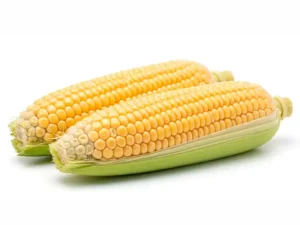
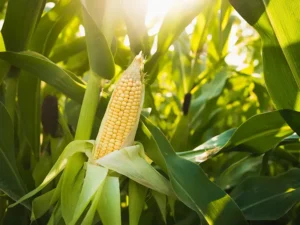
Corn seed buying and growing guide
Corn is a warm-season crop grown for sweet edible cobs, mature kernels, colourful ornamental ears and specialty production. Varieties differ in sweetness, kernel texture, cob colour, maturity, plant height, pollination requirements and intended use.
Seedmart supplies corn seeds for home gardens, market gardens and commercial production throughout Australia. Choose traditional sweet corn for familiar flavour and broad use, supersweet hybrids for heightened sweetness and longer post-harvest quality, or colourful specialty corn for ornamental cobs and niche production.
The best corn seed will depend on your climate, available space, intended harvest, preferred sweetness and whether the crop will be used fresh, frozen, processed or allowed to mature fully.
Healthy corn plants can produce substantial cobs during warm weather with adequate water and fertility.
Sweet corn provides its best eating quality when harvested at the correct stage and used promptly.
Corn adds height and structure to vegetable gardens and larger field plantings.
Choose traditional sweet, supersweet, coloured or specialty corn according to the intended use.
Plant smaller blocks at intervals to spread pollination and harvest over a longer period.
Select smaller packs for household gardens or larger seed quantities for field and commercial plantings.
Some corn varieties are selected for sweetness and fresh eating, while others are grown for processing, traditional flavour, ornamental colour or fully mature kernels.
| Growing Goal | Recommended Corn Type | Why Choose It? |
|---|---|---|
| Premium fresh eating | SH2 supersweet corn such as Max F1 | Produces highly sweet kernels that convert sugar to starch more slowly after harvest. |
| Traditional sweet corn flavour | SU1 sweet corn such as Grampian F1 | Provides familiar sweet corn flavour with strong field performance and broad culinary use. |
| Freezing and preserving | Grampian and other uniform sweet corn varieties | Produces consistent cobs suited to whole-cob freezing, cut kernels and appropriate preserving methods. |
| Home vegetable gardens | Sweet or supersweet corn | Fresh cobs can be harvested close to the ideal eating stage and used immediately. |
| Market garden production | Uniform F1 sweet corn hybrids | Consistent maturity, cob shape and eating quality support scheduled fresh-market harvests. |
| Colourful ornamental cobs | Glass Gem Corn | Produces multi-coloured mature kernels for decoration, seed displays and specialty uses. |
| Specialty or traditional corn | Jolly Roger and other non-standard types | Offers characteristics distinct from mainstream yellow supersweet hybrids. |
| Commercial field performance | Grampian Yellow F1 | Selected for vigorous establishment, uniform cobs and dependable production. |
SH2 supersweet corn produces heightened sweetness and retains eating quality longer after harvest than standard sugary corn. It requires warm, well-drained soil for reliable establishment.
Standard sugary corn provides familiar sweet corn flavour and is often selected for field vigour, fresh eating, freezing and processing.
F1 hybrids are developed for consistency in plant vigour, maturity, cob shape, kernel quality and yield.
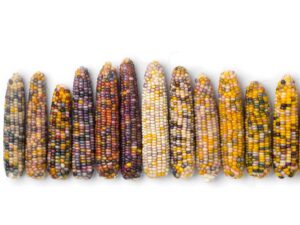
Glass Gem develops mature ears containing translucent kernels in a broad mixture of colours.
Specialty corn may be selected for unusual kernels, mature cobs, cultural use or characteristics not found in mainstream sweet corn.
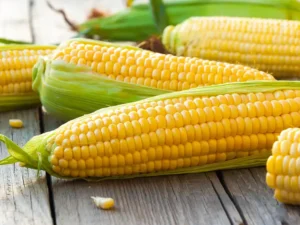
Yellow sweet corn remains a familiar choice for home gardens, roadside sales, markets and commercial fresh-cob production.
Traditional sweet corn and supersweet corn are both harvested while the kernels are tender, but they differ in sweetness, seed characteristics and pollination requirements.
| Traditional Sweet Corn | Supersweet Corn |
|---|---|
| Commonly carries the SU1 standard sugary gene. | Commonly carries the SH2 supersweet gene. |
| Provides familiar, traditional sweet corn flavour. | Produces noticeably higher sweetness. |
| Sugars convert to starch relatively quickly after harvest. | Sweetness and tender eating quality persist longer after picking. |
| Seed generally has greater stored starch and stronger cool-start establishment. | Seed is often more sensitive to cold, wet or compacted soil. |
| Suitable for fresh eating, freezing, canning and processing. | Particularly suited to fresh eating and premium market sales. |
| Can negatively affect nearby SH2 cobs through cross-pollination. | Should be isolated from incompatible corn types during flowering. |
Grampian and Max are separate yellow F1 hybrids developed for different production priorities.
| Feature | Grampian Yellow F1 | Max Supersweet F1 |
|---|---|---|
| Sweetness type | SU1 standard sugary sweet corn | SH2 supersweet corn |
| Eating style | Traditional sweet corn flavour | Heightened supersweet flavour |
| Primary strength | Field performance, uniformity and broad harvest use | Fresh eating quality and sweetness retention |
| Post-harvest sweetness | Should be chilled or used promptly | Converts sugar to starch more slowly |
| Germination | Strong early vigour and good cool-start emergence | Best sown into warm, free-draining soil |
| Suitable uses | Fresh cobs, freezing, canning and processing | Fresh eating, barbecuing, market sales and freezing |
Sweet corn and colourful mature corn should not be treated as interchangeable crops.
Sweet corn is harvested while the kernels are immature, tender and filled with milky juice.
Colourful corn is generally allowed to mature and dry fully on the plant.
Corn is a warm-season crop requiring full sun, fertile soil, consistent moisture and effective wind pollination.
Plant after frost risk has passed and the soil has warmed sufficiently for reliable germination.
Choose an open position receiving strong direct sunlight throughout most of the day.
Several short rows pollinate more reliably than one long single row.
Reliable water is particularly important during tasselling, silking, pollination and kernel filling.
Corn should be planted during warm conditions after frost risk has passed. The most suitable planting period varies with climate and the length of the warm growing season.
| Climate Zone | General Sowing Period | Growing Notes |
|---|---|---|
| Cool | October to January | Wait until the soil has warmed and allow enough frost-free weather for the crop to mature. |
| Temperate | September to January | Plant through spring and early summer, with successive sowings where the season is long enough. |
| Subtropical | August to February | Plant through the warm season while avoiding periods of severe heat or excessive rainfall where possible. |
| Tropical | March to September | Corn is often easiest to manage during the drier period with reliable irrigation. |
| Arid | August to February | Provide reliable irrigation and avoid extreme heat during flowering where possible. |
These planting periods are general guides. Local frost dates, soil temperature, elevation, rainfall, seasonal heat and irrigation capacity should also be considered.
Regional planting periods should be adjusted according to frost risk, summer heat, rainfall and the maturity of the selected variety.
| Location | General Planting Guide | Key Considerations |
|---|---|---|
| Brisbane and South East Queensland | August to February | Plant through spring and summer, with reliable watering during dry periods and good drainage during heavy rain. |
| Sydney and coastal New South Wales | September to January | Wait for warm soil and use staggered plantings to extend the harvest. |
| Inland New South Wales | October to January | Plant after frost risk and avoid late crops that cannot mature before autumn cooling. |
| Melbourne and Victoria | October to January | Plant once the soil is warm and select varieties capable of maturing within the available season. |
| Adelaide and South Australia | September to January | Maintain irrigation and avoid severe moisture stress during tasselling and silking. |
| Perth and south-west Western Australia | September to January | Spring and early summer plantings perform well where water is available. |
| Tasmania | November to January | Use early or mid-season varieties and plant into the warmest available frost-free period. |
| Darwin and tropical northern Australia | March to August | Dry-season production generally offers better disease management and field access. |
Corn is generally direct-sown into the garden bed or field where it will mature. The plants develop substantial roots and are easier to establish without transplant disturbance.
Plant corn seeds approximately 2–4 cm deep. Sowing depth should be adjusted according to soil texture, temperature and surface moisture.
Use the shallower end of the sowing range to support faster emergence.
Slightly deeper sowing can help maintain moisture around the seed.
Corn commonly germinates within approximately 6–14 days under suitable warm conditions. Seed may emerge faster in warm soil or take longer where temperatures are low.
Warm soil supports faster germination and stronger early growth.
Cold, saturated or poorly aerated soil can cause seed to rot before emergence.
Supersweet SH2 seed is generally more sensitive to poor soil conditions than standard sugary corn.
Correct planting depth protects the seed while allowing seedlings to reach the surface readily.
Corn requires enough space for root growth, leaf development and airflow while remaining close enough for effective wind pollination.
| Planting Situation | Approximate Plant Spacing | Approximate Row Spacing |
|---|---|---|
| Home garden sweet corn | 20–30 cm | 60–75 cm |
| Large vigorous varieties | 25–35 cm | 75–90 cm |
| Compact intensive blocks | 20–25 cm | 45–60 cm |
| Commercial field planting | Adjusted to machinery and target population | Usually 60–90 cm |
Corn is pollinated primarily by wind. Male tassels release pollen that must land on the silks emerging from each developing cob.
Every individual silk leads to one potential kernel. Where a silk receives no viable pollen, the corresponding kernel may not develop.
Block planting:
Where only a small number of plants are grown, gentle hand pollination may improve cob fill.
Corn can be transplanted while seedlings are young, but direct sowing is generally preferred.
The roots grow rapidly and can be disturbed when seedlings are removed from small cells. Transplant shock may delay growth, particularly where the roots have become tangled or pot-bound.
Where transplanting is necessary:
Corn can be grown in large containers, but it requires substantial soil volume, water, nutrients and enough neighbouring plants for pollination.
A single corn plant in a small pot is unlikely to produce a well-filled cob.
Use a broad, stable container that can hold several plants together.
Container-grown corn dries quickly and requires close fertility management.
Corn commonly requires approximately 70–110 days from sowing to harvest, depending on variety and growing conditions.
| Corn Group | Typical Period | General Characteristics |
|---|---|---|
| Early sweet corn | Approximately 65–80 days | Selected for relatively quick maturity in short growing seasons. |
| Mid-season sweet corn | Approximately 80–95 days | Common maturity range for many garden and market varieties. |
| Late sweet corn | Approximately 95–110 days | Requires a longer period of sustained warm weather. |
| Ornamental or dry corn | Often 100 days or longer | Allowed to remain on the plant until kernels and husks mature fully. |
Maturity varies with soil temperature, air temperature, sunlight, irrigation, fertility, plant population and the stage at which the crop is harvested.
Corn develops tall plants and substantial leaf area, making reliable water and fertility important throughout the crop.
The most critical watering periods are:
Water deeply enough to moisten the active root zone. Shallow watering encourages surface roots and may leave plants vulnerable during hot weather.
Corn generally responds to adequate nitrogen during early growth, followed by balanced nutrition as flowering and cob development begin.
Sweet corn is harvested at the milk stage, when the kernels are plump and release a milky liquid when pressed.
Signs that sweet corn is ready include:
Clear liquid generally indicates an immature cob. Thick or doughy contents indicate that the kernels have passed the ideal fresh-eating stage.
Sweet corn is usually ready approximately two to three weeks after the silks first appear, although temperature and variety affect the exact period.
Harvest during the cooler part of the day where possible. Hold the cob firmly, pull it downward and twist it away from the stalk.
Standard sugary corn should be used or chilled promptly because sugar begins converting to starch after harvest. Supersweet corn retains sweetness longer but still provides its best quality when freshly picked and cooled quickly.
Corn intended for mature kernels should remain on the plant until the husks become dry and papery and the kernels are hard.
Harvest before prolonged wet weather where mature ears could develop mould or begin deteriorating.
After picking:
Many sweet corn varieties produce one main cob per plant, while vigorous plants may produce a second smaller cob under favourable conditions.
Cob number depends on:
A smaller number of well-filled cobs is generally more valuable than several poorly developed ears.
Different corn varieties can cross-pollinate because their pollen is carried by wind.
Cross-pollination is particularly important when growing supersweet corn. Pollen from standard sweet, ornamental, popcorn or field corn can reduce the tenderness and sweetness of SH2 kernels during the same season.
Isolation options include:
Sweet corn may be prepared in a wide range of fresh and cooked dishes.
Cook fresh cobs briefly in boiling water until the kernels reach the preferred tenderness.
Steam cobs gently to retain fresh flavour and texture.
Grill cobs in or out of the husk for browned kernels and a deeper flavour.
Roast whole cobs or cut sections with butter, herbs and seasonings.
Cut kernels from cooked or suitably prepared cobs for salads, salsas and mixed dishes.
Blanch and freeze corn using an appropriate recognised food-preservation method.
Cold soil, waterlogging, deep sowing and compacted beds can cause seed to rot or emerge unevenly.
Incomplete pollination commonly causes irregular gaps along the cob.
Crowding, low fertility, moisture stress and insufficient sunlight can limit cob size.
Shallow roots, wind exposure, waterlogging or severe drought can reduce plant stability.
Caterpillars and other corn-feeding pests may enter through the silks and damage kernels.
Sweet corn becomes starchy and firm when harvested after the ideal milk stage.
Smaller seed quantities are suitable for household gardens and growers comparing several corn types.
Larger quantities can be more economical for growers producing scheduled crops for markets, retailers, processing or farm-gate sales.
Commercial corn production requires varieties suited to the planting season, market specification, harvest system and required sweetness type.
Uniform establishment supports consistent flowering, pollination and cob maturity.
Traditional sugary and supersweet varieties require different handling and isolation strategies.
Consistent length, diameter, kernel rows and tip fill improve packing and market presentation.
Varieties that hold quality in the field provide more flexibility during large harvests.
Rapid cooling helps retain sweetness, tenderness and shelf quality after picking.
Select standard sweet, supersweet, coloured or processing types according to established customer requirements.
Corn is relatively straightforward where warm soil, full sun, fertile ground and reliable water are available. Effective block planting and pollination are essential for well-filled cobs.
Direct sow corn approximately 2–4 cm deep into warm, prepared soil. Plant several short rows together, maintain moisture and support vigorous growth with adequate fertility.
Corn is generally planted from spring through early summer after frost risk has passed. Tropical growers often plant during the drier months.
Corn is generally planted in Victoria from October to January after the soil has warmed and frost risk has passed.
Around Melbourne, corn is usually planted from October through January. Early and mid-season varieties are useful where the warm season is limited.
Coastal New South Wales growers commonly plant from September to January. Inland growers should wait until frost risk has passed.
Plant corn approximately 2–4 cm deep. Use shallower planting in cool or heavy soil and slightly deeper sowing where the surface dries quickly.
Corn commonly germinates within approximately 6–14 days. Warm soil supports faster emergence, while cold or saturated conditions can cause poor establishment.
Soaking is generally unnecessary. Sow dry seed into suitably warm, moist soil and avoid waterlogging.
Space most sweet corn plants approximately 20–30 cm apart, with 60–75 cm between rows. Larger varieties may require additional room.
Corn is wind pollinated. Blocks of several short rows allow pollen to move between plants more effectively than one long row.
Yes, but direct sowing is generally preferred. Transplant young seedlings before they become root-bound and keep the root ball intact.
Yes, but corn requires very large containers, substantial soil volume and several neighbouring plants for pollination. Hand pollination may be needed.
Most corn requires approximately 70–110 days from sowing to harvest. Early varieties mature sooner, while ornamental and dry corn generally requires longer.
Many varieties produce one main cob, while vigorous plants may form a second smaller cob. Variety, spacing, water and fertility influence cob number.
The silks should be brown and dry, the cob should feel full and a pressed kernel should release milky liquid.
Pick sweet corn at the milk stage, usually around two to three weeks after the silks first appear. Check a kernel before harvesting the complete crop.
Individual plants may produce more than one cob, but the plant does not regrow a new crop after all ears mature. Successive sowings provide a longer harvest season.
Traditional sweet corn generally carries the SU1 sugary gene, while supersweet corn commonly carries the SH2 gene and produces sweeter kernels that retain quality longer after harvest.
No. Grampian is an SU1 traditional sweet corn hybrid, while Max is an SH2 supersweet hybrid developed for greater sweetness and longer post-harvest eating quality.
No. Both provide traditional sweet corn characteristics, but Grampian is a modern F1 hybrid and Golden Bantam is an open-pollinated heirloom variety.
They should not flower at the same time. Pollen from Grampian can reduce the sweetness and tenderness of Max supersweet kernels.
Glass Gem is generally grown to full maturity for its colourful hard kernels rather than harvested as tender supersweet corn.
Yes. Sweet corn may be frozen as whole cobs or cut kernels. Use an appropriate blanching, cooling and freezing method.
Seed may be saved from suitable open-pollinated corn where cross-pollination is controlled. Seed collected from F1 hybrids will not reliably reproduce the original variety.
No. Corn seed may be treated or untreated depending on the product and seed lot. Review the individual product specifications before ordering.
No. Chemically treated planting seed must not be eaten, fed to animals or used for sprouts or microgreens. The mature corn crop is grown for its normal intended harvest.
Corn seeds for Australian growers
Seedmart supplies corn seed for household vegetable gardens, market gardens and commercial field production. Choose traditional yellow sweet corn, premium supersweet hybrids and colourful specialty corn according to the required flavour, maturity and harvest use.
Review the individual product pages for available pack sizes, sweetness type, seed treatment, planting guidance and variety-specific information before ordering.