

Max Super Sweet Corn – Yellow F1 Treated Seeds
Botanical Name: Zea mays
Important Notice: These seeds have been treated with a fungicide (Thiram). Do not consume the seeds or feed them to animals. Fungicide treatment is a requirement under AQIS regulations for certain seed varieties. This treatment does not affect the growth of your crops or pose a risk to beneficial insects like bees. We make every effort to source untreated seed stock whenever possible; however, availability in Australia is extremely limited.
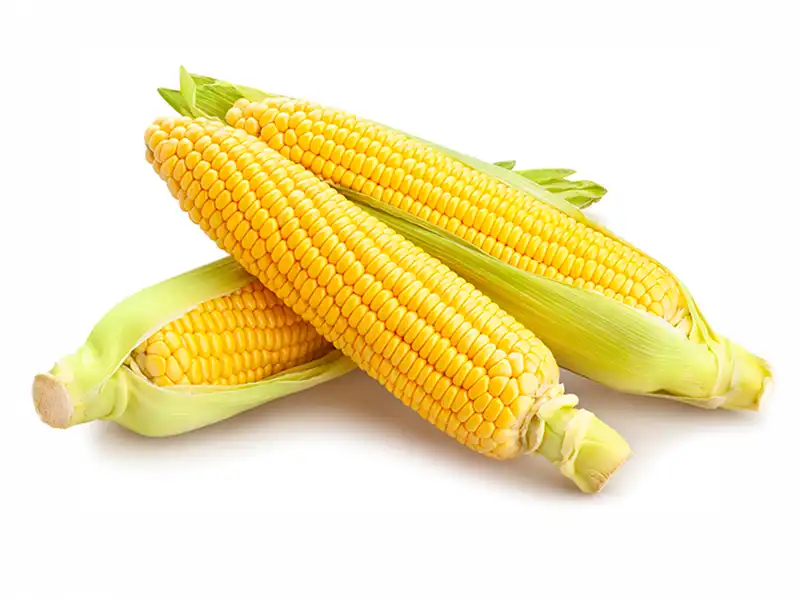
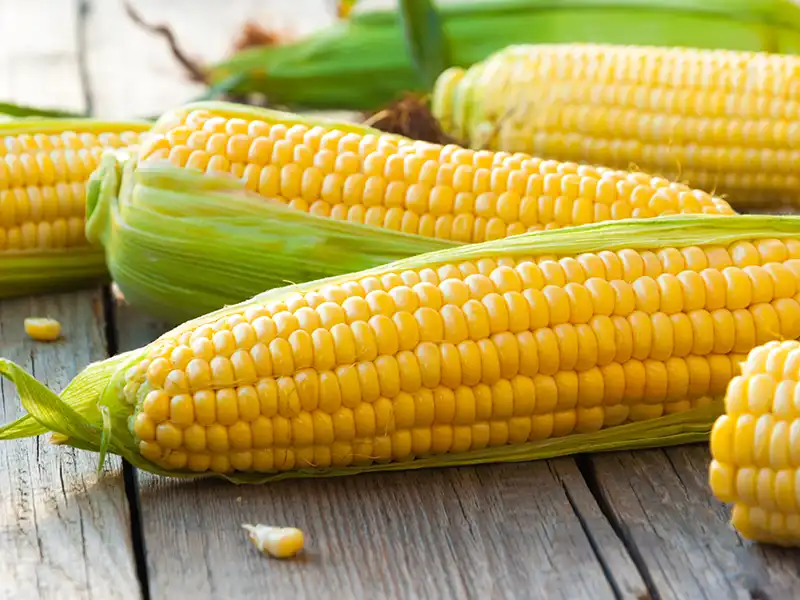
Max is a productive yellow supersweet corn hybrid grown for its tender kernels, high sweetness and attractive, well-filled cobs. This SH2 variety produces yellow cobs approximately 19 cm long, commonly with 16–18 rows of kernels and one to two cobs per plant.
The plants develop strong upright growth and perform across a wide range of Australian growing regions, including cooler production areas when planted during suitable warm conditions. Max is particularly well suited to home gardens, market gardens and small-to-medium commercial fresh-market production.
Important: These seeds have been treated with a fungicide. Do not eat the seed or use it for animal feed.
Key Attributes
SH2 Supersweet CornProduces tender yellow kernels with heightened sweetness and slower conversion of sugar to starch after harvest. |
One to Two CobsStrong plants commonly produce one or two attractive, well-filled cobs under suitable growing conditions. |
Attractive Yellow KernelsDevelops approximately 19 cm yellow cobs with around 16–18 orderly rows of sweet kernels. |
Long Husk CoverThe extended husk provides useful cob protection and can help reduce access by corn-feeding grubs. |
Fresh-Market QualitySelected for good eating quality, attractive presentation and reliable production for household and professional growers. |
F1 Hybrid PerformanceCombines vigorous growth, crop uniformity and a strong disease-resistance package. |
Product Description
Max is a modern yellow F1 hybrid sweet corn belonging to the SH2 supersweet group. SH2 varieties develop a higher level of sweetness than standard sugary sweet corn and convert sugar to starch more slowly after harvest, helping the kernels retain their eating quality for longer.
The vigorous plants grow to approximately 180 cm tall and commonly produce one to two cobs per plant under favourable conditions. The attractive yellow cobs grow to approximately 19 cm long and generally contain 16–18 rows of kernels around the circumference.
Max also develops a prominent flag leaf and long protective husk cover. The extended husk helps protect the developing cob and may make it more difficult for corn-feeding caterpillars or grubs to enter from the tip.
The variety is valued for its sweet flavour, tender texture, good cob presentation and broad Australian adaptation. It is recommended for home vegetable gardens, market gardens and small-to-medium professional growers seeking a dependable fresh-market supersweet corn.
Freshly harvested Max corn may be boiled, steamed, grilled, roasted or barbecued. The kernels can also be removed from the cob for salads, soups, salsas and vegetable dishes, or blanched and frozen for later use.
As an F1 hybrid, Max has been selected for consistency and crop performance. Seed saved from harvested plants will not reliably reproduce the same plant vigour, cob quality, sweetness or uniformity.
These seeds have been treated with a fungicide to help protect them during germination and early establishment. Treated seed must not be eaten, sprouted for consumption or fed to animals.
Why Grow Max Super Sweet Corn?
- Produces exceptionally sweet yellow corn with tender kernels.
- SH2 supersweet genetics help sweetness persist after harvest.
- Strong-growing F1 hybrid suited to Australian conditions.
- Commonly produces one to two cobs per plant.
- Attractive yellow cobs approximately 19 cm long.
- Approximately 16–18 rows of kernels per cob.
- Long husk cover helps protect the developing cob.
- Suitable for fresh eating, barbecuing and freezing.
- Performs in home gardens and fresh-market production.
- Recommended for small-to-medium professional growers.
- Good disease-resistance package.
- Suitable for successive sowings during the warm season.
Plant Details
| Plant Type | Warm-season annual vegetable |
| Variety | Max Yellow F1 |
| Sweet Corn Type | SH2 supersweet |
| Seed Type | F1 hybrid, fungicide treated |
| Growth Habit | Strong, upright corn plant |
| Plant Height | Approximately 180 cm |
| Cob Colour | Yellow |
| Cob Length | Approximately 19 cm |
| Kernel Rows | Approximately 16–18 rows |
| Cobs per Plant | Commonly one to two under suitable conditions |
| Husk | Long protective husk with a prominent flag leaf |
| Days to Harvest | Approximately 85–90 days under suitable conditions |
| Life Cycle | Annual |
Sowing Information
| Sowing Method | Direct sow where the plants will grow |
| Sowing Depth | Approximately 2–3 cm |
| Germination | Usually 6–14 days in suitably warm soil |
| Soil Temperature | Approximately 20–30°C preferred |
| Plant Spacing | Approximately 25–30 cm |
| Row Spacing | Approximately 60–75 cm |
| Position | Full sun |
| Soil | Fertile, moisture-retentive and free draining |
| Pollination | Wind pollinated; plant in blocks of several short rows |
| Isolation | Separate from standard, SE and other incompatible corn types during flowering |
When to Sow Max Super Sweet Corn in Australia
| Climate Zone | Best Planting Time | Growing Notes |
|---|---|---|
| Cool | October – January | Wait until frost risk has passed and the soil has warmed to approximately 20°C. |
| Temperate | September – January | Plant through spring and early summer, allowing sufficient warm weather for the cobs to mature. |
| Subtropical | August – February | Successive crops may be planted through the warm season where reliable moisture is available. |
| Tropical | March – September | Often best grown during the drier part of the year with irrigation and good airflow. |
| Arid | August – February | Plant in warm conditions and maintain reliable irrigation during flowering and cob development. |
These sowing periods are general guides. Local frost dates, soil temperature, elevation, rainfall, seasonal heat and water availability should also be considered.
How to Grow Max Super Sweet Corn
Choose an open position receiving full sun for at least six to eight hours each day. Sweet corn performs best in fertile, well-prepared soil with good drainage and adequate moisture-holding capacity.
Prepare the bed before sowing by removing weeds and incorporating well-decomposed compost or another suitable soil amendment where required. Corn is a relatively heavy-feeding crop and benefits from adequate nitrogen and balanced fertility.
Wait until the soil has warmed before planting. SH2 supersweet kernels contain less stored starch than standard sweet corn seed and can be more vulnerable to poor germination in cold, wet or compacted soil.
Direct sow the treated seed approximately 2–3 cm deep. Space plants approximately 25–30 cm apart, with 60–75 cm between rows. Seeds may be sown more closely and thinned after emergence where required.
Plant Max in a block containing several short rows rather than one long row. Sweet corn is wind pollinated, and block planting increases the amount of pollen reaching the silks on the developing cobs.
Water gently after sowing and keep the soil moderately moist during germination. Avoid saturating the seedbed, as cold and waterlogged soil can cause supersweet corn seed to deteriorate before emergence.
Once established, maintain steady soil moisture and remove competing weeds. Apply additional fertiliser during active vegetative growth if required by the soil and production system.
Corn requires particularly reliable moisture during tasselling, silking, pollination and kernel filling. Water stress during these stages can result in missing kernels, smaller cobs or reduced eating quality.
For an extended harvest, sow smaller blocks at intervals of approximately two to three weeks while seasonal conditions remain suitable.
Planting Max for Reliable Pollination
Sweet corn produces male tassels at the top of the plant and female silks on the developing cobs. Wind carries pollen from the tassels onto the silks, with each successfully pollinated silk connected to one developing kernel.
Plant Max in blocks at least several rows wide. Four shorter rows generally pollinate more reliably than one long, narrow row containing the same number of plants.
Poor pollination can produce cobs with missing kernels, particularly near the tip. Dry winds, extreme heat, water stress or too few plants may reduce pollen transfer.
Where only a small number of plants are grown, hand pollination may improve kernel fill. Gently shake the tassels when pollen is being released or collect pollen and dust it over receptive silks.
Isolating Supersweet Corn
Max is an SH2 supersweet variety and should be isolated from standard sugary, sugary-enhanced and other incompatible corn varieties while flowering.
Cross-pollination from incompatible corn can cause supersweet kernels to become tougher, starchier and less sweet. The effect occurs in the cobs being grown that season, not only in seed saved for later planting.
Isolation can be achieved by:
- Growing only one corn type at a time
- Separating plantings by an adequate physical distance
- Staggering planting dates so varieties do not shed pollen simultaneously
- Using substantial barriers where appropriate, although barriers alone may not prevent wind-borne pollen movement
When growing Max near Grampian, Golden Bantam or other standard sweet corn, schedule the crops so their flowering periods do not overlap.
Watering and Feeding
Maintain even moisture throughout the growing period. Max develops tall plants and substantial cobs and requires sufficient water and nutrients to reach its potential.
The most important watering periods are:
- During germination and seedling establishment
- During rapid stem and leaf development
- As tassels and silks begin to form
- Throughout pollination
- While kernels are filling and cobs are increasing in size
Water deeply enough to moisten the active root zone rather than applying frequent shallow watering. Mulch can help reduce water loss, suppress weeds and moderate soil temperature.
Apply a suitable nitrogen-rich side dressing during early active growth where required. Avoid placing concentrated fertiliser directly against the stems or roots.
Excessive drought stress can reduce cob size and kernel fill, while continually saturated soil can restrict root growth and increase disease risk.
Harvest
Max is generally ready for harvest approximately 85–90 days after sowing under suitable conditions. Temperature, planting date, soil fertility, water availability and local conditions will affect the actual maturity period.
Harvest when the cobs feel full through the husk, the silks have turned brown and dry and the kernels are plump. Press a kernel with a fingernail to check maturity. Kernels at the ideal fresh-eating stage release a milky liquid.
Clear liquid generally indicates an immature cob. Thick, doughy material suggests the kernels have passed their ideal fresh-harvest stage.
To harvest, hold the cob firmly, pull it downward and twist it away from the stalk. Harvest during the cooler part of the day where possible and refrigerate or process the cobs promptly.
SH2 corn retains sweetness longer after harvest than standard sugary corn, but freshly picked and promptly cooled cobs will still provide the best eating quality.
Using Max Super Sweet Corn
Max produces tender, juicy yellow kernels with a heightened sweet flavour. Harvested cobs may be used for:
- Boiling or steaming whole cobs
- Barbecuing and grilling
- Roasting in or out of the husk
- Cutting fresh kernels from the cob
- Salads, salsas and vegetable dishes
- Soups, chowders and casseroles
- Fritters and savoury baking
- Freezing whole cobs or separated kernels
- Fresh-market and roadside sales
Avoid prolonged cooking, which may reduce the crisp texture and fresh flavour of supersweet kernels.
Freezing Max Sweet Corn
Max is suitable for freezing as whole cobs or separated kernels.
Remove the husks and silks and discard any damaged sections. Blanch the cobs or kernels using an appropriate recognised food-preservation method, then cool them quickly in iced water.
Drain thoroughly before packing into suitable freezer containers or bags. Remove excess air where possible and label each container with the variety and freezing date.
Correct blanching helps preserve colour, flavour and texture during frozen storage.
Seed Treatment and Safe Handling
These seeds have been treated with a fungicide to help protect against certain seed- and soil-borne diseases during germination and early establishment.
- Do not eat treated seed.
- Do not use treated seed for sprouting or microgreen production.
- Do not feed treated seed to livestock, poultry, pets or wildlife.
- Keep the seed away from children and animals.
- Wear gloves when handling treated seed.
- Wash hands thoroughly after sowing.
- Do not store treated seed near food or animal feed.
- Follow all safety directions printed on the supplied seed packaging.
- Dispose of unused treated seed and packaging responsibly.
The mature sweet corn cobs produced by the plants are grown for normal culinary use. The fungicide treatment applies to the supplied planting seed, which must not be consumed.
F1 Hybrid Information
Max is an F1 hybrid produced by crossing selected parent lines. F1 hybrids are developed to provide greater consistency in characteristics such as plant vigour, maturity, cob size, kernel quality and disease performance.
Seed harvested from Max plants will not reliably reproduce the same characteristics. The following generation may vary substantially in sweetness, kernel texture, cob quality, plant height, maturity and yield.
Purchase fresh Max F1 seed for each crop where uniformity and predictable eating quality are required.
Perfect For
- Home vegetable gardens
- Growing premium supersweet yellow corn
- Freshly boiled or steamed cobs
- Barbecuing and roasting
- Freezing whole cobs or kernels
- Market gardens and farm-gate sales
- Small-to-medium commercial growers
- Fresh-market corn production
- Successive plantings for staggered harvests
- Cooler growing regions with a suitable warm season
- Growers seeking one to two cobs per plant
- Customers wanting higher sweetness than standard corn
Frequently Asked Questions
Is Max a supersweet corn?
Yes. Max is an SH2 supersweet hybrid. This genetic type develops heightened sweetness and converts sugar to starch more slowly after harvest than standard sugary sweet corn.
What colour is Max sweet corn?
Max produces attractive yellow kernels arranged in approximately 16–18 rows around the cob.
How large are Max sweet corn cobs?
The cobs typically grow to approximately 19 cm long under suitable growing conditions.
How many cobs does Max produce?
Max commonly produces one to two cobs per plant. Cob number and size depend on pollination, spacing, soil fertility, moisture, temperature and overall plant health.
How tall does Max corn grow?
The plants grow to approximately 180 cm tall, although final height can vary with climate, soil, nutrition, water and plant spacing.
Is Max an F1 hybrid?
Yes. Max is an F1 hybrid selected for sweetness, vigour, uniformity, attractive cobs and dependable crop performance.
Are these Max corn seeds treated?
Yes. These seeds have been treated with a fungicide. Do not eat the planting seed, use it for sprouts or feed it to animals. Follow the handling directions printed on the supplied packaging.
Can the harvested corn be eaten?
Yes. The treatment applies to the seed supplied for planting. The mature sweet corn cobs produced by the plants are intended for normal culinary use.
What is the difference between Max and Grampian?
Max is an SH2 supersweet corn developed primarily for high sweetness and fresh eating. Grampian is an SU1 standard sugary hybrid with a more traditional sweet corn flavour and characteristics suited to fresh use, freezing, canning and processing.
Is Max sweeter than Golden Bantam?
Yes. Golden Bantam is a traditional SU1 sugary corn, while Max contains the SH2 supersweet gene and generally produces substantially sweeter kernels.
When should Max corn be planted?
Plant Max after frost risk has passed and the soil has warmed. In cool and temperate areas, this generally means spring to early summer. Warm-region planting periods may be longer.
What soil temperature does Max require?
A soil temperature of approximately 20°C or higher is preferred for reliable establishment. SH2 supersweet seed can perform poorly in cold, wet soil.
How deep should Max sweet corn be planted?
Sow the seed approximately 2–3 cm deep. Avoid planting too deeply in heavy or cold soil.
How far apart should Max corn plants be spaced?
Space plants approximately 25–30 cm apart, with around 60–75 cm between rows. Exact spacing may be adjusted according to the soil, irrigation system and production scale.
Why should Max corn be planted in blocks?
Sweet corn is wind pollinated. Planting several short rows together increases pollen movement between plants and generally produces better-filled cobs than one long row.
Does Max need to be isolated from other corn?
Yes. Max should be isolated from standard sugary, sugary-enhanced and other incompatible corn varieties during flowering. Cross-pollination can reduce the sweetness and tenderness of the supersweet kernels.
Can Max and Grampian be grown together?
They should not release pollen at the same time. Grampian is an SU1 corn and can negatively affect the eating quality of Max cobs through cross-pollination. Separate the crops by distance or stagger their planting dates so flowering does not overlap.
Does Max need full sun?
Yes. Grow Max in full sun or the sunniest available position. Insufficient light may reduce plant vigour, delay maturity and produce smaller or poorly filled cobs.
Can Max sweet corn be grown in pots?
It is possible in very large containers, but Max is better suited to garden beds or field soil. Multiple plants must be grown together for pollination, and each plant requires substantial root space, water and nutrients.
How much water does Max corn need?
Maintain consistent soil moisture throughout growth, particularly during tasselling, silking, pollination and kernel filling. Moisture stress during these stages can reduce cob size and kernel development.
How long does Max take to mature?
Max generally reaches harvest in approximately 85–90 days under suitable conditions. Actual timing varies with temperature, soil, water, fertility and planting date.
How can I tell when Max corn is ready to harvest?
The silks should be brown and dry, the cob should feel full through the husk and a pressed kernel should release a milky liquid.
Can Max sweet corn be frozen?
Yes. Max may be frozen as whole cobs or separated kernels. Blanch and cool the corn using an appropriate food-preservation method before freezing.
Can I save seed from Max sweet corn?
Seed saving is not recommended because Max is an F1 hybrid. Seed collected from the crop will not reliably reproduce the same sweetness, cob quality, vigour or uniformity.
Can treated Max seed be used for sprouts or microgreens?
No. Fungicide-treated seed must not be used for edible sprouts or microgreens. It is supplied exclusively for growing mature corn plants.
Is Max suitable for commercial growers?
Yes. Max is particularly suited to small-to-medium professional growers seeking attractive yellow supersweet cobs, reliable production and good fresh-market eating quality.
Reviews
There are no reviews yet.