

Climbing Bean ‘Scarlet Runner’ Vegetable Seeds
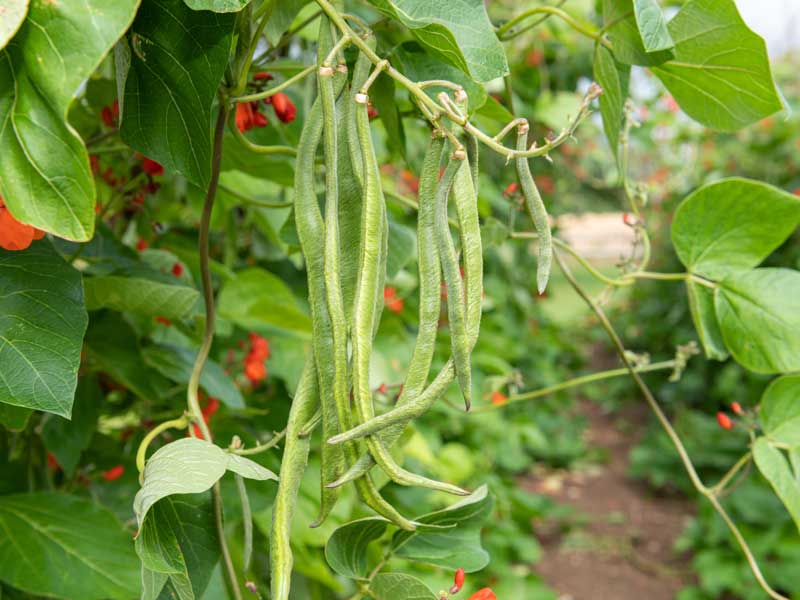
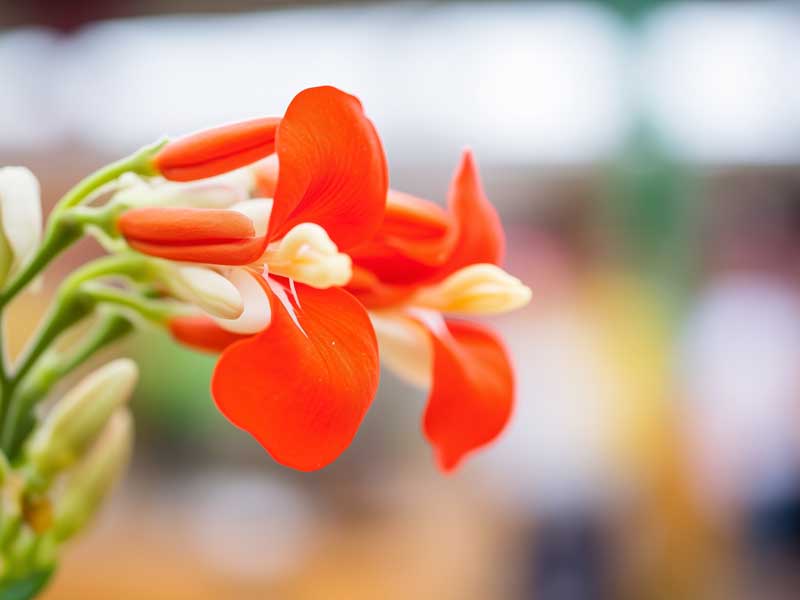
Scarlet Runner beans combine vibrant red flowers with a productive climbing habit. Grow these vigorous vines over a sturdy trellis or garden arch for a colourful display and a harvest of tender green beans. They are particularly well suited to cool and temperate Australian gardens.
Botanical name: Phaseolus coccineus
Why Grow Scarlet Runner Beans?
- Edible and ornamental: Bright scarlet flowers bring colour to the vegetable garden and attract bees.
- Vertical growing: Climbing vines make good use of garden height when trained onto strong supports.
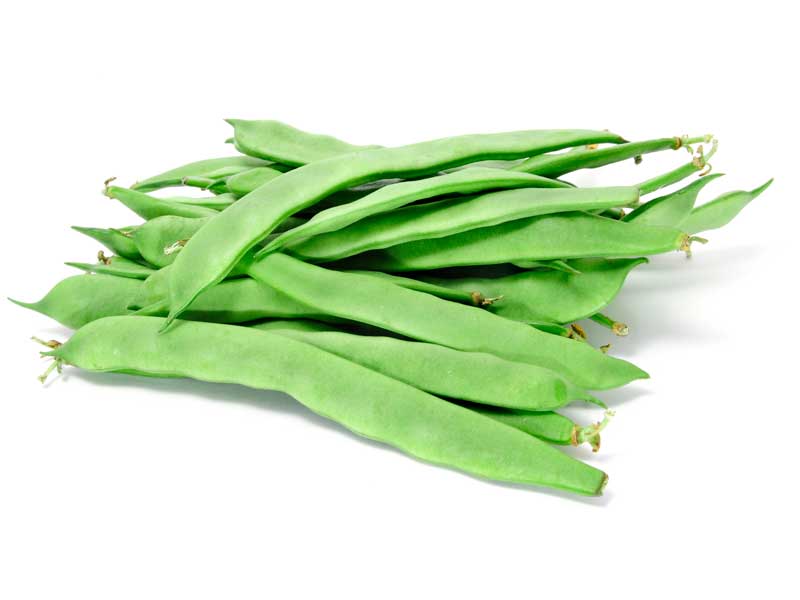
- Tender young pods: Harvest early for fresh green beans to cook as vegetable sides or add to meals.
- Dried bean option: Allow selected pods to mature for shelling and drying.
- Cool-climate favourite: A practical choice for gardens with mild summers and a frost-free growing season.
Plant Details
- Plant type: Tender perennial climbing bean, commonly grown as an annual.
- Plant height: Approximately 2–3 m or more with suitable support.
- Position: Full sun in a sheltered location.
- Support: Strong trellis, climbing frame or firmly anchored poles.
- Best for: Cool and temperate vegetable gardens, garden arches and large containers with climbing support.
How to Sow Scarlet Runner Bean Seeds
- Sowing method: Direct sow after frost danger has passed and the soil has warmed.
- Sowing depth: Approximately 3–5 cm.
- Plant spacing: 30–40 cm apart.
- Row spacing: Approximately 90 cm between trellised rows; allow additional room for access if needed.
- Germination: Usually 7–14 days in suitable conditions.
- Preferred germination soil temperature: Approximately 18–25°C.
- Soil: Fertile, well-drained soil enriched with mature compost.
Install climbing supports before sowing. Keep the seed bed moist without waterlogging, as seeds can rot in cold, wet soil. For container growing, choose a large, deep pot and provide reliable watering.
When to Sow Scarlet Runner Beans in Australia
Scarlet Runner beans grow best with warm soil and mild summer temperatures. Sow after the last frost and allow enough time for plants to establish, flower and crop before autumn cold. Persistent heat can reduce flower and pod production.
| Climate Zone | Suggested Sowing Season | Growing Notes |
|---|---|---|
| Temperate | Spring to early summer | Sow once frost danger has passed and the soil is warm. Mild summers favour cropping. |
| Subtropical | Generally unsuitable for hot lowland locations | Only trial in cooler elevated areas during a mild, frost-free period. Heat can limit pod set. |
| Tropical | Generally not recommended | Persistent heat and humidity make this a less reliable choice than beans suited to tropical conditions. |
| Cool / Alpine | Late spring to early summer | Wait until frost danger has passed. Choose a sunny, sheltered position and allow for the shorter growing season. |
| Arid / Semi-arid | Spring, where conditions are suitable | Trial during a mild, frost-free window with reliable irrigation. Extreme heat and dry winds can reduce cropping. |
This is a general seasonal guide. Adjust sowing to local frost dates, elevation and summer temperatures.
Growing Tips
- Provide strong support: Guide young shoots onto the trellis as they begin climbing.
- Water consistently: Keep soil evenly moist, particularly during flowering and pod development.
- Mulch around plants: Conserve moisture and help keep roots cool, leaving space around the stems.
- Avoid excessive nitrogen: Heavy nitrogen feeding can encourage leafy growth at the expense of flowers.
- Pick regularly: Frequent harvesting of young pods encourages continued production.
Harvesting Fresh Scarlet Runner Beans
Begin checking for harvest approximately 60–90 days after sowing, depending on conditions. Pick pods while young, tender and before the beans inside become prominent. Older pods can become stringy and fibrous.
Cook the pods before eating. Enjoy them steamed, boiled or added to vegetable dishes.
Harvesting Dried Beans
For dried beans, leave selected pods to mature until they become brown and papery and the seeds inside are hard. Drying takes longer than harvesting fresh pods and depends on the season.
If wet weather threatens, move mature pods under cover to finish drying in a well-ventilated place. Shell when fully dry and store in an airtight container in a cool, dry location. Soak dried beans and boil thoroughly before eating.
Reviews
There are no reviews yet.