

Fenugreek Herb Seeds
Botanical Name: Trigonella foenum-graecum
Quantity: 100 grams
Fenugreek, also known as methi, is a fast-growing annual herb cultivated for its aromatic green leaves and distinctive seeds. Fresh methi leaves are widely used in Indian, Middle Eastern, North African and Mediterranean cooking, while the mature seeds are valued as a culinary spice.
Key Attributes
Fresh Methi LeavesGrow aromatic fresh fenugreek leaves for curries, flatbreads, lentil dishes and vegetables. |
Fast-Growing HerbQuick to germinate and suitable for harvesting as tender baby leaves or mature foliage. |
Leaves and SeedsHarvest the green leaves or allow selected plants to mature and produce culinary seed. |
Easy to GrowA reliable annual herb that can be direct-sown into garden beds, planters and containers. |
Container FriendlyWell suited to pots, balcony planters, raised beds and compact kitchen gardens. |
Annual LegumeA member of the legume family with attractive trifoliate leaves and small pale flowers. |
Product Description
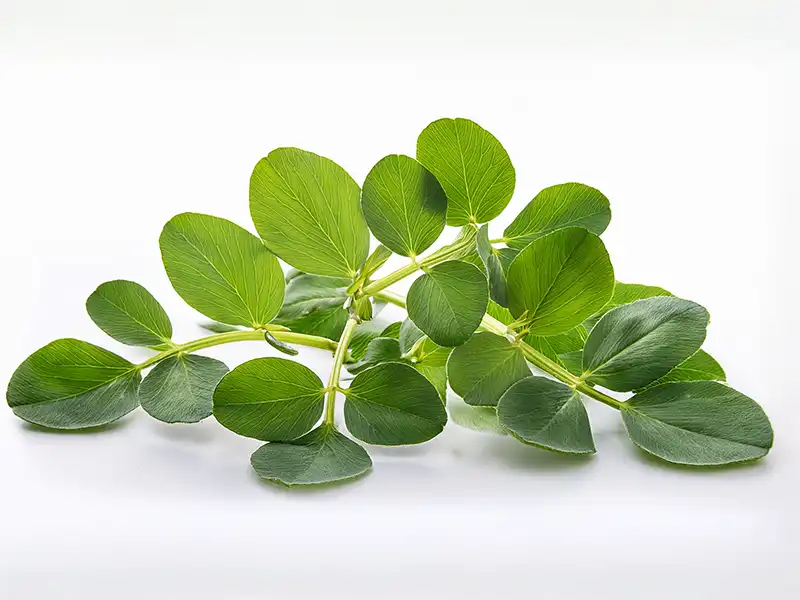
Fenugreek is a versatile culinary herb grown for its fresh leaves, tender young shoots and aromatic mature seeds. Known as methi in Indian cooking, the plant produces upright stems with three-part green leaves, small cream-coloured flowers and slender pods containing angular yellow-brown seeds.
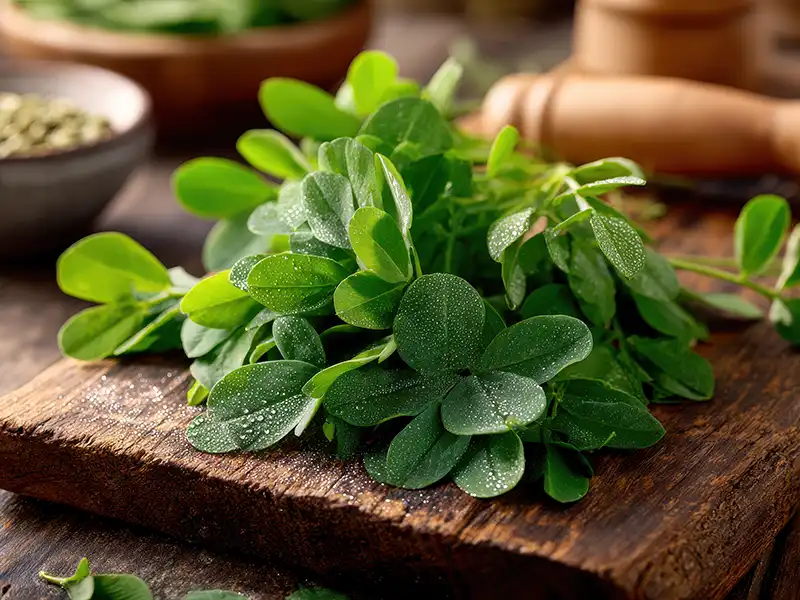
Fresh methi leaves have a distinctive savoury, aromatic and mildly bitter flavour. They are commonly added to curries, dals, vegetable dishes, flatbreads, sauces and herb mixtures. The leaves may be harvested young as baby greens or allowed to develop into larger plants for repeated selective picking.
Fenugreek grows quickly in mild conditions and is suitable for home gardens, market gardens, raised beds and containers. Gardeners who want mature fenugreek seed can leave selected plants uncut and allow the flowers and pods to develop fully.
These seeds are intended for growing fenugreek as a garden herb. For jar sprouting or microgreen production, choose Seedmart’s dedicated Fenugreek Sprouting Seeds or Fenugreek Microgreen Seeds.
Why Grow Fenugreek?
- Produces fresh methi leaves for cooking.
- Fast-growing annual herb with an early leaf harvest.
- Young leaves can be harvested as tender baby greens.
- Mature plants can produce aromatic culinary seeds.
- Suitable for garden beds, raised beds and containers.
- Useful for home gardeners and fresh herb growers.
- Easy to sow directly where the plants will grow.
- Well suited to successive sowings for a continuous harvest.
Plant Details
| Plant Type | Annual culinary herb and legume |
| Growth Habit | Upright to lightly branching |
| Plant Height | Approx 30–60 cm |
| Leaf Type | Green trifoliate leaves with three small leaflets |
| Flower Colour | Cream to pale yellow |
| Days to Leaf Harvest | Approximately 25–40 days for young leaves |
| Life Cycle | Annual |
Sowing Information
| Sowing Method | Direct sow where the plants will grow |
| Sowing Depth | Approximately 5–10 mm |
| Germination | Usually 3–10 days in suitable conditions |
| Soil Temperature | Approximately 10–25°C |
| Plant Spacing | Approximately 10–15 cm for mature plants |
| Row Spacing | Approximately 20–30 cm |
| Position | Full sun to light afternoon shade |
| Soil | Fertile, moderately moist and free draining |
When to Sow Fenugreek in Australia
| Climate Zone | Best Planting Time | Growing Notes |
|---|---|---|
| Cool | September – March | Sow after severe frost risk has eased and avoid prolonged extreme heat. |
| Temperate | March – June and August – November | Best grown through mild autumn and spring conditions. |
| Subtropical | March – September | Grow during the cooler and less humid part of the year. |
| Tropical | April – August | Best suited to the cooler dry season with good airflow and drainage. |
| Arid | March – May and August – October | Sow during mild weather and maintain consistent moisture during establishment. |
These sowing periods are general guides. Local frost dates, elevation, rainfall, seasonal temperatures and extreme weather should also be considered.
How to Grow Fenugreek
Choose a sunny position with fertile, free-draining soil. Fenugreek is generally best direct-sown because it germinates quickly and does not require a long seedling-production period.
Sow seeds approximately 5–10 mm deep and water gently after planting. Keep the seedbed evenly moist during germination, but avoid saturated soil. Seedlings commonly emerge within 3–10 days when temperature and moisture conditions are suitable.
For baby-leaf production, seeds may be sown relatively densely and harvested while the plants are young. For larger, branching plants, thin the seedlings to approximately 10–15 cm apart.
Water regularly enough to maintain moderate soil moisture. Established plants tolerate short dry periods, but prolonged moisture stress may reduce leaf growth and encourage premature flowering.
For a continuous supply of fresh methi leaves, sow smaller batches every two to three weeks while seasonal conditions remain suitable.
Growing Fenugreek in Pots
Fenugreek grows well in pots, troughs and balcony planters. Choose a container with unrestricted drainage and a minimum depth of approximately 15–20 cm.
Fill the container with a quality potting mix and position it in full sun or a location with light afternoon protection during hot weather. Sow more densely when growing baby leaves, or thin seedlings when larger mature plants are required.
Container-grown fenugreek can dry out more quickly than plants growing in garden soil. Check the potting mix regularly and water when the surface begins to dry, without leaving the container waterlogged.
Harvest
Begin harvesting young methi leaves once the plants are established and have developed several sets of leaves. Depending on the growing conditions, the first light harvest may be possible approximately 25–40 days after sowing.
Cut the upper leaves and tender stems with clean scissors, leaving healthy lower growth so the plants can recover. Avoid removing all the foliage from plants intended to provide repeated harvests.
For a one-time baby-leaf harvest, plants may be cut closer to the base. Leaves are generally most tender when harvested before flowering.
To produce mature fenugreek seeds, leave selected plants uncut. Allow them to flower and develop pods, then harvest once the pods have dried and turned yellow-brown.
Using Fresh Methi Leaves
Fresh fenugreek leaves have a savoury, aromatic and characteristically mild bitter flavour. They may be used fresh or cooked in:
- Indian curries and vegetable dishes
- Dal and other lentil dishes
- Methi paratha and savoury flatbreads
- Potato and fenugreek dishes
- Rice dishes and pilafs
- Soups, sauces and stews
- Fresh herb mixtures
Young leaves are generally milder and more tender than older foliage. Mature leaves may have a stronger flavour and are often cooked rather than eaten raw.
Growing Fenugreek for Seed
To harvest mature fenugreek seed, allow healthy plants to grow without repeated leaf cutting. The plants will produce small pale flowers followed by narrow seed pods.
Leave the pods on the plants until they become dry and yellow-brown. Harvest before the pods split or are damaged by wet weather.
Dry the pods fully in a protected and well-ventilated location. Break them open over a clean tray, separate the seed from the plant material and ensure the seeds are thoroughly dry before storage.
Store harvested seed in a labelled, airtight container in a cool, dry and dark location.
Perfect For
- Home herb gardens
- Growing fresh methi leaves
- Indian and Middle Eastern cooking
- Kitchen gardens and raised beds
- Pots, troughs and balcony planters
- Baby-leaf production
- Successive sowings for regular harvests
- Market gardens and fresh herb production
- Growing mature fenugreek seed
Frequently Asked Questions
Are methi and fenugreek the same?
Yes. Methi is a commonly used name for fenugreek. Fresh methi generally refers to the green leaves of Trigonella foenum-graecum, while methi seeds are the mature fenugreek seeds.
How long does fenugreek take to germinate?
Fenugreek commonly germinates within approximately 3–10 days when sown into moist, free-draining soil at a suitable temperature. Cold, dry or excessively wet conditions may delay germination.
When can fenugreek leaves be harvested?
Young leaves may usually be harvested approximately 25–40 days after sowing. The exact timing depends on temperature, sunlight, moisture, soil fertility and the preferred size of the leaves.
Can fenugreek be grown in pots?
Yes. Fenugreek is well suited to pots and containers. Use a free-draining potting mix, provide good sunlight and keep the growing medium moderately moist.
Does fenugreek need full sun?
Fenugreek generally performs best in full sun. In very hot conditions, light afternoon shade may help protect the foliage from heat stress.
Is fenugreek an annual or perennial?
Fenugreek is an annual plant. It germinates, grows, flowers, produces seed and completes its life cycle within one growing season.
Can fenugreek be harvested more than once?
Fenugreek may produce additional growth after a light harvest when enough healthy foliage and lower stem growth remain. Regrowth depends on plant maturity, cutting height, temperature, moisture and general growing conditions.
Should fenugreek seeds be soaked before sowing?
Soaking is optional for garden sowing. Seeds may be sown dry into consistently moist soil. A short soak may accelerate water uptake, but soaked seeds must be planted promptly and should not be left in saturated conditions.
Can these seeds be used for sprouting?
This product is intended for growing fenugreek as a garden herb. For producing sprouts for consumption, select seed specifically supplied and labelled as Fenugreek Sprouting Seeds.
Are fenugreek leaves the same as curry leaves?
No. Fenugreek leaves are produced by the annual herb Trigonella foenum-graecum. Curry leaves grow on the subtropical tree Murraya koenigii. They have different flavours and are not direct substitutes.
Are fenugreek and fennel the same?
No. Fenugreek is an annual legume with angular yellow-brown seeds. Fennel is a different plant with elongated seeds and a sweet anise-like flavour.
Can I save seed from fenugreek plants?
Yes. Allow healthy plants to flower and leave the pods until they are fully mature and dry. Remove the seeds from the dried pods and store them under cool, dry and dark conditions.
Browse our Fenugreek Seeds collection for herb, sprouting, microgreen and green manure options.
Reviews
There are no reviews yet.