

American Upland Cress Herb Seeds
Botanical Name: Barbarea verna
Other Names: Upland Cress, Winter Cress, Creasy Greens, Land Cress
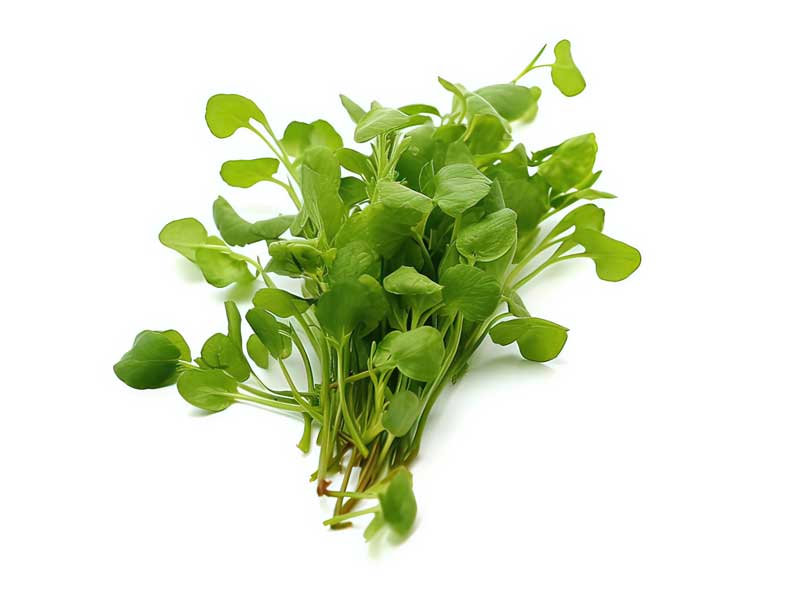
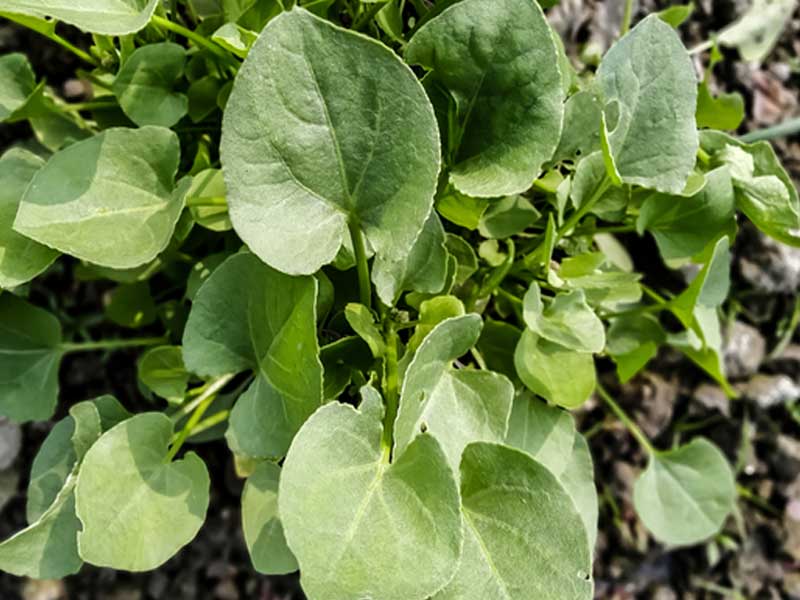
American Upland Cress is a fast-growing cool-season leafy herb and salad green producing compact rosettes of dark green leaves with a fresh, peppery flavour. Similar in flavour to watercress but grown in ordinary garden soil, Barbarea verna is an excellent choice for salads, sandwiches, garnishes and mixed leafy greens.
Also known as Upland Cress, Winter Cress and Creasy Greens, this hardy plant performs particularly well during the cooler months and can provide repeated harvests of young, tender leaves. The foliage develops a pleasantly sharp mustard-like character that adds flavour to fresh dishes.
Easy to grow from seed, American Upland Cress is suitable for vegetable gardens, herb gardens, raised beds and containers. Unlike true watercress, it does not require permanently wet or flowing water, making it much easier to grow in the home garden.
Key Attributes
Peppery Salad GreenProduces tender dark green leaves with a fresh, peppery flavour suited to salads, sandwiches, garnishes and mixed leafy greens. |
Watercress-Like FlavourOffers a pleasantly sharp flavour similar to watercress while growing readily in ordinary moist garden soil. |
Excellent Cool-Season CropHardy growth makes American Upland Cress particularly useful for autumn, winter and spring production in many Australian climates. |
Repeated Leaf HarvestsYoung outer leaves can be harvested progressively while allowing the centre of established plants to continue producing new growth. |
No Aquatic Growing RequiredUnlike true watercress, upland cress grows in ordinary garden beds, raised beds and containers without requiring flowing water. |
Compact & Easy to GrowIts compact leafy growth makes it an excellent choice for kitchen gardens, smaller vegetable beds and container growing. |
Product Description
American Upland Cress, botanically known as Barbarea verna, is a cool-season leafy plant belonging to the Brassicaceae family.
It is grown for its edible dark green leaves, which have a distinctive peppery, mustard-like flavour often compared with true watercress.
Unlike watercress, however, American Upland Cress does not need to be grown in running or permanently saturated water. It grows readily in fertile garden soil provided adequate moisture is available.
Plants initially form compact rosettes of leaves close to the ground. Young leaves can be harvested progressively for fresh use, while established plants continue producing foliage from the centre.
American Upland Cress is particularly useful as a cool-season green. It tolerates low temperatures well and can continue producing leaves during periods when many warm-season salad crops perform poorly.
As temperatures rise and plants mature, flowering stems develop and the plants eventually produce small yellow flowers characteristic of the genus Barbarea. For the best eating quality, harvest foliage while it is young and tender and make successive sowings where an extended supply is required.
Why Grow American Upland Cress?
- Fast-growing cool-season leafy green.
- Fresh, peppery and mildly mustard-like flavour.
- Flavour commonly compared with watercress.
- Does not require aquatic growing conditions.
- Easy to grow in ordinary garden soil.
- Produces attractive dark green foliage.
- Young leaves are excellent for fresh harvesting.
- Suitable for repeated leaf picking.
- Excellent for salads and sandwiches.
- Useful as a garnish and mixed salad green.
- Performs particularly well in cool conditions.
- Suitable for autumn, winter and spring production.
- Can be grown in vegetable and herb gardens.
- Excellent for raised garden beds.
- Suitable for pots and containers.
- Useful for small-space kitchen gardens.
- Suitable for successive sowings.
- Hardy alternative to warm-season leafy greens.
Plant Details
| Plant Type | Cool-season leafy herb / salad green |
| Common Names | American Upland Cress, Upland Cress, Winter Cress, Creasy Greens, Land Cress |
| Botanical Name | Barbarea verna |
| Family | Brassicaceae |
| Growth Habit | Compact basal rosette, becoming upright when flowering |
| Plant Height | Approximately 15–30 cm for leafy growth; taller when flowering |
| Leaf Colour | Dark green |
| Flavour | Fresh, peppery and mildly mustard-like; similar to watercress |
| Edible Parts | Young leaves and tender shoots |
| Flower Colour | Yellow |
| Position | Full sun in cool weather to partial shade |
| Life Cycle | Biennial, commonly grown as an annual leafy crop |
Sowing Information
| Sowing Method | Direct sow where plants will grow or raise in seed trays |
| Sowing Depth | Approximately 3–5 mm; cover lightly with fine soil |
| Germination | Usually approximately 7–14 days under suitable conditions |
| Plant Spacing | Approximately 15–20 cm for mature plants; closer for young leaf production |
| Row Spacing | Approximately 20–30 cm |
| Position | Full sun during cool weather; partial shade beneficial in warmer conditions |
| Soil | Fertile, moisture-retentive and well drained |
| Water Requirements | Maintain consistent soil moisture for tender leaf growth |
When to Sow American Upland Cress Seeds in Australia
| Climate Zone | Suggested Sowing Time | Growing Notes |
|---|---|---|
| Cool | Spring – autumn | Well suited to extended cool-season production. Protect young seedlings during severe frost where necessary. |
| Temperate | Autumn – spring | Excellent cool-season leafy crop. Successive sowings can extend the harvesting period. |
| Subtropical | March – August | Best grown through the cooler months. Afternoon shade can help maintain leaf quality as temperatures increase. |
| Tropical | Cool, dry season | Grow during the coolest available period with partial shade and reliable moisture. |
| Arid | Autumn – spring | Provide regular irrigation and protection from extreme heat and drying winds. |
These sowing periods are general guides. Local frost, temperature, rainfall, elevation and seasonal conditions should also be considered.
How to Grow American Upland Cress from Seed
American Upland Cress is easy to establish from seed and can be direct sown into garden beds or started in seed trays.
Prepare a fertile, well-drained growing area with sufficient organic matter to retain moisture.
Sow seeds shallowly, approximately 3–5 mm deep, and cover lightly with fine soil or seed-raising mix.
Water gently after sowing and keep the soil consistently moist while germination occurs.
Seeds generally germinate within approximately 7–14 days under favourable conditions.
Once seedlings are established, thin them to approximately 15–20 cm apart for mature plants. Plants intended primarily for harvesting as young leaves can be grown more closely.
Keep the crop evenly watered. Consistent moisture encourages rapid growth and helps produce tender, good-quality foliage.
Growing American Upland Cress in Australian Conditions
American Upland Cress is particularly useful as an autumn and winter leafy crop across much of Australia.
In cool regions, plants can be grown through an extended season whenever conditions remain mild.
Temperate areas can generally grow upland cress from autumn through spring.
In subtropical areas such as South East Queensland, autumn and winter provide particularly favourable growing conditions.
In tropical areas, concentrate production into the coolest and driest months and provide protection from intense afternoon heat.
As temperatures rise, plants become more likely to produce flowering stems. For the best leaf quality, make fresh sowings rather than attempting to maintain old plants through prolonged hot weather.
Soil Preparation
American Upland Cress performs best in fertile soil that retains moisture without remaining permanently waterlogged.
Before sowing:
- Remove existing weeds.
- Loosen compacted soil.
- Incorporate well-decomposed compost where required.
- Level the seedbed to provide good seed-to-soil contact.
- Water dry soil before sowing if necessary.
Unlike true watercress, upland cress does not require aquatic conditions.
Ordinary vegetable garden soil is suitable provided the plants receive adequate moisture.
Watering Upland Cress
Reliable moisture is important for producing tender leaves with good eating quality.
Water regularly during:
- Seed germination
- Seedling establishment
- Rapid leaf development
- Warm or dry weather
- Periods following substantial harvesting
Avoid allowing plants to repeatedly wilt.
Mulching around established plants can help conserve moisture, suppress weeds and maintain cooler soil conditions.
Although upland cress enjoys moist soil, it does not require standing or flowing water.
Growing American Upland Cress in Pots
American Upland Cress is well suited to pots, troughs and other containers.
Choose a container with adequate drainage holes and fill it with a fertile, moisture-retentive potting mix.
Seeds can be sown directly into the final container.
Keep the potting mix consistently moist, particularly because containers can dry considerably faster than garden beds.
During cool weather, position containers in full sun.
As temperatures increase, morning sun with afternoon shade can help maintain tender foliage and extend the harvesting period.
Growing Upland Cress in Raised Beds
Raised beds provide excellent growing conditions for American Upland Cress.
The crop can be grown in rows or small blocks and combines well with other cool-season leafy vegetables and herbs.
Maintain adequate moisture because raised beds can dry faster than surrounding soil.
Successive sowings can be made in separate sections of the bed to provide a continuous supply of young leaves.
Harvesting American Upland Cress
Young leaves can be harvested once plants are well established and have produced sufficient foliage.
For repeated harvesting, pick individual outer leaves while leaving the central growing point intact.
Alternatively, young leaves can be harvested in larger quantities for salads and mixed leafy greens.
The leaves are generally at their best while young and tender.
As plants mature and begin producing flower stems, foliage can become stronger in flavour and less tender.
Regular successive sowing provides a more consistent supply of high-quality young leaves.
Using American Upland Cress
American Upland Cress has a fresh, peppery flavour that works particularly well in dishes where a mild mustard or watercress-like character is desired.
Fresh leaves can be used in:
- Green salads
- Mixed leaf salads
- Sandwiches and rolls
- Wraps
- Garnishes
- Egg dishes
- Potato dishes
- Soups
- Fresh herb mixtures
- Cooked leafy green dishes
Young leaves generally have the most tender texture and balanced flavour.
American Upland Cress vs Watercress
American Upland Cress and watercress have similar peppery flavours but are different plants with substantially different growing requirements.
American Upland Cress – Barbarea verna
- Grows in ordinary garden soil.
- Does not require running water.
- Forms compact rosettes of dark green leaves.
- Excellent cool-season garden crop.
- Easy to grow in beds and containers.
- Fresh, peppery, watercress-like flavour.
Watercress – Nasturtium officinale
- Is a different botanical species.
- Naturally grows in aquatic or very wet environments.
- Produces creeping, succulent stems.
- Requires substantially different growing conditions.
For gardeners wanting a watercress-like leafy green without aquatic growing conditions, American Upland Cress is an excellent alternative.
American Upland Cress vs Garden Cress
American Upland Cress should also not be confused with ordinary garden cress.
American Upland Cress – Barbarea verna
- Forms established leafy rosettes.
- Can provide repeated leaf harvests.
- Particularly suited to cool-season garden production.
- Can be maintained as a longer-lived leafy crop.
Garden Cress – Lepidium sativum
- Is a separate species.
- Extremely fast growing.
- Commonly harvested very young.
- Frequently grown for sprouts, microgreens and baby leaf production.
Both have peppery foliage, but they differ considerably in growth habit and production style.
Successive Sowing
For a regular supply of young, tender leaves, sow small quantities of American Upland Cress at intervals during suitable cool weather.
Successive sowing is particularly useful as temperatures begin to change or when plants are harvested frequently.
New plantings can replace older plants as they begin flowering.
This approach provides more consistent leaf quality than relying on a single planting for the entire season.
Bolting and Flowering
As plants mature, particularly with increasing temperatures and day length, they begin producing upright flowering stems.
Small yellow flowers develop on these stems.
Flowering is part of the plant’s normal reproductive cycle.
If the crop is being grown primarily for leaves, harvest regularly and replace older flowering plants with younger successive sowings.
Plants intended for seed production can be allowed to flower and mature naturally.
Saving American Upland Cress Seed
To save seed, allow selected healthy plants to flower and develop mature seed pods.
Wait until the pods and stems begin drying before harvesting.
Collect the seed stems before large quantities of seed are naturally shed.
Place harvested stems in a dry, sheltered and well-ventilated location until completely dry.
Gently thresh the dried material to release the seeds.
Remove as much chaff as practical and store thoroughly dry seed in a labelled airtight container in cool, dry conditions.
Perfect For
- Home vegetable gardens
- Herb gardens
- Kitchen gardens
- Cool-season vegetable production
- Autumn and winter gardens
- Raised garden beds
- Pots and containers
- Small-space gardens
- Successive sowings
- Fresh salad greens
- Sandwiches and wraps
- Peppery leafy greens
- Watercress-style flavour
- Cut-and-come-again harvesting
- Market and kitchen garden production
- Gardeners wanting an easy-to-grow alternative to watercress
Frequently Asked Questions
What is American Upland Cress?
American Upland Cress is a cool-season edible leafy plant grown for its dark green leaves and fresh, peppery flavour. It is also known as upland cress, winter cress and creasy greens.
What is the botanical name of American Upland Cress?
The botanical name is Barbarea verna.
Is American Upland Cress the same as watercress?
No. American Upland Cress is Barbarea verna, while true watercress is Nasturtium officinale. They have similar peppery flavours but different growth habits and growing requirements.
Does Upland Cress need running water?
No. One of the major advantages of upland cress is that it grows in ordinary garden soil. It does not require the aquatic or flowing-water environment associated with true watercress.
What does American Upland Cress taste like?
The leaves have a fresh, peppery and mildly mustard-like flavour often compared with watercress.
Can American Upland Cress be eaten raw?
Yes. Young leaves are excellent eaten fresh in salads, sandwiches, wraps and as a garnish.
Can Upland Cress be cooked?
Yes. The leaves can also be lightly cooked and used similarly to other leafy greens.
Is American Upland Cress an annual or perennial?
Barbarea verna is generally classified as a biennial, although it is commonly grown as an annual leafy crop in vegetable and herb gardens.
How tall does American Upland Cress grow?
Leafy plants generally remain relatively compact at approximately 15–30 cm, although flowering stems can grow considerably taller.
When should American Upland Cress be planted in Australia?
It is best grown during cool to mild weather. Autumn through spring suits many temperate areas, while subtropical growers should concentrate production into the cooler months.
Can American Upland Cress grow in Brisbane?
Yes. It is particularly well suited to Brisbane’s cooler autumn and winter growing period. Some afternoon shade can be beneficial as temperatures rise.
Can Upland Cress grow in tropical Australia?
It can be grown during the coolest part of the year. Choose a position protected from intense afternoon heat and maintain reliable moisture.
Does Upland Cress need full sun?
Full sun is suitable during cool weather. Partial shade can be beneficial as temperatures increase, particularly in warmer Australian climates.
How deep should Upland Cress seeds be planted?
Sow seeds shallowly, approximately 3–5 mm deep, and cover lightly with fine soil.
How long does American Upland Cress take to germinate?
Seeds commonly germinate within approximately 7–14 days under suitable conditions.
Can American Upland Cress be direct sown?
Yes. Seeds can be direct sown where the plants will grow or started in trays and transplanted while young.
How far apart should Upland Cress plants be?
For mature plants, approximately 15–20 cm spacing is suitable. Plants intended for harvesting as young leaves can be grown more closely.
Can American Upland Cress be grown in pots?
Yes. Its compact growth makes it well suited to pots, troughs and other containers.
Can Upland Cress be grown in raised beds?
Yes. Raised beds are excellent provided the soil is fertile and moisture is maintained consistently.
How often should Upland Cress be watered?
Water sufficiently to keep the soil consistently moist without prolonged waterlogging. Regular moisture helps maintain tender leaf growth.
Can American Upland Cress tolerate frost?
It is a hardy cool-season plant and tolerates cold conditions well. Severe frost may still damage tender foliage, particularly on young plants.
Does Upland Cress tolerate hot weather?
It prefers cool conditions. Prolonged heat can reduce leaf quality and encourage plants to produce flowering stems.
Can American Upland Cress be harvested more than once?
Yes. Pick mature outer leaves while leaving the central growing point intact to allow further foliage to develop.
When should Upland Cress leaves be harvested?
Harvest when leaves are young, healthy and tender. Regular picking helps maintain a supply of fresh foliage.
Why is my Upland Cress flowering?
Flowering is a natural part of the plant’s life cycle and becomes more likely as plants mature and conditions become warmer.
What colour are American Upland Cress flowers?
Mature plants produce small yellow flowers.
Can I save seed from American Upland Cress?
Yes. Allow selected plants to flower and form mature seed pods, then collect and thoroughly dry the seed before storage.
Is American Upland Cress the same as garden cress?
No. American Upland Cress is Barbarea verna, while garden cress is Lepidium sativum. Garden cress is generally much faster growing and is frequently harvested at a very young stage.
What is another name for American Upland Cress?
Common names include Upland Cress, Winter Cress, Creasy Greens and Land Cress.
Why grow Upland Cress instead of watercress?
Upland cress provides a similar fresh, peppery flavour but can be grown in ordinary garden soil without the specialised wet growing conditions associated with true watercress.
Is American Upland Cress suitable for successive sowing?
Yes. Sowing small batches at intervals during cool weather is an excellent way to maintain a regular supply of tender young leaves.
Is American Upland Cress suitable for home gardens?
Yes. Its compact growth, cool-season performance and ability to grow in ordinary garden soil make it particularly useful for home vegetable and herb gardens.
Reviews
There are no reviews yet.