
Peppermint Herb Seeds
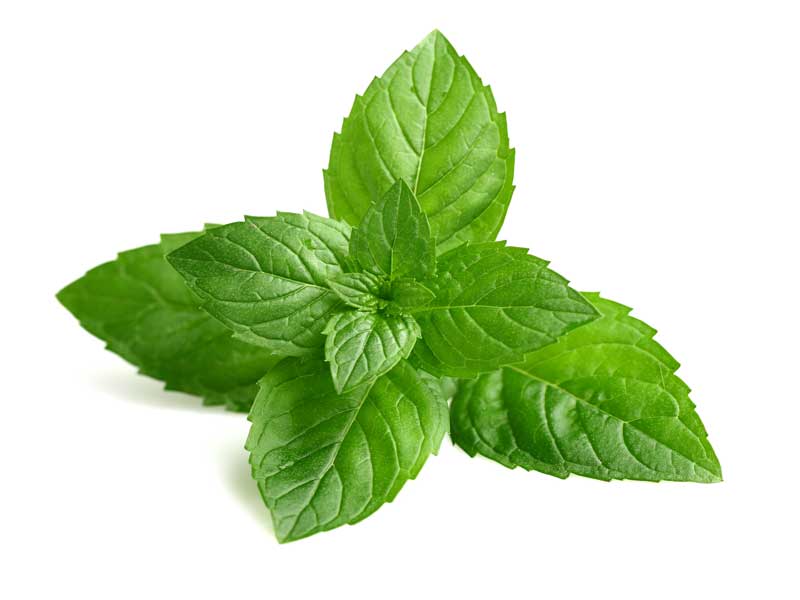
Grow fresh, aromatic peppermint at home for herbal teas, cooking, drinks and fragrant garden plantings. Peppermint (Mentha × piperita) is a vigorous perennial herb valued for its strongly aromatic leaves and distinctive cool, refreshing mint flavour.
Peppermint develops leafy stems with fragrant green foliage and, once established, can spread readily through underground runners. The leaves can be harvested throughout the growing season and used fresh or dried for tea, desserts, sauces, drinks and a wide range of culinary applications.
Well suited to garden beds, herb gardens and containers, peppermint prefers consistently moist soil and performs well in full sun to partial shade. Because established plants can spread beyond their original planting area, growing peppermint in pots or contained garden beds is often a practical option.
Peppermint Seed Details
| Botanical name | Mentha × piperita |
|---|---|
| Common name | Peppermint |
| Plant type | Perennial herb |
| Plant height | Approximately 30–90 cm, depending on growing conditions |
| Position | Full sun to partial shade |
| Sowing depth | Surface sow or cover very lightly |
| Plant spacing | Approximately 30–45 cm |
| Soil | Moist, fertile, well-drained soil |
Why Grow Peppermint?
- Produces strongly aromatic leaves with a distinctive cool, refreshing mint flavour.
- Excellent for fresh herbal tea and homemade tea blends.
- Fresh leaves can be used in desserts, drinks, sauces and other culinary dishes.
- A productive perennial herb that can regrow after harvesting.
- Performs well in full sun to partial shade.
- Well suited to herb gardens, raised beds and containers.
- Leaves can be harvested fresh or dried for later use.
- Container growing provides an easy way to manage peppermint’s naturally spreading habit.
How to Grow Peppermint from Seed
Peppermint seed is very small and should be sown close to the surface. Seedlings can be started in trays or pots where moisture and temperature are easier to manage, then transplanted into their permanent position once sufficiently established.
- Choose a suitable position.
Select a location in full sun to partial shade. In hot climates, some protection from intense afternoon sun can help reduce moisture stress. - Prepare moist, fertile soil.
Peppermint grows best in fertile soil that retains moisture while still draining adequately. Incorporate compost or well-rotted organic matter where required. - Sow the peppermint seeds.
Surface sow the fine seed onto moist seed-raising mix and gently press it into the surface. Cover only very lightly, if at all, rather than burying the seed deeply. - Maintain consistent moisture.
Keep the growing medium consistently moist during germination without allowing it to become waterlogged. Gentle watering or misting can help avoid displacing the tiny seeds. - Provide suitable light and warmth.
Place seed trays in a bright position with mild to warm conditions. Avoid allowing the surface of the seed-raising mix to dry out while germination is taking place. - Transplant established seedlings.
Once seedlings are large enough to handle and have developed a healthy root system, transplant them into pots or their permanent garden position. - Space plants correctly.
Allow approximately 30–45 cm between plants where peppermint is being grown in garden beds. - Harvest regularly.
Once plants are well established, harvest leafy stems as required. Regular trimming encourages fresh leafy growth and helps maintain compact plants.
When to Plant Peppermint Seeds in Australia
Peppermint is a hardy perennial herb that generally establishes most readily during mild growing conditions. Sowing time varies with climate, with cooler regions favouring spring establishment and warmer regions often benefiting from sowing during the cooler part of the year.
| Climate | General Sowing Guide |
|---|---|
| Tropical | Sow during the milder and relatively drier part of the year; protect young plants from extreme heat and maintain adequate moisture |
| Subtropical | Autumn through spring is generally suitable; avoid establishing young seedlings during periods of extreme heat |
| Temperate | Spring is ideal for outdoor establishment; seed can also be started under protection before conditions warm |
| Cool / frost-prone | Start seed under protection in late winter or spring, or direct sow once conditions have warmed |
Established peppermint is relatively hardy, but young seedlings are more vulnerable to temperature extremes and drying. Local temperatures and moisture conditions should therefore be considered when deciding when to sow.
Harvesting Peppermint
Peppermint leaves can be harvested once plants are well established and producing vigorous leafy growth. Individual leaves can be picked as required, or entire stems can be cut for larger harvests.
For fresh use: Pick healthy leaves or leafy stems as required for teas, drinks, desserts and cooking.
For drying: Harvest clean, healthy stems and dry the leaves thoroughly in a well-ventilated location away from direct sunlight before storing.
For continued growth: Avoid removing all foliage from young or recently established plants. Once plants are mature, regular trimming can encourage branching and fresh leafy growth.
For particularly aromatic leaves, harvest before or around the beginning of flowering, when plants are actively growing.
How to Use Peppermint
Peppermint is one of the most recognisable culinary and tea herbs, valued for its refreshing aroma and cooling mint flavour.
- Herbal tea: Steep fresh or dried leaves in hot water to prepare a fragrant peppermint infusion.
- Cold drinks: Add fresh leaves to chilled water, iced tea and other refreshing drinks.
- Desserts: Use fresh peppermint as a flavouring or garnish for desserts, fruit and chocolate-based dishes.
- Cooking: Fresh leaves can be incorporated into selected sauces, dressings and savoury dishes.
- Fresh garnish: Young leaves provide an aromatic garnish for drinks, fruit and desserts.
- Drying: Dry surplus leaves for use in herbal teas and culinary preparations throughout the year.
Growing Peppermint in Pots
Peppermint is particularly well suited to container growing. Pots make it easier to provide consistent moisture and, importantly, help prevent established plants from spreading into surrounding garden areas.
Choose a reasonably sized container with adequate drainage holes and fill it with a quality potting mix. Position the container in full sun to partial shade and water regularly enough to prevent the growing medium from drying out completely.
Container-grown peppermint may require frequent watering during warm weather. However, good drainage remains important, as permanently waterlogged growing media can cause poor plant health.
Plants can be trimmed regularly to encourage fresh growth. If an established plant becomes crowded in its container, it can be divided and replanted.
Growing Peppermint from Seed
Peppermint is naturally a hybrid mint, traditionally recognised as a cross involving watermint and spearmint. Established peppermint is commonly propagated vegetatively because this preserves the characteristics of a particular plant.
When peppermint is grown from seed, some variation between individual seedlings may occur. Plants can differ somewhat in growth habit, aroma or other characteristics compared with clonally propagated peppermint.
Growing from seed nevertheless provides a practical way to establish a population of mint plants for the home herb garden. Once desirable plants are established, they can spread naturally and may also be propagated later by division or cuttings.
Frequently Asked Questions
What is peppermint?
Peppermint (Mentha × piperita) is a perennial mint valued for its strongly aromatic foliage and characteristic cooling flavour. It is widely grown as a culinary and herbal tea plant.
Is peppermint a perennial?
Yes. Peppermint is a perennial herb and can regrow for multiple seasons where conditions are suitable.
Does peppermint come back every year?
Established peppermint is perennial. In colder areas, above-ground growth may decline or die back during winter before new growth emerges when conditions improve.
Does peppermint need full sun?
Peppermint can grow in full sun to partial shade. In hot Australian climates, some afternoon shade can help reduce moisture stress, particularly when plants are grown in containers.
How deep should I sow peppermint seeds?
Peppermint seed is very small and should be surface sown or covered only very lightly. Press the seed gently onto moist seed-raising mix rather than burying it deeply.
How far apart should peppermint plants be spaced?
Approximately 30–45 cm between plants provides room for established plants to develop, although peppermint can spread beyond its original planting position.
Can peppermint be grown in pots?
Yes. Peppermint is an excellent herb for containers. Growing it in pots also helps control its spreading underground stems and prevents it from moving into unwanted areas of the garden.
How often should peppermint be watered?
Peppermint prefers consistently moist soil. Water often enough to prevent the soil from drying out completely, particularly during hot weather, while ensuring excess water can drain away.
Can peppermint grow in partial shade?
Yes. Peppermint performs well in partial shade and can be particularly suited to locations receiving morning sun and some protection from intense afternoon heat.
When should I plant peppermint seeds in Australia?
In temperate and cooler climates, spring is generally a suitable time for outdoor establishment, with seed also able to be started earlier under protection. In subtropical and tropical regions, sow during milder conditions and avoid establishing young plants during periods of extreme heat.
Can peppermint spread in the garden?
Yes. Peppermint can spread vigorously through underground stems once established. Containers or contained garden beds are useful where its spread needs to be restricted.
Can peppermint leaves be dried?
Yes. Peppermint leaves can be dried thoroughly and stored for later use, particularly for herbal tea and culinary applications.
Can I make tea from home-grown peppermint?
Yes. Fresh or properly dried peppermint leaves can be steeped in hot water to make a fragrant herbal infusion.
Why is my peppermint becoming leggy?
Insufficient light, overcrowding or a lack of regular trimming can contribute to long, less compact growth. Providing adequate light and harvesting or trimming stems regularly can encourage bushier growth.
Should peppermint flowers be removed?
Peppermint can be allowed to flower, particularly where flowers are wanted in the herb garden. If the main objective is continuous leafy growth, trimming flowering stems can help maintain a more compact plant and encourage fresh foliage.
Is peppermint grown from seed identical to established peppermint plants?
Not necessarily. Peppermint is a hybrid mint, and seed-grown plants can show some variation. Vegetative propagation by cuttings or division is generally used when an identical clone of a particular peppermint plant is required.
Where can I buy Peppermint seeds in Australia?
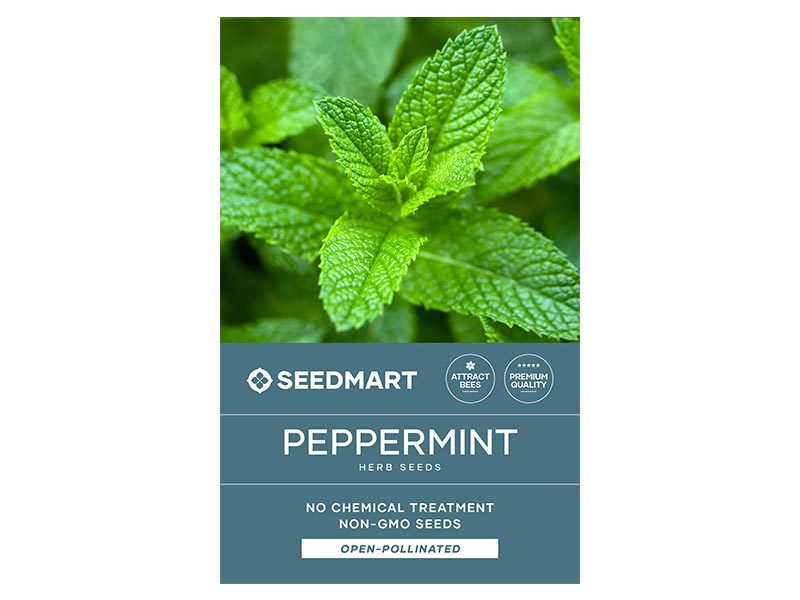
Seedmart supplies Peppermint herb seeds for Australian home gardeners and growers. Peppermint can be grown in herb gardens, raised beds and containers for fresh leaves, herbal tea, culinary use and drying.
Reviews
There are no reviews yet.