

Cress Curled Garden Seeds
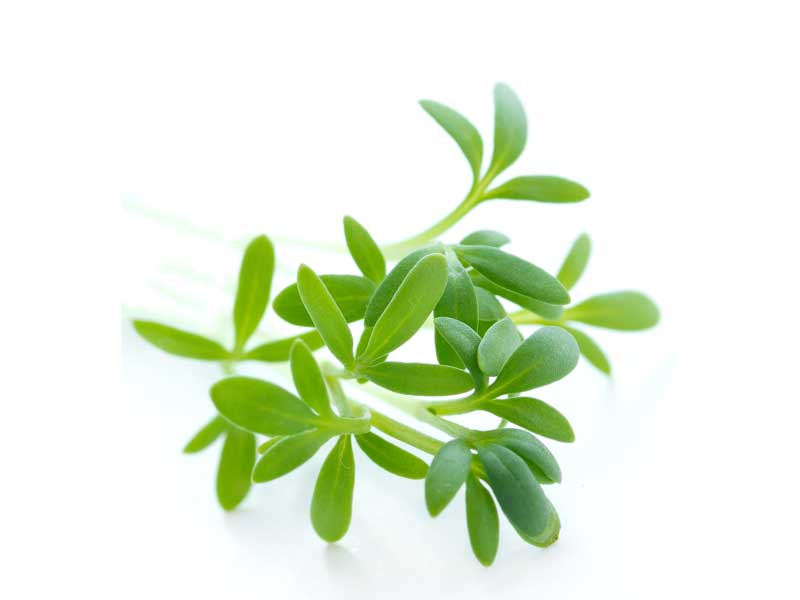
Grow fresh, peppery garden cress in just a few weeks, or harvest even earlier as tender microgreens. Curled Garden Cress (Lepidium sativum) is a fast-growing culinary herb producing finely divided green leaves with a fresh, pleasantly peppery flavour. It is an excellent choice for salads, sandwiches, wraps, garnishes and other dishes where a crisp, mildly spicy green is wanted.
Garden cress is particularly easy to grow and requires very little space. Seeds can be sown in garden beds and pots for larger plants or densely into shallow trays for microgreen production. It can also be grown indoors on a bright windowsill, making it useful for year-round production when outdoor conditions are unsuitable.
Seedmart Curled Garden Cress is an untreated, open-pollinated variety supplied in packet and bulk quantities for home gardeners, microgreen growers and commercial growers.
Curled Garden Cress Seed Details
| Botanical name | Lepidium sativum |
|---|---|
| Common names | Garden Cress, Curled Cress, Pepper Cress |
| Seed type | Open-pollinated |
| Seed treatment | Untreated |
| Plant type | Fast-growing annual culinary herb |
| Approximate seeds per gram | Approximately 450 seeds per gram; seed count can vary between lots |
| Sowing depth | Approximately 2–4 mm |
| Germination | Typically approximately 3–10 days, depending on temperature and growing conditions |
| Position | Full sun to partial shade; protect from excessive heat |
| Plant spacing | Approximately 10–15 cm for larger plants; sow densely for microgreens |
| Microgreen harvest | Approximately 8–14 days |
| Availability | Packet and bulk quantities |
Why Grow Curled Garden Cress?
- Very fast-growing herb that can provide a fresh harvest in a short period.
- Distinctive fresh, peppery flavour for salads, sandwiches, wraps and garnishes.
- Excellent for growing as microgreens.
- Can be grown in garden beds, pots, shallow trays or indoors on a bright windowsill.
- Requires relatively little growing space.
- Well suited to successive sowing for an ongoing supply.
- Performs particularly well during cooler and mild weather.
- Untreated, open-pollinated seed.
- Suitable for home and commercial microgreen production.
- Available in smaller packets and economical bulk quantities.
How to Grow Curled Garden Cress from Seed
Curled Garden Cress is one of the easiest edible greens to grow from seed. It prefers consistently moist growing conditions and generally performs best in mild temperatures. Sow directly where the plants are to grow, as there is usually little advantage in transplanting such a quick-growing crop.
- Choose the growing position.
Select a garden bed, container or tray with good light. Full sun is suitable during mild weather, while partial shade is beneficial in warmer conditions. - Prepare the growing medium.
Use fertile, free-draining soil or a quality potting or growing mix that holds adequate moisture without remaining waterlogged. - Sow the cress seeds.
Scatter or sow the seed shallowly at approximately 2–4 mm deep. Cover lightly with fine soil or growing medium and gently firm the surface. - Water gently.
Moisten the seedbed thoroughly using a gentle spray or fine watering rose so the small seeds are not displaced. - Maintain consistent moisture.
Keep the growing medium evenly moist during germination and throughout growth. Cress grows rapidly and performs best when it is not allowed to dry out. - Thin if growing larger plants.
For larger individual plants, thin seedlings to approximately 10–15 cm apart. Cress being grown for baby leaves or microgreens can be sown much more densely. - Harvest while tender.
Cut young leaves and stems when they reach the size you prefer. For a continual supply, make additional sowings every 1–2 weeks.
When to Plant Cress Seeds in Australia
Garden cress can be grown through much of the year in Australia, particularly because it is easily grown indoors. Outdoors, the best results are generally achieved during cooler and milder conditions.
| Climate | General Growing Guide |
|---|---|
| Cool | Grow through much of the year; indoor growing is useful during very cold conditions |
| Temperate | Suitable for much of the year, with particularly good growth during autumn, winter and spring |
| Subtropical | Best outdoors during the cooler months; provide shade during warm weather or grow indoors |
| Tropical | Grow during cooler periods or in a protected, shaded position; indoor production can provide more consistent conditions |
Because cress grows so quickly, repeated small sowings are usually more useful than planting a large crop at once. Sow a fresh batch approximately every 1–2 weeks when growing conditions are suitable for a regular supply of young leaves.
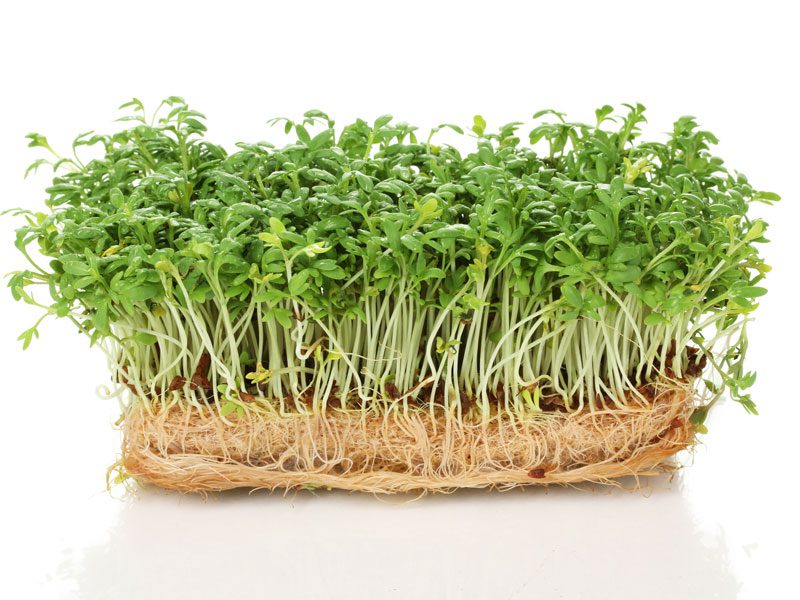
How to Grow Cress Microgreens
Curled Garden Cress is particularly well suited to microgreen production. The seedlings grow quickly, have a fresh peppery flavour and can be produced indoors in relatively little space.
For a standard 25 × 50 cm microgreen tray, approximately 25–30 grams of seed provides a useful starting sowing rate. Adjust the amount according to tray dimensions, seed lot and preferred crop density.
- Prepare the growing tray.
Add approximately 3–4 cm of moist soil or another suitable microgreen growing medium to a shallow tray and gently level the surface. Coir and purpose-made hemp growing mats can also be used. - Sow the cress seeds.
Spread the seed evenly over the growing surface. Aim for dense, even coverage without allowing large clumps of seed to accumulate. - Moisten the seeds.
Mist or water gently so the seeds have good contact with the moist growing medium. - Cover during early germination.
Cover the growing tray during the initial germination period to help retain moisture. Keep the tray in a well-ventilated position away from strong direct light. - Move into light.
Once the seeds have germinated and the seedlings begin developing, remove the cover and move the tray into suitable natural or artificial growing light. - Water as required.
Keep the growing medium consistently moist without allowing standing water to accumulate. Good airflow becomes increasingly important as the crop becomes dense. - Harvest the cress microgreens.
Cress microgreens are commonly ready to harvest approximately 8–14 days after sowing. Cut the young stems cleanly just above the growing medium when they have reached the preferred height and leaf development.
What Does Curled Garden Cress Taste Like?
Curled Garden Cress has a fresh, peppery flavour with a mild mustard-like bite. Young cress is crisp and tender, with enough pungency to add flavour without overwhelming other ingredients.
The distinctive flavour makes fresh cress especially useful in sandwiches, salads and wraps. It can also be scattered over soups, eggs, savoury dishes and cold platters immediately before serving.
Microgreens and young leaves generally provide the most tender texture and are particularly useful as a fresh garnish.
How to Use Garden Cress
Garden cress is most commonly used fresh so its crisp texture and distinctive peppery flavour are retained.
- Sandwiches: Add freshly cut cress to sandwiches and rolls for a classic peppery flavour.
- Salads: Mix young leaves or microgreens through leafy salads immediately before serving.
- Garnishes: Use the finely textured green leaves to finish soups, entrées and savoury dishes.
- Egg dishes: Pair with boiled eggs, omelettes, scrambled eggs and egg sandwiches.
- Wraps: Add fresh cress to wraps and filled flatbreads for flavour and texture.
- Microgreen mixes: Combine with milder microgreens where a fresh peppery component is wanted.
For the freshest texture, harvest only what is required and use soon after cutting.
Garden Cress vs Watercress
Despite their similar common names, garden cress and watercress are different plants with different growing requirements.
| Feature | Garden Cress | Watercress |
|---|---|---|
| Botanical name | Lepidium sativum | Nasturtium officinale |
| Growth habit | Fast-growing annual herb | Aquatic or semi-aquatic perennial |
| Typical growing method | Soil, pots, trays or microgreen growing media | Consistently wet growing environments |
| Flavour | Fresh and peppery | Peppery, often with a stronger watercress character |
If you are looking for the extremely fast-growing cress traditionally used in sandwiches or grown on windowsills, Curled Garden Cress (Lepidium sativum) is the appropriate type.
Growing Cress Indoors, in Pots or in the Garden
One of the advantages of garden cress is the number of different ways it can be grown.
Growing cress indoors: Sow into a shallow tray or container and place in a bright position once germination is underway. Indoor growing is particularly useful during very hot weather or when outdoor garden space is limited.
Growing cress in pots: Cress has a relatively compact growth habit and is well suited to containers. Keep the potting mix consistently moist and harvest young for the best texture.
Growing cress in garden beds: Direct sow into prepared soil and water regularly. During warmer periods, a position receiving some afternoon shade can help maintain tender growth.
Growing cress as microgreens: Sow more densely into shallow trays and harvest the entire young crop by cutting just above the growing medium.
Frequently Asked Questions
What is Curled Garden Cress?
Curled Garden Cress is a fast-growing edible herb, botanically known as Lepidium sativum. It produces tender green leaves with a characteristic fresh, peppery flavour and can be grown as microgreens or allowed to develop into larger plants.
How long does garden cress take to grow?
Garden cress is exceptionally quick growing. Microgreens can commonly be harvested approximately 8–14 days after sowing, while larger young leaves can be harvested as the plants develop over the following weeks. Growth rate varies with temperature, moisture, light and other growing conditions.
How long do cress seeds take to germinate?
Cress seed can germinate very quickly under suitable conditions, commonly within approximately 3–10 days. Temperature and moisture can significantly affect germination speed.
Can garden cress be grown as microgreens?
Yes. Curled Garden Cress is particularly well suited to microgreen production and produces tender green seedlings with a distinctive peppery flavour.
Do cress seeds need to be soaked before planting?
Pre-soaking is generally unnecessary when growing Curled Garden Cress as microgreens or in soil. Sow the seed onto or just beneath a thoroughly moistened growing surface and maintain even moisture during germination.
Can cress be grown indoors?
Yes. Cress is one of the easiest culinary greens to grow indoors. A shallow container or microgreen tray positioned in good natural or artificial growing light can provide a crop without requiring an outdoor garden.
Can I grow cress without a garden?
Yes. Cress can be grown in pots, shallow trays and other suitable containers, making it an excellent choice for balconies, patios, kitchens and small spaces.
Can cress grow all year round?
Garden cress can be produced during much of the year, especially when indoor growing is used to avoid temperature extremes. Outdoors, it generally performs best during cooler and mild weather.
Does cress prefer sun or shade?
Garden cress can grow in full sun during mild weather but benefits from partial shade as temperatures rise. In hot Australian conditions, protection from strong afternoon sun can help maintain tender growth and reduce heat stress.
How often should I water garden cress?
Water often enough to keep the growing medium consistently moist but not waterlogged. Shallow containers and densely planted microgreen trays may require particularly close attention because they can dry relatively quickly.
How can I keep a continuous supply of fresh cress?
Rather than sowing a large quantity at one time, sow smaller batches every 1–2 weeks. Successive sowing provides crops at different growth stages and makes it easier to maintain a regular supply.
What does garden cress taste like?
Garden cress has a fresh, peppery flavour with a mild mustard-like bite. It is traditionally used in sandwiches and salads and also works well in wraps, egg dishes and as a fresh garnish.
Is garden cress the same as watercress?
No. Garden cress is Lepidium sativum, while watercress is Nasturtium officinale. They are different species with different growth habits and cultivation requirements.
Can garden cress be grown in soil?
Yes. It can be direct sown into garden soil, raised beds, pots or trays. Use a fertile growing medium that retains moisture while still providing adequate drainage.
How deep should I plant cress seeds?
Cress seeds should be sown very shallowly, at approximately 2–4 mm deep, or lightly pressed onto the surface when being grown as microgreens.
How many Cress Curled seeds are in a gram?
There are approximately 450 Curled Garden Cress seeds per gram. Seed size naturally varies between seed lots, so this figure should be treated as an approximate guide.
Where can I buy Curled Garden Cress seeds in Australia?
Seedmart supplies Curled Garden Cress seeds in packet and bulk quantities for home gardeners, microgreen growers and commercial growers throughout Australia.
Julie –
These seeds smell when wet, and when they grow the cress has a bitter taste. Not al all what I was expecting we used to eat cress sandwiches they were lovely and sweet.
Julie –
This cress is very pungent and has a sharp taste. Not at all what I thought I was getting. Not suitable for cress sandwiches at all. Very disappointed.
Corinne Manintveld –
Well packed and shipped fast. The seeds germinate well and within a week you can eat the sprouts. I love the pungent taste of the cress. Thank you for supplying this lovely product.
Colin Burgess –
I bought the smaller pack of cress seeds to do a few trials on them so far I’m happy with the product, I’m getting, from what I can see almost 100% germination. I have yet to taste test it but unless it fails in that regard I intend to purchase more in perhaps a larger quantity, I’m only growing for personal use.
Ferenc Orban –
Germinates just after a day, producing super cool looking microgreen leaves that quckly became some of my customers new favourite.
Thank you for this great product