
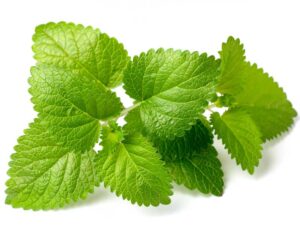
Chervil Herb Seeds
Botanical Name: Anthriscus cerefolium
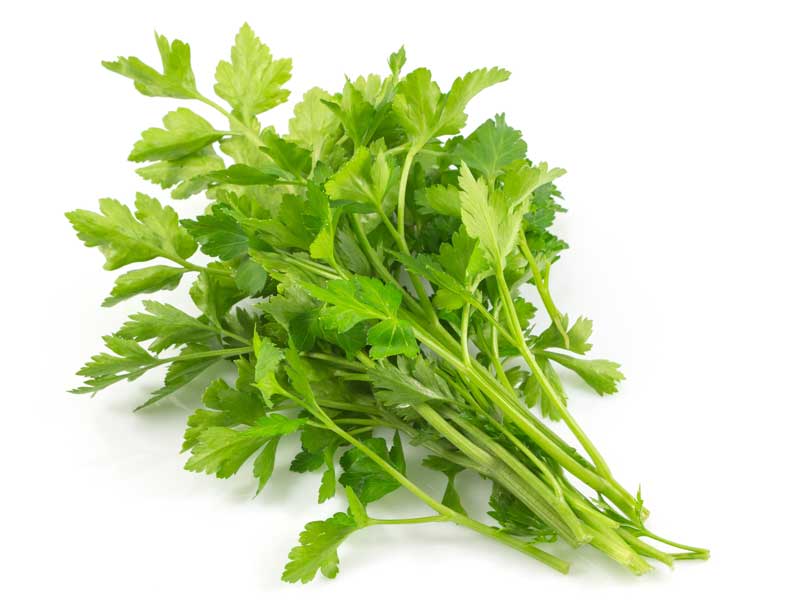
Chervil is a delicate, fast-growing culinary herb prized for its finely divided green leaves and mild flavour with subtle parsley and anise notes. A traditional ingredient in French cuisine, chervil is particularly well suited to salads, egg dishes, soups, sauces, vegetables and fresh herb mixtures.
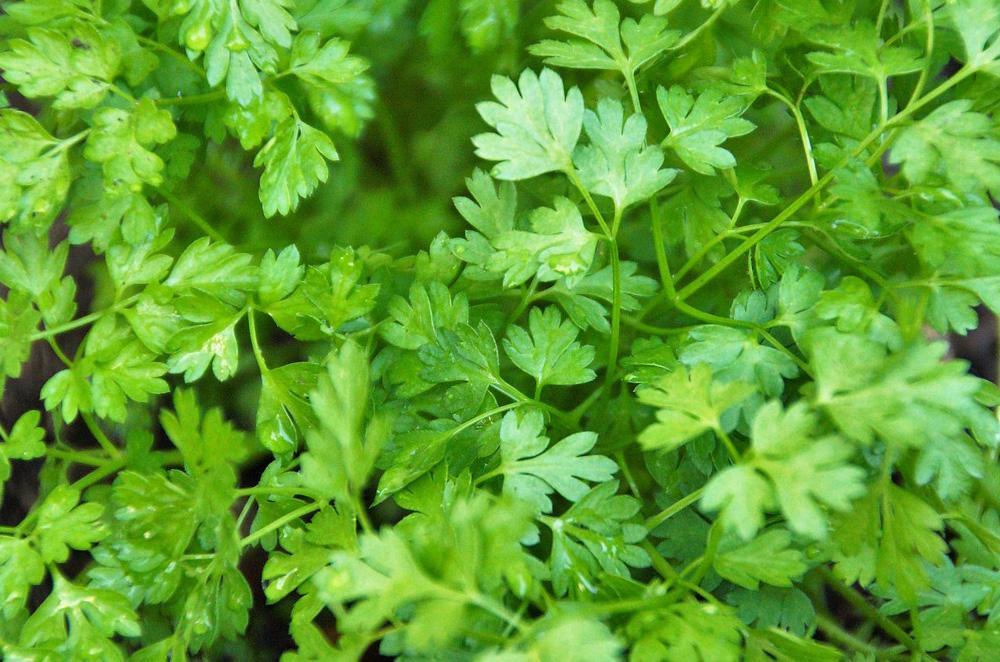
Also known as French parsley or garden chervil, Anthriscus cerefolium is a cool-season annual that grows best in mild conditions. The soft, fern-like foliage can be harvested progressively while young and tender, making chervil an excellent choice for home herb gardens, kitchen gardens, raised beds, containers and market garden production.
Unlike many Mediterranean herbs, chervil prefers cooler conditions and benefits from light shade as temperatures increase. Successive sowings through the suitable growing season can provide a regular supply of fresh leaves.
Key Attributes
Classic Culinary HerbTraditional French herb with a delicate flavour combining mild parsley-like freshness with subtle anise notes. |
Fine Fern-Like FoliageProduces attractive, finely divided green leaves with a soft texture, ideal for harvesting fresh from the garden. |
Fast-Growing HerbDevelops quickly during favourable cool conditions, allowing tender foliage to be harvested within several weeks of sowing. |
Excellent Cool-Season CropParticularly well suited to autumn, winter and spring production, depending on the local Australian climate. |
Suitable for Successive SowingSmall batches can be sown regularly during suitable weather to maintain a continuous supply of young, tender leaves. |
Garden or Container GrowingIdeal for herb gardens, kitchen gardens, raised beds, containers and other productive garden spaces. |
Product Description
Chervil, botanically known as Anthriscus cerefolium, is an annual culinary herb belonging to the Apiaceae family, which also includes parsley, coriander, carrot and dill.
Often called French parsley or garden chervil, it produces soft, finely divided green foliage with an attractive fern-like appearance.
Chervil is particularly associated with French cooking and is one of the traditional herbs used in fines herbes. Its delicate flavour is milder than parsley, with subtle anise-like notes that complement rather than dominate other ingredients.
Fresh leaves are commonly added to salads, eggs, vegetables, soups, sauces, fish and poultry dishes. Because its flavour is delicate and diminishes with prolonged cooking, chervil is generally added towards the end of cooking or used fresh immediately before serving.
Chervil is naturally a cool-season plant. It grows rapidly during mild conditions but can bolt and produce flowering stems when exposed to increasing temperatures and longer days.
For the best leaf production, grow chervil during the cooler parts of the year and maintain consistent soil moisture. Light shade can be beneficial, particularly in warmer Australian climates.
Why Grow Chervil?
- Classic European culinary herb.
- Traditional ingredient in French cuisine.
- Also known as French parsley and garden chervil.
- Delicate parsley-like flavour with subtle anise notes.
- Produces attractive, finely divided green foliage.
- Fast growing under suitable cool conditions.
- Excellent for fresh leaf harvesting.
- Suitable for successive sowings.
- Ideal cool-season herb.
- Can tolerate light partial shade.
- Suitable for home herb gardens.
- Excellent for kitchen gardens.
- Can be grown in raised beds.
- Suitable for pots and containers.
- Useful for salads, sauces and egg dishes.
- Traditional component of French fines herbes.
Plant Details
| Plant Type | Cool-season annual culinary herb |
| Common Names | Chervil, Garden Chervil, French Parsley |
| Botanical Name | Anthriscus cerefolium |
| Family | Apiaceae |
| Growth Habit | Compact to upright, leafy and finely branched |
| Plant Height | Approximately 30–60 cm when mature and flowering |
| Foliage | Soft, finely divided, fern-like green leaves |
| Flavour | Mild parsley-like flavour with subtle anise notes |
| Flower Colour | White |
| Harvest | Young leaves generally ready approximately 6–8 weeks after sowing under suitable conditions |
| Position | Full sun in cool weather to partial shade |
| Life Cycle | Annual |
Sowing Information
| Sowing Method | Direct sow where plants will grow; chervil generally dislikes unnecessary root disturbance |
| Sowing Depth | Approximately 5 mm; cover lightly with fine soil |
| Germination | Usually approximately 10–21 days under suitable conditions |
| Plant Spacing | Approximately 10–20 cm |
| Row Spacing | Approximately 20–30 cm |
| Position | Full sun during cool weather; partial shade beneficial in warmer conditions |
| Soil | Fertile, moisture-retentive and well drained |
| Successive Sowing | Every 2–4 weeks during suitable cool weather |
When to Sow Chervil Seeds in Australia
| Climate Zone | Suggested Sowing Time | Growing Notes |
|---|---|---|
| Cool | Spring – autumn | Chervil performs well through extended periods of mild weather. Avoid exposed sites during severe winter conditions. |
| Temperate | Autumn – spring | Excellent cool-season herb. Light shade can help extend harvesting as temperatures rise. |
| Subtropical | March – August | Best grown during the cooler months. Provide partial shade and consistent moisture as temperatures increase. |
| Tropical | Coolest, driest months | Grow during the coolest available period in a sheltered position with afternoon shade and reliable moisture. |
| Arid | Autumn – spring | Protect from extreme heat and drying winds. Consistent irrigation and some afternoon shade can improve leaf quality. |
These sowing periods are general guides. Local frost, temperature, elevation, rainfall and seasonal conditions should also be considered.
How to Grow Chervil from Seed
Chervil is generally best direct sown because the plants develop a taproot and can dislike unnecessary root disturbance.
Choose a position with fertile, well-drained soil that retains sufficient moisture during active growth.
Full sun is suitable during cool weather. As temperatures rise, a position receiving morning sun and afternoon shade can help maintain tender foliage and delay bolting.
Prepare the soil by removing weeds and incorporating well-decomposed compost where required.
Sow seeds approximately 5 mm deep and cover lightly with fine soil.
Water gently after sowing and maintain even soil moisture during germination.
Seeds generally germinate within approximately 10–21 days under suitable conditions.
Thin seedlings to approximately 10–20 cm apart once established.
Avoid allowing young plants to dry severely, as moisture stress can reduce leaf quality and encourage premature flowering.
Growing Chervil in Australian Conditions
Chervil is best regarded as a cool-season herb across much of Australia.
In cool climates, it can be grown for an extended period from spring through autumn where conditions remain mild.
In temperate regions, autumn, winter and spring generally provide excellent conditions.
In subtropical areas such as South East Queensland, chervil is particularly useful as an autumn and winter herb.
Tropical gardeners should concentrate production into the coolest part of the year and provide protection from intense afternoon sun.
Chervil becomes increasingly prone to bolting as temperatures and day length increase.
Successive Sowing
Chervil is relatively fast growing but does not remain in prime leaf-producing condition indefinitely.
For a continuous harvest, sow small quantities approximately every 2–4 weeks while seasonal conditions remain suitable.
Successive sowing is particularly useful for culinary growers who want regular supplies of young, tender foliage.
Older plants can be allowed to flower and set seed while younger plantings replace them for kitchen use.
Watering Chervil
Consistent moisture is important for producing tender, good-quality foliage.
Avoid allowing the soil to dry completely during active growth.
The most important watering periods include:
- Seed germination
- Seedling establishment
- Rapid leaf development
- Periods of warm or dry weather
- Following substantial harvesting
Water the root zone thoroughly while avoiding permanently saturated conditions.
Mulching around established plants can help conserve moisture and maintain cooler soil conditions.
Growing Chervil in Partial Shade
Unlike many culinary herbs, chervil does not require intense sunlight throughout the day.
Full sun is suitable in cool weather, but light or partial shade can be beneficial as temperatures rise.
A position receiving morning sun followed by afternoon shade can help:
- Reduce heat stress
- Maintain tender foliage
- Reduce moisture loss
- Delay premature bolting
- Extend the useful harvesting period
This makes chervil particularly useful for garden areas that receive less direct sunlight than rosemary, thyme or other Mediterranean herbs require.
Growing Chervil in Pots
Chervil grows well in pots and containers.
Choose a reasonably deep container with good drainage to accommodate the root system.
Fill with a fertile, high-quality potting mix.
Sow seed directly into the final container where possible.
Keep the potting mix consistently moist but not waterlogged.
Position containers in full sun during cool conditions or provide afternoon shade as the weather becomes warmer.
Container-grown chervil can dry quickly, so check soil moisture regularly.
Growing Chervil in Raised Beds
Raised beds are excellent for chervil where they contain fertile soil with good moisture-holding capacity.
Direct sow seeds in short rows or small patches.
Maintain reliable moisture, particularly because raised beds may dry faster than surrounding ground.
Successive sowings can be made in different sections of the bed to maintain a continuous harvest.
Chervil also combines well with other cool-season herbs and leafy vegetables.
Harvesting Chervil
Begin harvesting once plants have developed sufficient healthy foliage, commonly approximately 6–8 weeks after sowing under favourable conditions.
Young leaves generally have the best texture and flavour.
Harvest individual outer leaves or cut small stems as required.
Avoid removing all foliage from young plants at once.
Regular light harvesting encourages continued production while conditions remain suitable.
Use clean scissors when harvesting larger quantities.
For the best culinary quality, harvest during the cooler part of the day and use the foliage as soon as practical.
Using Fresh Chervil
Fresh chervil has a delicate flavour that can be lost during prolonged cooking.
For this reason, it is usually added shortly before serving.
Chervil is excellent for:
- Fresh salads
- Egg dishes
- Omelettes
- Soups
- Light sauces
- Fish dishes
- Poultry dishes
- Cooked and steamed vegetables
- Potato dishes
- Fresh herb butters
- Herb dressings
- Garnishes
- French-style herb mixtures
Add chopped chervil towards the end of cooking to retain as much of its fresh flavour as possible.
Chervil and Fines Herbes
Chervil is particularly associated with the classic French herb mixture known as fines herbes.
Traditional combinations commonly include chervil with herbs such as:
- Parsley
- Chives
- Tarragon
The herbs are finely chopped and generally used fresh.
Because these herbs have relatively delicate flavours, they are commonly added late in the cooking process rather than subjected to prolonged heat.
What Does Chervil Taste Like?
Chervil has a delicate, fresh flavour that is often compared with mild parsley combined with subtle anise or liquorice notes.
It is considerably milder than many strongly flavoured culinary herbs.
This makes chervil particularly useful where a fresh herbal character is wanted without overpowering other ingredients.
Young leaves generally provide the most delicate flavour and texture.
Why Does Chervil Bolt?
Bolting occurs when the plant changes from vegetative leaf growth to flowering and seed production.
Chervil naturally bolts as it matures, particularly when temperatures rise and days become longer.
Bolting may be accelerated by:
- Warm weather
- Increasing day length
- Dry soil
- Root disturbance
- Other environmental stress
Once flowering stems develop, leaf production declines and the foliage becomes less desirable for culinary harvesting.
Successive sowing is therefore preferable to trying to maintain a single planting indefinitely.
Chervil Flowers
Mature chervil plants produce small white flowers arranged in umbels characteristic of the Apiaceae family.
The flowers appear once plants begin their reproductive stage.
If fresh leaves are the main objective, replace bolting plants with younger successive sowings.
Where seed production is desired, allow selected healthy plants to flower naturally and develop mature seed.
Saving Chervil Seed
Chervil is an annual plant and can be allowed to complete its natural life cycle for seed production.
Select healthy, vigorous plants and allow them to flower.
After pollination, seed develops on the flowering stems.
Wait until the seeds mature and begin turning brown and dry.
Harvest the seed heads before substantial seed is shed.
Place them somewhere dry and well ventilated to complete drying where necessary.
Rub or gently thresh the dried seed heads to release the seed.
Remove as much chaff as practical.
Store completely dry seed in a labelled container in cool, dry conditions.
Chervil vs Parsley
Chervil and parsley are related but distinct culinary herbs.
Chervil – Anthriscus cerefolium
- Fine, delicate fern-like foliage.
- Mild parsley-like flavour with subtle anise notes.
- Cool-season annual.
- More prone to bolting in warm conditions.
- Traditionally associated with French cuisine.
Parsley – Petroselinum crispum
- Stronger parsley flavour.
- Generally more substantial foliage.
- Biennial commonly grown as an annual herb.
- Usually more tolerant of a wider range of growing conditions.
Although chervil is sometimes called French parsley, it is a separate botanical species.
Chervil vs Coriander
Chervil and coriander both belong to the Apiaceae family but have distinctly different flavours.
Chervil has a mild, delicate parsley-and-anise character.
Coriander has a much stronger and more distinctive flavour and aroma.
Both are cool-season annual herbs that can bolt rapidly as temperatures rise, and both benefit from successive sowing where continuous leaf production is required.
Perfect For
- Home herb gardens
- Kitchen gardens
- French-style herb gardens
- Cool-season herb production
- Autumn and winter gardens
- Raised garden beds
- Pots and containers
- Partially shaded garden positions
- Successive sowings
- Fresh herb harvesting
- Salads and garnishes
- Egg and omelette dishes
- Soups and sauces
- Fish and poultry dishes
- Fresh herb butter
- Traditional fines herbes
- Market and kitchen garden production
Frequently Asked Questions
What is chervil?
Chervil is a delicate annual culinary herb with finely divided green leaves and a mild parsley-like flavour with subtle anise notes.
What is the botanical name of chervil?
The botanical name is Anthriscus cerefolium.
Is chervil the same as French parsley?
French parsley is a common name for chervil, although chervil and true parsley are separate botanical species.
Is chervil an annual or perennial?
Chervil is an annual herb that grows, flowers and produces seed within one life cycle.
What does chervil taste like?
Chervil has a delicate flavour similar to mild parsley with subtle anise or liquorice notes.
How is chervil used in cooking?
Fresh chervil is used in salads, egg dishes, soups, sauces, fish, poultry, vegetables, herb butters and garnishes. It is also a traditional component of French fines herbes.
Should chervil be cooked?
Chervil can be added to cooked dishes, but prolonged heating reduces its delicate flavour. Add it near the end of cooking or immediately before serving.
How tall does chervil grow?
Mature flowering plants generally reach approximately 30–60 cm, although plants harvested regularly for foliage may remain considerably smaller.
When should chervil be planted in Australia?
Chervil is best grown during cool to mild weather. Autumn through spring suits many temperate regions, while subtropical gardeners should concentrate sowing into the cooler autumn and winter months.
Can chervil grow in Brisbane?
Yes. Chervil grows well in Brisbane during the cooler months. Autumn and winter are particularly suitable, and afternoon shade can help as temperatures rise.
Can chervil grow in tropical Australia?
Chervil can be grown during the coolest part of the year. Provide partial shade, consistent moisture and protection from extreme heat.
Does chervil need full sun?
Not necessarily. Full sun is suitable in cool weather, but chervil performs well in partial shade and can benefit from afternoon shade in warmer climates.
Can chervil grow in shade?
Chervil tolerates light to partial shade well. Deep shade may reduce growth, but some shade can be beneficial in warm conditions.
How deep should chervil seeds be planted?
Sow chervil seeds shallowly, approximately 5 mm deep, and cover lightly with fine soil.
How long does chervil take to germinate?
Germination generally takes approximately 10–21 days under suitable conditions.
Should chervil be direct sown?
Yes. Direct sowing is generally recommended because chervil develops a taproot and does not particularly benefit from transplanting.
Can chervil be transplanted?
It is possible to transplant young seedlings carefully, but direct sowing into the final growing position is generally preferable.
How far apart should chervil plants be?
Approximately 10–20 cm between plants is suitable for most home garden production.
How long does chervil take to harvest?
Young foliage can generally be harvested approximately 6–8 weeks after sowing under suitable conditions.
Can chervil be harvested more than once?
Yes. Harvest individual leaves and small stems while leaving sufficient foliage for continued growth.
How often should I sow chervil?
For a continuous supply of tender foliage, sow small batches approximately every 2–4 weeks while conditions remain cool enough.
Why is my chervil flowering?
Flowering or bolting is a natural response to maturity, increasing day length and warm temperatures. Dry conditions and other stresses can accelerate the process.
Can I stop chervil from bolting?
Bolting cannot be prevented indefinitely. Growing chervil during cool weather, providing consistent moisture and using partial shade as temperatures rise can help extend leaf production.
Can chervil be grown in pots?
Yes. Chervil grows well in pots and troughs with fertile potting mix, good drainage and reliable moisture.
Can chervil grow in raised beds?
Yes. Raised beds are excellent provided the soil remains sufficiently moist and fertile.
How often should chervil be watered?
Maintain consistent soil moisture without waterlogging. Avoid repeatedly allowing plants to wilt or the soil to become extremely dry.
Does chervil tolerate hot weather?
Chervil prefers cool to mild weather. Prolonged heat encourages rapid bolting and reduces the period during which tender leaves can be harvested.
Is chervil frost tolerant?
Chervil tolerates cool conditions and light frost better than hot weather, although severe frost can damage tender foliage.
Can I save chervil seed?
Yes. Allow selected healthy plants to flower and produce mature seed. Harvest the seed heads once they become brown and dry.
Is chervil the same as parsley?
No. Chervil is Anthriscus cerefolium, while common parsley is Petroselinum crispum. They are related but distinct species.
Is chervil the same as coriander?
No. Chervil and coriander belong to the same plant family but have different flavours, appearances and culinary uses.
What is the difference between chervil and parsley?
Chervil has finer, more delicate foliage and a milder flavour with subtle anise notes. Parsley generally has a stronger flavour and more substantial foliage.
What herbs are traditionally combined with chervil?
Chervil is traditionally combined with parsley, chives and tarragon in the French herb mixture known as fines herbes.
Is chervil suitable for market gardens?
Yes. Its delicate fresh leaves can be grown as a specialty culinary herb, particularly where growers can provide cool conditions and make regular successive sowings.
What is the best position for growing chervil?
Choose fertile, moisture-retentive, well-drained soil with full sun during cool weather or partial shade in warmer conditions.
Reviews
There are no reviews yet.