
Tatsoi Vegetable Seeds
Botanical Name: Brassica rapa var. narinosa
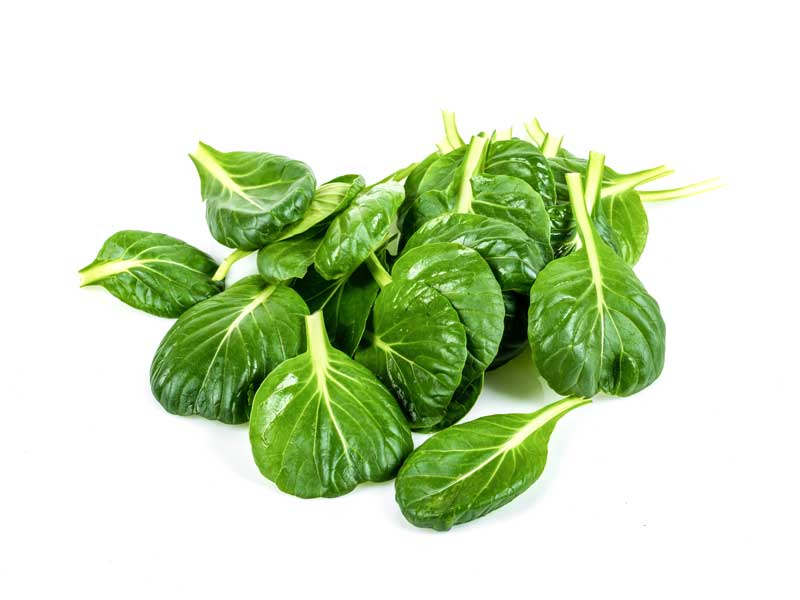
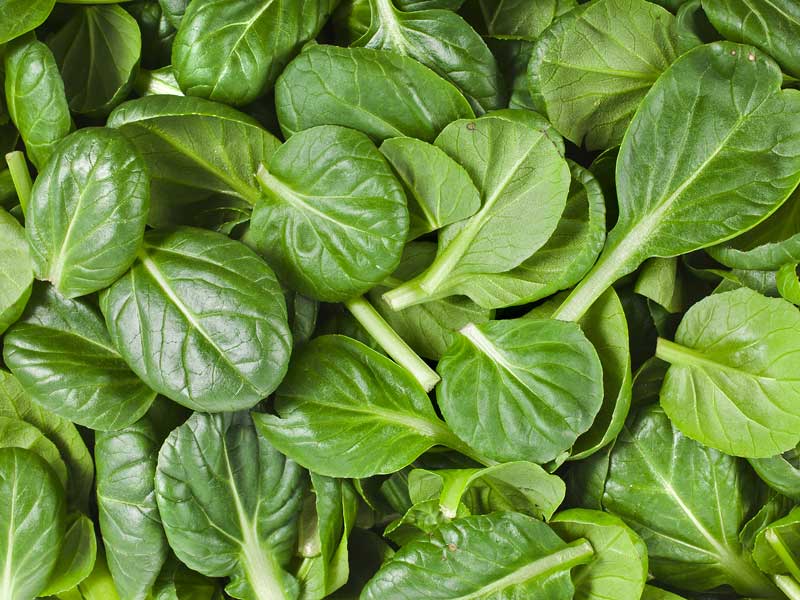
Tatsoi is a compact, cool-season Asian leafy vegetable producing glossy dark green, spoon-shaped leaves arranged in attractive low-growing rosettes. Sometimes described as a type of Asian spinach or mustard green, Tatsoi has a mild brassica flavour with subtle mustard notes and a tender texture.
The young leaves are excellent for salads and baby-leaf mixes, while larger leaves can be steamed, stir-fried, sautéed or added to soups and noodle dishes. Tatsoi is particularly useful through the cooler months when many leafy vegetables perform at their best.
Fast growing and relatively easy to cultivate, Tatsoi can be harvested as baby leaf or allowed to develop into mature rosettes. It is suitable for vegetable gardens, raised beds, market gardens and containers throughout Australia.
Key Attributes
- Compact Asian leafy vegetable with dark green, spoon-shaped leaves.
- Mild brassica flavour with subtle mustard notes.
- Excellent for baby leaf and mature vegetable production.
- Fast-growing cool-season crop.
- Suitable for salads, stir-fries, soups and steamed dishes.
- Grows well in garden beds, raised beds and containers.
- Suitable for successive sowing through the cooler growing season.
- Useful for home gardens and market garden production.
Product Description
Tatsoi, botanically known as Brassica rapa var. narinosa, is a leafy Asian brassica valued for its compact growth, attractive dark green foliage and versatile culinary uses.
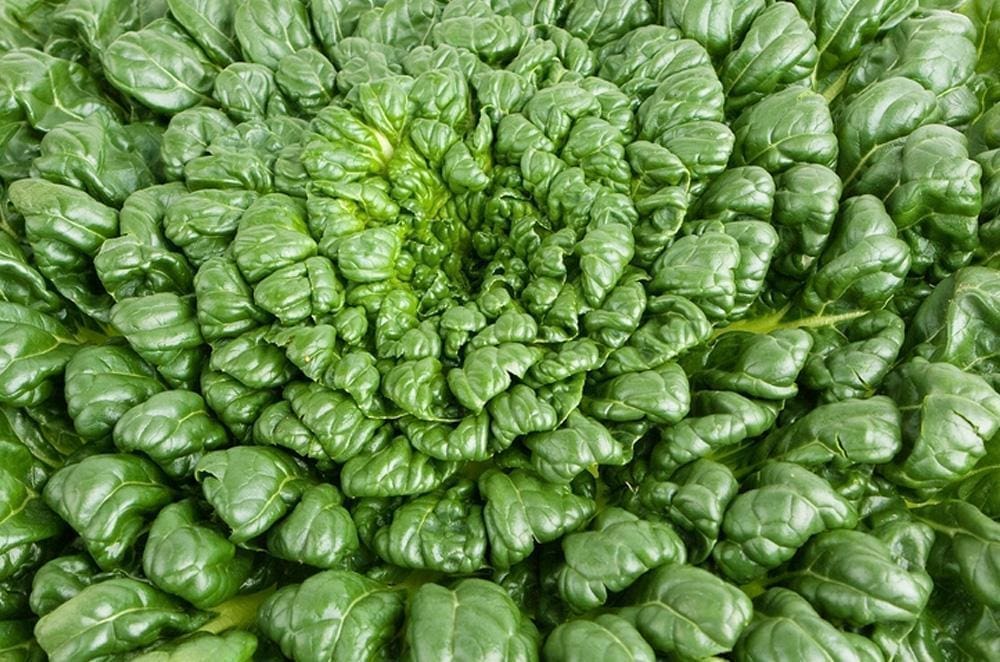
Plants form low, spreading rosettes of smooth, rounded to spoon-shaped leaves with pale green stems. In cool conditions, mature plants can develop a dense, neatly layered appearance that makes Tatsoi attractive as well as productive.
Tatsoi can be harvested at several stages. Young leaves are tender and suitable for salads and baby-leaf mixes, while mature leaves develop a more substantial texture and are particularly well suited to cooking.
The flavour is generally milder than many mustard greens, making Tatsoi a useful Asian vegetable for growers who prefer a fresh brassica flavour without excessive heat.
Tatsoi performs best in cool to mild conditions. Warm weather can accelerate growth but may also encourage plants to bolt, so autumn, winter and spring are generally the most productive seasons in many Australian climates.
Tatsoi Plant Details
Tatsoi Sowing Information
When to Sow Tatsoi Seeds in Australia
Tatsoi is primarily a cool-season vegetable. The best planting period depends on local climate, with growers in warmer regions generally concentrating production through autumn and winter.
These sowing periods are general guides. Local temperature, frost, rainfall, elevation and seasonal conditions should also be considered.
How to Grow Tatsoi from Seed
Tatsoi is easy to establish from seed and grows rapidly in cool to mild conditions.
Choose a position receiving full sun during cool weather. In warmer districts, light afternoon shade can help protect the leaves from excessive heat.
Prepare fertile, well-drained soil enriched with well-decomposed compost or organic matter where required.
Sow Tatsoi seeds approximately 5–10 mm deep and cover lightly with fine soil.
Keep the seedbed consistently moist during germination without saturating the soil.
Seeds generally germinate in approximately 5–10 days under suitable conditions.
Once seedlings are established, thin plants to approximately 15–25 cm apart where full-sized rosettes are required. Plants being grown for baby-leaf production can be spaced much more closely.
Maintain regular moisture throughout the growing period. Consistent watering helps produce tender leaves and reduces plant stress.
Growing Tatsoi for Baby Leaf
Tatsoi is particularly well suited to baby-leaf production because the young leaves are tender, attractive and quick to develop.
Sow more densely than you would for mature plants and begin harvesting once the leaves reach the preferred salad size.
Baby Tatsoi leaves can be used alone or combined with lettuce, rocket, mustard greens and other Asian vegetables in salad mixes.
Successive sowings every few weeks during suitable cool conditions can help provide a continuous harvest.
Growing Tatsoi to Maturity
For mature Tatsoi plants, allow approximately 15–25 cm between plants so the characteristic rosette has room to develop.
Mature plants produce overlapping spoon-shaped leaves on crisp pale stems. Under cool conditions the rosettes can become broad, dense and relatively flat to the ground.
Individual outer leaves can be harvested progressively, or the entire plant can be cut when it reaches the desired size.
Tatsoi is generally ready for mature harvesting in approximately 40–50 days, although growth rate varies considerably with temperature and growing conditions.
Watering Tatsoi
Tatsoi grows best with regular, consistent moisture.
Water deeply enough to maintain an evenly moist root zone, particularly during seedling establishment and periods of active leaf growth.
Avoid allowing plants to repeatedly wilt and recover, as moisture stress can reduce leaf quality and encourage premature flowering.
At the same time, avoid permanently saturated soil. Good drainage remains important for healthy root development.
Feeding Tatsoi
Tatsoi produces its best leafy growth in fertile soil.
Before sowing, incorporate well-decomposed compost or other suitable organic matter where soil fertility needs improvement.
A suitable balanced vegetable fertiliser can be used during the growing period according to soil fertility and product directions.
Because Tatsoi is primarily grown for foliage, steady nutrition and moisture encourage strong leaf production.
Harvesting Tatsoi
Tatsoi can be harvested at several stages.
Baby leaf: Begin harvesting tender young leaves approximately 20–30 days after sowing, depending on conditions and preferred leaf size.
Individual leaves: Pick larger outer leaves progressively while leaving the centre of the plant to continue growing.
Whole plant: Mature rosettes can generally be harvested approximately 40–50 days after sowing.
Use a clean knife or scissors and harvest during the cooler part of the day where practical.
Using Tatsoi in the Kitchen
Tatsoi has a mild brassica flavour with subtle mustard notes and can be used both raw and cooked.
Young leaves are particularly suited to:
- Fresh salads
- Baby-leaf mixes
- Sandwiches and wraps
- Fresh garnishes
Larger Tatsoi leaves and stems can be used in:
- Stir-fries
- Soups
- Noodle dishes
- Rice dishes
- Steamed vegetable dishes
- Sautéed greens
- Asian-style vegetable dishes
Tatsoi cooks quickly, so the leaves can be added toward the end of cooking where a fresh texture is preferred.
Growing Tatsoi in Pots and Containers
Tatsoi’s compact growth habit makes it an excellent vegetable for pots, troughs and raised planters.
Choose a container with good drainage and fill with quality vegetable potting mix.
For mature plants, provide sufficient spacing for the rosettes to expand. Baby-leaf crops can be grown considerably more densely.
Container-grown Tatsoi may require more frequent watering than plants in garden beds, particularly during dry or windy weather.
Preventing Tatsoi from Bolting
Tatsoi is a cool-season brassica and may begin flowering prematurely when exposed to unsuitable growing conditions.
Bolting can be encouraged by:
- Hot weather
- Prolonged plant stress
- Irregular watering
- Rapid seasonal temperature changes
- Plants being left beyond their preferred harvest stage
For the best leafy crop, grow Tatsoi during cool to mild weather and maintain consistent moisture.
Common Tatsoi Growing Problems
Like other brassica vegetables, Tatsoi can be affected by common leaf-feeding pests.
Potential problems include:
- Cabbage moth and cabbage white butterfly caterpillars
- Aphids
- Flea beetles
- Slugs and snails
- Leaf damage during hot or dry conditions
- Bolting during warm weather
Check plants regularly, particularly while seedlings are young. Fine insect netting can help exclude many brassica pests where appropriate.
Healthy plants growing steadily in suitable conditions are generally more resilient than stressed crops.
Successive Sowing
Tatsoi is well suited to successive sowing because of its relatively short growing cycle.
For a continuous supply of tender leaves, sow smaller batches every few weeks during suitable growing conditions rather than planting the entire seed supply at once.
Successive sowing is particularly useful for:
- Home vegetable gardens
- Baby-leaf production
- Market gardens
- Regular salad harvesting
- Extending the cool-season harvest
Tatsoi Seeds Are Perfect For
- Home vegetable gardens
- Asian vegetable gardens
- Baby-leaf production
- Cool-season leafy greens
- Raised garden beds
- Pots and containers
- Market gardens
- Salad mixes
- Stir-fries
- Soups and noodle dishes
- Successive sowings
- Growers looking for compact leafy vegetables
Frequently Asked Questions
What is Tatsoi?
Tatsoi is a compact Asian leafy vegetable in the brassica family. It produces dark green, spoon-shaped leaves in low-growing rosettes and can be harvested as baby leaf or grown to maturity.
What is the botanical name of Tatsoi?
The botanical name is Brassica rapa var. narinosa.
What does Tatsoi taste like?
Tatsoi has a mild brassica flavour with subtle mustard notes and a fresh, slightly sweet character.
Can Tatsoi be eaten raw?
Yes. Young Tatsoi leaves are particularly suitable for salads, sandwiches, wraps and baby-leaf mixes.
Can Tatsoi be cooked?
Yes. Mature leaves and stems can be steamed, sautéed, stir-fried or added to soups, noodles and other cooked dishes.
When should I plant Tatsoi in Australia?
Tatsoi performs best during cool to mild weather. In temperate and subtropical areas it is particularly well suited to autumn, winter and spring production.
How long does Tatsoi take to grow?
Baby leaves may be harvested in approximately 20–30 days, while mature plants are commonly ready in approximately 40–50 days depending on growing conditions.
How long do Tatsoi seeds take to germinate?
Tatsoi seeds generally germinate in approximately 5–10 days under suitable moisture and temperature conditions.
How deep should Tatsoi seeds be planted?
Sow Tatsoi seeds shallowly, approximately 5–10 mm deep, and cover lightly with soil.
How far apart should Tatsoi plants be?
For mature plants, approximately 15–25 cm between plants provides room for rosettes to develop. Baby-leaf crops can be grown considerably more densely.
Does Tatsoi prefer sun or shade?
Tatsoi grows well in full sun during cool weather. Light afternoon shade can be useful in warmer climates or during warmer parts of the season.
Can Tatsoi grow in pots?
Yes. Tatsoi’s compact growth makes it very well suited to pots, troughs and raised containers with good drainage.
Is Tatsoi frost tolerant?
Established Tatsoi tolerates cool conditions well, although very severe frost can damage foliage. Young seedlings may require additional protection in very cold areas.
Why is my Tatsoi flowering?
Premature flowering or bolting can occur when plants experience warm weather, stress, irregular moisture or unsuitable seasonal conditions.
Can Tatsoi be succession sown?
Yes. Sow small batches every few weeks through suitable cool-season conditions for a regular supply of baby leaves and mature plants.
Can Tatsoi be grown commercially?
Yes. Tatsoi is suitable for market gardens, baby-leaf production and specialty Asian vegetable production because of its rapid growth, attractive appearance and versatility.
Can Tatsoi also be grown as microgreens?
Yes. Tatsoi seed can also be grown densely in shallow trays and harvested at the microgreen stage. For tray-growing instructions, see our Tatsoi Microgreen Seeds growing information.
Paula Wiseman –
This tatsoi microgreen seed is great, a beautiful bright green leaf with great germination rate.
Grant Cottrell –
Beautiful microgreen. Lovely flavour. Very happy.