
Wheatgrass Microgreen Seeds
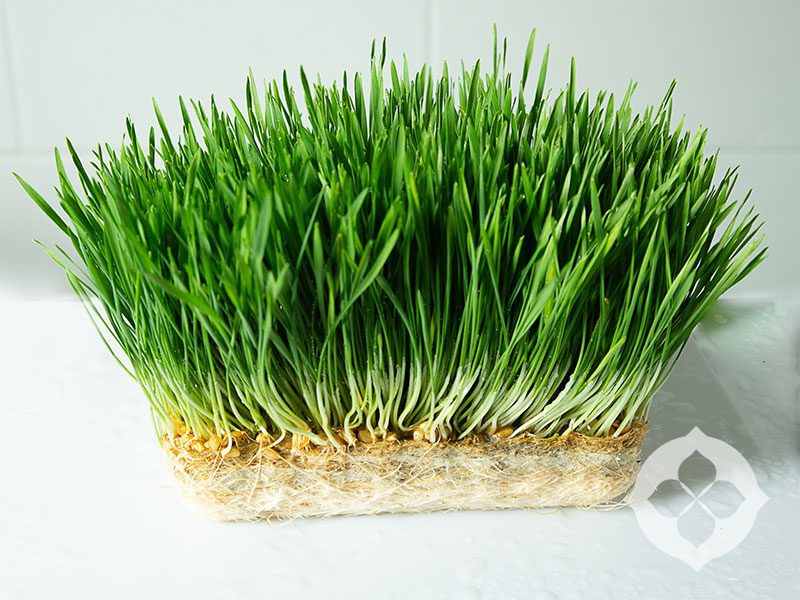
Grow fresh, vibrant green wheatgrass at home in approximately 7–14 days. Wheatgrass Microgreen Seeds produce dense stands of upright green shoots with a fresh, grassy flavour. Unlike many broad-leaved microgreens, wheatgrass is harvested as young cereal grass after the blades have developed but while the plants are still tender.
Wheatgrass is one of the most recognisable crops grown in trays for juicing, smoothies and fresh culinary use. It grows rapidly, forms a dense carpet of green blades and can be produced indoors throughout the year when supplied with suitable moisture, light and ventilation.
Seedmart Wheatgrass Microgreen Seeds are suitable for tray growing using soil, coir or another moisture-retentive growing medium and are available in packet and bulk quantities for home growers, juice bars and commercial growers throughout Australia.
Wheatgrass Microgreen Seed Details
| Botanical name | Triticum aestivum |
|---|---|
| Common name | Wheatgrass |
| Plant type | Young cereal grass / wheat microgreen |
| Pre-soak | Recommended, approximately 8–12 hours |
| Approximate sowing rate | Approximately 200–300 g per 10 × 20 inch tray |
| Growing medium | Soil, coir or suitable moisture-retentive growing medium |
| Covered germination | Approximately 2–4 days |
| Typical harvest | Approximately 7–14 days |
| Typical harvest height | Approximately 15–20 cm, depending on growing conditions and preference |
| Flavour | Fresh, grassy and mildly sweet |
| Availability | Retail packets and bulk quantities |
Why Grow Wheatgrass?
- Fast-growing cereal grass with a relatively short crop cycle.
- Produces dense, vibrant green blades suitable for cutting and juicing.
- Fresh, grassy flavour with a mild natural sweetness.
- Suitable for indoor growing throughout the year.
- Can be grown in shallow trays using soil, coir or other suitable growing media.
- Well suited to home growers, juice bars and commercial wheatgrass production.
- Larger seed is easy to handle and distribute across trays.
- Produces an attractive, uniform carpet of green growth.
- Available in smaller packets and economical bulk quantities.
- Supplied by an Australian-owned seed company.
How to Grow Wheatgrass from Seed
Wheatgrass is grown differently from small-seeded microgreens such as broccoli, kale or mustard. The large wheat grains benefit from soaking before sowing and are normally planted very densely to create a thick stand of upright grass.
For a standard 10 × 20 inch growing tray, approximately 200–300 grams of wheatgrass seed provides a practical starting sowing range. Adjust the rate according to seed size, tray depth, germination percentage and preferred crop density.
- Soak the wheatgrass seed.
Place the seed in clean water and soak for approximately 8–12 hours. Drain thoroughly after soaking. The grains will absorb water and increase in size. - Prepare the growing tray.
Add approximately 2–4 cm of moist soil, coir or another suitable growing medium to a shallow tray and level the surface. The medium should retain moisture while still allowing adequate drainage. - Sow the wheatgrass seed densely.
Spread the soaked grains evenly over the surface in a dense layer. Aim for good coverage while avoiding very deep piles of overlapping seed. - Press gently into the growing medium.
Lightly press the seed into contact with the moist growing surface. Good contact helps support uniform germination and root development. - Cover during germination.
Place another tray or suitable cover over the crop during the initial germination period. Maintain moisture and allow approximately 2–4 days for roots and shoots to establish. - Introduce the wheatgrass to light.
Once the shoots are well established and pushing upward, remove the cover and place the tray in suitable natural or artificial growing light. Pale young shoots will quickly develop a stronger green colour after exposure to light. - Water consistently.
Keep the root zone evenly moist without leaving the tray waterlogged. Bottom watering is useful once roots are established because it helps keep the dense blades relatively dry. - Harvest the wheatgrass.
Wheatgrass is commonly ready for harvest approximately 7–14 days after sowing. Cut the blades cleanly just above the growing medium once they have developed a dense green stand and reached approximately 15–20 cm tall, or your preferred harvest stage.
What Does Wheatgrass Taste Like?
Fresh wheatgrass has a distinctive green, grassy flavour with a mild natural sweetness. The flavour is stronger and more concentrated than most leafy microgreens because the crop consists of narrow cereal grass blades rather than tender cotyledons.
Wheatgrass is most commonly juiced rather than eaten whole. Freshly cut blades can be passed through a suitable wheatgrass or slow juicer, and the resulting juice may be consumed on its own or combined with other fresh ingredients.
The blades can also be added in small quantities to blended drinks where the equipment is capable of processing fibrous grasses.
Wheatgrass vs Leafy Microgreens
Wheatgrass is often grouped with microgreens because it is grown densely in shallow trays and harvested at a young stage, but its growth habit is quite different from broad-leaved vegetable microgreens.
| Feature | Wheatgrass | Broccoli-Type Microgreens |
|---|---|---|
| Plant type | Young cereal grass | Young broad-leaved vegetable seedling |
| Pre-soak | Recommended | Usually not required |
| Seed size | Large wheat grains | Small round seeds |
| Harvested portion | Green grass blades | Tender stems and cotyledons |
| Typical use | Primarily juicing | Salads, sandwiches, garnishes and fresh dishes |
| Typical harvest | Approximately 7–14 days | Varies by species; broccoli commonly around 8–14 days |
Wheatgrass vs Wheat Sprouts
Wheatgrass and wheat sprouts both begin with wheat seed, but they are produced and harvested at very different stages.
| Feature | Wheatgrass | Wheat Sprouts |
|---|---|---|
| Growing method | Grown in a shallow tray with growing medium | Germinated without soil |
| Light | Required after initial germination | Not usually required during most of the sprouting process |
| Harvested portion | Grass blades cut above the growing medium | Germinated grain, root and young shoot |
| Growth stage | Young green cereal grass | Very early germinated seed |
How to Use Fresh Wheatgrass
Fresh wheatgrass is predominantly grown for juicing. Its long, fibrous blades differ considerably from the soft leaves of most microgreens, so it is normally processed before consumption.
- Cut fresh wheatgrass immediately before juicing.
- Process through a suitable wheatgrass or slow juicer.
- Use the fresh juice on its own or combine it with other freshly prepared juices.
- Add small amounts to smoothies where suitable blending equipment is available.
- Grow successive trays to maintain a regular supply of fresh wheatgrass.
- Harvest only the clean green blades above the growing medium.
For the freshest crop, cut only the amount required and leave the remainder of the tray growing until needed.
Frequently Asked Questions
What is wheatgrass?
Wheatgrass is the young green growth of wheat, usually Triticum aestivum, harvested while the plant is still at an early vegetative stage. It is commonly grown densely in shallow trays for juicing.
How long does wheatgrass take to grow?
Wheatgrass is commonly ready for harvest approximately 7–14 days after sowing. Crop time varies according to temperature, light, moisture, seed quality and preferred harvest height.
Do Wheatgrass Microgreen Seeds need to be soaked?
Yes. Pre-soaking is recommended for wheatgrass. Soak the seed in clean water for approximately 8–12 hours and drain thoroughly before sowing.
How much wheatgrass seed should I use in a 10 × 20 tray?
Approximately 200–300 grams per standard 10 × 20 inch tray provides a practical starting range. The ideal sowing rate varies according to seed size, germination percentage, tray dimensions and preferred crop density.
How long should wheatgrass remain covered?
Approximately 2–4 days provides a useful starting point. Remove the covering tray once the roots are established and the shoots are pushing strongly upward.
Why is my wheatgrass yellow after uncovering?
Wheatgrass shoots grown under a cover may initially appear pale or yellow because they have developed without light. Once exposed to suitable light, the blades normally begin producing chlorophyll and turn green.
Does wheatgrass need light?
Yes. After the initial germination stage, wheatgrass should be exposed to suitable natural or artificial growing light to develop strong green blades.
What growing medium is best for wheatgrass?
Wheatgrass grows well in quality soil, coir or another suitable medium that retains consistent moisture while providing adequate drainage and root support.
Can wheatgrass be grown without soil?
Wheatgrass can be produced using some soilless growing systems, including coir and suitable hydroponic-style media. Whatever system is used must provide consistent moisture and adequate support for the dense root mat.
How tall should wheatgrass be before harvesting?
A height of approximately 15–20 cm provides a useful guide, although growers may harvest earlier or later according to their preferred crop. Overall blade quality is more important than an exact height.
How do I harvest wheatgrass?
Use clean scissors or a sharp harvesting knife to cut the green blades just above the growing medium. Avoid cutting into the root mat or collecting pieces of growing medium with the crop.
What does wheatgrass taste like?
Wheatgrass has a distinctive fresh, grassy flavour with a mild natural sweetness. Its flavour is considerably more concentrated than most leafy microgreens.
Is wheatgrass the same as wheat sprouts?
No. Wheat sprouts are germinated grains harvested at a very early stage, generally including the seed, root and shoot. Wheatgrass is grown for longer in a tray and harvested by cutting the developed green blades above the growing medium.
Is wheatgrass considered a microgreen?
Wheatgrass is commonly grouped with microgreens and young edible shoots because it is densely tray-grown and harvested at an early growth stage. Botanically, however, it is the young grass of a cereal crop rather than a broad-leaved vegetable seedling.
Can wheatgrass be grown indoors?
Yes. Wheatgrass is well suited to indoor tray production when supplied with suitable light after germination, adequate ventilation and consistent moisture.
Why is airflow important when growing wheatgrass?
Wheatgrass is normally sown very densely. Dense microgreen crops are more susceptible to problems associated with excessive moisture and poor airflow, so adequate ventilation and avoiding saturated growing media are important.
Can I grow wheatgrass year-round?
Yes. Wheatgrass can be produced indoors throughout the year where temperature, moisture, light and ventilation can be adequately managed.
Where can I buy Wheatgrass Microgreen Seeds in Australia?
Seedmart supplies Wheatgrass Microgreen Seeds in packet and bulk quantities for home growers, juice bars, commercial growers and businesses throughout Australia.
Need More Help Growing Wheatgrass Microgreens?
Growing your own wheatgrass microgreens? Follow our step-by-step guide to growing wheatgrass microgreens for advice on soaking, pre-sprouting, sowing, germination, watering, light and harvesting.
Ian James –
Good product, good germination, good packaging, as usual
Brett Olson –
All seed varieties I purchased are amazing. Germination, taste, delivery time – very happy.
Charlotte Rutherford –
Everything I’ve bought from SeedMart has been excellent. Fresh, sprouts well, excellent people to deal with – highly recommended.