
Pea Sprouting Seeds
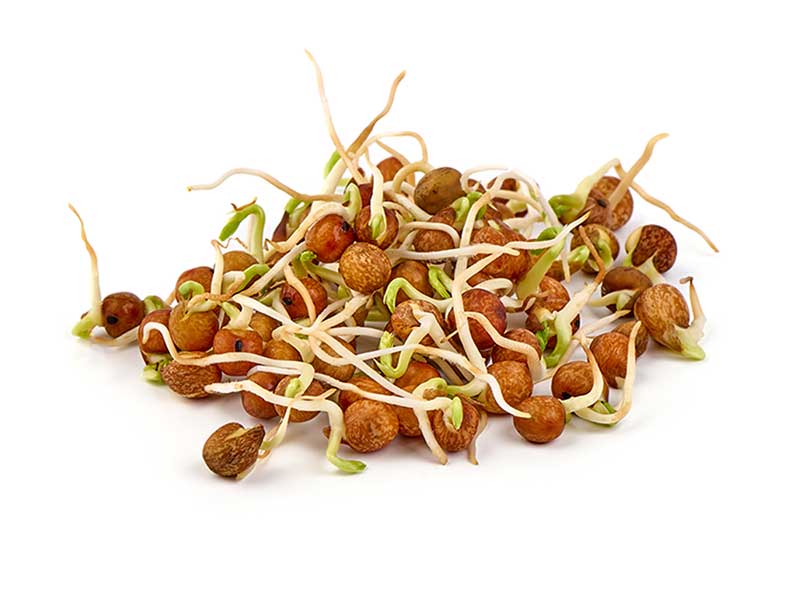
Grow fresh, crunchy pea sprouts at home with an easy soak, rinse and drain method. Pea sprouting seeds produce substantial sprouts with a fresh, mild and naturally sweet pea flavour. Their larger seed size and vigorous growth make them a popular choice for home sprouting.
Unlike fine leafy sprouts such as alfalfa, broccoli or clover, pea sprouts have a thicker, more substantial texture. They can be eaten fresh or added to salads, wraps, sandwiches, grain bowls, stir-fries and other meals.
Pea sprouting seeds can be grown indoors throughout the year using a glass sprouting jar, hemp sprouting bag, colander or suitable sprouting tray. No soil is required when growing peas as sprouts.
For larger, leafy pea shoots grown in trays and harvested as microgreens, see our Pea Microgreen Seeds.
Pea Sprouting Seed Details
| Recommended soak | Approximately 8–12 hours |
|---|---|
| Typical sprouting time | Approximately 4–6 days |
| Suggested seed quantity | Approximately 20–30 g per standard sprouting jar |
| Flavour | Fresh, mild and sweet pea flavour |
| Growing methods | Sprouting jar, hemp sprouting bag, colander or sprouting tray |
Why Grow Pea Sprouts?
- Produces thick, crunchy and substantial sprouts.
- Fresh, mild flavour with the characteristic sweetness of peas.
- Strong germination and vigorous early growth.
- Suitable for indoor sprouting throughout the year.
- No soil or outdoor garden required for sprouting.
- Suitable for jars, sprouting bags, colanders and trays.
- Useful for salads, wraps, sandwiches, bowls and lightly cooked dishes.
- Easy to grow using a simple soak, rinse and drain method.
What Do Pea Sprouts Taste Like?
Pea sprouts have a fresh, mild and slightly sweet flavour reminiscent of young garden peas. Their larger seed and thicker developing shoot give them a more substantial texture than fine sprouts such as alfalfa or clover.
The mild flavour makes pea sprouts versatile in the kitchen. They can be eaten fresh in salads, sandwiches and wraps or added to bowls, stir-fries and other savoury dishes.
How to Grow Pea Sprouts in a Jar
Peas are larger than many common sprouting seeds and expand considerably after soaking. Use a sufficiently large sprouting jar and avoid adding too much seed at the beginning of the batch.
- Add the seeds.
Place approximately 20–30 g of pea sprouting seeds into a clean sprouting jar. - Soak for 8–12 hours.
Cover the peas generously with cool, clean water. The seeds will absorb water and increase substantially in size during soaking. - Drain and rinse.
After soaking, drain the water and rinse the peas thoroughly with fresh, cool water. - Position for drainage.
Place the jar upside down at an angle so excess water can drain away while air continues to circulate around the seeds. - Rinse every 8–12 hours.
Rinse thoroughly with fresh water and drain well after every rinse. - Continue growing.
Repeat the rinse-and-drain process as the roots and shoots develop. Pea sprouts are typically ready in approximately 4–6 days, depending on temperature and growing conditions. - Harvest.
Harvest once the sprouts have reached your preferred size. Give them a final rinse, drain thoroughly and refrigerate.
How Much Do Pea Sprouting Seeds Produce?
Approximately 20–30 g of seed can produce around 1.5–2 cups of pea sprouts, although final yield will vary according to seed quantity, growing conditions and the stage at which the sprouts are harvested.
Because peas are relatively large seeds, leave plenty of unused space in the sprouting container at the beginning of each batch.
Ways to Grow Pea Sprouts
Pea sprouting seeds can be grown using several simple indoor sprouting systems:
- Glass sprouting jar: A convenient method for small batches. Use a mesh sprouting lid to make rinsing and drainage easier.
- Hemp sprouting bag: Suitable for larger seeds and allows water to drain readily after rinsing.
- Colander: A fine mesh colander can be used provided the peas can be rinsed easily and drain thoroughly.
- Sprouting tray: Suitable for growers who prefer a horizontal growing system rather than a jar.
Whichever method you choose, consistent rinsing, thorough drainage and good airflow are important for successful sprouting.
Tips for Growing Pea Sprouts Successfully
- Soak thoroughly: Peas are large seeds and benefit from a longer 8–12 hour pre-soak.
- Do not overcrowd: Allow plenty of room for the peas to expand as they absorb water and germinate.
- Rinse consistently: Rinse approximately every 8–12 hours with fresh, cool water.
- Drain thoroughly: Avoid leaving the peas sitting in pooled water between rinses.
- Maintain airflow: Good air circulation is particularly important with larger sprouting seeds.
- Avoid excessive heat: Keep the sprouting container away from hot, direct sunlight.
- Harvest to preference: Growing time can be adjusted depending on whether you prefer shorter or more developed sprouts.
How to Use Pea Sprouts
Pea sprouts have a substantial texture and mild sweetness that make them suitable for a variety of fresh and savoury dishes.
Try adding pea sprouts to:
- Salads and salad bowls.
- Sandwiches and rolls.
- Wraps and pita pockets.
- Rice and grain bowls.
- Stir-fries.
- Noodle dishes.
- Soups.
- Mixed sprout combinations.
When using pea sprouts in hot dishes, add them towards the end of cooking if you want to retain more of their fresh flavour and crunchy texture.
Pea Sprouts vs Pea Microgreens
Pea sprouts and pea microgreens are grown from peas, but they are produced using different growing methods and harvested at different stages.
| Feature | Pea Sprouts | Pea Microgreens |
|---|---|---|
| Growing method | Jar, bag, colander or sprouting tray | Shallow growing tray |
| Growing medium | No soil required | Usually soil, coco coir or another suitable growing medium |
| Harvest stage | Young germinated seed and developing shoot | Larger shoots with developed stems and leaves |
| Typical use | Fresh sprouts, salads, wraps and mixed dishes | Pea shoots, salads, garnishes and fresh dishes |
Looking for larger pea shoots? See our Pea Microgreen Seeds for growing peas as tray-grown microgreens.
Frequently Asked Questions
How long do pea sprouts take to grow?
Pea sprouts are typically ready in approximately 4–6 days. Growing time can vary according to room temperature, seed quantity, rinsing frequency and your preferred harvest stage.
How long should pea seeds be soaked before sprouting?
Soak pea sprouting seeds for approximately 8–12 hours. Peas are relatively large seeds and absorb a considerable amount of water during the soaking period.
How often should pea sprouts be rinsed?
Rinse pea sprouts with fresh, cool water approximately every 8–12 hours. Drain thoroughly after each rinse so excess water does not remain around the developing sprouts.
Can you grow pea sprouts in a jar?
Yes. Peas can be grown in a glass sprouting jar. Because they expand considerably after soaking, avoid overcrowding the jar and leave sufficient space for germination, rinsing and drainage.
Do pea sprouts need soil?
No. Pea sprouts can be grown without soil using a jar, sprouting bag, colander or suitable sprouting tray. Pea microgreens, by comparison, are generally grown in a shallow tray using a growing medium.
What do pea sprouts taste like?
Pea sprouts have a mild, fresh and slightly sweet flavour similar to young garden peas. They have a thicker and more substantial texture than fine leafy sprouts such as alfalfa.
Are pea sprouts and pea shoots the same thing?
The terms are sometimes used interchangeably, but they can refer to different stages of growth. Pea sprouts are young germinated peas grown without soil, while pea shoots or pea microgreens are generally grown for longer in trays until larger stems and leaves develop.
Can pea seeds be grown as microgreens?
Yes. Peas are one of the most popular varieties for growing as microgreens. For larger tray-grown shoots, see our Pea Microgreen Seeds.
healzam –
These pea spouts seeds are easy to use and germinate well. I will definitely be purchasing again.