
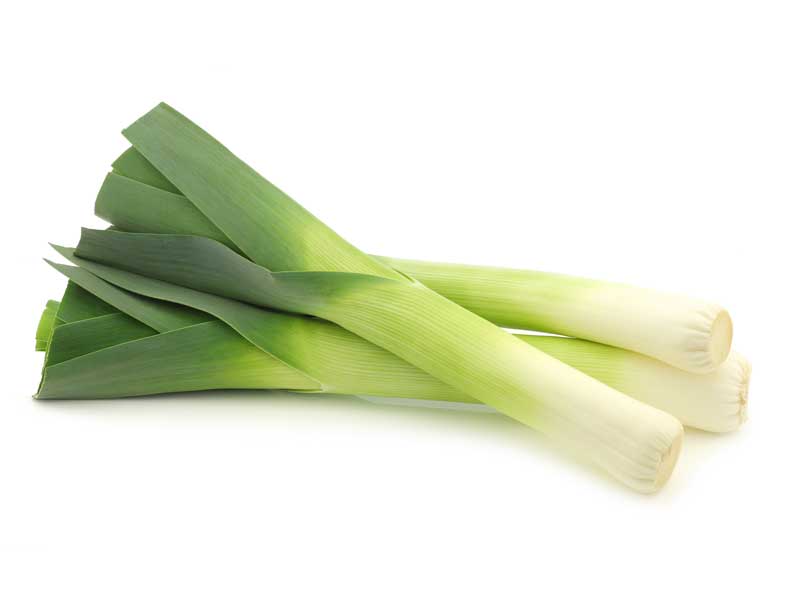


Leek Large American Flag Vegetable Seeds
Botanical Name: Allium ampeloprasum var. porrum
Large American Flag Leek is a classic open-pollinated leek variety producing tall, sturdy plants with thick white stems and broad blue-green leaves. Also known as American Flag or Broad London, this traditional variety is valued for its dependable growth, substantial edible stems and mild, sweet onion-like flavour.
An excellent cool-season vegetable for Australian gardens, Large American Flag develops long cylindrical shanks that can be progressively earthed up or blanched to increase the length of the tender white portion. The mature leeks are ideal for soups, stews, casseroles, pies, roasting, braising and a wide range of savoury dishes.
Hardy and productive once established, Large American Flag is suitable for home vegetable gardens, raised beds, market gardens and larger plantings. Its long growing season makes it particularly useful as an autumn, winter and spring vegetable in many Australian climates.
Key Attributes
Large Thick StemsProduces substantial cylindrical stems with a long white edible shank when plants are correctly spaced and progressively blanched. |
Classic Heirloom-Style LeekA traditional open-pollinated variety also known as American Flag or Broad London, grown for generations for reliable garden performance. |
Mild Sweet FlavourTender white stems develop the characteristic mild, sweet and savoury flavour that makes leeks exceptionally versatile in the kitchen. |
Excellent Cool-Season CropPerforms particularly well through mild to cool conditions and provides a dependable vegetable crop during autumn, winter and spring. |
Cold TolerantEstablished leeks tolerate cold conditions well, making them particularly useful for winter vegetable gardens and extended harvesting. |
Versatile Kitchen VegetableExcellent for soups, stocks, pies, casseroles, roasting, braising, gratins and countless savoury vegetable dishes. |
Product Description
Large American Flag is a traditional open-pollinated leek variety producing strong upright plants with broad blue-green leaves and thick cylindrical stems.
Also commonly known as American Flag Leek or Broad London Leek, it has long been grown as a dependable garden and market variety.
Unlike bulb onions, leeks do not normally form a large rounded bulb. Instead, they develop an elongated cylindrical stem composed of tightly overlapping leaf bases. The lower portion remains white where it is protected from sunlight, while exposed growth develops green pigmentation.
The edible white shank can be lengthened by transplanting seedlings into relatively deep planting holes and progressively drawing soil around the stems as the plants develop.
Large American Flag produces substantial mature leeks with broad leaves and thick stems. Under good growing conditions plants may reach approximately 60–90 cm in overall height, although final size varies with soil fertility, planting depth, spacing, moisture and growing season.
Maturity is generally approximately 100–120 days from transplanting, with longer development possible under cool or slow-growing conditions. Young leeks may be harvested earlier for a finer, more delicate vegetable.
Large American Flag has the mild, sweet onion-like flavour characteristic of leeks. Cooking softens the stems and develops their natural sweetness, making this variety particularly suitable for soups, stews, pies, casseroles and slow-cooked dishes.
Why Grow Large American Flag Leeks?
- Traditional open-pollinated leek variety.
- Also known as American Flag and Broad London.
- Produces large, thick cylindrical stems.
- Develops long white shanks when properly blanched.
- Broad blue-green foliage.
- Mild, sweet onion-like flavour.
- Excellent cool-season vegetable.
- Good tolerance of cold conditions once established.
- Suitable for autumn, winter and spring production.
- Can be harvested young or allowed to develop into substantial mature leeks.
- Excellent for soups and stocks.
- Ideal for roasting, braising and baking.
- Excellent for leek and potato soup.
- Suitable for pies, casseroles and gratins.
- Suitable for home vegetable gardens.
- Excellent for raised garden beds.
- Suitable for market garden production.
- Approximately 300–400 seeds per gram.
Plant Details
| Plant Type | Cool-season vegetable |
| Variety | Large American Flag |
| Botanical Name | Allium ampeloprasum var. porrum |
| Family | Amaryllidaceae |
| Seed Type | Open pollinated |
| Growth Habit | Upright, cylindrical leek with broad foliage |
| Foliage Colour | Blue-green to medium green |
| Approximate Height | Approximately 60–90 cm under suitable conditions |
| Flavour | Mild, sweet and gently onion-like |
| Days to Maturity | Approximately 100–120 days from transplanting; varies with climate and harvest size |
| Position | Full sun |
| Life Cycle | Biennial, normally grown as an annual vegetable |
| Seeds per Gram | Approximately 300–400 |
Sowing Information
| Sowing Method | Raise in seed trays or seedbeds and transplant; direct sowing is also possible |
| Sowing Depth | Approximately 5–10 mm |
| Germination | Usually approximately 7–14 days under suitable conditions |
| Preferred Germination Temperature | Approximately 10–25°C; around 15–20°C is particularly suitable |
| Plant Spacing | Approximately 10–15 cm for mature leeks |
| Row Spacing | Approximately 30–45 cm |
| Position | Full sun |
| Soil | Fertile, well-drained and moisture-retentive soil rich in organic matter |
| Water | Maintain consistent moisture for steady growth and tender stems |
When to Sow Large American Flag Leeks in Australia
| Climate Zone | Suggested Sowing Time | Growing Notes |
|---|---|---|
| Cool | Spring – autumn | Leeks perform particularly well in cool climates. Time sowings according to the desired autumn, winter or spring harvest. |
| Temperate | Late summer – autumn; late winter – spring | Excellent for cool-season production. Avoid having young crops establish during prolonged extreme heat. |
| Subtropical | February – August | Best grown through the cooler months. Autumn sowing can provide excellent winter and spring crops. |
| Tropical | April – July | Grow during the coolest part of the year. Performance may be reduced in persistently hot tropical conditions. |
| Arid | Late summer – winter | Concentrate production into mild conditions and provide reliable irrigation throughout the long growing period. |
These sowing periods are general guides. Local temperature, frost, elevation, seasonal heat and rainfall should also be considered. Leeks are adaptable to cool conditions but perform best when they can establish without severe heat or prolonged moisture stress.
How to Grow Large American Flag Leeks from Seed
Large American Flag Leeks are commonly started in seed trays, punnets or a dedicated seedbed before being transplanted into their final growing position.
Fill trays with a fine, good-quality seed-raising mix.
Sow the seeds approximately 5–10 mm deep and cover lightly.
Water gently and maintain consistent moisture while the seeds germinate.
Germination generally occurs in approximately 7–14 days under favourable conditions, although cooler temperatures may slow emergence.
Allow seedlings to develop until they are strong enough to handle and approximately pencil thickness or somewhat smaller.
Before transplanting, gradually acclimatise seedlings to outdoor conditions where necessary.
Transplanting Leek Seedlings
The traditional transplanting method helps produce the long white stems for which leeks are valued.
Prepare fertile, well-worked soil.
Make planting holes approximately 10–15 cm deep using a dibber or similar tool.
Space the holes approximately 10–15 cm apart.
Place one leek seedling into each hole.
The roots should reach towards the bottom while the leaves remain above soil level.
Water the seedlings thoroughly after planting.
The planting hole will gradually fill as the leek grows and watering moves surrounding soil into the space.
Deep planting protects the lower stem from light and encourages development of a longer white shank.
How to Grow Long White Leek Stems
The white portion of a leek develops where the stem is excluded from sunlight.
There are several ways to increase white stem length.
Deep transplanting: Plant seedlings into holes approximately 10–15 cm deep.
Earthing up: Gradually draw loose soil around the stems as the plants develop.
Mulching: Organic mulch can help cover part of the lower stem while also conserving soil moisture.
Avoid allowing soil to fall deeply between the inner leaves, as this can make harvested leeks gritty and difficult to clean.
Never completely bury the growing centre.
Blanching Large American Flag Leeks
Blanching in vegetable production means excluding light from the lower stem. It does not refer to cooking.
The white shank of a leek is simply stem tissue that has developed without sufficient light to produce green chlorophyll.
Large American Flag can develop substantial white stems when progressively blanched.
Begin with deep planting and gradually earth up the stems as they grow.
Do not mound large quantities of soil around small seedlings immediately.
Progressive earthing up reduces the risk of burying the growing point and allows the plant to continue developing normally.
Growing Large American Flag Leeks in Australian Conditions
Leeks are particularly well suited to cool-season vegetable production.
In cool climates, Large American Flag can be grown across an extended season and may tolerate significant cold once established.
In temperate regions, sowing from late summer into autumn provides crops for winter and spring harvest.
In subtropical areas such as South East Queensland, Large American Flag is best concentrated into the cooler part of the year. Late summer and autumn sowings can produce excellent winter crops.
In tropical areas, production should generally be concentrated into the coolest months.
Leeks tolerate cool conditions much better than prolonged tropical heat.
Soil Preparation
Large American Flag performs best in fertile, well-drained soil containing plenty of organic matter.
Before planting, incorporate well-decomposed compost or another suitable organic soil amendment where required.
The ideal soil should:
- Be fertile
- Contain good organic matter
- Retain adequate moisture
- Drain freely after heavy rainfall or irrigation
- Be loose enough for good stem and root development
Avoid poorly drained sites where the plants remain waterlogged.
Watering Large American Flag Leeks
Maintain relatively even soil moisture throughout the growing period.
The most important watering periods include:
- Seed germination
- Seedling establishment
- Immediately after transplanting
- During rapid leaf growth
- While the stems are thickening
Water deeply enough to encourage a healthy root system.
Avoid allowing plants to repeatedly wilt and recover.
Mulching around established plants can help conserve moisture and suppress weeds.
Feeding Leeks
Leeks have a long growing season and benefit from fertile soil.
Incorporate compost or well-decomposed organic matter before planting.
Supplementary feeding may be useful during active growth, particularly on lighter soils.
A suitable balanced vegetable fertiliser can be applied according to soil conditions and product directions.
Nitrogen supports healthy leaf and stem growth, but excessive fertiliser should be avoided.
Apply fertiliser around the root zone rather than directly against the stems.
Weed Control
Young leek seedlings develop relatively slowly and can be affected by competition from weeds.
Keep the planting area reasonably weed free, particularly during early establishment.
Hand weeding or shallow cultivation can be used, taking care not to damage the developing roots.
Mulching helps suppress weeds once the plants are established.
Avoid deep cultivation close to mature plants.
Growing Large American Flag Leeks in Pots
Leeks can be grown successfully in containers.
Choose a deep pot or planter with good drainage.
Fill with fertile, good-quality potting mix.
Space plants sufficiently to allow the stems to thicken.
Large American Flag is a substantial variety, so deeper and larger containers are preferable where full-sized mature leeks are desired.
Container-grown plants may require more frequent watering than leeks grown in garden soil.
Regular feeding may also be useful because nutrients are gradually lost through watering.
Growing Leeks in Raised Beds
Raised beds are excellent for Large American Flag Leeks because the loose soil makes transplanting, earthing up and harvesting relatively easy.
Improve the soil with compost before planting.
Maintain consistent moisture because raised beds can dry more quickly than surrounding ground.
Space plants approximately 10–15 cm apart for mature leek production.
Rows can be approximately 30–45 cm apart.
Harvesting Large American Flag Leeks
Large American Flag generally reaches mature harvest size approximately 100–120 days after transplanting, although harvest timing varies considerably with temperature, planting date, soil fertility, spacing and desired size.
Leeks do not have to reach a precise maturity stage before they can be harvested.
Young plants can be harvested as baby leeks, while others can remain in the ground until substantial stems have developed.
For mature leeks, look for:
- Thick cylindrical stems
- A well-developed white shank
- Strong upright foliage
- Firm stems
- Healthy blue-green leaves
Loosen the soil around mature plants with a garden fork before lifting.
Avoid simply pulling large plants from firm soil, as the stems can be damaged.
Harvesting Baby Leeks
Large American Flag does not need to reach maximum size before harvest.
Young leeks can be harvested once the stems have developed sufficient thickness for kitchen use.
Baby leeks are particularly tender and have a delicate flavour.
Closer spacing can be used where the crop is intentionally being grown for smaller leeks.
Alternatively, harvest every second plant from a more densely planted row and allow the remaining plants additional space to mature.
Using Large American Flag Leeks
Leeks have a mild, sweet and savoury flavour that becomes particularly rich when cooked.
Large American Flag is excellent for:
- Leek and potato soup
- Vegetable soups
- Stocks and broths
- Stews
- Casseroles
- Leek pies and tarts
- Quiches
- Gratins
- Roasted vegetables
- Braised leek dishes
- Pasta sauces
- Risotto
- Stir-fries
- Potato dishes
- Slow-cooked savoury dishes
Both the white shank and tender pale-green portion can be used.
The darker green leaves are generally tougher but can provide excellent flavour in stocks and broths.
Cleaning Fresh Leeks
Soil can collect between the overlapping leaves as the plants grow, particularly where the stems have been earthed up.
Trim away damaged outer leaves.
Cut the leek lengthwise where appropriate and rinse thoroughly between the layers.
For sliced leeks, place the pieces in clean water and agitate gently so trapped soil falls away.
Drain thoroughly before cooking.
Storing Fresh Leeks
Freshly harvested leeks can be stored under refrigeration.
Remove heavily damaged foliage and excess soil before storage, but avoid unnecessary cutting where longer storage is required.
Leeks generally store better when kept cool and protected from excessive moisture loss.
For the best flavour and texture, use harvested leeks while they remain firm and fresh.
Cold Tolerance
One of the major advantages of leeks is their ability to continue growing and remain harvestable during cool weather.
Established Large American Flag plants have good tolerance of cold conditions.
Growth slows as temperatures fall, but mature plants can remain useful in the garden for an extended harvest period.
Severe conditions can still damage plants, particularly young seedlings.
Local climate and frost intensity should therefore be considered when planning planting dates.
Common Growing Problems
Large American Flag is generally straightforward to grow when provided with suitable conditions.
Potential problems include:
- Slow growth caused by low fertility
- Thin stems caused by overcrowding
- Reduced growth from inadequate moisture
- Waterlogging in poorly drained soil
- Soil becoming trapped between the leaves during excessive earthing up
- Onion-family pests and diseases
- Premature flowering in older or stressed plants
Maintaining steady growth, good soil fertility, suitable spacing and reliable moisture will help produce substantial stems.
Crop Rotation
Leeks belong to the same broad crop group as onions, garlic, shallots and chives.
Where practical, avoid repeatedly growing these crops in the same soil.
Rotate leeks with unrelated vegetable families.
Crop rotation can form part of a broader strategy for reducing the accumulation of some soil-borne diseases and pests.
Saving Large American Flag Leek Seed
Large American Flag is an open-pollinated variety.
Leeks are botanically biennial and generally flower during their second growing season after exposure to suitable cool conditions.
Plants selected for seed production should be allowed to remain in the garden rather than being harvested.
Flowering plants produce tall stems topped with rounded clusters of flowers.
Allow the seed heads to mature and begin drying.
Harvest before large quantities of mature seed naturally fall from the heads.
Finish drying in a sheltered, well-ventilated location where required.
Rub or thresh the dry seed heads to release the black leek seeds.
Clean away as much chaff as practical and store thoroughly dried seed in a labelled container in cool, dry conditions.
Where varietal purity is important, isolation from other flowering leek varieties is necessary because cross-pollination can occur.
Perfect For
- Home vegetable gardens
- Cool-season vegetable gardens
- Autumn planting
- Winter vegetable production
- Spring harvesting
- Raised garden beds
- Large containers
- Market gardens
- Traditional vegetable gardens
- Open-pollinated seed growers
- Large mature leeks
- Baby leek production
- Leek and potato soup
- Soups and stocks
- Stews and casseroles
- Roasting and braising
- Pies, tarts and quiches
- Growers wanting a traditional large leek variety
Frequently Asked Questions
What is Large American Flag Leek?
Large American Flag is a traditional open-pollinated leek producing large cylindrical stems, long white shanks and broad blue-green foliage.
Is Large American Flag the same as American Flag Leek?
Yes. Large American Flag is commonly sold simply as American Flag Leek. The variety is also associated with the traditional name Broad London.
What is the botanical name of Large American Flag Leek?
The botanical name is Allium ampeloprasum var. porrum.
Is Large American Flag an heirloom leek?
Large American Flag is a long-established traditional open-pollinated variety commonly described in the seed trade as an heirloom or heritage-type leek.
Is Large American Flag open pollinated?
Yes. Large American Flag is an open-pollinated leek rather than an F1 hybrid.
How large does Large American Flag Leek grow?
Plants can reach approximately 60–90 cm in overall height under favourable conditions. Final size varies according to spacing, fertility, moisture and climate.
How long does Large American Flag Leek take to grow?
Allow approximately 100–120 days from transplanting for mature leeks under favourable conditions. Cooler temperatures can extend the growing period.
Can Large American Flag Leeks be harvested early?
Yes. Young plants can be harvested as baby leeks before they reach full mature size.
How many Large American Flag Leek seeds are in a gram?
There are approximately 300–400 seeds per gram. Seed count is naturally approximate and varies between seed lots.
When should I plant leek seeds in Australia?
Leeks are primarily cool-season vegetables. Planting times vary considerably with climate, but late summer and autumn sowings are particularly useful for winter crops in many temperate and subtropical areas.
Can Large American Flag Leeks be grown in Brisbane?
Yes. In Brisbane and South East Queensland, Large American Flag is best concentrated into the cooler growing season. Sow from late summer through winter for harvests during cooler conditions and spring.
Can leeks tolerate frost?
Established leeks have useful cold tolerance and can withstand light frost. Severe frost can still damage plants, particularly young seedlings.
Does Large American Flag Leek need full sun?
Yes. Full sun generally produces the strongest growth and thickest stems.
How deep should leek seed be sown?
Sow leek seed approximately 5–10 mm deep and maintain consistent moisture while germination occurs.
How long does leek seed take to germinate?
Germination generally occurs in approximately 7–14 days under suitable conditions. Cool temperatures can slow emergence.
Should Large American Flag Leeks be direct sown?
They can be direct sown, but raising seedlings and transplanting them is particularly useful because deeper transplanting helps develop longer white stems.
When should leek seedlings be transplanted?
Transplant once seedlings are sturdy and large enough to handle. Many growers allow seedlings to develop until they are approximately pencil thickness or slightly smaller.
How deep should leek seedlings be transplanted?
A traditional method is to place seedlings into holes approximately 10–15 cm deep while keeping the growing leaves above soil level.
Why are leeks planted deeply?
Deep planting excludes light from the lower stem, encouraging development of a longer white edible shank.
Do Large American Flag Leeks need blanching?
Blanching is useful if long white stems are desired. Deep planting and progressive earthing up are the most common methods.
What does blanching leeks mean?
Blanching means excluding sunlight from the lower stem so that it remains pale, tender and mild in flavour.
How do I get longer white stems on my leeks?
Transplant seedlings relatively deeply and gradually draw soil around the stems as they grow. Avoid burying the growing centre or filling the inner leaves with soil.
How far apart should Large American Flag Leeks be planted?
Approximately 10–15 cm between plants is suitable for full-sized mature leeks, with around 30–45 cm between rows.
Can Large American Flag Leeks be planted closer together?
Yes. Closer spacing can be used for smaller or baby leeks. Wider spacing generally allows individual plants to develop thicker stems.
What soil is best for leeks?
Leeks perform best in fertile, well-drained soil containing plenty of organic matter and enough moisture-holding capacity to support steady growth.
Do leeks need much water?
Leeks require regular moisture for strong, uninterrupted growth. Avoid repeatedly allowing the soil to dry severely.
Are leeks heavy feeders?
Leeks have a relatively long growing season and benefit from fertile soil and adequate nutrients throughout active growth.
Can Large American Flag Leeks grow in pots?
Yes. Choose a sufficiently deep container with good drainage and fertile potting mix. Large containers are preferable for full-sized mature plants.
Can Large American Flag Leeks grow in raised beds?
Yes. Raised beds are particularly suitable because loose soil makes transplanting, blanching and harvesting easier.
Why are my leeks thin?
Thin stems may result from overcrowding, low soil fertility, insufficient water, excessive heat or harvesting before the plants have had enough time to mature.
Can I eat the green part of a leek?
Yes. The pale-green portion is commonly eaten with the white stem. Darker outer leaves are tougher but can be used to flavour stocks and broths.
What do Large American Flag Leeks taste like?
They have the characteristic mild, sweet and savoury flavour of leeks, with a gentler onion flavour than most bulb onions.
Can leeks be eaten raw?
Yes. Tender young leeks can be finely sliced and eaten raw, although mature leeks are particularly valued for cooking.
What are Large American Flag Leeks best used for?
They are excellent for leek and potato soup, stocks, stews, casseroles, pies, quiches, gratins, roasting, braising and other savoury dishes.
How do I harvest Large American Flag Leeks?
Loosen the soil beside the plant with a garden fork and carefully lift the whole leek. Avoid pulling large mature plants directly from firm soil.
When are leeks ready to harvest?
Leeks can be harvested whenever the stems reach the desired size. Mature Large American Flag Leeks generally develop substantial firm stems and long white shanks after approximately 100–120 days from transplanting under favourable conditions.
Can leeks stay in the ground after reaching maturity?
Yes. In cool conditions, mature leeks can often remain in the garden for a period and be harvested as required. Avoid leaving them indefinitely once they begin preparing to flower.
Is Large American Flag Leek a winter vegetable?
Yes. It is particularly useful as a cool-season and winter vegetable, although the ideal sowing and harvesting periods vary according to Australian climate zone.
Is a leek an onion?
Leeks and onions are closely related members of the Allium group, but leeks produce elongated overlapping leaf bases rather than the large rounded bulb typical of onions.
Does Large American Flag form a bulb?
Large American Flag is grown primarily for its long cylindrical shank rather than a large rounded onion-type bulb. A slight swelling may develop at the base.
Can I save seeds from Large American Flag Leeks?
Yes. Large American Flag is open pollinated. Leeks are biennial and normally produce flowers and seed in their second growing season after exposure to appropriate conditions.
Will saved Large American Flag seed grow true?
It can reproduce the general characteristics of the variety when appropriate seed-saving practices and isolation are used. Cross-pollination with other flowering leek varieties can affect varietal purity.
Is Large American Flag suitable for market gardens?
Yes. Its substantial stems, traditional appearance, open-pollinated genetics and versatile culinary use make it suitable for home and small-scale market garden production.
Why is Large American Flag a good leek variety for Australian gardens?
It combines cold tolerance, substantial stems, reliable cool-season growth and excellent culinary versatility. It is particularly useful for gardeners wanting a traditional open-pollinated leek for autumn, winter and spring production.
Reviews
There are no reviews yet.