
German Chamomile Herb Seeds
Botanical Name: Matricaria chamomilla
Synonyms: Matricaria recutita, Chamomilla recutita
German Chamomile is a fragrant annual flowering herb producing finely divided, feathery green foliage and masses of small white daisy-like flowers with prominent golden-yellow centres. Easy to grow and highly ornamental, Matricaria chamomilla is one of the best-known chamomile species for herb gardens, cottage gardens, pollinator plantings and harvesting aromatic flowers.
The sweetly scented flowers are traditionally harvested fresh or dried for herbal infusions, while the abundant blooms also provide nectar and pollen for bees and other beneficial pollinating insects. Plants develop an upright, branching habit and generally reach approximately 30–60 cm in height under suitable growing conditions.
German Chamomile performs best in full sun with well-drained soil and is relatively adaptable once established. The very fine seed should be surface sown or only lightly covered, as light assists germination. Suitable for garden beds, raised beds, herb gardens and containers, German Chamomile is an attractive and productive addition to Australian gardens.
Key Attributes
Classic German ChamomileTrue Matricaria chamomilla, an aromatic annual chamomile producing abundant white and yellow daisy-like flowers. |
Fragrant FlowersProduces strongly aromatic flower heads traditionally harvested fresh or dried for herbal infusions and culinary use. |
Bee & Pollinator FriendlyNumerous daisy-like blooms provide useful floral resources for bees and other visiting pollinating insects. |
Fast-Growing AnnualEstablishes readily from fine seed and can begin flowering within approximately 8–10 weeks under favourable conditions. |
Attractive Feathery FoliageFinely divided aromatic leaves create soft-textured green growth beneath the upright flowering stems. |
Versatile Garden HerbExcellent for herb gardens, cottage gardens, pollinator beds, wildflower-style plantings, raised beds and containers. |
Product Description
German Chamomile, botanically known as Matricaria chamomilla, is an aromatic annual herb belonging to the Asteraceae or daisy family.
The species is also widely listed under the botanical synonyms Matricaria recutita and Chamomilla recutita.
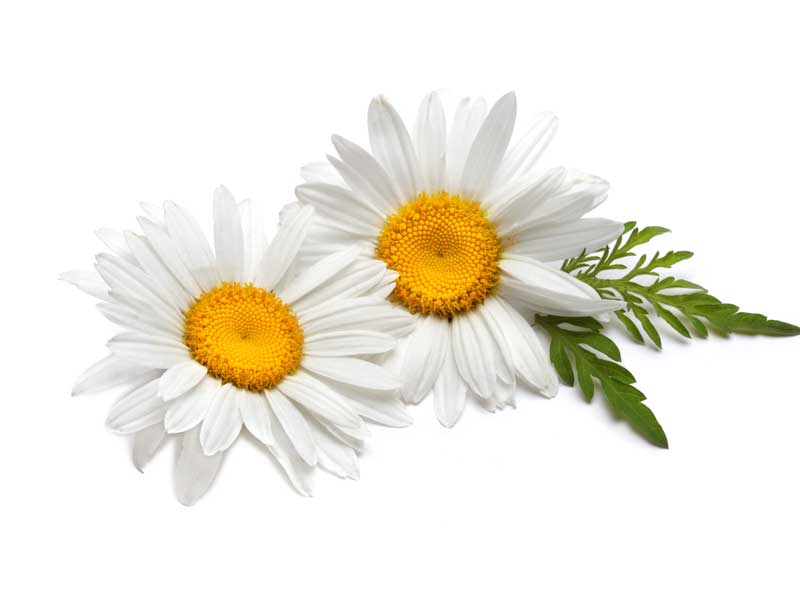
Plants develop an upright, freely branching habit with delicate, finely divided green foliage. As the plants mature, slender stems carry numerous small flower heads consisting of white ray petals surrounding prominent yellow centres.
The flowers have the characteristic sweet, aromatic fragrance associated with chamomile and are commonly harvested for drying or fresh use.
German Chamomile generally grows approximately 30–60 cm tall, although final size varies according to climate, soil fertility, moisture, spacing and growing conditions.
Under favourable conditions, plants may begin flowering approximately 8–10 weeks after sowing. Regular harvesting of mature flowers can encourage plants to continue producing additional blooms while conditions remain suitable.
German Chamomile is particularly useful in mixed productive gardens because it combines herb production with ornamental flowers and pollinator value.
Why Grow German Chamomile?
- True German Chamomile – Matricaria chamomilla.
- Aromatic annual flowering herb.
- Produces white daisy-like flowers with yellow centres.
- Fine, feathery green foliage.
- Characteristic sweet chamomile fragrance.
- Flowers can be harvested fresh or dried.
- Traditionally used for herbal infusions.
- Excellent flowering herb for bees.
- Attracts other beneficial pollinating insects.
- Fast growing from seed.
- Easy to incorporate into herb gardens.
- Suitable for cottage-style gardens.
- Excellent for raised garden beds.
- Suitable for pots and containers.
- Useful in mixed flower and herb plantings.
- May self-seed where conditions are suitable.
- Relatively adaptable once established.
- Suitable for home and small-scale herb production.
Plant Details
| Plant Type | Annual flowering herb |
| Common Name | German Chamomile |
| Botanical Name | Matricaria chamomilla |
| Botanical Synonyms | Matricaria recutita, Chamomilla recutita |
| Family | Asteraceae |
| Growth Habit | Upright, branching annual |
| Plant Height | Approximately 30–60 cm |
| Flower Colour | White petals with golden-yellow centres |
| Foliage | Fine, feathery, aromatic green leaves |
| Flowering | Approximately 8–10 weeks from sowing under favourable conditions |
| Position | Full sun; light partial shade tolerated |
| Life Cycle | Annual |
Sowing Information
| Sowing Method | Direct sow or raise seedlings |
| Sowing Depth | Surface sow or press lightly into the soil; do not deeply cover |
| Germination | Usually approximately 7–14 days under suitable conditions |
| Preferred Germination Temperature | Approximately 20–25°C; germination is possible across a broader mild-to-warm range |
| Plant Spacing | Approximately 20–30 cm |
| Row Spacing | Approximately 30–40 cm |
| Position | Full sun preferred |
| Soil | Well drained; adaptable to a range of soil types |
| Light Requirement for Germination | Fine seed benefits from light; surface sow or cover extremely lightly |
When to Sow German Chamomile Seeds in Australia
| Climate Zone | Suggested Sowing Time | Growing Notes |
|---|---|---|
| Cool | Spring – early summer | Sow once conditions begin warming. Autumn sowing may also be possible in sheltered locations where establishment occurs before severe winter conditions. |
| Temperate | Spring and autumn | Both spring and autumn sowings can perform well, depending on local frost and summer temperatures. |
| Subtropical | Autumn – winter | Cooler months generally provide more comfortable establishment and flowering conditions than the hottest, most humid part of summer. |
| Tropical | Cool, dry season | Concentrate production into the drier and relatively cooler period and provide good drainage and airflow. |
| Arid | Autumn – spring | Avoid extreme summer heat and provide reliable moisture during germination and establishment. |
These sowing periods are general guides. Local frost, temperature, rainfall, humidity, elevation and water availability should also be considered.
How to Grow German Chamomile from Seed
German Chamomile seed is extremely fine and should be sown very shallowly.
Prepare a fine, level seedbed or fill seedling trays with good-quality seed-raising mix.
Scatter the seeds thinly across the surface.
Press gently into the soil or growing medium to provide good seed-to-soil contact.
Do not bury German Chamomile seed deeply. The fine seed benefits from exposure to light during germination.
Water carefully using a fine mist or gentle spray so the seeds are not washed away.
Keep the surface evenly moist while germination occurs, without leaving the growing medium saturated.
Seedlings generally emerge within approximately 7–14 days under favourable conditions.
Once established, thin or transplant seedlings to approximately 20–30 cm apart.
Direct Sowing German Chamomile
German Chamomile can be direct sown into its final garden position.
Prepare a weed-free patch of well-drained soil with a fine surface.
Scatter the fine seed sparingly.
Press gently into the soil without covering heavily.
Mist or water carefully.
Because the seedlings are initially very small, keep the area free from aggressive weeds during establishment.
Once plants develop several sets of leaves, they become easier to manage and generally grow rapidly under suitable conditions.
Growing German Chamomile in Australian Conditions
German Chamomile is adaptable but planting time should be adjusted according to climate.
In cool regions, spring provides reliable conditions for establishment and flowering.
Temperate gardeners can generally sow during spring or autumn.
In subtropical regions such as South East Queensland, autumn and winter can provide particularly favourable conditions by avoiding the highest summer heat and humidity.
Tropical gardeners should concentrate production into the coolest and driest part of the year.
In dry climates, German Chamomile can perform well provided young seedlings receive adequate moisture during establishment.
Soil Preparation
German Chamomile is relatively adaptable and does not require excessively fertile soil.
Good drainage is particularly important.
Before sowing:
- Remove established weeds.
- Break up large soil clods.
- Create a fine surface suitable for the tiny seed.
- Incorporate modest amounts of well-decomposed compost where soil is extremely poor.
- Ensure excess water can drain away freely.
Avoid excessive nitrogen fertilisation, which can encourage leafy growth at the expense of compact flowering plants.
Watering German Chamomile
The seedbed requires reliable moisture during germination because the seed is sown on or close to the soil surface.
Use gentle watering to avoid displacing the fine seed.
Once plants are established, they become more tolerant of short dry periods.
Water when required to maintain steady growth, particularly during prolonged dry weather and active flowering.
Avoid permanently waterlogged conditions.
Container-grown plants generally require more frequent watering than those growing in garden soil.
Growing German Chamomile in Pots
German Chamomile grows well in pots and containers.
Choose a container with adequate drainage holes and fill with good-quality, free-draining potting mix.
Surface sow the seed and press gently into the growing medium.
Keep the surface moist during germination.
Once seedlings emerge, thin overcrowded plants to allow adequate airflow and branching.
Position the container in full sun.
Regular flower harvesting can help maintain a productive flowering display.
Growing German Chamomile in Raised Beds
Raised beds provide excellent conditions for German Chamomile where the soil drains freely.
The plants can be grown in dedicated rows or incorporated among other herbs and flowering plants.
Avoid overcrowding.
Allow approximately 20–30 cm between mature plants to provide space for branching and airflow.
German Chamomile also works well around the edges of productive gardens where its flowers remain accessible for harvesting and visiting pollinators.
When Does German Chamomile Flower?
German Chamomile grows quickly under favourable conditions and may begin flowering approximately 8–10 weeks after sowing.
Flowering time varies with temperature, planting date, soil conditions and climate.
Once flowering begins, plants can continue producing additional flower heads over an extended period.
Regular harvesting of mature flowers encourages growers to collect the crop at its best stage and can help maintain continued flower production.
German Chamomile Flowers
German Chamomile produces numerous small daisy-like flower heads.
Each flower consists of:
- White ray petals around the outside.
- A prominent golden-yellow centre.
- A characteristic aromatic fragrance.
- A raised central disc that becomes increasingly prominent as the flower matures.
Mature flower heads are borne individually on fine branching stems above the feathery foliage.
The combination of fine leaves and masses of white and yellow flowers makes German Chamomile particularly attractive in informal herb and cottage gardens.
Harvesting German Chamomile Flowers
Harvest flower heads once they are fully open and before they become over-mature.
Choose healthy, dry flowers.
For small quantities, individual flower heads can be pinched or snipped from the plants.
For larger plantings, harvest repeatedly as new flowers open.
The best harvesting period is generally once the white petals are open around the prominent yellow centre.
Harvest during dry weather after surface moisture has evaporated.
Avoid collecting wet flowers where they are intended for drying.
Drying Chamomile Flowers
Freshly harvested German Chamomile flowers can be dried for later use.
Spread flower heads in a thin layer on a clean drying screen or suitable surface.
Place them in a:
- Dry
- Shaded
- Well-ventilated
- Protected location
Avoid exposing harvested flowers to prolonged strong sunlight during drying.
Turn or check the flowers periodically where necessary.
Once completely dry, store them in a clean, airtight container away from moisture, heat and direct light.
Ensure flowers are fully dried before storage to reduce the risk of spoilage.
Using German Chamomile Flowers
German Chamomile is traditionally grown for its aromatic flower heads.
Fresh or dried flowers are commonly used for:
- Herbal infusions
- Tea blends
- Culinary garnishes
- Decorative dried herb mixtures
- Herb garden harvesting
For herbal infusions, use appropriately identified, clean flowers grown for culinary use.
This product description focuses on growing and culinary use rather than therapeutic claims.
German Chamomile and Pollinators
German Chamomile flowers are useful additions to pollinator-friendly gardens.
The flower heads provide nectar and pollen resources for visiting insects, including bees.
Planting German Chamomile alongside other flowering herbs can help extend floral diversity within productive gardens.
Suitable companion flowering herbs can include:
- Calendula
- Chives
- Dill
- Coriander
- Hyssop
- Lavender
- Thyme
Different flowering periods can provide additional seasonal variety for visiting insects.
German Chamomile in Cottage Gardens
The light, informal growth habit of German Chamomile makes it particularly suited to cottage-style gardens.
Fine foliage contrasts well with broader-leaved herbs and vegetables.
The small white flowers create a soft, natural appearance when planted:
- Along garden paths
- Around herb beds
- Between perennial flowering plants
- In informal mixed borders
- Within edible gardens
Because German Chamomile is an annual, plants complete their life cycle after flowering and seed production.
Can German Chamomile Self-Seed?
Yes. German Chamomile can self-seed where mature flower heads are allowed to remain on the plants and local conditions are favourable.
Seed falls naturally as the flower heads mature.
New seedlings may subsequently emerge when moisture and temperatures are suitable.
Where self-sowing is not desired, harvest flowers regularly or remove plants before large quantities of mature seed are released.
Common Growing Problems
German Chamomile is generally straightforward to grow.
Potential issues include:
- Poor germination when fine seed is buried too deeply.
- Seed washing away during heavy watering.
- Competition from weeds while seedlings are tiny.
- Weak growth in heavily shaded positions.
- Poor performance in persistently waterlogged soil.
- Reduced airflow where plants are severely overcrowded.
Careful shallow sowing and gentle watering are particularly important during establishment.
Saving German Chamomile Seed
German Chamomile produces seed readily once the flowers mature.
Select healthy plants with desirable growth and flowering characteristics.
Allow some flower heads to remain on the plant beyond the normal harvesting stage.
As they mature, the flower heads become dry and seed develops within the central disc.
Harvest fully mature, dry flower heads before large amounts of seed are naturally shed.
Place them somewhere dry and well ventilated to finish drying if required.
Rub or crumble the dry heads gently to release the fine seed.
Separate as much chaff as practical.
Store completely dry seed in a labelled, airtight container under cool, dry conditions.
German Chamomile vs Roman Chamomile
German and Roman chamomile share similar common names but are botanically different plants.
German Chamomile – Matricaria chamomilla
- Annual.
- Upright, branching growth habit.
- Generally approximately 30–60 cm tall.
- Produces numerous aromatic white and yellow flower heads.
- Commonly grown for harvesting flowers.
Roman Chamomile – Chamaemelum nobile
- Perennial.
- Lower, spreading growth habit.
- Often used as a groundcover or low-growing herb.
- Also produces aromatic white and yellow flowers.
These German Chamomile Herb Seeds are Matricaria chamomilla, the upright annual species.
Perfect For
- Home herb gardens
- German Chamomile flower production
- Herbal infusion gardens
- Fresh flower harvesting
- Dried chamomile flowers
- Bee-friendly gardens
- Pollinator plantings
- Cottage gardens
- Kitchen gardens
- Mixed herb gardens
- Raised garden beds
- Pots and containers
- Wildflower-style plantings
- Informal garden borders
- Australian home gardens
- Gardeners wanting an aromatic annual herb
- Growers wanting true Matricaria chamomilla
Frequently Asked Questions
What is German Chamomile?
German Chamomile is an aromatic annual herb producing fine green foliage and small fragrant white flowers with prominent yellow centres.
What is the botanical name of German Chamomile?
The accepted botanical name is Matricaria chamomilla. The names Matricaria recutita and Chamomilla recutita are also widely used synonyms.
Is German Chamomile an annual or perennial?
German Chamomile is an annual. It grows, flowers and produces seed within one life cycle.
How is German Chamomile different from Roman Chamomile?
German Chamomile is an upright annual, while Roman Chamomile, Chamaemelum nobile, is a lower-growing perennial species.
How tall does German Chamomile grow?
Plants generally reach approximately 30–60 cm in height under suitable garden conditions.
What do German Chamomile flowers look like?
The flowers resemble small daisies, with white outer petals surrounding a prominent golden-yellow centre.
Are German Chamomile flowers fragrant?
Yes. The flower heads and foliage have the characteristic sweet aromatic fragrance associated with chamomile.
When does German Chamomile flower?
Plants may begin flowering approximately 8–10 weeks after sowing under favourable conditions, although timing varies with climate and sowing date.
How long does German Chamomile seed take to germinate?
Seed commonly germinates within approximately 7–14 days under suitable temperature and moisture conditions.
What temperature is suitable for German Chamomile germination?
Approximately 20–25°C is particularly suitable, although germination can occur across a broader range of mild to warm temperatures.
How deep should German Chamomile seed be planted?
German Chamomile seed is extremely fine and should be surface sown or pressed lightly into the soil. Do not bury it deeply.
Does German Chamomile seed need light to germinate?
Yes. The fine seed benefits from light during germination, so it should be surface sown or only very lightly covered.
Can German Chamomile be direct sown?
Yes. It can be direct sown into a prepared fine seedbed or started in seedling trays.
Can German Chamomile be transplanted?
Yes. Seedlings raised in trays can be carefully transplanted once sufficiently established.
How far apart should German Chamomile plants be?
Approximately 20–30 cm between plants is suitable for most garden production.
Does German Chamomile need full sun?
Full sun generally produces the strongest flowering. Light partial shade can be tolerated.
What soil does German Chamomile prefer?
German Chamomile is adaptable but performs best in well-drained soil. It does not require exceptionally rich ground.
Can German Chamomile grow in pots?
Yes. It grows well in containers with free-draining potting mix, sufficient sunlight and regular moisture.
Can German Chamomile grow in raised beds?
Yes. Raised beds provide excellent conditions where drainage is good.
When should German Chamomile be planted in Australia?
Planting time varies by climate. Spring is particularly suitable in cool regions, spring and autumn suit many temperate areas, and autumn through winter is often preferable in subtropical locations.
Can German Chamomile grow in Brisbane?
Yes. German Chamomile can be grown successfully in Brisbane and South East Queensland. Autumn and winter are useful establishment periods because they avoid the most extreme summer heat and humidity.
Can German Chamomile grow in tropical Australia?
Yes, but production is generally easiest during the cooler, drier part of the year with good drainage and airflow.
Does German Chamomile tolerate frost?
German Chamomile is considered a hardy annual and established plants tolerate cool conditions well, although severe frost can damage tender growth.
Does German Chamomile need much water?
Maintain consistent moisture during germination and early establishment. Established plants are more tolerant of short dry periods but perform best when severe moisture stress is avoided.
When should German Chamomile flowers be harvested?
Harvest once flower heads are fully open, with the white petals developed around the prominent yellow centres.
Can German Chamomile flowers be dried?
Yes. Harvest clean, dry flowers and spread them in a thin layer in a shaded, dry and well-ventilated area until completely dry.
Can German Chamomile flowers be used fresh?
Yes. Properly identified flowers grown for culinary use may be used fresh or dried.
Can German Chamomile be used for tea?
German Chamomile flower heads are traditionally dried and used to prepare herbal infusions.
Does German Chamomile attract bees?
Yes. Its flowers provide nectar and pollen and are visited by bees and other pollinating insects.
Is German Chamomile good for a pollinator garden?
Yes. Its numerous daisy-like flowers make it a useful flowering herb within mixed bee and pollinator plantings.
Does German Chamomile self-seed?
It can self-seed where flower heads are allowed to mature and local soil and climate conditions are suitable.
Why isn’t my German Chamomile germinating?
Common causes include burying the seed too deeply, allowing the seedbed to dry, washing the fine seed away during watering or unsuitable temperatures.
Why are my Chamomile seedlings crowded?
The seed is extremely fine and easy to sow too densely. Thin seedlings after establishment to provide approximately 20–30 cm between mature plants.
Does German Chamomile need fertiliser?
It generally does not require heavy feeding. Excessive fertility, particularly high nitrogen, can encourage leafy growth rather than compact flowering plants.
Can German Chamomile be grown with other herbs?
Yes. It can be incorporated into mixed herb gardens alongside other plants suited to similar sunny, well-drained conditions.
Can I save German Chamomile seed?
Yes. Leave selected flower heads to mature and dry, then collect and clean the fine seed for future sowing.
Is German Chamomile the same as common lawn chamomile?
No. German Chamomile is the upright annual Matricaria chamomilla. Roman or common chamomile, Chamaemelum nobile, is a lower-growing perennial and is more commonly associated with chamomile lawns.
Is German Chamomile suitable for cottage gardens?
Yes. Its fine foliage, informal branching habit and masses of small white and yellow flowers work particularly well in cottage and naturalistic garden designs.
Is German Chamomile suitable for Australian herb gardens?
Yes. With planting time adjusted to local climate, German Chamomile is suitable for herb gardens across a wide range of Australian regions.
What is German Chamomile best grown for?
German Chamomile is particularly valued for its aromatic flower heads, attractive daisy-like blooms, herb garden use and ability to provide floral resources for visiting pollinating insects.
Reviews
There are no reviews yet.