
Alfalfa Sprouting Seeds
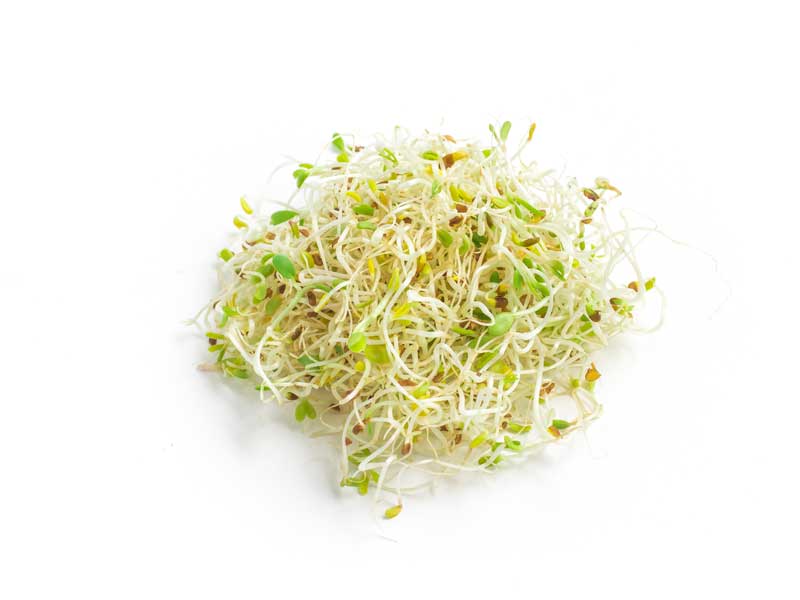
Grow fresh alfalfa sprouts at home in approximately 4–6 days. These alfalfa sprouting seeds (Medicago sativa) produce fine, crisp sprouts with a mild, fresh flavour and are suitable for growing in glass jars, sprouting trays, hemp bags and other countertop sprouting systems.
Alfalfa is one of the best-known seeds for home sprouting. The small seeds develop into slender white shoots with delicate green leaves and require very little space, making them particularly well suited to indoor growing throughout the year.
Alfalfa sprouts have a mild flavour and light, crisp texture. They are commonly used fresh in sandwiches, wraps, salads and other dishes where a delicate sprout is preferred.
Seedmart alfalfa sprouting seeds are available in practical packet and bulk quantities for home growers, regular sprouting enthusiasts and larger-volume users.
Alfalfa Sprouting Seed Details
| Botanical name | Medicago sativa |
|---|---|
| Common names | Alfalfa, Lucerne |
| Recommended soak | Approximately 4–6 hours |
| Typical sprouting time | Approximately 4–6 days |
| Flavour | Mild, fresh and delicate |
| Growing methods | Sprouting jar, tray, hemp bag or fine-mesh sprouter |
| Availability | Retail packets and bulk quantities |
Why Choose Alfalfa Sprouting Seeds?
- One of the classic and most popular varieties for home sprouting.
- Produces fine, crisp sprouts with a mild flavour.
- Fast growing, with a typical harvest in approximately 4–6 days.
- Suitable for indoor sprouting throughout the year.
- Can be grown without soil or a garden.
- Suitable for jars, trays, hemp sprouting bags and countertop sprouters.
- Available in smaller packets and economical bulk quantities.
- Supplied by an Australian-owned seed company.
How to Grow Alfalfa Sprouts in a Jar
The glass jar method is one of the simplest ways to grow alfalfa sprouts at home. Because alfalfa seeds are small, use a jar fitted with a fine-mesh sprouting lid or another cover that allows thorough rinsing and drainage without allowing the seeds to escape.
- Add the seeds.
Place approximately 10–20 grams of alfalfa sprouting seeds into a clean jar. Allow plenty of empty space because the sprouts expand considerably as they grow. - Soak for approximately 4–6 hours.
Cover the seeds generously with cool, clean water and leave them to soak. - Drain thoroughly.
After soaking, drain the water and rinse the seeds with fresh, cool water. Allow as much excess water as possible to drain from the jar. - Position the jar at an angle.
Place the jar upside down at an angle so excess moisture can continue to drain while air circulates through the jar. - Rinse every 8–12 hours.
Fill the jar with fresh water, gently rinse the developing sprouts and drain thoroughly. Repeat approximately twice daily, paying particular attention to drainage in warm conditions. - Allow the sprouts to develop.
Continue the rinse-and-drain cycle until the sprouts reach your preferred size. As the leaves begin to develop, indirect natural light can help them become green. - Harvest and refrigerate.
Alfalfa sprouts are commonly ready in approximately 4–6 days. Give them a final rinse, drain thoroughly and refrigerate promptly in a clean container.
How Much Do Alfalfa Sprouting Seeds Produce?
Alfalfa seeds expand substantially during sprouting, so a relatively small amount of seed can produce a generous quantity of fresh sprouts. A batch using approximately 10–20 grams of seed is suitable for many standard home sprouting jars.
Final yield will vary according to the quantity of seed used, jar size, germination rate, temperature and the stage at which the sprouts are harvested.
Avoid overfilling the jar. The developing sprouts need enough room for water to move freely through the jar during rinsing and for excess moisture to drain away afterwards.
Alfalfa Sprouts vs Alfalfa Microgreens
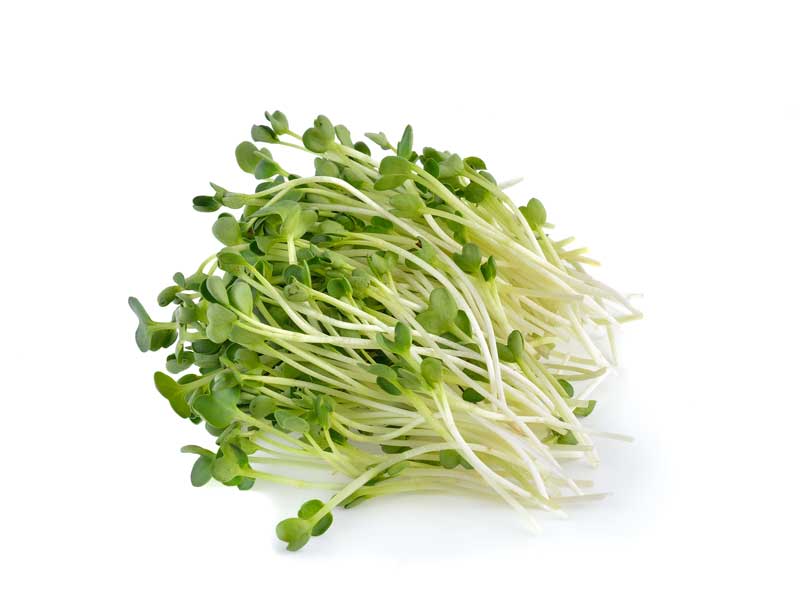
Alfalfa can be grown as either sprouts or microgreens, but the growing methods and harvest stages are different.
| Feature | Alfalfa Sprouts | Alfalfa Microgreens |
|---|---|---|
| Typical harvest | Approximately 4–6 days | Usually grown for longer before harvest |
| Growing method | Usually grown in a jar or sprouter | Usually grown in a shallow tray |
| Growing medium | No soil required | Commonly grown on soil, coir, hemp or another growing medium |
| Harvested portion | The young shoot, root and remaining seed are generally harvested together | The stems and leaves are cut above the growing medium |
For a quick, soil-free crop, alfalfa is most commonly grown as a sprout in a jar or dedicated sprouting system.
Tips for Growing Alfalfa Sprouts Successfully
- Use clean equipment: Thoroughly clean your jar, sprouting lid and other equipment before beginning each batch.
- Do not use too much seed: Alfalfa sprouts expand considerably and overcrowding can make effective rinsing and drainage more difficult.
- Drain after every rinse: The seeds should remain moist during germination but should not sit in standing water.
- Maintain airflow: Good air circulation is particularly useful as the sprouts become denser.
- Avoid excessive heat: Keep the sprouting jar away from hot windows and strong direct sunlight.
- Use indirect light for greening: Once the leaves develop, indirect natural light encourages their characteristic green colour.
- Refrigerate promptly: Drain harvested sprouts thoroughly before transferring them to the refrigerator.
Frequently Asked Questions
How long do alfalfa sprouts take to grow?
Alfalfa sprouts are commonly ready to harvest in approximately 4–6 days. Growing time can vary depending on temperature, airflow and the stage at which you prefer to harvest them.
How long should alfalfa seeds be soaked?
Soak alfalfa sprouting seeds for approximately 4–6 hours before draining them and beginning the regular rinse cycle.
How often should alfalfa sprouts be rinsed?
Rinse and drain the sprouts approximately every 8–12 hours. Thorough drainage after each rinse is important because the developing mass of fine alfalfa sprouts can retain considerable moisture.
Can you grow alfalfa sprouts in a glass jar?
Yes. A glass sprouting jar is one of the most common ways to grow alfalfa sprouts. Use a fine-mesh sprouting lid or suitable breathable cover that retains the small seeds while allowing water to drain freely.
Do alfalfa sprouts need soil?
No. Alfalfa sprouts are normally grown without soil. The seeds can be germinated and grown using water in a sprouting jar, hemp bag, sprouting tray or another suitable sprouting system.
Do alfalfa sprouts need sunlight?
Alfalfa seeds do not require strong light during initial germination. Once the shoots and leaves develop, indirect natural light can help the leaves become green. Avoid placing a glass sprouting jar in hot, direct sunlight.
What do alfalfa sprouts taste like?
Alfalfa sprouts have a mild, fresh flavour and a light, crisp texture. Their relatively delicate flavour makes them popular for sandwiches, wraps, salads and other fresh dishes.
Why are my alfalfa sprouts staying wet?
Alfalfa develops into a dense mass of fine shoots that can trap water. Use an appropriate amount of seed for the size of your sprouter, position jars at an angle after rinsing and allow excess water to drain thoroughly.
How should harvested alfalfa sprouts be stored?
After the final rinse, drain the sprouts thoroughly and refrigerate them promptly in a clean container. Removing excess surface moisture before refrigeration can help maintain storage quality.
Can alfalfa seeds be grown as microgreens?
Yes. Alfalfa can also be grown in a shallow tray as a microgreen crop. Microgreens are generally grown for longer than sprouts and are harvested by cutting the stems above the growing medium.
Are alfalfa and lucerne the same plant?
Yes. Alfalfa and lucerne are common names for Medicago sativa. In Australia, the name lucerne is particularly common when referring to the plant as a pasture or forage crop, while alfalfa is widely used when referring to sprouts and sprouting seed.
Where can I buy alfalfa sprouting seeds in Australia?
Seedmart supplies alfalfa sprouting seeds to home growers and larger-volume customers throughout Australia. Packet and bulk quantity options are available through this product page.
Free Sprouting Guide
New to growing sprouts? Download our FREE Sprouting Guide for more information about growing fresh sprouts at home.
Anthony Bevan –
The seed quality is excellent with nearly 100% germination.
A packaging mistake with my first order was rectified professionally and efficiently.
I definitely will be a return customer.
Dijana Barich –
So delicious and sprouted in three days. Highly recommended
Jenni Steer –
Grow really well.
Great service.
Highly recommended 👌🏽
Anne-Marie Smith –
Grew to beautiful sprouts.
Christina Chen –
Bought the seeds for sprouting microgreens and they work really well. One teaspoon was enough to sprout a full jar within 5 days.