


Spinach Warrigal Green Vegetable Seeds
Grow Warrigal Greens at home for a vigorous, warm-season leafy vegetable that can be cooked and used as an alternative to spinach. Warrigal Greens (Tetragonia tetragonioides), also known as Warrigal Spinach and New Zealand Spinach, is a sprawling leafy plant valued for its fleshy green leaves and ability to continue producing through warm weather.
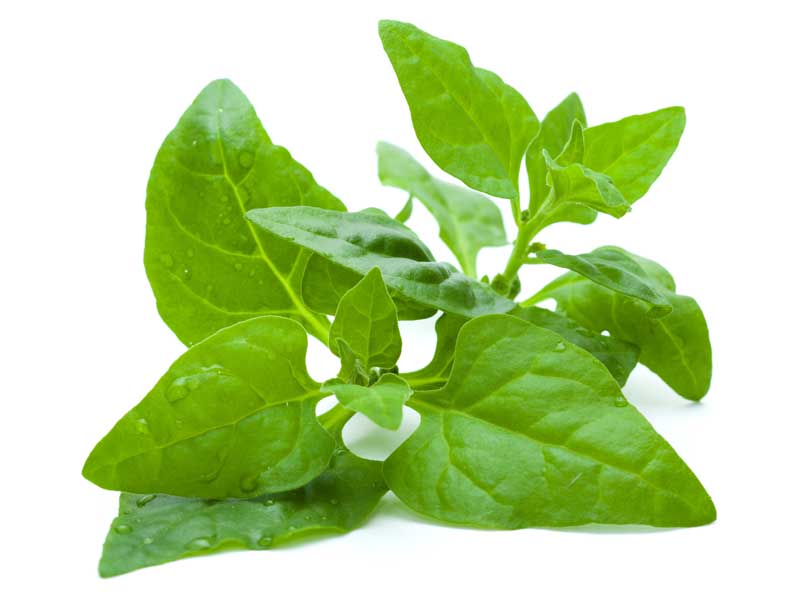
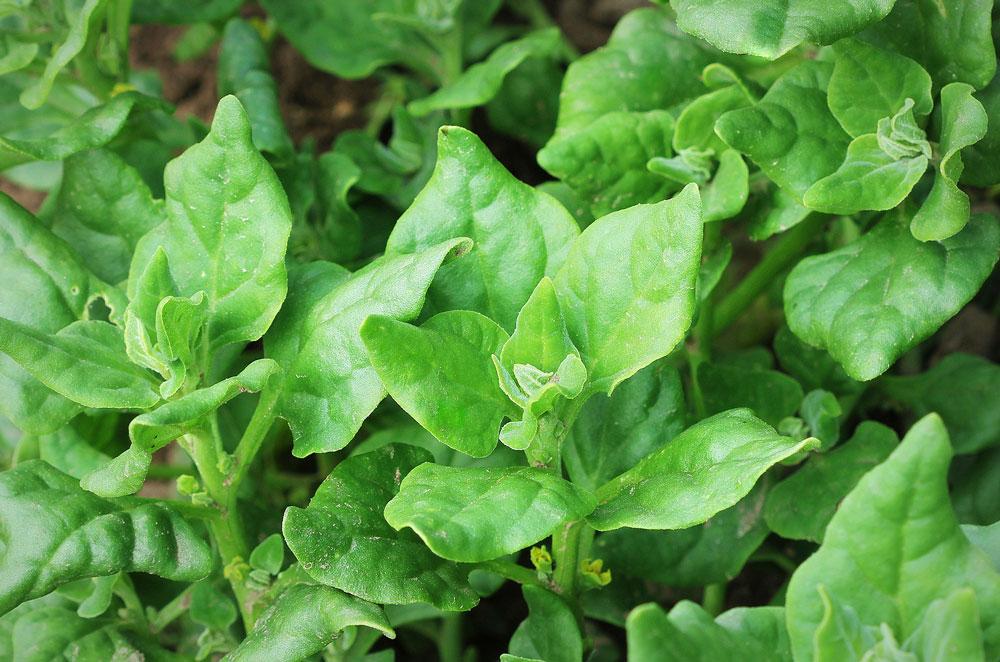
Despite its common name, Warrigal Greens is not true spinach. It belongs to the Aizoaceae family and develops soft, spreading stems with distinctive fleshy, triangular to diamond-shaped leaves.
Warrigal Greens grows well in sun or partial shade and can spread considerably once established. Regular harvesting provides a continuing supply of young leaves and shoots while also helping manage the plant’s vigorous growth.
Important: Warrigal Greens naturally contains oxalates. The leaves should be blanched in boiling water before eating, and the blanching water should be discarded.
Warrigal Greens Seed Details
| Botanical name | Tetragonia tetragonioides |
|---|---|
| Common names | Warrigal Greens, Warrigal Spinach, New Zealand Spinach, Botany Bay Greens |
| Plant family | Aizoaceae |
| Plant type | Sprawling leafy vegetable; short-lived perennial in favourable climates and often grown as an annual in colder areas |
| Growth habit | Low-growing, spreading to approximately 1–2 m under favourable conditions |
| Leaves | Fleshy green, triangular to diamond-shaped leaves |
| Position | Full sun to partial shade |
| Sowing depth | Approximately 5–10 mm |
| Germination | Approximately 10–22 days under suitable conditions |
| Plant spacing | Approximately 30–50 cm, allowing room for plants to spread |
| Harvest | Young leaves can generally be harvested from approximately 7–10 weeks, depending on growing conditions |
Why Grow Warrigal Greens?
- Warm-season leafy vegetable that can be used as a cooked spinach substitute.
- Well adapted to warm Australian growing conditions.
- Produces fleshy green leaves on vigorous spreading stems.
- Performs in full sun or partial shade.
- Can be grown in vegetable gardens, raised beds and containers.
- Regular picking encourages continued production of young growth.
- Can form a useful edible groundcover where sufficient space is available.
- Suitable for stir-fries, soups, pies, quiches and other cooked dishes after appropriate preparation.
How to Grow Warrigal Greens from Seed
Warrigal Greens is a relatively easy leafy vegetable to grow once established. It performs particularly well during warm weather and develops a vigorous spreading habit when supplied with adequate moisture and nutrients.
- Choose a suitable position. Select a position in full sun or partial shade with enough room for the plants to spread. In particularly hot or dry conditions, some protection from intense afternoon sun can help maintain tender leafy growth.
- Prepare a free-draining soil. Warrigal Greens tolerates a range of soils but performs particularly well in reasonably fertile, well-drained soil. Incorporate compost or well-rotted organic matter where required.
- Pre-soak the seed if desired. The hard, irregular seed capsules can be slow to germinate. Soaking seed before sowing is commonly recommended and may help encourage more reliable germination. Seed can be soaked for several hours in warm water or overnight in cool water before planting.
- Sow the seeds. Sow approximately 5–10 mm deep and cover lightly with soil or seed-raising mix. Water gently after sowing.
- Maintain moisture during establishment. Keep the soil consistently moist but not waterlogged while seeds germinate and young plants establish. Germination can be somewhat irregular and may take approximately 10–22 days under suitable conditions.
- Allow room for plants to spread. Space plants approximately 30–50 cm apart. Warrigal Greens develops long, trailing stems and can eventually cover considerably more ground than its initial planting position.
- Water for tender growth. Established plants have some tolerance of challenging conditions, but regular watering encourages vigorous growth and a continuing supply of tender leaves.
- Harvest regularly. Pick young leaves and tender growing tips as required. Regular harvesting helps encourage fresh growth and can also help keep the plant’s spreading habit under control.
When to Plant Warrigal Greens Seeds in Australia
Warrigal Greens is a warm-season leafy vegetable that thrives during warm weather. Sowing times vary with climate, with gardeners in frost-prone areas generally sowing from spring once conditions have warmed.
| Climate | General Sowing Guide |
|---|---|
| Tropical | Can be grown through much of the year where moisture and growing conditions are suitable; provide adequate water during hot, dry periods |
| Subtropical | Spring through autumn is generally suitable, with a longer growing period possible in warm, frost-free locations |
| Temperate | Sow from spring through summer once frost danger has passed and soil conditions have warmed |
| Cool / frost-prone | Sow in spring after frost danger has passed; grow through the warmer months before cold conditions return |
For best results, use local temperatures and frost conditions as the primary guide. Warrigal Greens thrives in warm weather but may slow considerably or die back when exposed to cold conditions.
What Are Warrigal Greens?
Warrigal Greens (Tetragonia tetragonioides) is a sprawling leafy plant found naturally in Australia and several other countries around the Pacific.
It is also commonly called Warrigal Spinach or New Zealand Spinach because its fleshy green leaves can be cooked and used in many of the same ways as conventional spinach.
Botanically, however, Warrigal Greens is not closely related to true spinach (Spinacia oleracea). It belongs to the Aizoaceae family, which also contains a range of succulent and coastal plants.
Warrigal Greens develops long, soft stems bearing fleshy triangular to diamond-shaped leaves. Small greenish-yellow flowers form close to the leaf axils, followed by distinctive hard seed capsules.
Are Warrigal Greens Native to Australia?
Yes. Tetragonia tetragonioides occurs naturally in Australia, particularly in coastal environments, and is widely recognised as an Australian native food plant.
However, it is not exclusively Australian. Its natural distribution also includes New Zealand and other parts of the Pacific region.
Warrigal Greens became particularly well known as a spinach substitute during early European settlement. It was collected during early voyages in the region and later cultivated outside Australia and New Zealand as a leafy vegetable.
Today it remains popular with home gardeners as both an edible leafy plant and a vigorous spreading groundcover.
Do Warrigal Greens Need to Be Blanched?
Yes. Warrigal Greens should be blanched before eating.
Like several other leafy vegetables, Warrigal Greens contains naturally occurring oxalates. Australian plant and bush-food references recommend blanching the leaves in boiling water before consumption to reduce soluble oxalates.
Place the leaves into boiling water for approximately 2–3 minutes, then drain them thoroughly. Discard the blanching water rather than using it in the finished dish.
The blanched greens can then be incorporated into cooked dishes in much the same way as spinach, silverbeet or other leafy greens.
This preparation advice is particularly important for Warrigal Greens and should not be skipped simply because young leaves appear tender enough to eat raw.
Harvesting Warrigal Greens
Warrigal Greens responds well to regular harvesting and can provide repeated crops of tender leaves while conditions remain favourable.
Begin picking once plants are established and have developed enough growth to withstand harvesting, generally from approximately 7–10 weeks under favourable conditions.
Young leaves: Select healthy young to medium-sized leaves for the most tender texture.
Growing tips: Tender young shoots can also be harvested, helping encourage branching and fresh growth.
Regular picking: Harvesting frequently helps keep plants producing tender new leaves and prevents long stems from becoming excessively sprawling.
Use clean scissors or secateurs when harvesting larger quantities rather than pulling strongly on established stems.
Always blanch Warrigal Greens before eating and discard the blanching water.
How to Use Warrigal Greens
Once correctly blanched, Warrigal Greens can be used in many dishes that would normally contain spinach, silverbeet or another cooked leafy green.
- Spinach substitute: Use blanched leaves in cooked recipes in place of conventional spinach.
- Stir-fries: Add prepared leaves towards the end of cooking.
- Soups: Incorporate blanched leaves into vegetable, lentil and other soups.
- Quiches and frittatas: Use drained, chopped leaves in egg-based dishes.
- Pies: Prepared Warrigal Greens can replace spinach in savoury fillings.
- Pasta dishes: Add cooked leaves to pasta fillings and sauces.
- Sautéed greens: After blanching and draining, sauté briefly with garlic, herbs or other seasonings.
Growing Warrigal Greens as an Edible Groundcover
Warrigal Greens develops a naturally sprawling growth habit and can form a dense cover over the soil when conditions are favourable.
Individual stems may spread for a metre or more, making the plant useful for covering open areas around a vegetable garden or edible landscape.
This vigorous growth does mean that Warrigal Greens should be positioned carefully. Avoid planting immediately beside small or slow-growing vegetables that could become covered by its spreading stems.
Regular harvesting and trimming provide an easy way to manage its size while encouraging tender new growth.
Plants may also self-seed once established, so remove unwanted seedlings if you do not want Warrigal Greens spreading beyond its allocated area.
Growing Warrigal Greens in Pots
Warrigal Greens grows well in containers and is particularly attractive in larger pots or planters where its trailing stems can spread over the edges.
Choose a reasonably large container with good drainage and fill it with a fertile, free-draining growing medium. Position the pot in full sun or partial shade.
Because Warrigal Greens develops a shallow, spreading root system, container-grown plants benefit from regular watering during warm weather. Do not leave the growing medium permanently waterlogged.
Harvest or trim the trailing stems regularly to maintain a manageable plant and encourage fresh leafy growth.
Frequently Asked Questions
What are Warrigal Greens?
Warrigal Greens (Tetragonia tetragonioides) is a sprawling leafy vegetable commonly used as a cooked spinach substitute. It is also known as Warrigal Spinach, New Zealand Spinach and Botany Bay Greens.
Is Warrigal Greens the same as spinach?
No. Warrigal Greens is not true spinach. True spinach is Spinacia oleracea, while Warrigal Greens is Tetragonia tetragonioides. The name “spinach” refers to the similar culinary use of the leaves.
Are Warrigal Greens native to Australia?
Yes. Warrigal Greens occurs naturally in Australia and is widely recognised as an Australian native food plant. Its natural distribution is not limited to Australia and also includes New Zealand and other regions.
Do Warrigal Greens need to be cooked?
Warrigal Greens contains naturally occurring oxalates and should be blanched in boiling water before eating. Drain the leaves after blanching and discard the blanching water.
How long should Warrigal Greens be blanched?
Australian references commonly recommend blanching Warrigal Greens in boiling water before use. A practical preparation method is approximately 2–3 minutes, followed by draining and discarding the blanching water.
What do Warrigal Greens taste like?
Warrigal Greens has a mild leafy flavour often compared with spinach, although the fleshy leaves have their own distinctive texture and can have a slightly bitter note.
How large does Warrigal Greens grow?
Warrigal Greens has a low, sprawling habit. Individual stems can extend approximately 1–2 metres under favourable conditions, so allow considerably more horizontal space than the initial seedling size suggests.
Does Warrigal Greens prefer sun or shade?
Warrigal Greens can grow in full sun or partial shade. In hot or dry conditions, some afternoon protection combined with adequate moisture can help maintain tender leafy growth.
How deep should I sow Warrigal Greens seeds?
Sow approximately 5–10 mm deep, cover lightly and maintain consistent moisture while the seeds germinate.
Should Warrigal Greens seeds be soaked before planting?
Pre-soaking is commonly recommended because the seed is enclosed within a hard, irregular capsule. Soaking for several hours in warm water or overnight in cool water may help encourage germination.
How long do Warrigal Greens seeds take to germinate?
Germination can be somewhat irregular but commonly occurs within approximately 10–22 days under suitable conditions.
When should I plant Warrigal Greens in Australia?
Warrigal Greens performs best during warm weather. In temperate and frost-prone climates, sow during spring and summer after frost danger has passed. Warm subtropical and tropical climates generally provide a longer growing period.
How long does Warrigal Greens take to harvest?
Young leaves can generally begin to be harvested approximately 7–10 weeks after sowing or establishment under favourable growing conditions.
Can Warrigal Greens be grown in pots?
Yes. Warrigal Greens grows well in sufficiently large containers and can form an attractive trailing edible plant. Keep container-grown plants adequately watered and trim regularly to control their spread.
Does Warrigal Greens self-seed?
Yes. Plants can self-seed readily under favourable conditions. Remove unwanted seedlings or seed capsules if you need to restrict their spread.
Can Warrigal Greens be used as a groundcover?
Yes. Its long, spreading stems can form a dense edible groundcover. Allow sufficient room and avoid positioning it where vigorous growth could overwhelm smaller plants.
Where can I buy Warrigal Greens seeds in Australia?
Seedmart supplies Warrigal Greens vegetable seeds for Australian home gardeners and growers. This vigorous leafy plant is suitable for vegetable gardens, edible landscapes and containers and provides repeated harvests of leaves for cooking when correctly prepared.
Reviews
There are no reviews yet.