

Shirohie Millet Seeds – Cover Crop, Green Manure & Forage
Botanical Name: Echinochloa esculenta
Variety: Shirohie
Also Known As: Japanese Millet, Shirohie Japanese Millet
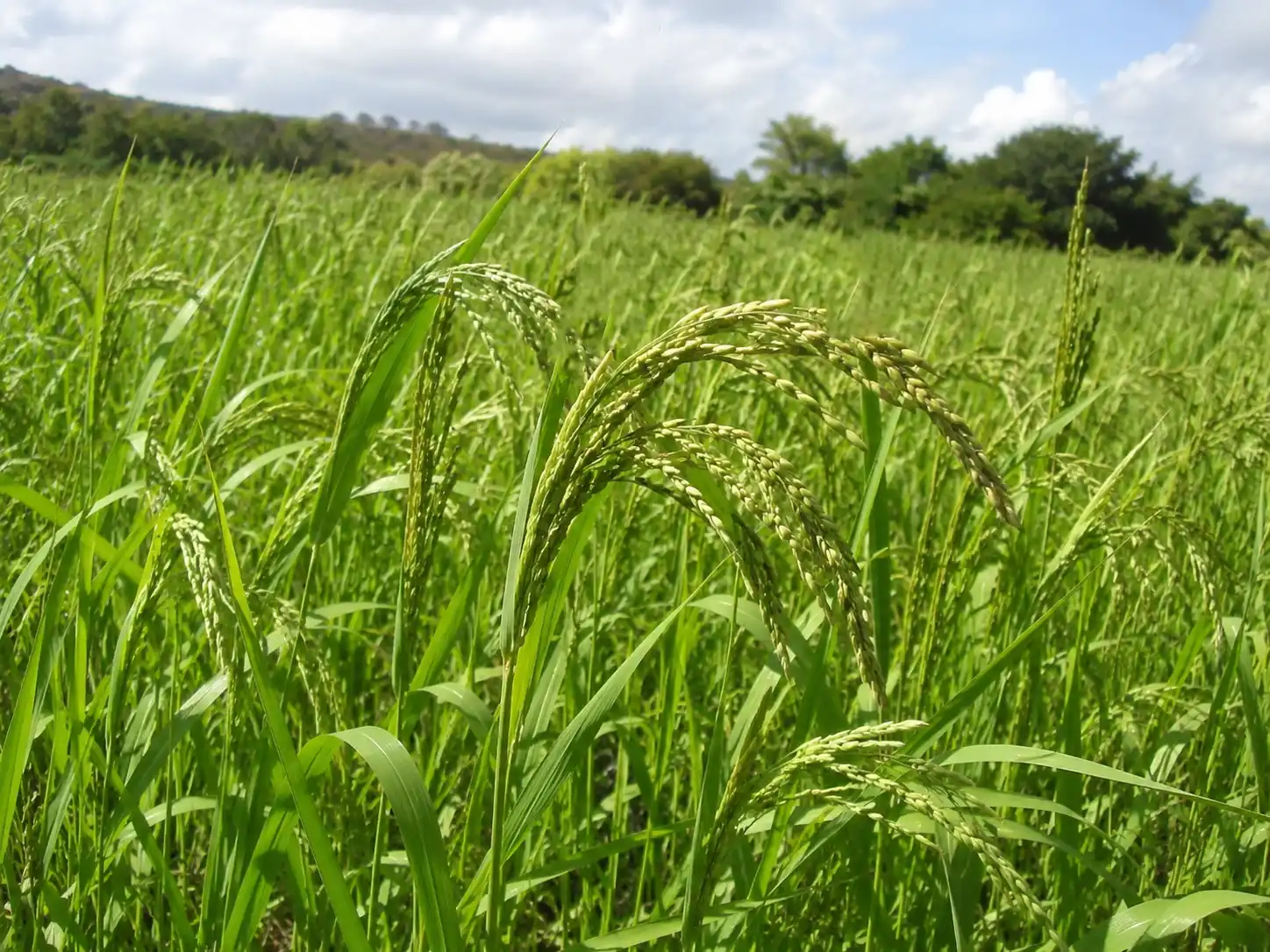
Shirohie Millet is a fast-growing, warm-season annual grass used in Australia for summer forage, grazing, hay, green manure and cover cropping. Its leafy growth and fibrous root system make it useful for short-term soil cover, biomass production and cropping rotations.
- Fast-growing summer grass for seasonal soil cover and biomass.
- Suitable for forage, grazing and hay with appropriate management.
- Helps protect exposed soil and compete with weeds after establishment.
- Useful as a short-term green manure between crops.
- Can be combined with compatible warm-season legumes in cover crop mixes.
- Frost-sensitive annual grass; does not fix nitrogen.
Plant Details
- Plant Type: Warm-season annual grass
- Botanical Name: Echinochloa esculenta
- Variety: Shirohie
- Growth Habit: Upright, leafy and fast-growing in favourable conditions
- Approximate Height: 80–150 cm, depending on conditions and management
- Root System: Fibrous
- Position: Full sun
- Frost Tolerance: Frost-sensitive
- Growing Conditions: Warm conditions with adequate moisture and fertility
Best Uses
- Summer cover crop: Provides seasonal ground cover.
- Green manure: Produces plant residues that can be retained or incorporated.
- Forage, grazing and hay: Produces leafy summer growth; cutting and grazing timing influence feed quality.
- Weed suppression: A well-established stand competes with weeds, although early weed control remains important.
- Cover crop mixtures: Can be combined with compatible legumes, using adjusted component rates.
Sowing Information
- Season: Spring to summer after frost risk has passed; local tropical windows depend on rainfall.
- Sowing Depth: Approximately 10–20 mm.
- Germination: Often 5–10 days under favourable warm, moist conditions.
- Soil: Prepared seedbed with good seed-to-soil contact.
- Moisture: Reliable moisture during establishment.
Sowing Rate & Coverage
The supplier recommends 25–60 kg per hectare (2.5–6 g/m²) for Shirohie Millet. Select a rate according to seed quality, sowing method, growing conditions and desired stand density. The coverage below is calculated for a sole-species planting; mixed cover crop rates require a separate calculation.
Coverage is approximate and is not a guarantee of germination, establishment or canopy density.
When to Sow Shirohie Millet in Australia
- Cool and temperate regions: Late spring to summer, once soils have warmed and frost risk has passed.
- Subtropical regions: Spring through the warm growing season, while sufficient moisture is available.
- Tropical regions: Suitable warm planting periods with adequate rainfall or irrigation; account for local drainage.
- Arid and semi-arid regions: Sow only when rainfall or irrigation can support establishment and growth.
How to Sow Shirohie Millet Seeds
- Select a sunny site and control weeds before sowing.
- Prepare a firm seedbed and calculate seed needs using the supplier’s 25–60 kg/ha range.
- Broadcast evenly or use suitable sowing equipment.
- Cover lightly to approximately 10–20 mm and firm for good seed-to-soil contact.
- Maintain moisture during germination and establishment.
- Manage the stand for its intended purpose: forage, hay or green manure.
Green Manure & Soil Benefits
Shirohie Millet can provide rapid summer soil cover and organic residues from its shoots and roots. For green manure, cut or terminate before mature seed develops if volunteer seedlings are unwanted. Retain residues on the surface as mulch or incorporate them where appropriate for the following crop.
Shirohie Millet does not fix atmospheric nitrogen. Where nitrogen fixation is desired, consider including compatible legumes such as cowpea or lablab in a suitably calculated summer cover crop mixture.
Forage, Grazing & Hay
Shirohie Millet is also used as a summer forage grass. Leafy, actively growing material generally provides better feed quality than mature, stemmy growth. Grazing and cutting schedules should suit the animals, local conditions and forage objectives. This annual crop is not a permanent pasture.
Important Growing Notes
- Frost-sensitive; avoid sowing into cold soil.
- Control weeds early in establishment.
- Adequate fertility and moisture support higher biomass production.
- Terminate before mature seed formation if volunteers are undesirable.
- Adjust rates for mixed-species plantings instead of using the full sole-species rate for every component.
Reviews
There are no reviews yet.