
Thai Holy Basil (Ocimum tenuiflorum) is a highly aromatic, warm-season herb known for its peppery, clove-like flavour, textured leaves and importance in Thai and Southeast Asian cooking.
It belongs to the group of plants commonly known as Holy Basil, Tulsi or Sacred Basil.
Thai Holy Basil is often confused with Thai sweet basil, but they are different plants. Holy Basil has a stronger, spicier flavour and is traditionally used in dishes such as pad kra pao.
Australian gardeners can grow Thai Holy Basil from seed in garden beds, raised beds or containers throughout the warmer months.
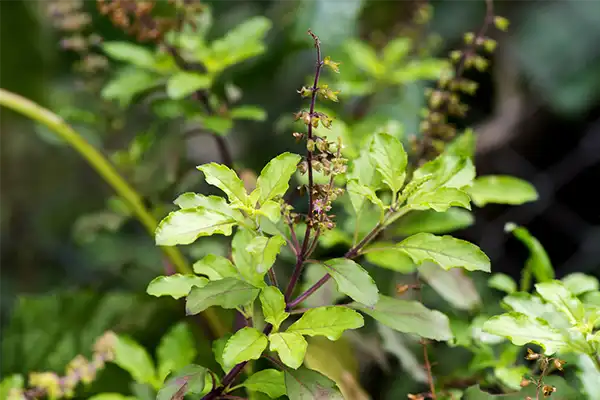
Ocimum tenuiflorum
Warm-season herb
Approximately 30–70 cm
Full sun to light afternoon shade
Usually 7–14 days
Thai cooking, pots and kitchen gardens
Choose Holy Basil varieties for Thai cooking, herbal infusions, pots and pollinator-friendly gardens.
Thai Holy Basil Red Seeds
Rama Tulsi (Green Holy Basil) Seeds
What Is Thai Holy Basil?
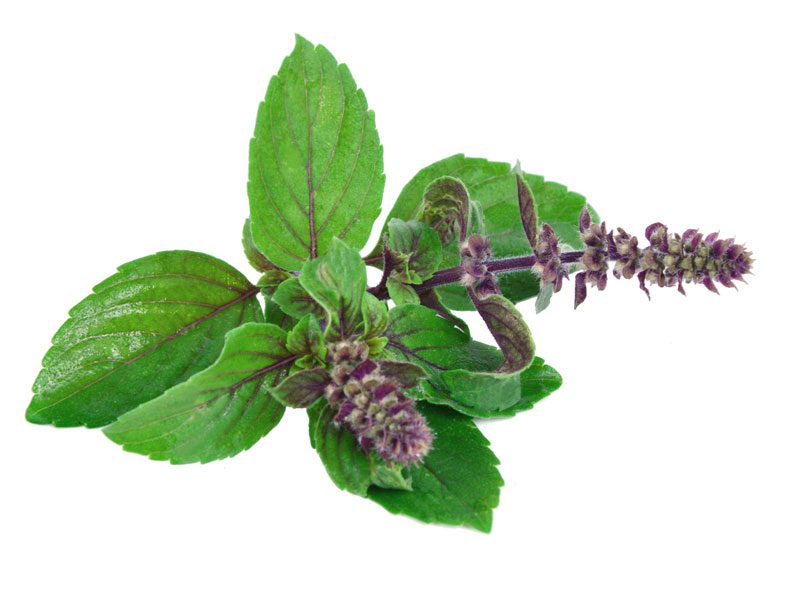
Thai Holy Basil is an upright, branching member of the mint family, Lamiaceae.
Its accepted botanical name is Ocimum tenuiflorum, although the older synonym Ocimum sanctum is still encountered in seed catalogues and horticultural references.
The plant develops aromatic leaves and small flowers arranged along slender spikes. Depending on the cultivated form, its stems and foliage may be green, purple-tinged or reddish-purple.
Holy Basil originates from tropical and subtropical Asia and has a long history as a culinary, cultural and garden plant. In Thailand, Thai Holy Basil is commonly called krapao, kra pao or gaprao.
Ocimum tenuiflorum
Thai Holy Basil, Holy Basil, Tulsi, Sacred Basil and Krapao
Lamiaceae
Warm-season annual in most Australian climates
Approximately 30–70 cm
Full sun to light afternoon shade
Usually 7–14 days in warm conditions
Thai cooking, kitchen gardens, containers and pollinator plantings
Is Holy Basil the Same as Thai Basil?
No. Holy Basil and Thai sweet basil are related, but they are different types of basil with distinct flavours, leaf characteristics and culinary uses.
Thai Holy Basil
Botanical name:
Ocimum tenuiflorum
Thai name:
Krapao or kra pao
Leaves:
Often slightly hairy, toothed or textured.
Flavour:
Peppery, spicy, clove-like and warming.
Best known for:
Pad kra pao and strongly flavoured stir-fries.
Thai Sweet Basil
Botanical classification:
Ocimum basilicum var. thyrsiflorum
Thai name:
Horapha
Leaves:
Generally smoother and glossier.
Flavour:
Sweet, aromatic and noticeably anise-like.
Best known for:
Curries, noodle soups, salads and fresh garnishes.
Red Holy Basil vs Green Holy Basil
Red and green forms of Holy Basil belong to Ocimum tenuiflorum and share similar warm-season growing requirements.
Both are aromatic, frost tender and suitable for garden beds and containers, but they differ in appearance, flavour emphasis and common uses.
Thai Holy Basil Red
Develops purple-red stems with foliage ranging from green with purple tinges to more strongly coloured leaves.
Stem colour:
Purple-red
Leaf colour:
Green to purple-tinged
Flavour:
Spicy, peppery and clove-like
Best suited to:
Thai cooking, colourful herb beds and pots
Rama Tulsi — Green Holy Basil
Rama Tulsi is a green-leaved form of Holy Basil with green stems and highly aromatic foliage.
Stem colour:
Predominantly green
Leaf colour:
Predominantly green
Flavour:
Aromatic, warm and clove-like
Best suited to:
Herbal infusions, kitchen gardens and containers
See all current varieties in the
Seedmart Holy Basil and Tulsi seed collection.
What Does Thai Holy Basil Taste Like?
Thai Holy Basil has a robust flavour that is noticeably different from common sweet basil.
A noticeable pepper-like character
Warm aromatic notes
Strong enough for intensely flavoured dishes
Reflecting its place in the mint family
A subtle aromatic note
The aroma becomes particularly noticeable when the leaves are crushed, brushed or added to a hot pan.
This intensity allows Holy Basil to retain its character in dishes containing garlic, chilli, sauces and strongly flavoured vegetables or proteins.
What Is Thai Holy Basil Used For?
Thai Holy Basil is best known as the defining herb in pad kra pao, a Thai stir-fry commonly prepared with garlic, chilli, sauces and minced or finely sliced meat.
The leaves are generally added near the end of cooking so they wilt while retaining their distinctive fragrance.
The classic culinary use for Thai Holy Basil.
Works well with garlic, chilli and strongly flavoured sauces.
Adds a warm, peppery herbal flavour.
Add towards the end of cooking.
Fresh leaves provide a strong aromatic finish.
Holy Basil varieties are also grown for aromatic infusions.
Thai Holy Basil has a stronger flavour than ordinary sweet basil. Begin with a modest amount and add more according to taste.
How to Grow Thai Holy Basil from Seed
Thai Holy Basil grows readily from seed when provided with warmth, bright light and consistent moisture.
Cold growing media, sowing too deeply and excessive watering are among the most common causes of slow or uneven germination.
Choose the Right Sowing Time
Sow after frost risk has passed and temperatures have warmed. In cooler regions, start seeds indoors or under protection.
Prepare the Growing Medium
Use a clean, free-draining seed-raising mix that retains moisture without becoming saturated.
Sow Shallowly
Surface sow or cover very lightly with approximately 1–2 mm of fine seed-raising mix or vermiculite.
Maintain Warmth & Moisture
Keep the surface evenly moist using a fine mist or gentle watering method. Avoid waterlogging.
Provide Strong Light
Once seedlings emerge, provide bright natural light or suitable supplemental lighting to prevent weak, stretched growth.
Transplant or Thin
Harden seedlings gradually before planting outside and space plants approximately 25–30 cm apart.
Thai Holy Basil Growing Requirements
Surface sow or cover approximately 1–2 mm
Approximately 18–25°C
Usually 7–14 days
Approximately 25–30 cm
Full sun; light afternoon shade in very hot regions
Regular moisture without waterlogging
Approximately 60–80 days depending on conditions
For general information about other basil varieties, read Seedmart’s guide to
growing basil from seed.
When to Sow Holy Basil in Australia
Holy Basil is sensitive to cold and frost, so sowing times depend largely on local temperature.
In cooler regions, delay outdoor sowing until the soil has warmed or begin seeds indoors with additional warmth.
October – January
Start after frost danger has passed or raise seedlings under protection with additional warmth.
September – February
Sow once soil and daytime temperatures have warmed and frost risk is low.
August – March
Performs strongly during warm weather with regular moisture and good airflow.
Year-Round in Suitable Conditions
Avoid prolonged waterlogging and provide good airflow during humid or wet periods.
September – March
Maintain consistent moisture and provide some protection during extreme afternoon heat.
These periods are general guides. Local frost dates, elevation, seasonal conditions and individual garden microclimates should also be considered.
Soil, Sunlight and Water Requirements
Soil
Grow Holy Basil in fertile, well-drained soil enriched with compost or well-rotted organic matter.
The soil should retain enough moisture for tender leaf growth without remaining saturated.
Sunlight
Plants perform best with at least six hours of direct sunlight each day.
Light afternoon shade can be useful in very hot inland or arid climates.
Water
Keep soil evenly moist during establishment and water regularly during hot weather.
Avoid persistently wet soil and maintain adequate airflow around the foliage.
Feeding
Holy Basil generally requires only moderate feeding in reasonably fertile soil.
Container plants may benefit from occasional applications of a balanced liquid fertiliser during active growth.
Excessive nitrogen may encourage soft leafy growth with less concentrated flavour.
Can Holy Basil Be Grown in Pots?
Yes. Holy Basil grows well in containers and is suitable for balconies, patios, courtyards and compact kitchen gardens.
Choose a container with adequate drainage holes and fill it with a quality, free-draining potting mix.
Approximately 20–30 cm wide for one mature plant
At least six hours of direct sunlight where possible
Regular watering during warm weather
Unrestricted drainage is essential
Occasional liquid feeding during active growth
Harvest regularly to encourage branching
Plants can be moved into a warmer or more sheltered position when cooler weather arrives.
How to Keep Holy Basil Bushy
Pinch the Growing Tip
Once young plants have several sets of true leaves, pinch out the main growing tip.
Encourage Side Shoots
Removing the main tip encourages branching and produces a fuller plant.
Harvest Above a Node
Cut upper shoots just above a pair of leaves or a leaf node so new branches can develop below the cut.
Manage Flowers
Remove flower spikes for maximum leaf production or allow selected stems to flower for pollinators and seed.
How and When to Harvest Holy Basil
Begin harvesting once plants are established and producing several healthy branches.
Pick individual leaves as required or remove tender stem tips just above a leaf node.
Why Harvest Regularly?
Regular harvesting encourages branching, produces tender new leaves, helps delay heavy flowering and extends the productive harvest period.
Best Time to Harvest
For strong aroma, harvest leaves during the morning after surface moisture has dried. Fresh leaves are generally best used promptly.
When harvesting a larger quantity, avoid removing more than approximately one-third of the plant at once. Leave enough healthy foliage for the plant to recover and continue growing.
Does Holy Basil Attract Bees?
Yes. When allowed to flower, Holy Basil produces numerous small blooms that are visited by bees and other beneficial insects.
Harvest most plants regularly while allowing one or two plants to bloom. This provides an ongoing culinary harvest while also adding a pollinator-friendly flowering herb to the garden.
Can You Save Seeds from Holy Basil?
Yes. Seedmart’s Thai Holy Basil Red and Rama Tulsi varieties are open-pollinated, so gardeners can collect mature seed for future sowing.
Select Plants
Choose healthy, true-to-type plants.
Allow Flowering
Let selected plants develop mature flower spikes.
Let Seed Heads Dry
Leave the flowers until the seed heads become dry and brown.
Collect
Cut dry stems and place them in a paper bag or on a clean tray.
Release the Seeds
Rub or shake the dried flower heads to release the small seeds.
Clean
Separate the seeds from as much dry plant material as practical.
Dry Thoroughly
Make sure seed is properly dry before storage.
Store
Keep seed in a labelled container in a cool, dry and dark location.
Different basil varieties may cross-pollinate when flowering together. Appropriate isolation may be needed if maintaining varietal purity is important.
Common Holy Basil Growing Problems
Poor or Uneven Germination
Likely causes: cold growing media, sowing too deeply, drying out or excessive moisture.
What to do: sow shallowly, provide warmth and maintain even moisture without saturation.
Long, Weak Seedlings
Likely cause: insufficient light.
What to do: move seedlings into stronger light while gradually acclimatising them to direct sunlight.
Yellow Leaves
Possible causes: overwatering, poor drainage, nutrient deficiency, cold conditions, restricted roots or natural ageing.
What to do: check soil moisture and overall growing conditions before adding fertiliser.
Flowering Too Early
Possible causes: heat, water stress, restricted roots or plant maturity.
What to do: harvest regularly, maintain even moisture and remove flower spikes when leaf production is the priority.
Chewed Leaves
Possible cause: caterpillars or other pests.
What to do: inspect leaf undersides and tender growing tips regularly.
Wilting in Hot Weather
Possible cause: intense heat or dry container mix.
What to do: check moisture, water deeply when required and consider light afternoon shade for container plants.
Frequently Asked Questions
Is Thai Holy Basil the Same as Tulsi?
Thai Holy Basil belongs to Ocimum tenuiflorum, the species commonly known as Holy Basil, Tulsi or Sacred Basil. Different cultivated forms can vary in colour, aroma, flavour and growth.
Is Thai Holy Basil the Same as Siam Queen Basil?
No. Thai Holy Basil is Ocimum tenuiflorum, while Siam Queen is a Thai sweet basil belonging to Ocimum basilicum.
Which Basil Is Used for Pad Kra Pao?
Thai Holy Basil is the traditional choice. Thai sweet basil can be substituted, but it produces a sweeter, more liquorice-like flavour.
Is Rama Tulsi the Same as Thai Holy Basil?
Both belong to Ocimum tenuiflorum, but they are cultivated forms associated with different characteristics and uses.
Is Holy Basil an Annual or Perennial?
It may behave as a short-lived perennial in warm frost-free climates. Across much of Australia, it is grown as a warm-season annual.
How Long Does Holy Basil Take to Germinate?
Usually around 7–14 days when seed is sown shallowly into warm, evenly moist seed-raising mix.
How Long Until the First Harvest?
Plants may be ready for an initial light harvest in approximately 60–80 days, depending on growing conditions.
Can Holy Basil Grow Indoors?
Yes, provided it receives several hours of strong direct light or suitable supplemental lighting.
Does Holy Basil Need Full Sun?
It performs best in a warm, sunny position. Light afternoon protection can help in very hot or arid regions.
Can You Eat Holy Basil After It Flowers?
Yes. The leaves remain edible, although they may become firmer and develop a stronger flavour.
Can Red and Green Holy Basil Grow Together?
Yes. Thai Holy Basil Red and Rama Tulsi have similar growing requirements and can be grown together with adequate spacing.
Can Holy Basil Be Grown from Cuttings?
Soft healthy stem cuttings may root in water or moist propagation mix. Growing from seed is also an effective way to establish larger numbers of plants.
Grow Thai Holy Basil at Home
Thai Holy Basil is an excellent choice for gardeners who enjoy aromatic herbs, authentic Thai cooking and pollinator-friendly plants.
It grows quickly in warm weather, responds well to regular harvesting and performs well in garden beds, raised beds and containers.
Thai Holy Basil Red
A strongly aromatic Holy Basil with spicy flavour, purple-red stems and colourful foliage.
Rama Tulsi
An aromatic green-leaved Tulsi suited to herbal infusions, warm gardens and containers.
Ready to Grow Holy Basil?
Compare Thai Holy Basil Red, Rama Tulsi and other Holy Basil seeds available from Seedmart Australia.
Looking for other varieties? Browse Seedmart’s complete
Basil Seeds collection.