
Rosella (Hibiscus sabdariffa) is a vigorous warm-season hibiscus grown for its striking red calyxes, edible young leaves and attractive cream to pale-yellow flowers. The fleshy calyx that develops around each seed pod has a distinctive tart flavour and is traditionally used to make rosella jam, cordial, syrup, tea, sauces and preserves.
Rosella grows particularly well in tropical and subtropical Australia, including Queensland and northern New South Wales. It can also be grown as a warm-season annual in temperate districts where gardeners provide full sun, warm soil and a sufficiently long frost-free season.
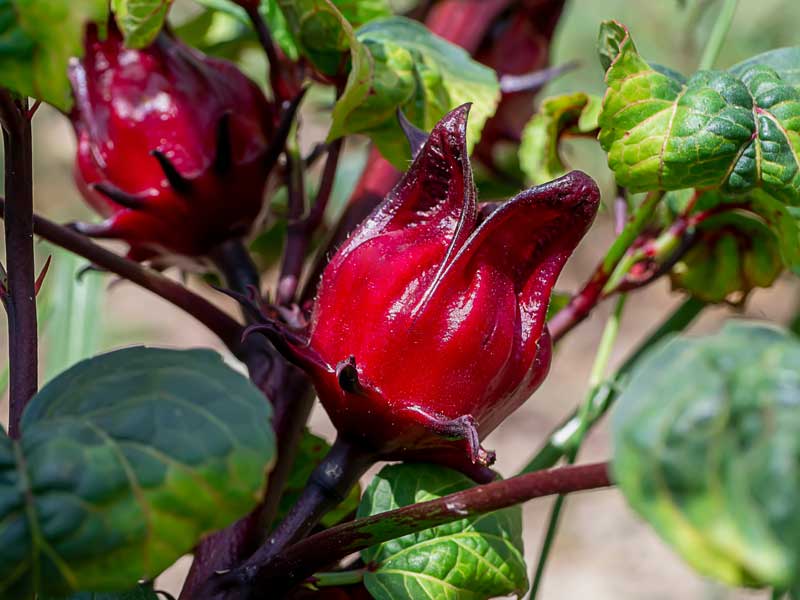
Both names are used for Hibiscus sabdariffa. In Australia, the plant is most commonly called rosella, while roselle is widely used internationally. It is also known as Queensland jam plant, Jamaican sorrel, red sorrel, karkade and Florida cranberry.
Hibiscus sabdariffa
Malvaceae
Warm-season annual or short-lived perennial
Approximately 1.5–2 metres
Full sun
Very low
Approximately 4–6 months
Red fleshy calyxes
What Is Rosella?
Rosella is an upright, branching shrub in the hibiscus family. It develops deeply lobed green leaves, reddish stems and attractive hibiscus-like flowers. After a flower fades, a fleshy red structure called the calyx enlarges around the developing seed pod.
The calyx is the part most commonly harvested for cooking and drinks. It has a sharp, fruity flavour often compared with cranberry or sour cherry. The central seed pod is usually removed before the calyx is made into jam, cordial, tea or other preparations.
Rosella is thought to have originated in tropical regions of Africa and has become an important food plant in many parts of Asia, the Pacific, the Caribbean, Africa and the Americas. It is especially well suited to warm Australian gardens because it tolerates heat and humidity when grown in fertile, free-draining soil.
Is Rosella the Same as Hibiscus?
Rosella is a type of hibiscus, but it is not the same plant as every ornamental hibiscus grown in Australian gardens.
The botanical name of edible rosella is Hibiscus sabdariffa. It belongs to the same genus as many ornamental hibiscus plants, but it is cultivated primarily for its edible calyxes and young leaves rather than solely for its flowers.
| Plant | Botanical identity | Main garden use | Important distinction |
|---|---|---|---|
| Rosella | Hibiscus sabdariffa | Edible calyxes, leaves, drinks and preserves | The red calyx surrounding the seed pod is harvested for food. |
| Common ornamental hibiscus | Usually other Hibiscus species and hybrids | Decorative flowers and landscaping | Do not assume an unidentified ornamental hibiscus can be prepared in the same way as rosella. |
| Native rosella | A name applied to several Australian native hibiscus relatives | Bushfood, habitat and ornamental gardening | Native rosella is not necessarily Hibiscus sabdariffa. |
Is Rosella Native to Australia?
Hibiscus sabdariffa is not considered an Australian native plant. However, Australia has several native hibiscus relatives that may be called native rosella, native hibiscus or wild rosella.
This naming overlap can cause confusion. When purchasing seed for jam, cordial or tea production, check that the botanical name is Hibiscus sabdariffa.
Can You Grow Rosella in Australia?
Rosella can be grown successfully across much of Australia, provided it receives sufficient warmth and enough time to flower and develop mature calyxes before cold weather arrives.
Tropical and subtropical areas provide the most reliable conditions. Gardeners in warm temperate and temperate districts can also achieve good results by sowing early, starting seeds under protection if necessary and transplanting once the soil is warm.
Rosella generally needs at least four to six months of warm, frost-free growing conditions. In cooler areas, late sowing may produce a large leafy plant that begins flowering too late to provide a substantial harvest.
When to Plant Rosella in Australia
Sow rosella when soil temperatures are warm and the risk of frost has passed. In cooler districts, starting seeds indoors or in a heated propagation area can extend the growing season.
Darwin, Cairns and similar districts
Sowing: During a warm period, commonly late winter to early summer.
Growing notes: Choose a period that avoids severe waterlogging, cyclonic weather or prolonged heavy rain. Excellent drainage is essential.
Harvest: Approximately 4–6 months after sowing.
Brisbane, southeast Queensland and northern NSW
Sowing: September to November.
Growing notes: Sow after winter when the soil is warming. Plants usually have sufficient time to mature before the following winter.
Harvest: Late summer through autumn.
Sydney, coastal NSW and sheltered districts
Sowing: October to November.
Growing notes: Start earlier under protection if needed and transplant after frost risk has passed.
Harvest: Autumn, before damaging cold.
Canberra, Hobart and cold inland districts
Sowing: Start under protection in late winter or early spring.
Growing notes: Outdoor cropping can be difficult because the season may be too short. Use a greenhouse or the warmest sheltered position available.
Harvest: Before the first significant frost.
Warm inland districts
Sowing: Late winter to spring, after frost risk.
Growing notes: Provide regular irrigation, mulch and some protection from extreme drying winds.
Harvest: Approximately 4–6 months after sowing.
These periods are general Australian guidelines. Local frost dates, elevation, rainfall, soil temperature and seasonal heat should always be considered.
How to Grow Rosella from Seed
Rosella is normally grown from seed. It establishes quickly in warm soil and can develop into a substantial shrub within one growing season.
| Growing factor | General guide |
|---|---|
| Sowing depth | Approximately 1–1.5 cm deep |
| Germination temperature | Warm soil, ideally approximately 22–30°C |
| Germination time | Usually 7–14 days in suitable conditions |
| Plant spacing | Approximately 60–100 cm between plants |
| Row spacing | Approximately 1–1.5 metres |
| Position | Full sun |
| Soil | Fertile, free-draining soil enriched with mature compost |
| Container size | One plant per large container, preferably 40 litres or larger |
Step-by-Step Sowing Instructions
Choose the correct sowing time
Wait until the soil and weather are consistently warm. In cooler areas, start seeds under protection several weeks before outdoor planting conditions become suitable.
Prepare the planting area
Select a sunny position and incorporate mature compost into the soil. Ensure excess water can drain freely.
Sow the seeds
Plant seeds approximately 1–1.5 cm deep in pots, seedling cells or directly into the garden.
Maintain steady moisture
Keep the soil moist but not saturated while the seeds germinate.
Provide strong light
Move seedlings into bright light immediately after emergence to encourage compact, sturdy growth.
Transplant after frost risk
Harden indoor-raised seedlings gradually and transplant them without disturbing the root system unnecessarily.
Allow plenty of space
Position plants far enough apart for air circulation and branching. Mature rosella plants can become broad and dense.
Rosella seeds can be soaked in room-temperature water for several hours or overnight before sowing. This may help soften the seed coat. Sow promptly after soaking and discard seeds that show signs of decay.
Rosella Soil, Sun and Water Requirements
Plant rosella in full sun. At least six hours of direct sunlight per day is recommended, with stronger flowering and calyx production generally occurring in open, sunny positions.
Plants grown in excessive shade may become tall and weak, produce fewer branches and develop a smaller harvest.
Rosella grows best in fertile, well-drained soil containing plenty of organic matter. A well-structured loam or sandy loam is ideal.
Improve poor soil with mature compost before planting. Avoid sites that remain waterlogged after rain.
Water regularly while seedlings establish and during hot, dry weather. Established plants appreciate deep watering that encourages roots to extend into the soil.
Maintain reasonably consistent moisture during flowering and calyx development, but avoid persistent waterlogging.
Apply organic mulch around established plants to conserve soil moisture, reduce weed competition and protect the soil from extreme heat.
Keep mulch slightly away from the main stem to reduce the risk of stem and crown rot.
Mix mature compost into the planting area before sowing or transplanting. During early growth, a balanced fertiliser can be applied according to its label directions. Avoid repeatedly applying excessive nitrogen, which may encourage excessive leafy growth while delaying flowering and calyx development.
Pinching, Pruning and Supporting Rosella
Encourage Bushier Growth
Young rosella plants can be pinched back once they are well established to encourage side branches and a bushier shape. More branches can provide additional flowering sites later in the season.
Remove only the soft growing tip rather than cutting the plant back severely. Repeated heavy pruning may delay flowering.
Mature plants are usually self-supporting, but branches can become heavy once numerous calyxes develop. Stakes may be useful in exposed or windy gardens.
Rosella Flowers and Calyx Development
Rosella produces attractive cream, pale-yellow or pinkish hibiscus flowers, often with a darker centre. Each flower usually lasts for a relatively short time.
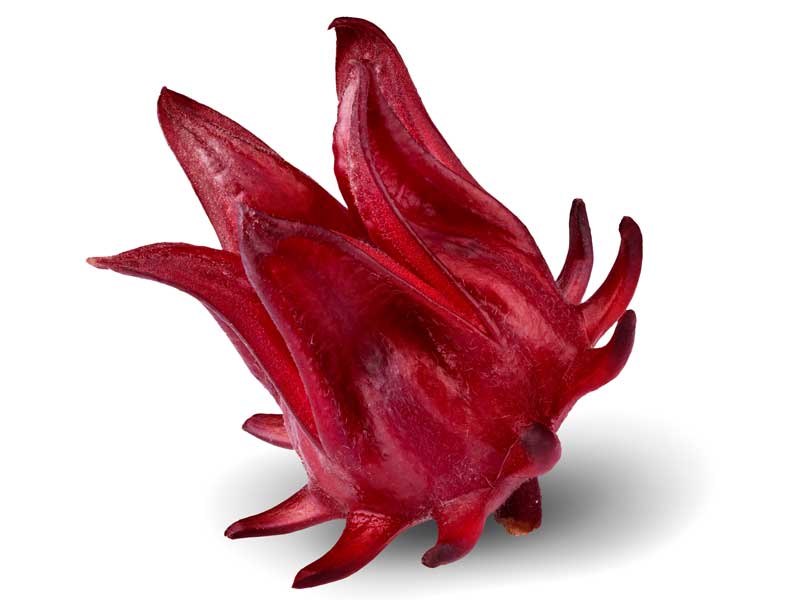
After flowering, the red calyx surrounding the central seed capsule begins to enlarge and become fleshy. This calyx—not the central seed pod—is the part normally collected for jam, cordial and tea.
Flowering time varies according to sowing date, temperature, latitude and day length. In cooler districts, flowering may begin late in the growing season, which is why early planting is important.
When and How to Harvest Rosella
Rosella plants commonly begin producing harvestable calyxes around four to six months after sowing. Harvesting usually continues over several weeks as flowers open and new calyxes mature.
Signs a Rosella Calyx Is Ready
- The flower has fallen from the plant.
- The surrounding red calyx is plump, fleshy and brightly coloured.
- The central seed capsule is well developed but still green or only beginning to mature.
- The calyx remains tender rather than dry, tough or woody.
Harvest regularly to keep the plant productive and prevent the best calyxes from becoming fibrous.
How to Pick Rosella Calyxes
Choose mature calyxes
Pick plump calyxes after the flowers have dropped.
Cut carefully
Use clean secateurs or garden snips to cut the short stem.
Handle gently
Rosella branches can become brittle as the plant matures.
Remove the pod
Separate the red calyx from the central seed capsule.
Wash
Wash the calyxes before cooking, drying or freezing.
Save selected pods
Set aside selected mature pods if seed saving is planned.
Removing the Seed Pod
The central seed capsule can be pushed out of the fleshy calyx using a purpose-made rosella corer, a small metal tube, the end of an apple corer or a carefully handled knife.
For jam making, some recipes simmer the seed capsules separately because they contain natural pectin. The strained liquid is then added back to the calyx mixture. Follow a tested preserving recipe when making shelf-stable products.
Which Parts of Rosella Are Edible?
| Plant part | Common use | Preparation notes |
|---|---|---|
| Fleshy red calyx | Jam, cordial, syrup, sauces, tea, desserts and preserves | Remove the central seed capsule before most culinary uses. |
| Young leaves | Cooked greens, soups, curries and sour-flavoured dishes | Choose clean, tender leaves and prepare them as an edible leafy vegetable. |
| Young shoots | Cooked vegetable | Use only tender growth from correctly identified Hibiscus sabdariffa. |
| Flowers | Occasional edible garnish | Use clean flowers that have not been exposed to unsuitable pesticides. |
| Seeds | Seed saving and traditional food uses in some cultures | Most home gardeners retain mature seed primarily for replanting. |
| Woody stems and mature branches | Not generally used as food | Add disease-free material to compost or garden waste. |
Only prepare plant material that has been positively identified as edible rosella, Hibiscus sabdariffa. Do not assume that every ornamental or native hibiscus species has the same culinary uses.
How to Use Fresh Rosella
The calyxes have a tart flavour and a strong red colour. Their sharpness works particularly well with sugar, citrus, ginger and warming spices.
Rosella jam is one of the best-known uses for the crop in Australia. The calyxes soften during cooking and produce a rich red preserve with a tangy flavour.
Fresh calyxes can be simmered with water and sugar to produce a brightly coloured cordial or concentrated syrup. Lemon, lime, ginger, cloves or cinnamon may be added according to the recipe.
Fresh or dried rosella calyxes can be steeped in hot water to make a tart, ruby-coloured herbal infusion. The drink may be served hot or chilled and is naturally caffeine-free when prepared only from rosella.
Rosella can also be used in chutneys, relishes, dessert sauces, fruit fillings, jellies, sorbets and baked dishes. Its acidity can balance rich or sweet ingredients.

How to Dry Rosella Calyxes
Dried rosella can be stored for tea and other culinary uses. Begin with clean, freshly harvested calyxes and remove the central seed capsules.
Wash
Wash the calyxes and drain them thoroughly.
Prepare
Separate or slice large calyxes to improve air circulation.
Arrange
Place the calyxes in a single layer on dehydrator trays.
Dry
Dry at a low temperature until completely crisp.
Cool
Allow the dried material to cool before packing.
Store
Store in an airtight container away from heat, moisture and direct sunlight.
The calyxes must be thoroughly dry before they are sealed in a container. Residual moisture can cause deterioration or mould during storage.
How to Save Rosella Seeds
Rosella is generally easy to grow from saved seed. Select healthy, vigorous plants with desirable growth and productive calyxes.
Leave several pods on the plant after the normal culinary harvest period. As the pods mature, they become brown and dry and may begin splitting open.
Select
Choose seed pods from healthy, true-to-type plants.
Allow to mature
Allow pods to mature and dry on the plant where weather permits.
Harvest
Collect pods before they split and scatter their seed.
Finish drying
Place pods in a dry, ventilated area until completely crisp.
Remove seeds
Break open the capsules and remove the seeds.
Check quality
Discard damaged, discoloured or insect-affected seed.
Store
Keep thoroughly dry seed in a labelled, airtight container in a cool location.
Rosella can cross with compatible nearby plants. Gardeners who require seed with reliable varietal characteristics should isolate plants from other flowering rosella varieties or begin with fresh commercial seed.
Can Rosella Be Grown in a Pot?
Rosella can be grown successfully in a large container, although container-grown plants may remain smaller than plants grown in open soil.
Choose a container of at least approximately 40 litres, with larger pots preferred where space permits. The container must have generous drainage holes.
Container Checklist
- Grow one rosella plant per large container.
- Use premium-quality potting mix enriched with compost.
- Position the pot in full sun.
- Water thoroughly whenever the upper mix begins to dry.
Ongoing Care
- Apply fertiliser according to the potting mix and product directions.
- Use a heavy container or stake the plant in windy locations.
- Check moisture frequently during hot weather.
- Make sure excess water can drain freely.
Common Rosella Growing Problems
| Problem | Likely cause | What to do |
|---|---|---|
| Seeds do not germinate | Cold soil, old seed, excessive moisture or seed planted too deeply | Sow in warm conditions, use fresh seed and keep the mix moist rather than waterlogged. |
| Seedlings become tall and weak | Insufficient light or overcrowding | Move seedlings into stronger light and provide adequate spacing. |
| Large plant but few flowers | Excess nitrogen, late sowing, shade or unsuitable seasonal conditions | Provide full sun, reduce high-nitrogen feeding and sow earlier in the season. |
| Flowers appear but few calyxes develop | Weather stress, poor plant health or flowers dropping prematurely | Maintain consistent watering and protect plants from severe heat, wind and cold. |
| Yellow leaves | Waterlogging, nutrient stress, cold weather or natural ageing | Check drainage and soil moisture before applying additional fertiliser. |
| Plants wilt despite wet soil | Root damage or waterlogging | Improve drainage and avoid repeatedly saturating the root zone. |
| Aphids on new growth | Sap-sucking insects clustering on soft shoots | Hose off small infestations, encourage beneficial insects or use an appropriate garden treatment. |
| Caterpillar damage | Leaf-eating larvae | Inspect plants regularly, remove caterpillars by hand or use a suitable biological treatment where needed. |
| Calyxes become dry and woody | Harvest delayed too long | Pick calyxes while they remain plump, tender and brightly coloured. |
| Cold weather arrives before harvest | Late planting or short growing season | Start seeds earlier under protection in the following season and use the warmest available position. |
Frequently Asked Questions
Is rosella a hibiscus?
Yes. Rosella is the species Hibiscus sabdariffa and belongs to the hibiscus family. It is grown primarily for its edible red calyxes and young leaves.
Is rosella the same as ornamental hibiscus?
No. Rosella belongs to the same genus, but most ornamental garden hibiscus plants are different species or hybrids.
Is rosella native to Australia?
Hibiscus sabdariffa is not native to Australia. Several Australian native hibiscus relatives are also called native rosella, which can cause confusion.
How tall does a rosella plant grow?
Rosella commonly grows approximately 1.5–2 metres tall, although size varies according to climate, soil, spacing and growing season.
How long does rosella take to grow?
Rosella generally requires approximately four to six months from sowing to a useful calyx harvest.
When should rosella be planted in Brisbane?
In Brisbane and similar subtropical districts, rosella is generally sown from September to November once winter conditions have passed and the soil is warming.
Can rosella grow in Sydney?
Yes. Sow during spring in a warm, sunny position and give the plant the longest possible growing season before cold autumn and winter weather.
Can rosella grow in Melbourne?
Rosella can be grown in warm, sheltered Melbourne gardens, but the season may be marginal. Start seeds under protection and transplant after frost risk has passed.
Can rosella be grown in pots?
Yes. Grow one plant in a large, well-drained container positioned in full sun. Container plants require regular watering and may need staking.
What part of rosella is used for jam?
The fleshy red calyx surrounding the central seed capsule is used for rosella jam. The seed capsule is normally removed before preparation.
When should rosella calyxes be harvested?
Harvest after the flower has dropped, when the red calyx is plump, tender and fully developed but before it becomes dry or woody.
Can rosella leaves be eaten?
Young leaves of correctly identified Hibiscus sabdariffa are used as a tart leafy vegetable in several cuisines.
Does rosella tea contain caffeine?
Plain rosella tea made only from rosella calyxes is naturally caffeine-free.
Can rosella survive frost?
No. Rosella is highly frost sensitive. Frost can kill foliage and prevent immature calyxes from developing properly.
Can rosella seed be saved?
Yes. Leave selected pods to mature and dry, collect them before they split and store the thoroughly dry seeds in a cool, airtight container.
Grow Rosella at Home
Grow your own Hibiscus sabdariffa for colourful calyxes, homemade jam, cordial, tea and warm-season garden interest.