


Hyssop Herb Seeds
Botanical Name: Hyssopus officinalis
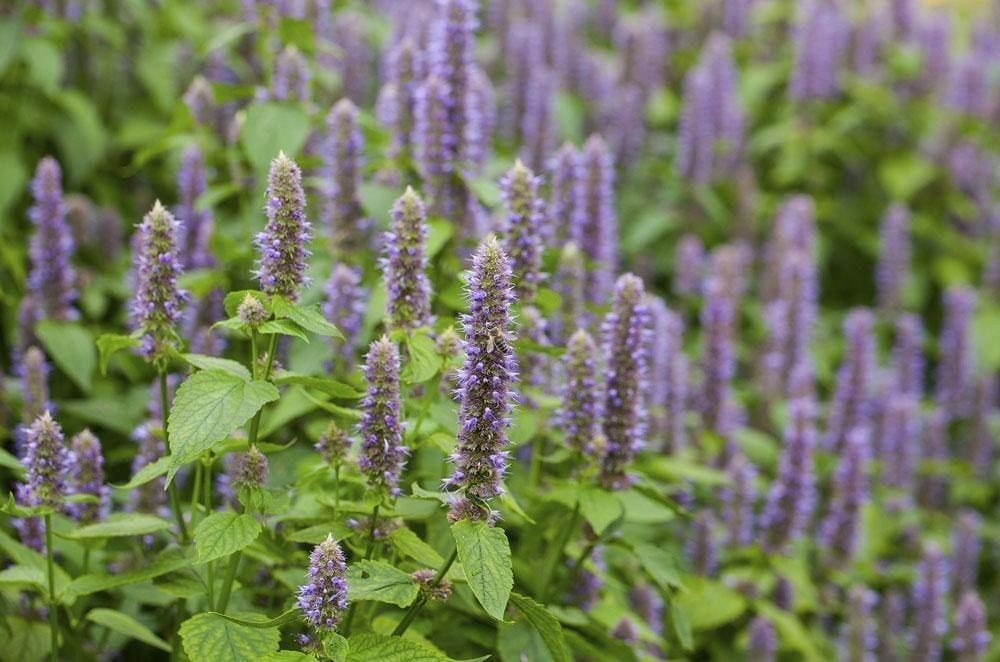
Hyssop is an aromatic perennial herb producing narrow green leaves and attractive spikes of blue to violet-blue flowers. A traditional Mediterranean and European herb, Hyssopus officinalis develops into a compact, bushy plant that combines culinary, ornamental and pollinator-friendly value in the garden.
The strongly aromatic foliage has a distinctive herbal flavour and can be used sparingly as a culinary herb. During flowering, upright stems carry clusters of small tubular flowers that are highly attractive to bees and other beneficial pollinating insects.
Hardy and relatively drought tolerant once established, hyssop performs particularly well in sunny positions with free-draining soil. It is an excellent choice for herb gardens, cottage gardens, Mediterranean-style plantings, pollinator gardens, borders, rockeries and containers.
Key Attributes
Aromatic Perennial HerbProduces strongly aromatic narrow foliage on compact, bushy perennial plants suitable for productive and ornamental herb gardens. |
Blue Flower SpikesDevelops attractive upright spikes of small blue to violet-blue tubular flowers, generally from summer into early autumn. |
Excellent Pollinator PlantFlowers provide a useful nectar source and attract bees and other beneficial pollinating insects to the garden. |
Culinary HerbYoung leaves and flowers are edible and can be used sparingly to add their distinctive aromatic flavour to selected savoury dishes. |
Suited to Dry, Sunny GardensEstablished plants tolerate relatively dry conditions and perform particularly well in sunny, free-draining garden positions. |
Versatile Garden PlantIdeal for herb gardens, cottage gardens, Mediterranean-style landscapes, borders, rockeries, wildlife gardens and containers. |
Product Description
Hyssop, botanically known as Hyssopus officinalis, is a traditional aromatic herb belonging to the Lamiaceae or mint family.
Native to parts of Europe and the Mediterranean region through western Asia, it has been cultivated for centuries as a culinary, ornamental and aromatic garden plant.
Hyssop develops a compact, bushy to upright growth habit with numerous woody-based stems covered in narrow, linear green leaves.
The foliage is strongly aromatic when crushed and has a distinctive herbal flavour. Because its flavour can be quite pronounced, fresh leaves are generally used sparingly in cooking.
During summer, established plants produce upright flower spikes bearing numerous small tubular flowers. The species most commonly produces blue to violet-blue flowers, although naturally occurring and cultivated pink and white forms also exist.
The flowers are attractive to bees and other pollinating insects, making hyssop particularly useful where gardeners want to combine herbs with flowering plants that support garden biodiversity.
Once established, hyssop is hardy and relatively tolerant of dry conditions. It performs best in full sun and well-drained soil and is particularly suited to Mediterranean-style gardens, gravel gardens and other positions where prolonged waterlogging can be avoided.
Why Grow Hyssop?
- Traditional aromatic perennial herb.
- Botanical species Hyssopus officinalis.
- Produces attractive blue to violet-blue flower spikes.
- Strongly aromatic narrow green foliage.
- Useful culinary herb when used sparingly.
- Edible young leaves and flowers.
- Flowers attract bees and other pollinating insects.
- Excellent addition to pollinator-friendly gardens.
- Compact, bushy perennial growth habit.
- Relatively drought tolerant once established.
- Prefers sunny, well-drained positions.
- Suitable for Mediterranean-style gardens.
- Excellent for cottage and herb gardens.
- Suitable for borders and rockeries.
- Can be grown in pots and containers.
- Can be lightly clipped to maintain compact growth.
- Long-lived compared with annual culinary herbs.
- Suitable for fresh and dried herb use.
Plant Details
| Plant Type | Aromatic perennial herb / semi-evergreen sub-shrub |
| Common Name | Hyssop, Common Hyssop |
| Botanical Name | Hyssopus officinalis |
| Family | Lamiaceae |
| Growth Habit | Compact, bushy and upright with woody lower stems |
| Plant Height | Generally approximately 40–60 cm under garden conditions |
| Plant Spread | Approximately 30–60 cm depending on age and growing conditions |
| Flower Colour | Typically blue to violet-blue |
| Flowering Period | Generally summer into early autumn |
| Foliage | Narrow, linear, strongly aromatic green leaves |
| Position | Full sun; light partial shade tolerated |
| Life Cycle | Perennial |
Sowing Information
| Sowing Method | Raise in seed trays or pots; direct sowing is also possible in suitable conditions |
| Sowing Depth | Sow shallowly, approximately 3–5 mm deep |
| Germination | Usually approximately 14–21 days under suitable conditions |
| Plant Spacing | Approximately 30–45 cm |
| Position | Full sun preferred |
| Soil | Well-drained, neutral to alkaline soil; avoid persistently wet conditions |
| Water Requirements | Regular moisture during establishment; relatively drought tolerant once established |
When to Sow Hyssop Seeds in Australia
| Climate Zone | Suggested Sowing Time | Growing Notes |
|---|---|---|
| Cool | Spring – early summer | Raise seedlings under protection in late winter or early spring and transplant once conditions become suitable. |
| Temperate | Spring or autumn | Spring provides reliable establishment; autumn sowing can also be successful where winters are not excessively wet. |
| Subtropical | Autumn – spring | Avoid establishing young plants during the hottest and most humid part of summer. Excellent drainage is important. |
| Tropical | Cool, dry season | Hyssop is better adapted to dry Mediterranean-type conditions than hot, humid tropical weather. Grow during the coolest, driest period and provide excellent drainage. |
| Arid | Autumn – spring | Well suited to dry climates once established, but seedlings require regular moisture during establishment. |
These sowing periods are general guides. Local frost, temperature, elevation, rainfall, humidity and seasonal conditions should also be considered.
How to Grow Hyssop from Seed
Hyssop can be grown from seed in trays, pots or directly in prepared garden soil.
For reliable establishment, raise seedlings in a fine, free-draining seed-raising mix.
Sow seeds shallowly, approximately 3–5 mm deep, and cover lightly with fine mix.
Water gently and maintain even moisture while the seeds germinate.
Avoid saturating the growing medium.
Germination generally occurs within approximately 14–21 days under suitable conditions, although timing can vary with temperature and seed lot.
Once seedlings are large enough to handle, transplant them into individual pots or their final garden position.
Allow approximately 30–45 cm between plants to provide sufficient space for mature bushy growth and airflow.
Choosing a Position for Hyssop
Hyssop performs best in an open, sunny position.
Full sun encourages compact growth, strong aromatic foliage and abundant flowering.
The plant can tolerate some light partial shade, but flowering may be reduced where light levels are low.
Good drainage is particularly important.
Hyssop is naturally better suited to relatively dry conditions than persistently wet soil.
Suitable garden positions include:
- Herb gardens
- Raised beds
- Rock gardens
- Gravel gardens
- Cottage gardens
- Mediterranean-style gardens
- Sunny borders
- Pollinator gardens
- Pots and containers
Soil Preparation
Hyssop prefers free-draining soil and performs particularly well in neutral to alkaline conditions.
Before planting, remove perennial weeds and improve drainage where necessary.
Heavy clay soil may benefit from being planted in a raised bed or other position where excess water can drain freely.
Avoid excessively rich, permanently moist soil.
Hyssop does not require the high fertility demanded by many leafy vegetable crops.
Moderately fertile soil is generally adequate.
Watering Hyssop
Keep young plants consistently but moderately watered while their root systems establish.
Once established, hyssop develops useful tolerance to dry conditions.
Allow the soil surface to begin drying between watering rather than keeping the root zone continuously saturated.
Container-grown plants generally require more frequent watering than plants established in garden soil.
Avoid leaving pots standing in water.
Growing Hyssop in Australian Conditions
Hyssop’s preference for sun and free-draining soil makes it particularly suitable for many temperate and dry Australian growing environments.
In cool and temperate regions, establish plants during spring or autumn.
In subtropical regions, autumn through spring generally provides more favourable establishment conditions than hot, humid summer weather.
In tropical climates, hyssop can be more challenging because high humidity and persistent summer rainfall differ substantially from its preferred Mediterranean-type conditions.
Choose the coolest, driest growing period and provide excellent drainage and airflow.
In arid and semi-arid climates, established plants can perform very well where occasional irrigation is available.
Growing Hyssop in Pots
Hyssop is well suited to container growing.
Choose a container with adequate drainage holes and use a free-draining potting mix.
Position the container in full sun.
Water regularly while seedlings and young plants establish.
Once mature, allow the potting mix to dry slightly between waterings.
Container-grown hyssop can be lightly trimmed to maintain a compact shape.
Repot when plants become excessively root bound or the growing medium begins to deteriorate.
Hyssop Flowers and Pollinators
Hyssop is an excellent flowering herb for gardens designed to support pollinating insects.
The upright flower spikes contain numerous small tubular flowers.
These flowers provide nectar and attract visiting insects during the flowering period.
Hyssop can be incorporated into:
- Bee-friendly gardens
- Pollinator plantings
- Beneficial insect gardens
- Cottage gardens
- Herb gardens
- Mixed flower borders
- Wildlife gardens
Planting several hyssop plants together can create a particularly attractive flowering display.
When Does Hyssop Flower?
Established hyssop generally flowers during summer and may continue into early autumn depending on climate and growing conditions.
Flowering time varies according to sowing date, plant age, temperature and local conditions.
Plants grown from seed may flower during their first suitable growing season when established early enough, although flowering generally becomes stronger as perennial plants mature.
The upright blue flower spikes rise above the aromatic foliage and provide both ornamental interest and a useful food source for visiting pollinators.
Harvesting Hyssop Leaves
Young leaves and tender shoots can be harvested once plants are well established.
For fresh culinary use, select healthy young foliage.
Cut small quantities with clean scissors rather than removing large portions of the plant at once.
Regular light harvesting can encourage bushier growth.
For drying, harvest leafy stems when the foliage is dry.
Tie small bundles loosely or spread stems on suitable drying racks in a warm, shaded, well-ventilated location.
Once completely dry, remove the leaves from the stems and store them in an airtight container away from heat, light and moisture.
Using Hyssop as a Culinary Herb
Hyssop has a strong, distinctive aromatic flavour.
Because the flavour is pronounced, it is generally used in relatively small quantities.
Fresh or dried leaves may be used to flavour selected:
- Soups
- Stews
- Bean dishes
- Vegetable dishes
- Meat dishes
- Savoury sauces
- Herb mixtures
Young foliage is generally milder than older leaves.
The flowers are also edible and may be used sparingly as a decorative culinary garnish.
Pruning Hyssop
Regular pruning helps maintain compact, bushy plants.
Lightly trim plants after flowering or when growth becomes untidy.
Avoid repeatedly cutting deeply into old, leafless woody stems.
Removing spent flowering stems can improve appearance and encourage tidy vegetative growth.
Older plants may gradually become woody at the base.
Periodic replacement with younger plants can be useful where particularly compact herb production is desired.
Growing Hyssop as a Low Border
The compact, bushy growth of hyssop makes it useful as a low informal edging or border plant.
Space plants approximately 30–45 cm apart and trim lightly to encourage branching.
The combination of aromatic foliage and blue flower spikes makes hyssop particularly attractive along:
- Herb garden paths
- Vegetable garden borders
- Cottage garden edges
- Gravel paths
- Raised garden beds
Allow sufficient airflow between plants in humid climates.
Drought Tolerance
Established hyssop has good tolerance to periods of dry weather.
Its Mediterranean heritage and preference for well-drained soil make it better adapted to moderate dryness than prolonged waterlogging.
However, newly germinated seedlings and recently transplanted plants require regular moisture until their root systems are established.
Even mature plants may benefit from occasional deep watering during prolonged hot, dry conditions.
Common Problems
Hyssop is generally a relatively robust garden herb when grown under suitable conditions.
Potential problems include:
- Poor growth in heavily shaded positions
- Root problems in persistently wet soil
- Reduced flowering where sunlight is insufficient
- Leafhopper damage in some areas
- Loss of compact shape as older plants become woody
Good drainage, adequate sunlight, appropriate spacing and moderate watering help maintain healthy plants.
Seed Saving
Hyssop can be grown through to seed production.
Allow selected flower spikes to remain on healthy plants after flowering.
As the flowers fade, seeds develop within the dried flower structures.
Wait until the seed heads become dry and brown before harvesting.
Cut the mature stems and place them somewhere dry and sheltered to finish drying if required.
Rub or gently thresh the dried flower heads to release the small seeds.
Remove as much chaff as practical.
Store thoroughly dry seed in a labelled, airtight container in cool, dry conditions.
Where maintaining a particular strain or flower colour is important, appropriate isolation from other flowering hyssop plants may be required.
Hyssop vs Anise Hyssop
Hyssop and anise hyssop are different plants despite sharing a common name.
Common Hyssop – Hyssopus officinalis
- Native to Europe and the Mediterranean region.
- Compact perennial or semi-evergreen sub-shrub.
- Narrow linear leaves.
- Typically blue to violet-blue flowers.
- Strong traditional herbal aroma.
Anise Hyssop – Agastache foeniculum
- Belongs to a different genus.
- Native to North America.
- Produces broader leaves.
- Foliage has a distinctive anise or liquorice-like aroma.
- Often grown as a flowering pollinator and herb plant.
These Hyssop Herb Seeds are Hyssopus officinalis, the traditional common or garden hyssop.
Perfect For
- Home herb gardens
- Culinary herb gardens
- Bee-friendly gardens
- Pollinator plantings
- Beneficial insect gardens
- Cottage gardens
- Mediterranean-style gardens
- Rock gardens and rockeries
- Gravel gardens
- Sunny borders
- Low informal edging
- Raised garden beds
- Pots and containers
- Dry and water-wise gardens
- Fresh herb harvesting
- Dried herb production
- Blue flowering herb displays
- Gardeners wanting a hardy perennial herb
Frequently Asked Questions
What is hyssop?
Hyssop is an aromatic perennial herb and small semi-evergreen sub-shrub traditionally grown for its strongly scented foliage, culinary uses and attractive blue flower spikes.
What is the botanical name of hyssop?
The botanical name of true or common hyssop is Hyssopus officinalis.
Is Hyssopus officinalis a perennial?
Yes. Hyssop is a perennial plant that can remain productive for several years under suitable growing conditions.
Is hyssop a herb or a flower?
It is both an aromatic herb and an attractive flowering garden plant. The foliage can be harvested as a culinary herb, while the flowers provide ornamental and pollinator value.
What colour are hyssop flowers?
Common Hyssopus officinalis typically produces blue to violet-blue flowers. Pink and white forms of the species also exist.
How tall does hyssop grow?
Plants generally reach approximately 40–60 cm in height under garden conditions, although final size varies with climate, soil, pruning and plant age.
How wide does hyssop grow?
Mature plants may spread approximately 30–60 cm depending on growing conditions and pruning.
Does hyssop need full sun?
Full sun is preferred and generally produces compact growth and abundant flowering. Light partial shade can be tolerated.
What soil does hyssop prefer?
Hyssop performs best in well-drained soil and generally prefers neutral to alkaline conditions.
Can hyssop grow in poor soil?
Hyssop does not require extremely rich soil and can perform well in moderately fertile, free-draining ground. Good drainage is more important than high fertility.
How deep should hyssop seeds be planted?
Sow the small seeds shallowly, approximately 3–5 mm deep, and keep the growing medium evenly moist while germination occurs.
How long does hyssop take to germinate?
Germination commonly occurs within approximately 14–21 days under suitable conditions, although temperature and seed lot can affect timing.
Should hyssop be direct sown?
Hyssop can be direct sown, but raising seedlings in trays or small pots provides greater control over moisture and early establishment.
How far apart should hyssop plants be spaced?
Approximately 30–45 cm between plants is suitable for most garden situations.
When should hyssop be planted in Australia?
Spring is suitable across most cool and temperate regions. Autumn planting is also useful in mild climates, while subtropical growers can generally establish plants from autumn through spring.
Can hyssop grow in Brisbane?
Yes. Hyssop can be grown in Brisbane and South East Queensland, particularly when established during the cooler months. Choose a sunny position with excellent drainage and airflow, especially during humid summer weather.
Can hyssop grow in tropical Australia?
It can be challenging because hyssop is better adapted to relatively dry conditions than persistent tropical heat and humidity. Grow during the coolest, driest part of the year and ensure excellent drainage.
Is hyssop drought tolerant?
Established plants have useful drought tolerance. Young plants still require regular watering while their root systems develop.
How often should hyssop be watered?
Water regularly during establishment, then reduce watering once plants are mature. Avoid keeping the root zone continuously saturated.
Can hyssop be grown in pots?
Yes. Hyssop is well suited to containers provided the pot has excellent drainage and receives plenty of sunlight.
Can hyssop be grown in raised beds?
Yes. Raised beds are particularly suitable because they generally provide good drainage.
When does hyssop flower?
Established plants generally flower during summer and may continue into early autumn depending on climate and local conditions.
Does hyssop attract bees?
Yes. The numerous tubular flowers are attractive to bees and other pollinating insects, making hyssop an excellent addition to pollinator-friendly gardens.
Is hyssop good for pollinator gardens?
Yes. Its extended display of nectar-bearing flowers makes it useful in mixed herb, wildlife and pollinator plantings.
Can hyssop leaves be eaten?
Yes. Hyssopus officinalis is traditionally used as a culinary herb. Its flavour is strong, so the leaves are generally used sparingly.
What does hyssop taste like?
Hyssop has a strong, aromatic herbal flavour. Young leaves tend to be milder than older foliage.
Can hyssop flowers be eaten?
Yes. The flowers are edible and may be used sparingly as a decorative garnish or culinary herb.
Can hyssop be dried?
Yes. Harvest healthy leafy stems and dry them in a shaded, warm and well-ventilated position before storing the completely dried leaves.
Should hyssop be pruned?
Light pruning helps maintain a compact, bushy plant and prevents established specimens from becoming excessively untidy or woody.
When should hyssop be pruned?
Plants can be lightly trimmed after flowering or during active growth as required. Avoid severe pruning into old, bare woody stems.
Can hyssop be used as edging?
Yes. Its compact, bushy growth habit makes it suitable for low informal borders around herb gardens, pathways and sunny garden beds.
Is hyssop evergreen?
Hyssop is often described as semi-evergreen. The amount of foliage retained through winter depends on local climate and growing conditions.
Is hyssop frost tolerant?
Established Hyssopus officinalis is a cold-hardy perennial. Young seedlings and fresh growth may still benefit from protection during severe frost.
Why is my hyssop not flowering?
Insufficient sunlight, excessive nitrogen, immature plants or unsuitable growing conditions can reduce flowering. Provide plenty of sun and avoid excessive fertilisation.
Why is my hyssop dying?
Persistently wet soil and poor drainage are common problems for Mediterranean-type herbs such as hyssop. Check drainage and avoid excessive watering.
Is hyssop the same as anise hyssop?
No. True hyssop is Hyssopus officinalis. Anise hyssop is generally Agastache foeniculum, a different plant with broader foliage and a characteristic anise-like aroma.
Is hyssop in the mint family?
Yes. Hyssopus officinalis belongs to the Lamiaceae family, which also includes mint, basil, oregano, rosemary, sage and thyme.
Can I save seeds from hyssop?
Yes. Allow selected flower spikes to mature and dry, then collect the seeds and store them under cool, dry conditions.
Is hyssop suitable for cottage gardens?
Yes. Its compact aromatic foliage, upright blue flower spikes and attraction to pollinators make it particularly well suited to cottage-style plantings.
Is hyssop suitable for Mediterranean-style gardens?
Yes. Its preference for full sun, free-draining soil and relatively dry conditions makes it an excellent choice for Mediterranean-style and water-wise gardens.
Why grow hyssop in a vegetable or herb garden?
Hyssop provides aromatic foliage, edible leaves and flowers, attractive blue blooms and additional floral resources for visiting pollinating insects, making it a versatile companion within mixed productive gardens.
Reviews
There are no reviews yet.