
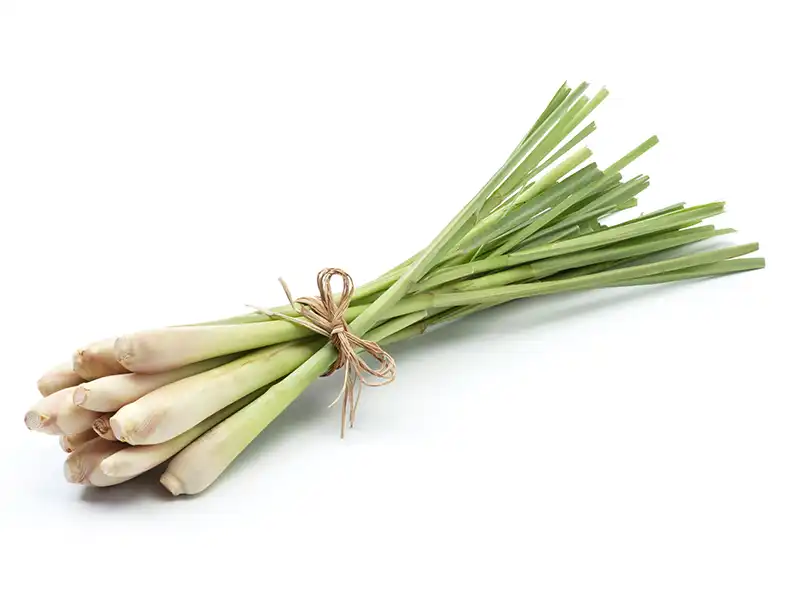
Lemongrass Herb Seeds
Grow aromatic lemongrass with slender green leaves and a fresh, lemon-like fragrance for cooking and herbal infusions. East Indian Lemongrass (Cymbopogon flexuosus) is a clump-forming perennial grass that thrives in warm conditions and adds both culinary value and attractive foliage to the garden.
Lemongrass is well suited to sunny herb gardens, vegetable gardens and large containers. Established plants develop arching foliage that can be harvested during active growth.
Use the fragrant leaves to infuse soups, curries, broths and drinks. Remove tough leaves and fibrous stem sections before serving. East Indian lemongrass is a different species from the thick-stemmed West Indian lemongrass commonly sold fresh in supermarkets.
Lemongrass Seed Details
| Botanical name | Cymbopogon flexuosus |
|---|---|
| Common name | Lemongrass, East Indian Lemongrass |
| Plant type | Frost-tender perennial grass grown as a culinary herb |
| Growth habit | Clump-forming with slender, arching foliage |
| Position | Full sun in a warm, sheltered position |
| Sowing depth | Surface sow and cover very lightly with fine seed-raising mix |
| Germination | Often begins within 7–21 days in warm conditions; emergence can be uneven and take longer |
| Seed-raising conditions | Consistent warmth, approximately 20–25°C, with even moisture |
| Plant spacing | Approximately 60–90 cm; allow more room for mature clumps |
| Plant height | Approximately 1–1.5 m, depending on growing conditions |
| Harvest | Harvest foliage lightly once plants are well established and actively growing |
| Flavour and aroma | Fresh, lemon-like fragrance and citrus flavour |
Why Grow Lemongrass?
- Aromatic foliage with a distinctive lemon-like fragrance.
- Useful for flavouring soups, curries, broths and herbal infusions.
- Perennial growth in suitable warm, frost-free conditions.
- Attractive arching foliage for herb gardens and sunny garden beds.
- Can be grown in large containers on sunny patios and courtyards.
- Established clumps provide repeated foliage harvests during active growth.
How to Grow Lemongrass from Seed
Lemongrass seed is best started in trays or small pots where warmth and moisture can be managed. Young seedlings may develop slowly at first before growing more strongly as temperatures rise.
- Choose a warm seed-raising position.
Use a bright, sheltered location with consistent warmth. A propagator or seedling heat mat can help when conditions are cool. - Prepare the seed-raising mix.
Fill clean trays or pots with fine, free-draining seed-raising mix. Moisten the mix before sowing and allow excess water to drain. - Sow the lemongrass seeds shallowly.
Scatter seeds over the surface, press gently into contact with the mix and cover very lightly. Avoid burying the small seeds deeply. - Maintain even moisture.
Mist gently or water carefully to avoid washing seeds away. Keep the surface moist without leaving the mix saturated. - Allow time for germination.
Seedlings often begin emerging within 7–21 days under suitable warm conditions. Germination can be uneven, so allow additional time before discarding trays. - Grow seedlings on.
Provide good light and gentle airflow. If using a propagator lid, gradually increase ventilation after seedlings emerge. - Transplant once conditions are warm.
Gradually acclimatise seedlings to outdoor conditions. Plant out after frost risk has passed, once seedlings have developed enough roots to handle safely. - Allow space for clump development.
Plant approximately 60–90 cm apart in fertile, well-drained soil. Allow additional room where plants will remain as large perennial clumps. - Water and feed during active growth.
Water regularly while plants establish and during dry weather. Apply a suitable herb or vegetable fertiliser according to its label directions.
How to Use Lemongrass in Cooking
East Indian lemongrass provides a fresh citrus aroma for soups, curries, broths and drinks. Bruise or cut the leaves to help release their fragrance before adding them to a recipe.
The leaves and upper stems are fibrous and are best used for infusing flavour rather than eaten whole. Tie leaves into a bundle for easy removal, or strain the finished liquid before serving.
Fresh or dried leaves can also be steeped in hot water to make a fragrant herbal infusion. Use clean, harvested foliage rather than sowing seed.
For recipes requiring substantial, tender lemongrass stalks, West Indian lemongrass (Cymbopogon citratus) is generally the more familiar choice. East Indian lemongrass is particularly useful for its aromatic foliage.
Growing Lemongrass in Pots and Containers
Lemongrass can be grown in a large container with adequate drainage and room for the roots to develop. Use a quality potting mix and place the container in a warm position receiving plenty of sunlight.
Check moisture regularly during hot weather. Established plants can use considerable water while actively growing, but the potting mix should drain freely rather than remain saturated.
Container growing is useful in cooler climates because plants can be moved to a bright, frost-free position during winter. Reduce watering as growth slows, while avoiding prolonged drying of the root ball.
Divide or repot established clumps when they become crowded.
When to Sow Lemongrass Seeds in Australia
Lemongrass establishes best during warm weather. Choose a sowing time that provides a long growing period before cold conditions arrive, and protect young plants from frost.
| Climate | Suggested Planting Time | Growing Notes |
|---|---|---|
| Cool / frost-prone | Spring under protection | Provide warmth for germination. Move outdoors once frost risk has passed and protect plants during winter. |
| Temperate | Spring to early summer | Start in a warm, sheltered position and allow a long warm season for establishment. |
| Subtropical | Spring to summer | Establish during warm weather. Protect young seedlings from heavy rain and any local frost. |
| Tropical | Most of the year where warmth and moisture are suitable | Provide reliable watering during dry periods and excellent drainage during the wet season. |
Local temperatures, rainfall and frost risk should guide the final sowing date. Seeds started during cool weather may require additional warmth.
Harvesting Lemongrass
Begin light harvesting once plants are well rooted and producing strong new growth. Cut selected outer leaves with clean scissors or secateurs, leaving plenty of foliage to support the developing clump.
Avoid cutting young plants back heavily. Harvest more regularly as clumps become established, and reduce harvesting when growth slows during cooler weather.
Use leaves fresh or dry them for later culinary use. Handle foliage carefully because leaf edges can be sharp.
Frequently Asked Questions
Is lemongrass an annual or perennial?
East Indian lemongrass is a perennial grass in suitable warm conditions. In cold climates, it requires winter protection or can be grown as a seasonal plant.
What is the botanical name of East Indian lemongrass?
The botanical name is Cymbopogon flexuosus. It is a different species from West Indian lemongrass, Cymbopogon citratus.
How long do lemongrass seeds take to germinate?
Germination often begins within approximately 7–21 days in warm, consistently moist conditions. Emergence can be uneven and may take longer.
How deep should I sow lemongrass seeds?
Surface sow and cover very lightly with fine seed-raising mix. Press seeds gently into contact with the moist surface and avoid deep planting.
Does lemongrass need full sun?
Yes. Lemongrass performs best in full sun in a warm, sheltered position with well-drained soil.
Can lemongrass be grown in pots?
Yes. Use a large container with drainage holes, quality potting mix and sufficient room for clump development. Monitor moisture regularly during warm weather.
Can lemongrass survive frost?
Lemongrass is frost tender. Protect plants from freezing conditions, particularly while young. In cold districts, containers can be moved to a bright, frost-free position for winter.
Can East Indian lemongrass be used in cooking?
Yes. Its aromatic foliage can flavour soups, curries, broths and herbal infusions. Remove tough leaves and fibrous stems before serving.
Is seed-grown lemongrass the same as supermarket lemongrass?
Not necessarily. Lemongrass seed is commonly East Indian lemongrass, Cymbopogon flexuosus. Fresh supermarket stalks are usually West Indian lemongrass, Cymbopogon citratus, which is commonly propagated by division.
Why are my lemongrass seedlings growing slowly?
Young seedlings can establish slowly, especially in cool conditions or low light. Provide warmth, good light and even moisture without waterlogging the roots.
Where can I buy lemongrass herb seeds in Australia?
Seedmart supplies Lemongrass Herb Seeds for Australian gardeners and growers looking to establish this aromatic warm-season herb.
Reviews
There are no reviews yet.