
Cucumber Burpless Seeds
Botanical Name: Cucumis sativus
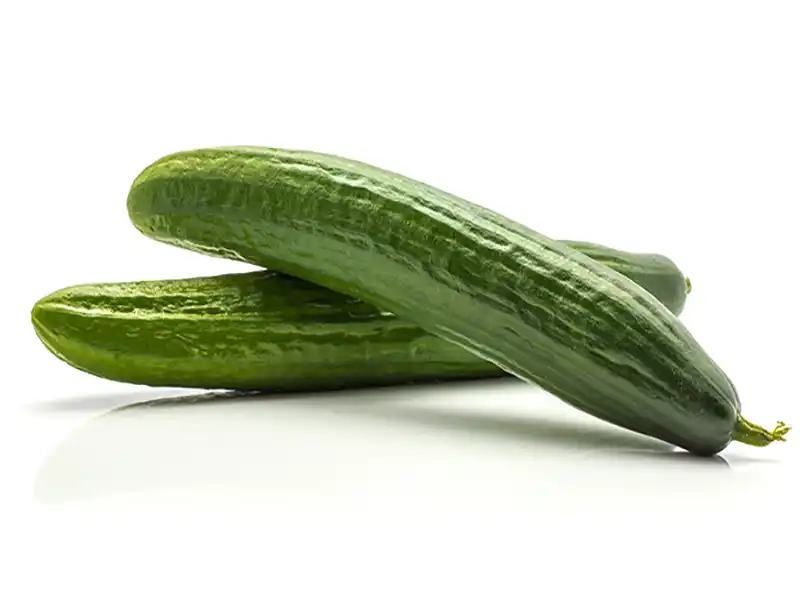
Cucumber Burpless is a productive, open-pollinated slicing cucumber producing long, slender fruit with a mild flavour, crisp flesh and thin, tender skin. Its refreshing cucumbers contain relatively few seeds and are less prone to developing the strong bitterness sometimes associated with older cucumber varieties.
Popular with home gardeners and market growers, Burpless cucumbers are excellent for fresh salads, sandwiches, wraps and chilled summer dishes. The fruit can be harvested young for pickling or allowed to develop into longer slicing cucumbers measuring approximately 15 cm.
Plants perform best when grown vertically on a trellis, which improves airflow, makes harvesting easier and encourages straighter, cleaner fruit.
Key Attributes
Mild, Non-Bitter FlavourCrisp, refreshing cucumbers with a mild flavour and reduced tendency to become bitter. |
Thin, Tender SkinThe smooth skin is tender enough to eat without peeling. |
Productive VinesVigorous plants produce a steady supply of cucumbers throughout warm weather. |
Excellent for TrellisesVertical growing encourages straighter fruit and improves airflow around the plants. |
Versatile HarvestHarvest young for pickling or allow the fruit to mature for slicing and salads. |
Open-PollinatedA non-hybrid variety suitable for gardeners who prefer open-pollinated vegetable seeds. |
About Burpless Cucumbers
Burpless cucumber is a popular warm-season vegetable grown for its elongated, thin-skinned fruit. Cucumbers are generally ready to harvest at approximately 10–30 cm long, depending on whether smaller pickling fruit or longer slicing cucumbers are preferred.
The pale green flesh is crisp, juicy and contains relatively few developed seeds when the fruit is picked promptly. Its mild flavour makes it particularly suitable for eating fresh.
Burpless cucumbers are sometimes grouped with long slicing or English-style cucumbers because of their slender shape and tender skin. Unlike commercially grown greenhouse cucumbers, however, this open-pollinated variety can be grown successfully outdoors in suitable warm conditions.
What Does “Burpless” Mean?
The term “burpless” is commonly used for cucumbers with thin skin, mild flavour and relatively low bitterness. These varieties are generally considered easier and more pleasant to eat fresh than thick-skinned or strongly flavoured cucumbers.
Growing conditions can still influence flavour. Water stress, extreme heat, poor nutrition and fruit left on the vine for too long may cause cucumbers to become bitter. Consistent watering and regular harvesting help produce the best-quality fruit.
Why Grow Cucumber Burpless?
- Mild, crisp and refreshing flavour.
- Thin skin generally does not require peeling.
- Produces relatively few developed seeds.
- Long fruit suitable for slicing.
- Young cucumbers can be used for pickling.
- Productive warm-season vegetable.
- Excellent for trellises and vertical gardens.
- Suitable for home gardens and market gardens.
- Open-pollinated, non-GMO seed.
- No chemical treatment.
Plant Details
| Plant type | Warm-season annual vegetable |
| Growth habit | Vigorous trailing or climbing vine |
| Fruit length | Approximately 10–30 cm |
| Fruit type | Long, slender, thin-skinned slicing cucumber |
| Position | Full sun |
| Days to harvest | Approximately 55–70 days |
| Frost tolerance | Frost tender |
| Seeds per gram | Approximately 35 |
Sowing Information
| Germination temperature | 20–30°C |
| Germination time | 4–10 days |
| Sowing depth | 10–15 mm |
| Plant spacing | 40–60 cm |
| Row spacing | 90–120 cm |
| Soil | Fertile, moisture-retentive and well-drained soil (pH 6.0–7.0) |
When to Sow in Australia
| Climate | Best Time |
|---|---|
| Cool | October–December |
| Temperate | September–January |
| Subtropical | August–March |
| Tropical | April–August |
| Arid | August–March |
Growing Instructions
Sow Cucumber Burpless seeds directly into their final position once the soil has warmed and all danger of frost has passed. Alternatively, start seeds in individual pots approximately three to four weeks before transplanting. Cucumbers dislike root disturbance, so transplant seedlings carefully before they become root-bound.
Choose a sunny position with fertile, well-drained soil enriched with compost or well-rotted organic matter. Sow seeds approximately 10–15 mm deep and keep the soil consistently moist during germination.
Provide a sturdy trellis or climbing frame before the vines begin spreading. Gently guide young vines towards the support. Growing cucumbers vertically can improve airflow, reduce soil contact and encourage straighter fruit.
Water deeply and regularly, particularly during flowering and fruit development. Apply water around the base of the plant rather than over the foliage where possible. A layer of mulch can help retain soil moisture and moderate soil temperature.
Feed regularly with a balanced vegetable fertiliser. Avoid excessive nitrogen once flowering begins, as this may encourage vigorous leaf growth at the expense of fruit production.
Pollination and Fruit Production
Cucumber plants produce separate male and female flowers on the same vine. Male flowers commonly appear first, followed by female flowers with a small immature cucumber behind the petals.
Bees and other pollinating insects transfer pollen between the flowers. Poor pollination may result in fruit that remains small, becomes misshapen or drops from the vine.
Encourage pollinators by avoiding unnecessary insecticide use while plants are flowering. Flowers may also be pollinated by hand using a small paintbrush or by transferring pollen directly from a male flower to a female flower.
Harvesting Burpless Cucumbers
Harvest cucumbers regularly once they reach the preferred size. Smaller fruit measuring approximately 10–15 cm can be used for pickling, while longer fruit can be harvested for slicing.
For the mildest flavour and best texture, pick cucumbers while the skin is green and the fruit remains firm. Do not allow mature fruit to remain on the plant for extended periods, as oversized cucumbers may develop tougher skin, larger seeds and a stronger flavour.
Use scissors or secateurs to cut the stem rather than pulling the fruit from the vine. Frequent harvesting encourages the plant to continue flowering and producing new cucumbers.
Growing Burpless Cucumbers in Pots
Burpless cucumbers can be grown in large containers provided they receive full sun, regular watering and adequate support.
Choose a pot at least 40–50 cm wide with good drainage holes. Use a high-quality vegetable potting mix and install a strong trellis at planting time. Container-grown cucumbers dry out quickly during warm weather and may require daily watering.
For best results, grow one cucumber plant per large pot and feed regularly with a complete liquid or slow-release vegetable fertiliser.
Common Growing Problems
Bitter Cucumbers
Bitterness may be caused by irregular watering, heat stress, nutrient stress or overmature fruit. Maintain consistent soil moisture and harvest cucumbers promptly.
Misshapen Fruit
Curved or uneven fruit can result from incomplete pollination, inconsistent watering or physical obstruction while the cucumber is developing.
Yellowing Leaves
Older leaves naturally yellow as plants mature. Widespread yellowing may indicate overwatering, poor drainage, nutrient deficiency or plant disease.
Few or No Cucumbers
Young vines often produce male flowers before female flowers appear. Poor pollinator activity, extreme temperatures or excessive nitrogen can also reduce fruit production.
Frequently Asked Questions
Is Cucumber Burpless open-pollinated?
Yes. This is an open-pollinated cucumber variety rather than an F1 hybrid.
What do Burpless cucumbers taste like?
They have a mild, refreshing flavour with crisp, juicy flesh and less tendency to develop bitterness when grown under suitable conditions.
Do Burpless cucumbers need to be peeled?
Generally, no. The fruit has thin, tender skin that can be eaten without peeling when harvested at the appropriate stage.
How long do Burpless cucumbers grow?
Fruit can be harvested at approximately 10–30 cm long. Pick smaller cucumbers for pickling or allow them to grow longer for slicing.
Do Burpless cucumbers need a trellis?
A trellis is strongly recommended but not essential. Vertical growing helps produce straighter, cleaner fruit and improves airflow around the vines.
Can Burpless cucumbers be grown in pots?
Yes. Grow one plant in a large container with full sun, fertile potting mix, regular watering and a sturdy climbing support.
Why are my cucumbers bitter?
Water stress, extreme temperatures, poor nutrition and overmature fruit can contribute to bitterness. Water consistently and harvest the fruit regularly.
Can I save seeds from Burpless cucumbers?
Yes. As an open-pollinated variety, seed can be saved from mature fruit. Cucumbers cross-pollinate readily with other varieties of Cucumis sativus, so plants must be isolated if varietal purity is required.
Explore Cucumber Seeds
Browse Seedmart Australia’s complete range of cucumber seeds, including slicing, pickling and compact varieties for Australian gardens.
Reviews
There are no reviews yet.