

Cress Microgreen Seeds
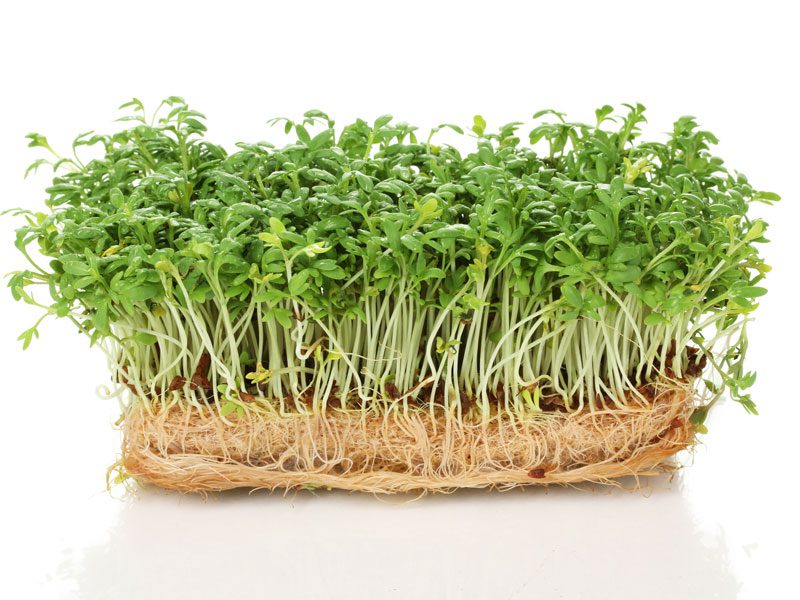
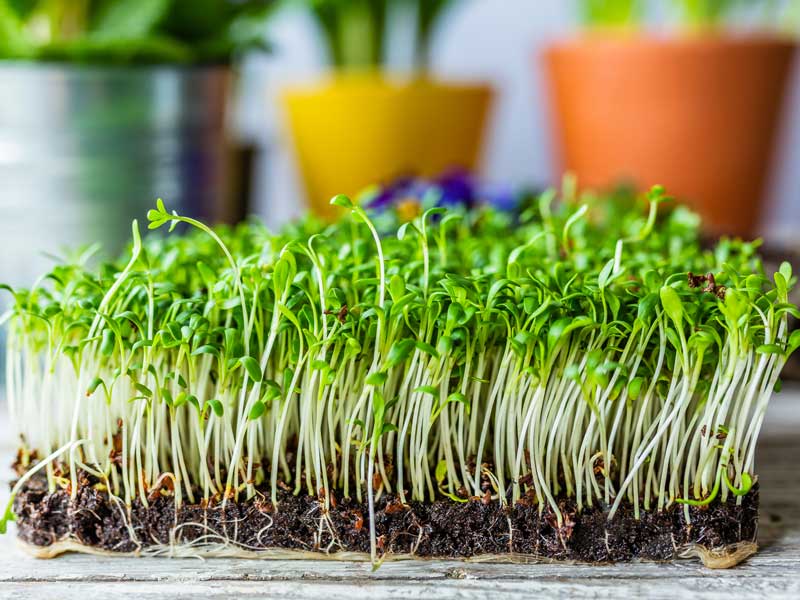
Grow fresh, peppery cress microgreens at home in approximately 7–14 days. Cress microgreen seeds produce fast-growing green seedlings with a distinctive peppery flavour and tender texture. They are easy to grow in shallow trays using soil, coir, hemp growing mats or other suitable microgreen growing media.
Garden Cress (Lepidium sativum) is one of the quickest and easiest microgreens to grow. Its rapid growth, compact size and characteristic mustard-like flavour make it well suited to home microgreen growing, restaurants, market gardens and commercial microgreen production.
Cress belongs to the Brassicaceae or mustard family and develops fresh green cotyledons with a pleasantly sharp, peppery flavour. The young shoots are particularly useful in salads, sandwiches, wraps and as a garnish for savoury dishes.
Seedmart cress microgreen seeds are supplied as untreated seed for growing purposes and are available in packet and bulk quantities for home and commercial growers.
Cress Microgreen Seed Details
| Botanical name | Lepidium sativum |
|---|---|
| Variety | Garden Cress |
| Seed type | Open-pollinated |
| Seed treatment | Untreated |
| Pre-soak | Not recommended – seeds become mucilaginous when wet |
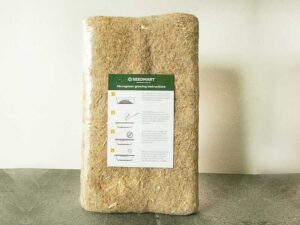
| Growing medium | Soil, coir or hemp growing mats |
| Germination | Approximately 2–4 days |
| Typical harvest | Approximately 7–10 days |
| Availability | Retail packets and bulk quantities |
Why Grow Cress Microgreens?
- Very fast-growing microgreen with a short crop cycle.
- Fresh, peppery flavour similar to mustard and other brassica greens.
- Suitable for indoor growing throughout the year.
- Compact growth makes cress suitable for windowsills and small growing spaces.
- Can be grown on soil, coir, seed-raising mix or suitable hemp growing mats.
- No seed pre-soaking required.
- Useful for salads, sandwiches, wraps and garnishes.
- Suitable for both home and commercial microgreen production.
- Available in smaller packets and economical bulk quantities.
- Supplied by an Australian-owned seed company.
How to Grow Cress Microgreens
Cress is a rapid-growing microgreen that performs well in shallow trays. Unlike many larger microgreen seeds, cress seeds should not be soaked before sowing. When cress seeds become wet they develop a naturally gelatinous coating, known as mucilage, which can cause soaked seeds to clump together and make even sowing difficult.
For best results, sow the dry seed directly onto an evenly moistened growing medium.
- Prepare the growing tray.
Add approximately 2–4 cm of moist growing medium to a clean, shallow tray and gently level the surface. Suitable media include quality seed-raising mix, soil, coir or a purpose-made hemp growing mat. - Sow the cress seeds dry.
Do not pre-soak the seeds. Scatter the dry cress seed evenly across the surface of the growing medium. Aim for dense, even coverage while avoiding heavy piles of overlapping seed. - Mist gently.
Use a fine spray mister to thoroughly moisten the seeds and growing surface. Cress seeds become slightly gelatinous after absorbing water, so avoid disturbing them once they have been wetted. - Cover during initial germination.
Cover the tray with another tray or suitable lid during the early germination stage. Keep the growing medium consistently moist while avoiding saturated or waterlogged conditions. - Check moisture regularly.
Cress grows quickly and should not be allowed to dry out. Check the crop regularly and mist or water as required. Germination commonly begins within several days under suitable conditions. - Introduce the seedlings to light.
Once the seedlings have emerged and are growing strongly, remove the cover and place the tray under suitable natural or artificial growing light. Good light encourages compact green growth. - Water carefully as the crop develops.
Keep the growing medium evenly moist without leaving the roots continually saturated. Bottom watering can help keep established foliage dry and reduce disturbance to densely growing seedlings. - Harvest the cress microgreens.
Cress microgreens can typically be harvested approximately 7–14 days after sowing, depending on temperature, light, growing conditions and preferred harvest stage. Cut the stems cleanly just above the growing medium using clean scissors or a suitable harvesting knife.
What Do Cress Microgreens Taste Like?
Cress microgreens have a distinctive fresh, peppery flavour with a mild mustard-like heat. Their flavour is more pronounced than mild microgreens such as broccoli but generally complements rather than overwhelms other fresh ingredients.
The tender green shoots add both flavour and visual appeal to salads, sandwiches, wraps, eggs and savoury dishes. Cress is particularly well known as a traditional addition to sandwiches and can also be used as a fresh garnish immediately before serving.
Because only a relatively small quantity is required to add noticeable flavour, cress microgreens are particularly useful for chefs and home cooks looking for a compact, fast-growing garnish crop.
How to Use Cress Microgreens
Fresh cress microgreens can be used anywhere a crisp, peppery green is suitable. Their compact leaves and pronounced flavour make them particularly useful as a finishing ingredient rather than a cooked vegetable.
- Salads: Add fresh cress microgreens to mixed salads for extra peppery flavour.
- Sandwiches: Use in sandwiches and rolls, including the traditional combination of egg and cress.
- Wraps: Add freshly harvested shoots to wraps and flatbreads.
- Egg dishes: Use as a fresh garnish for scrambled eggs, omelettes and poached eggs.
- Soups: Scatter over soup immediately before serving.
- Garnishes: The small green shoots make an attractive edible garnish for savoury dishes.
- Bowls: Add to grain bowls and vegetable bowls for fresh flavour and texture.
For the best texture and flavour, cress microgreens are generally used fresh and added after cooking.
Garden Cress vs Watercress
Garden cress and watercress are sometimes confused because both have a fresh, peppery flavour, but they are different plants with different growing habits and requirements.
| Feature | Garden Cress | Watercress |
|---|---|---|
| Botanical name | Lepidium sativum | Nasturtium officinale |
| Plant type | Fast-growing annual herb | Aquatic or semi-aquatic perennial |
| Growing method | Well suited to shallow microgreen trays | Prefers consistently moist or aquatic growing conditions |
| Flavour | Fresh, peppery and mildly mustard-like | Fresh, peppery and slightly pungent |
These Cress Microgreen Seeds are Garden Cress (Lepidium sativum), not Watercress (Nasturtium officinale).
Frequently Asked Questions
How long do cress microgreens take to grow?
Cress is a particularly fast-growing microgreen. Harvest is commonly possible approximately 7–14 days after sowing, although growth rate varies according to temperature, moisture, light and the preferred stage of harvest.
Do cress microgreen seeds need to be soaked?
No. Cress seeds should generally be sown dry rather than pre-soaked. The seeds are mucilaginous and develop a gelatinous coating when wet, causing soaked seeds to stick together and making them difficult to distribute evenly.
Why do cress seeds become sticky when they are wet?
Cress seeds naturally develop a gel-like coating called mucilage when they absorb water. This is a normal characteristic of the seed rather than a problem with germination. Sow the seeds dry onto a moist growing medium and then gently mist them with water.
What growing medium is best for cress microgreens?
Cress microgreens can be grown in quality soil, seed-raising mix, coir or suitable microgreen growing mats. The growing medium should retain sufficient moisture for the rapidly developing seedlings while still allowing appropriate drainage and airflow.
Can cress microgreens be grown without soil?
Yes. Cress can be grown on suitable soilless growing media, including coir and purpose-made hemp growing mats. Maintain consistent moisture while avoiding standing water.
Do cress microgreens need light?
Cress seeds can begin germinating while covered, but the developing seedlings require suitable light after emergence to develop healthy green cotyledons. Natural light or suitable artificial growing lights can be used.
When should I uncover cress microgreens?
Remove the cover once the seedlings have germinated and are beginning to push upward. Because cress develops quickly, inspect the tray regularly rather than relying only on a fixed number of days.
What do cress microgreens taste like?
Cress microgreens have a fresh, peppery flavour with a mild mustard-like heat. Their flavour makes them particularly suitable for sandwiches, salads, wraps, eggs and savoury garnishes.
Is garden cress the same as watercress?
No. Garden cress is Lepidium sativum, while watercress is Nasturtium officinale. Although both have peppery flavours, they are botanically different plants and have different growing habits.
Can cress be grown indoors?
Yes. Cress is particularly suitable for indoor microgreen production because it grows rapidly, requires little space and can be grown in shallow trays under suitable natural or artificial light.
Can I grow cress microgreens all year round?
Indoor cress microgreens can be grown throughout the year where suitable temperature, light, moisture and airflow can be maintained.
When should cress microgreens be harvested?
Cress can be harvested once the young shoots have reached the size and development stage you prefer, commonly around 7–14 days after sowing. Cut the stems cleanly just above the growing medium.
Where can I buy cress microgreen seeds in Australia?
Seedmart supplies cress microgreen seeds in packet and bulk quantities for home growers, restaurants, market gardeners, microgreen growers and commercial customers throughout Australia.
Need More Help Growing Cress Microgreens?
Growing your own cress microgreens? Follow our step-by-step guide to growing cress microgreens for advice on sowing, germination, watering, light and harvesting.
Reviews
There are no reviews yet.