
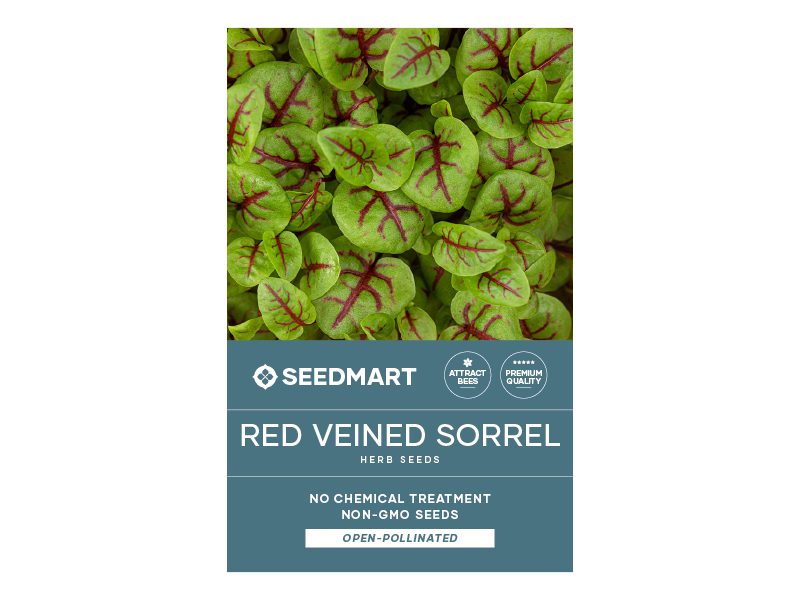

Red Veined Sorrel Herb Seeds
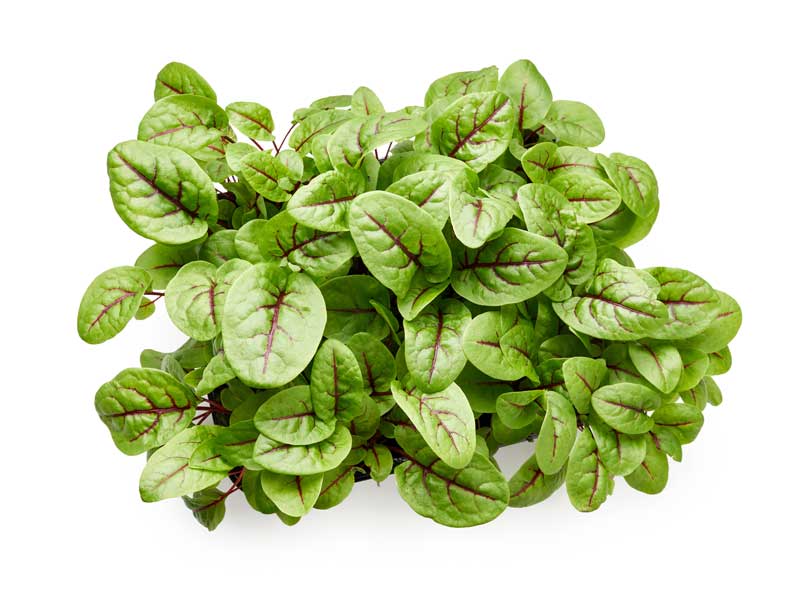
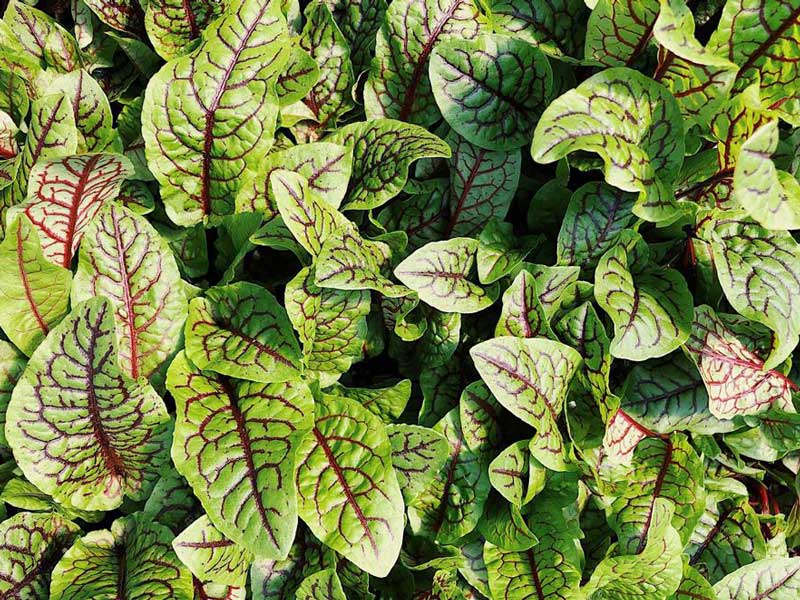
Grow distinctive red-veined sorrel for baby leaf production, salad mixes, fresh-market herbs and colourful culinary garnishes. Red Veined Sorrel (Rumex sanguineus) is a hardy perennial leafy herb producing bright green leaves with contrasting dark red to burgundy veins and stems.
The young leaves have a sharp, tangy flavour characteristic of sorrel and provide excellent colour contrast in mixed salads and specialty leaf products. Red Veined Sorrel is particularly valuable when harvested young, as mature leaves become larger, tougher and more strongly flavoured.
Suitable for market gardens, specialty vegetable production, restaurants and home growing, Red Veined Sorrel can be harvested as baby leaf or allowed to develop into established perennial plants for repeated picking.
Red Veined Sorrel Seed Details
| Botanical name | Rumex sanguineus |
|---|---|
| Common name | Red Veined Sorrel |
| Plant type | Hardy herbaceous perennial; can also be grown as an annual crop |
| Foliage | Green leaves with contrasting dark red to burgundy veins and stems |
| Flavour | Sharp, tangy and slightly acidic |
| Position | Full sun to partial shade |
| Sowing depth | Approximately 5–6 mm |
| Plant spacing | Approximately 20 cm for established full-sized plants; closer spacing for baby leaf production |
| Baby leaf harvest | Approximately 50 days from direct sowing |
| Full-size harvest | Approximately 55 days from direct sowing, depending on growing conditions |
Why Grow Red Veined Sorrel?
- Produces attractive green leaves with distinctive dark red to burgundy veins.
- Sharp, tangy flavour provides contrast in salads and specialty leaf mixes.
- Particularly well suited to baby leaf and specialty greens production.
- Young leaves provide excellent colour contrast for restaurant garnishes and plated dishes.
- Can be grown as a perennial or managed as an annual commercial crop.
- Suitable for repeated harvesting once plants are established.
- Performs in full sun or partial shade, with light shade useful during warmer conditions.
- Suitable for market gardens, specialty vegetable growers, restaurants and fresh-market herb production.
How to Grow Red Veined Sorrel from Seed
Red Veined Sorrel is a hardy leafy crop that performs best in fertile, well-drained soil with consistent moisture. Seed can be direct sown or started in trays and transplanted once seedlings are established.
- Choose a suitable position.
Grow Red Veined Sorrel in full sun or partial shade. In warmer climates, some protection from intense afternoon sun can help maintain tender leaf quality. - Prepare fertile, free-draining soil.
Prepare soil with good drainage and adequate fertility. Incorporate compost or well-rotted organic matter where required before planting. - Sow the seeds.
Sow approximately 5–6 mm deep and cover lightly with fine soil or seed-raising mix. Keep the seedbed evenly moist during establishment. - Direct sow or transplant.
For transplanted crops, sow several seeds into cells and transplant established seedlings into their final position. Direct sowing is particularly suitable for dense baby leaf production. - Adjust spacing to the harvest system.
For established plants and bunching production, thin to approximately 20 cm between plants. Baby leaf crops can be sown considerably more densely. - Maintain consistent moisture.
Water regularly enough to maintain active leaf growth without leaving the root zone permanently saturated. - Remove flower stalks for leaf production.
Cut developing flower stalks where continued production of tender foliage is the priority. - Harvest young leaves regularly.
Pick individual outer leaves or cut baby leaf crops above the growing crown so established plants can regrow.
When to Plant Red Veined Sorrel Seeds in Australia
Red Veined Sorrel is considerably more tolerant of cool conditions than warm-season herbs such as basil. It generally produces its best-quality foliage during cool to mild growing conditions, while excessive heat can encourage flowering and reduce the quality of tender leaves.
| Climate | General Sowing Guide |
|---|---|
| Tropical | Grow primarily through the cooler, drier part of the year; provide good drainage and consider partial shade during warmer conditions. |
| Subtropical | Best established from autumn through spring; summer production may benefit from partial shade and consistent moisture. |
| Temperate | Sow from spring through autumn, with established perennial plants capable of regrowing across successive seasons. |
| Cool / frost-prone | Sow from spring through summer into early autumn. Established plants are cold hardy but growth slows substantially during cold winter conditions. |
Planting times are general guides. Local temperatures, rainfall, irrigation, elevation and the intended harvest stage should also be considered when scheduling production.
Growing Red Veined Sorrel for Baby Leaf Production
Red Veined Sorrel is particularly well suited to baby leaf production because the distinctive red venation develops while the leaves are still young and tender.
For baby leaf crops, seed can be sown more densely than for mature plants. Commercial production guidance recommends dense row sowing, with leaves harvested when plants are approximately 7–15 cm tall.
Baby leaves can be incorporated into specialty salad mixes or marketed separately as a distinctive culinary green. Their green surface and contrasting burgundy-red veins provide visual interest without requiring the leaves to reach full size.
Harvest the crop above the basal growing point to allow regrowth where a cut-and-come-again production system is being used.
Harvesting Red Veined Sorrel
Red Veined Sorrel can be harvested at several stages depending on the intended market and production system.
Baby leaf: Young leaves are generally the preferred harvest stage for salads and specialty greens. Commercial references indicate approximately 50 days from direct sowing for baby leaf production under suitable conditions.
Full-sized leaves: Full-size harvest may begin at approximately 55 days. Harvest individual outer leaves while allowing the centre of established plants to continue growing.
Cut-and-regrow: Established plants can be cut above the crown and allowed to produce a new flush of foliage.
Flower stalks: Remove developing flower stalks where continued leaf production is required. Allowing plants to flower redirects growth away from tender foliage and may result in self-seeding.
For premium fresh-market production, harvest young leaves regularly rather than allowing foliage to become large and coarse.
How to Use Red Veined Sorrel
Red Veined Sorrel combines distinctive colour with a sharp, tangy flavour, making it particularly useful as a specialty culinary green.
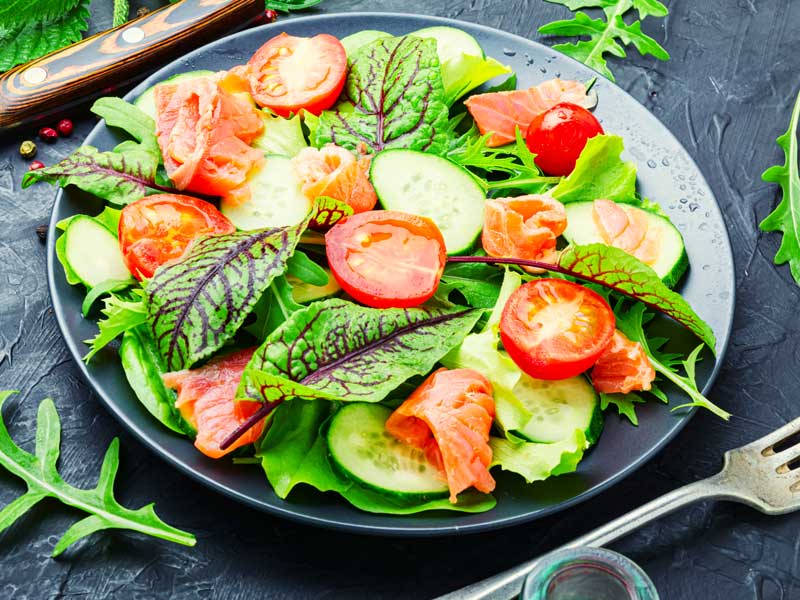
- Baby leaf salads: Young leaves add colour and a sharp flavour to mixed salad leaves.
- Restaurant garnishes: Distinctive red veins make young leaves useful for plated dishes and culinary presentation.
- Specialty greens: Suitable for fresh-market salad and specialty leaf production.
- Fresh leaves: Use young leaves sparingly where a tangy, acidic flavour is desired.
- Cooked dishes: Young sorrel leaves can also be cooked similarly to other leafy greens.
- Mixed leaf products: Combine with milder salad greens where the contrasting colour and sharper flavour can provide differentiation.
Red Veined Sorrel for Market Gardens & Commercial Production
Red Veined Sorrel is particularly relevant to growers supplying specialty salad mixes, restaurants, farmers’ markets, produce boxes and independent fresh-produce outlets. The contrasting green and burgundy foliage provides a point of difference from conventional salad greens.
For commercial production, the crop can be managed as densely sown baby leaf or grown at wider spacing for repeated harvesting from established plants. Baby leaf production generally provides the most tender foliage and strongest suitability for premium salad applications.
Growers should establish the required leaf size with customers before planting larger areas. Small leaves are usually preferred for premium salad and garnish use, while oversized foliage can become tough and less desirable.
Successive sowings can be used where consistent baby leaf supply is required, while established perennial plantings can provide repeated harvests when appropriately managed.
Eating Red Veined Sorrel
Red Veined Sorrel is grown for its edible young leaves and is commonly used in salads and as a culinary garnish. Like other sorrels and members of the Rumex genus, the leaves naturally contain oxalic acid, which contributes to their characteristic sharp, acidic flavour.
Sorrel is generally used as a flavouring or component of mixed dishes rather than consumed in very large quantities. People who have been medically advised to restrict foods high in oxalates should follow the advice of their healthcare professional.
Young leaves generally provide the best combination of tenderness, appearance and flavour.
Frequently Asked Questions
What is Red Veined Sorrel?
Red Veined Sorrel is an edible leafy plant botanically known as Rumex sanguineus. It produces green leaves with distinctive dark red to burgundy veins and has the sharp, tangy flavour characteristic of sorrel.
Is Red Veined Sorrel edible?
Yes. The young leaves are edible and are commonly used in salads, specialty leaf mixes and as culinary garnishes. Young foliage is preferred because larger leaves become tougher.
What does Red Veined Sorrel taste like?
Red Veined Sorrel has a sharp, tangy and acidic flavour similar to other culinary sorrels. It is generally used in relatively small quantities to add flavour contrast to salads and other dishes.
Is Red Veined Sorrel a perennial?
Yes. Rumex sanguineus is a hardy herbaceous perennial, although commercial growers may also manage it as an annual crop, particularly for baby leaf production.
Does Red Veined Sorrel grow in full sun?
Yes. It can grow in full sun or partial shade. Light shade can be useful during warmer weather to help maintain tender foliage.
How deep should Red Veined Sorrel seeds be planted?
Sow approximately 5–6 mm deep and cover lightly with fine soil or seed-raising mix.
When should Red Veined Sorrel be planted in Australia?
Red Veined Sorrel generally performs best during cool to mild conditions. Temperate growers can sow from spring through autumn, while subtropical and tropical growers should concentrate production during the cooler parts of the year.
How long does Red Veined Sorrel take to harvest?
Commercial production references indicate approximately 50 days from direct sowing for baby leaf and around 55 days for full-sized leaves under suitable conditions.
Can Red Veined Sorrel be grown as baby leaf?
Yes. Baby leaf is one of the principal uses for Red Veined Sorrel. Dense sowings can be harvested while the leaves are young, tender and strongly marked with red veins.
How large should Red Veined Sorrel be for baby leaf harvest?
Baby leaf crops can be harvested at approximately 7–15 cm tall, depending on the required market specification.
Can Red Veined Sorrel be harvested more than once?
Yes. Established plants can regrow after harvesting. Individual outer leaves may be picked, or plants can be cut above the crown to encourage another flush of foliage.
Should Red Veined Sorrel flowers be removed?
Yes, where leaf production is the main objective. Removing flower stalks helps maintain vegetative growth and also reduces unwanted self-seeding.
Can Red Veined Sorrel be grown in pots?
Yes. Use a container with good drainage and sufficient growing medium, and maintain consistent moisture. Containers can be positioned in full sun or partial shade depending on the climate.
Is Red Veined Sorrel suitable for market gardens?
Yes. It is particularly suited to specialty leaf production, salad mixes, restaurant supply and other markets where distinctive colour and flavour are valued.
Why are the leaves becoming tough?
Red Veined Sorrel becomes tougher as the leaves mature. Harvest foliage while young and remove flower stalks to encourage continued production of tender leaves.
Can Red Veined Sorrel self-seed?
Yes. Plants can self-seed if flower stalks are allowed to mature and produce seed. Remove flowering stems before seed development where unwanted seedlings are a concern.
Where can I buy Red Veined Sorrel seeds in Australia?
Seedmart supplies Red Veined Sorrel seed for Australian growers producing baby leaf, specialty salad greens, culinary garnishes and established herb crops.
Phillip Ireland –
I received the seeds within a few days planted them shortly after and good yield so far still about 1-2 weeks from harvesting.