
Barbed Wire Grass Seeds
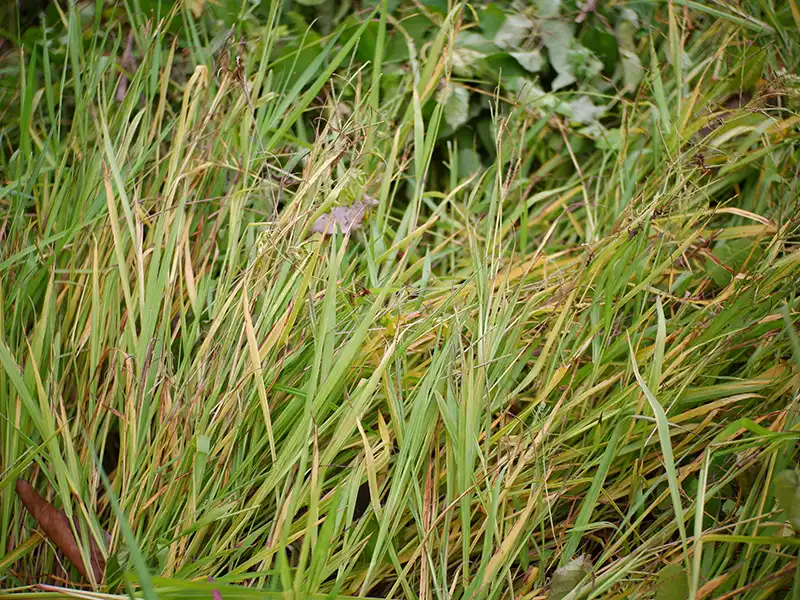
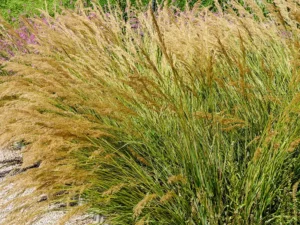
Grow an Australian native perennial grass suited to native gardens, naturalistic landscaping and appropriate revegetation plantings. Barbed Wire Grass (Cymbopogon refractus) forms leafy tussocks with tall, wiry flowering stems and distinctive seed heads whose branches bend back to resemble barbed wire.
This native grass occurs in Queensland, New South Wales, Victoria and the Northern Territory. Its narrow foliage and unusual flowering stems provide texture and movement in mixed grass plantings, open woodland gardens and informal landscape designs.
Barbed Wire Grass Seed Details
| Botanical name | Cymbopogon refractus |
|---|---|
| Common names | Barbed Wire Grass, Barbwire Grass |
| Family | Poaceae |
| Plant type | Australian native perennial grass |
| Growth habit | Clump-forming tussocks with upright to arching flowering stems |
| Approximate height | Up to approximately 1 m when flowering; size varies with growing conditions |
| Foliage | Narrow leaves forming a leafy tussock |
| Flower and seed heads | Paired flowering branches that spread apart and bend back as they mature |
| Flowering period | Mostly spring to autumn; timing varies with location and conditions |
| Position | Full sun to light shade |
| Soil | A range of suitably drained soils, including poor and gravelly soils |
| Uses | Native gardens, meadow-style landscapes, mixed grass plantings and locally appropriate revegetation |
Why Grow Barbed Wire Grass?
- Australian native perennial with an attractive tussock habit.
- Distinctive seed heads add interest to informal landscapes.
- Tall, wiry stems bring movement and texture to mixed plantings.
- Suitable for sunny gardens and lightly shaded positions.
- Can grow in nutrient-poor and gravelly soils.
- Useful in revegetation where the species is appropriate to the local plant community.
How to Grow Barbed Wire Grass from Seed
Barbed Wire Grass can be raised from seed in trays or small pots before planting out. Sow shallowly and maintain suitable moisture while seedlings establish. Follow any additional instructions supplied for the seed batch.
- Prepare the growing medium. Use clean, free-draining seed-raising mix in trays, tubes or small pots.
- Sow shallowly. Place seed just below the surface and cover lightly with fine seed-raising mix.
- Water gently. Settle the seed without washing it away.
- Maintain moisture. Keep the medium moist without prolonged waterlogging.
- Provide a protected position. Give emerging seedlings good light and protection from extreme weather.
- Monitor germination. Emergence can vary with seed condition and the growing environment.
- Plant out established seedlings. Harden plants gradually before moving them into their permanent position, then water them in well.
Barbed Wire Grass for Landscaping
Barbed Wire Grass suits native meadow-style gardens and informal borders where its natural form can develop. Plant it in repeated groups or combine it with other suitable native grasses and flowering plants.
Allow room for the flowering stems to arch above the foliage. Its tussock habit is better suited to landscape plantings than a short, regularly mown lawn.
Barbed Wire Grass for Revegetation
Include Barbed Wire Grass in revegetation where it belongs to the local vegetation community. Match species selection and seed provenance to the planting site.
For larger restoration projects, plan weed control and establishment watering before planting. Confirm any project requirements for seed origin and quality documentation.
Flowers and Foliage
The name Barbed Wire Grass describes the shape of its mature flowering branches. These paired branches spread apart and bend backwards along the slender stem, creating the characteristic barbed-wire appearance.
Flowering occurs mostly from spring to autumn. The narrow leaves form the lower tussock, while flowering stems provide height and an open, airy outline.
Where to Grow Barbed Wire Grass
- Sunny native gardens.
- Naturalistic and meadow-style landscapes.
- Mixed native grass borders.
- Suitable open woodland plantings.
- Gravelly or nutrient-poor garden areas.
- Locally appropriate revegetation sites.
When to Sow Barbed Wire Grass Seeds in Australia
Choose a period when suitable temperatures and reliable moisture can be maintained. The following are general establishment guides rather than fixed sowing dates.
| Climate Zone | Suitable Sowing Period | Growing Notes |
|---|---|---|
| Cool | Spring to early summer, where locally suitable | Protect emerging seedlings from severe frost and allow establishment before winter. |
| Temperate | Spring or early autumn under suitable conditions | Avoid temperature extremes and maintain moisture during establishment. |
| Subtropical | Spring or autumn; other periods with managed conditions | Protect trays from intense heat and avoid drying of the seed-raising medium. |
| Tropical | Suitable warm periods with reliable moisture | Confirm local suitability and protect seed from heavy rain and prolonged saturation. |
| Arid / Semi-arid | Mild periods with dependable irrigation | Check suitability for the site and provide follow-up watering while plants establish. |
Tips for Growing Barbed Wire Grass Successfully
- Use a clean, free-draining propagation medium.
- Cover seed lightly rather than burying it deeply.
- Maintain moisture during germination and early growth.
- Control competing weeds around seedlings.
- Harden plants gradually before planting out.
- Allow space for mature tussocks and flowering stems.
- Remove mature seed heads where self-seeding is unwanted.
Frequently Asked Questions
What is Barbed Wire Grass?
Barbed Wire Grass is an Australian native perennial grass botanically known as Cymbopogon refractus.
Why is it called Barbed Wire Grass?
Its paired flowering branches bend backwards as they mature, resembling the shape of barbed wire.
How tall does Barbed Wire Grass grow?
Plants can reach approximately 1 m when flowering, although height varies with site conditions.
Can Barbed Wire Grass grow in poor soil?
Yes. It occurs naturally on poor soils and can suit nutrient-poor garden positions where drainage and other conditions are appropriate.
Does it grow in shade?
It prefers full sun to light shade. Choose an open position rather than dense shade.
Is Barbed Wire Grass suitable for a lawn?
Its tussock form and tall flowering stems suit naturalistic plantings rather than closely mown lawns.
Can it be used for revegetation?
Yes, where the species and seed provenance match the local vegetation community and project requirements.
When does Barbed Wire Grass flower?
Mostly from spring to autumn, with timing influenced by location and growing conditions.
Grow Barbed Wire Grass from Seed
With its leafy tussocks and distinctive flowering stems, Barbed Wire Grass adds a recognisable Australian native character to informal landscapes.
Sow shallowly, maintain moisture during germination and establish seedlings carefully before allowing them to develop their natural form.
Reviews
There are no reviews yet.