
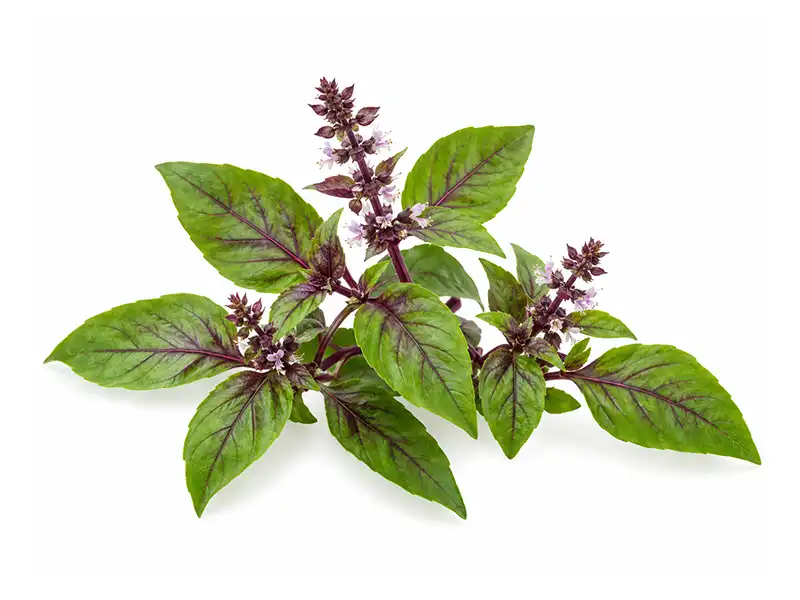
Basil Cinnamon Herb Seeds
Grow aromatic Cinnamon Basil with fragrant green leaves and a distinctive sweet, warm and lightly spiced basil flavour. Cinnamon Basil (Ocimum basilicum) is a warm-season annual herb valued for its attractive foliage and characteristic cinnamon-like aroma. The leaves combine familiar basil flavour with warm, spicy notes, making this variety useful in both savoury and sweet dishes.
Cinnamon Basil is well suited to herb gardens, vegetable gardens, raised beds and containers. Plants perform best in a warm, sunny position and can be harvested regularly through the growing season to encourage fresh leafy growth.
The aromatic leaves can be used fresh in salads, Asian-inspired dishes, fruit dishes, desserts, drinks and garnishes. The seed can also be grown as a specialty microgreen.
Cinnamon Basil Seed Details
| Botanical name | Ocimum basilicum |
|---|---|
| Common name | Cinnamon Basil |
| Plant type | Warm-season annual herb |
| Position | Full sun |
| Sowing depth | Approximately 3–5 mm |
| Germination | Approximately 5–10 days under suitable conditions |
| Plant spacing | Approximately 20–30 cm |
| Plant height | Approximately 50–75 cm |
| Harvest | Harvest leaves as required once plants are established |
| Flavour | Aromatic basil flavour with sweet, warm cinnamon and spice notes |
Why Grow Cinnamon Basil?
- Distinctive aromatic basil with warm cinnamon and spice notes.
- Fresh leaves can be harvested throughout the warm growing season.
- Suitable for salads, Asian-inspired dishes, fruit dishes, desserts, drinks and garnishes.
- Useful in both savoury and sweet recipes.
- Well suited to garden beds, raised beds and containers.
- Regular harvesting encourages fresh leafy growth.
- Suitable for home gardens, market gardens and fresh herb production.
- Can also be grown as a specialty microgreen.
How to Grow Cinnamon Basil from Seed
Cinnamon Basil is a warm-season herb that grows best in warm soil and a sunny, protected position. Seed can be started in trays or small pots and transplanted once conditions are warm, or direct sown into prepared garden soil after the risk of frost has passed.
- Choose a warm, sunny position.
Select a location receiving plenty of sunlight with fertile, well-drained soil. Cinnamon Basil can also be grown successfully in pots and containers. - Prepare the soil.
Prepare a fine seedbed and incorporate well-rotted compost or organic matter where required. Avoid poorly drained positions where the soil remains persistently wet. - Sow the Cinnamon Basil seeds.
Sow the seeds approximately 3–5 mm deep and cover lightly with fine soil or seed-raising mix. Basil seed is small and should not be planted deeply. - Keep consistently moist.
Water gently after sowing and maintain even moisture while the seeds germinate. Avoid heavy watering that may displace the small seeds. - Allow the seedlings to establish.
Germination commonly takes approximately 5–10 days under suitable warm conditions. Provide good light once the seedlings emerge. - Thin or transplant the seedlings.
Once seedlings are established, thin or transplant them to approximately 20–30 cm apart to provide room for healthy branching and airflow. - Water and maintain the plants.
Water regularly during dry weather, particularly when plants are young or growing in containers. Keep the soil moist but well drained. - Pinch growing tips.
Pinching the growing tips once plants are established encourages branching and helps produce a bushier plant with more harvestable foliage. - Harvest the leaves.
Harvest individual leaves or cut young stem tips as required. Regular harvesting encourages continued leafy growth. For maximum leaf production, flower buds can be pinched out as they develop.
What Does Cinnamon Basil Taste Like?
Cinnamon Basil has an aromatic basil flavour with distinctive sweet, warm and lightly spicy notes reminiscent of cinnamon. The flavour is different from traditional Sweet Basil or Genovese Basil and gives this variety a particularly versatile culinary character.
Fresh leaves can be used in salads, Asian-inspired dishes, fruit dishes and fresh garnishes. The warm, sweet-spiced flavour also works well in desserts, drinks and dishes where a more unusual basil flavour is desired.
For the strongest fresh aroma, add the leaves towards the end of cooking or use them fresh rather than subjecting them to prolonged heat.
Growing Cinnamon Basil in Pots and Containers
Cinnamon Basil is well suited to container growing, making it a practical herb for courtyards, balconies, patios and small gardens. Choose a container with adequate drainage and fill it with a quality, free-draining potting mix.
Place the container in a warm position receiving plenty of sunlight. Container-grown basil can dry more quickly than plants growing in garden soil, so check moisture regularly during warm weather.
Regular harvesting and tip pruning will help maintain a compact, branching plant and encourage continued production of fresh aromatic leaves.
When to Sow Cinnamon Basil Seeds in Australia
Cinnamon Basil is a warm-season annual and should generally be grown during frost-free conditions. The most suitable sowing period varies according to local climate.
| Climate | Suggested Planting Time | Growing Notes |
|---|---|---|
| Cool / frost-prone | Spring to early summer | Start under protection if required and plant outside after frost risk has passed and conditions have warmed. |
| Temperate | Spring to summer | Sow once conditions are warm. Successive sowings can help extend the fresh basil harvest through the warmer months. |
| Subtropical | Spring to autumn | A long warm season allows an extended growing period. Avoid cold winter conditions. |
| Tropical | Most of the year | Grow during warm conditions, with good airflow and drainage particularly important during periods of high humidity or heavy rainfall. |
Frequently Asked Questions
Is Cinnamon Basil an annual or perennial?
Cinnamon Basil is generally grown as a warm-season annual herb. It is sensitive to cold and frost and is normally replanted from seed for each growing season in cooler climates.
How long do Cinnamon Basil seeds take to germinate?
Under suitable warm and consistently moist conditions, basil seed commonly germinates in approximately 5–10 days. Germination may take longer when temperatures are cool.
How deep should I sow Cinnamon Basil seeds?
Sow Cinnamon Basil seeds shallowly, approximately 3–5 mm deep. Cover lightly with fine soil or seed-raising mix and keep the surface consistently moist during germination.
Does Cinnamon Basil need full sun?
Cinnamon Basil performs best in a warm position with plenty of sunlight. In very hot climates, some protection from intense afternoon heat can be beneficial.
How far apart should Cinnamon Basil plants be grown?
Approximately 20–30 cm between plants provides a useful spacing for home garden and container production. Spacing can be adjusted according to growing conditions and the desired plant size.
Can Cinnamon Basil be grown in pots?
Yes. Cinnamon Basil grows well in pots and containers provided the container has adequate drainage, suitable potting mix and receives sufficient sunlight.
What does Cinnamon Basil taste like?
Cinnamon Basil has an aromatic basil flavour with sweet, warm and lightly spicy cinnamon-like notes. It can be used in both savoury and sweet dishes.
Should Cinnamon Basil flowers be removed?
If the main aim is continuous leaf production, pinching out developing flower buds can help direct growth towards fresh foliage. Flowers can also be left on plants when flowering is desired.
How should Cinnamon Basil be harvested?
Harvest individual leaves or cut young stem tips as required. Cutting just above a pair of leaves encourages branching and helps maintain a productive, bushy plant.
Can Cinnamon Basil be grown as a microgreen?
Yes. Cinnamon Basil seed can also be grown as a specialty microgreen. Microgreens are harvested as young seedlings rather than being grown on to produce mature herb plants.
Where can I buy Cinnamon Basil herb seeds in Australia?
Seedmart supplies Cinnamon Basil seeds for home gardeners, market gardeners and growers throughout Australia.
Reviews
There are no reviews yet.