
Kangaroo Grass Seeds
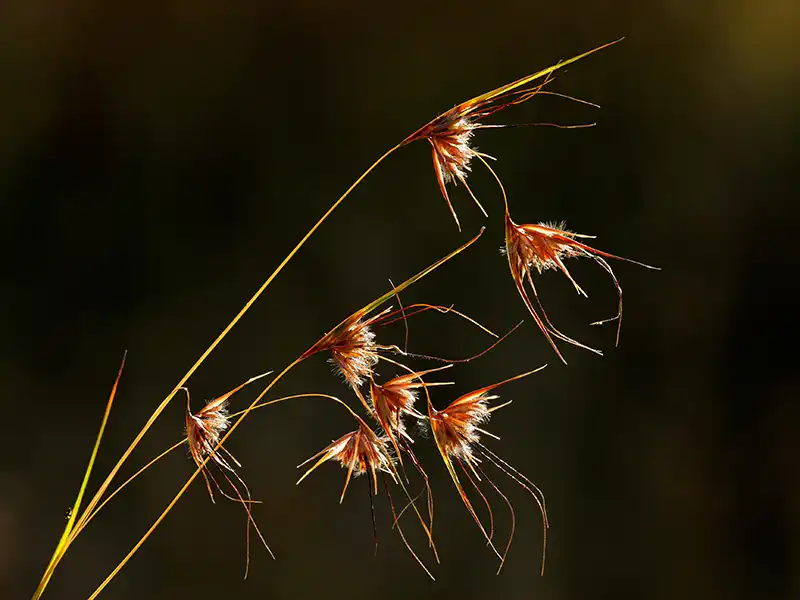
Grow one of Australia’s most recognisable native grasses with Kangaroo Grass (Themeda triandra), a hardy perennial tussock grass valued for its attractive foliage, distinctive reddish-brown seed heads and importance in Australian native grasslands.
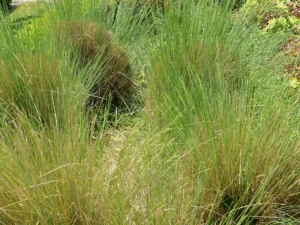
Kangaroo Grass is a warm-season native grass that forms attractive upright to spreading tussocks. Its fine to narrow grey-green foliage provides year-round structure, while mature plants develop striking reddish-brown to bronze flowering and seed heads that rise above the foliage during the warmer months.
Widely distributed across Australia, Kangaroo Grass is well suited to native gardens, naturalistic landscapes, native grasslands, wildlife plantings, revegetation, erosion control and larger landscape projects.
Once established, it is hardy, tolerant of extended dry periods and adaptable to a broad range of soil types.
Kangaroo Grass Seed Details
| Botanical name | Themeda triandra |
|---|---|
| Common names | Kangaroo Grass, Red Grass |
| Family | Poaceae |
| Plant type | Australian native warm-season perennial tussock grass |
| Approximate height | Foliage commonly around 30–60 cm, with flowering stems potentially reaching approximately 1–1.5 m or more under favourable conditions |
| Seed head colour | Reddish-brown, rusty red to bronze |
| Growth habit | Tufted, upright to spreading perennial grass |
| Position | Full sun to semi-shade |
| Soil | Adaptable to a range of soil types; good drainage is beneficial |
| Sowing depth | Surface sow or cover only lightly, ensuring good seed-to-soil contact |
| Typical germination | Variable; germination may begin within approximately 2–4 weeks under favourable conditions, but dormant seed can take considerably longer |
| Seed dormancy | Germination can vary between seed lots and populations; naturally occurring dormancy is common |
| Uses | Native gardens, native grasslands, naturalistic landscaping, revegetation, biodiversity plantings, erosion control and habitat restoration |
Why Grow Kangaroo Grass?
- Iconic Australian native perennial grass occurring naturally across the country.
- Produces attractive reddish-brown to bronze flowering and seed heads.
- Forms natural-looking tussocks suitable for native and informal landscapes.
- Useful for native grassland restoration and revegetation.
- Provides valuable structure and habitat within biodiversity plantings.
- Adaptable to a broad range of Australian growing conditions.
- Tolerates extended dry periods once established.
- Useful for erosion control, groundcover and naturalistic landscape projects.
How to Grow Kangaroo Grass from Seed
Kangaroo Grass can be established from seed, although germination is naturally variable. Seed dormancy, seed maturity, provenance, storage and environmental conditions can all influence the speed and percentage of germination.
- Choose a suitable position.
Select an open position with plenty of sunlight. Kangaroo Grass performs particularly well in full sun, although established plants can tolerate some semi-shade. - Prepare the soil.
Remove competing weeds and create a reasonably clean seed bed. Good weed control during establishment is particularly important because young native grass seedlings can be easily overwhelmed by vigorous weeds. - Sow shallowly.
Scatter the seed across the prepared surface or sow into propagation trays. Kangaroo Grass should be surface sown or covered only lightly rather than buried deeply. - Ensure good seed-to-soil contact.
After broadcasting, lightly press or roll the seed into the soil surface. This improves contact with moisture while keeping the seed close to the surface. - Water gently.
Use a fine spray or gentle watering method so seed is not displaced. Maintain reliable moisture during germination and early seedling development. - Provide warm growing conditions.
Kangaroo Grass is a warm-season grass and establishment is generally favoured when soil temperatures are increasing and adequate moisture is available. - Allow time for variable germination.
Some viable seeds may germinate relatively quickly while others remain dormant. Do not assume that a sowing has failed simply because all seedlings do not emerge together. - Control competing weeds during establishment.
Keep the area around young plants relatively free of aggressive weeds until the Kangaroo Grass tussocks become established.
Distinctive Red and Bronze Seed Heads
One of the most recognisable features of Themeda triandra is its colourful flowering and seed heads.
During the warmer growing season, flowering stems rise above the foliage and develop distinctive clusters of reddish-brown, rusty-red and bronze spikelets.
The seed heads provide colour and movement within native gardens and naturalistic landscapes, particularly when planted in larger groups.
As the seed heads mature and dry, their colours gradually deepen and provide additional seasonal texture.
Kangaroo Grass for Native Landscaping
Kangaroo Grass is particularly effective where a natural Australian grassland appearance is desired.
- Native gardens: combine with Australian wildflowers, shrubs and other native grasses.
- Naturalistic landscapes: plant in drifts or groups for an informal grassland appearance.
- Feature plantings: use the reddish-brown seed heads to provide seasonal colour and texture.
- Large properties: establish native grass areas requiring less intensive management once established.
- Environmental plantings: incorporate into suitable grassland, woodland and revegetation projects.
Rather than producing the uniformly clipped appearance of a conventional lawn grass, Kangaroo Grass is best appreciated for its natural tussock form and seasonal seed heads.
Kangaroo Grass for Revegetation and Native Grasslands
Kangaroo Grass is an important component of many Australian native grassland, grassy woodland, savannah and open-forest communities.
Its perennial growth habit makes it useful for restoration projects where the objective is to establish persistent native groundcover rather than short-lived annual vegetation.
Once established, Kangaroo Grass can help protect exposed soil, provide habitat structure and contribute to more diverse native plant communities.
For ecological restoration projects, seed provenance can be important. Where the objective is to restore a specific natural plant community, locally appropriate seed should be considered where available.
Is Kangaroo Grass Drought Tolerant?
Established Kangaroo Grass has useful tolerance of dry conditions and occurs naturally across environments ranging from relatively dry grasslands to higher-rainfall woodland and coastal regions.
Its drought tolerance improves considerably after the root system and tussock have become established.
Young seedlings are more vulnerable to moisture stress. Reliable moisture during germination and early establishment is therefore much more important than frequent watering of mature plants.
During prolonged drought, foliage may lose some of its green colour or growth may slow, with plants responding again when suitable moisture and warm growing conditions return.
What Soil Is Best for Kangaroo Grass?
Kangaroo Grass is adaptable to a broad range of Australian soils and does not require highly fertile garden soil to grow successfully.
It can occur naturally on a variety of soil types, making it useful for native landscaping and restoration projects.
For garden establishment:
- Choose soil with reasonable drainage.
- Remove vigorous weeds before sowing.
- Avoid burying seed deeply.
- Maintain moisture during germination.
- Avoid unnecessary heavy fertilising.
- Allow established plants to develop their natural tussock form.
Good site preparation and weed management are often more important than adding large quantities of fertiliser.
Does Kangaroo Grass Need Full Sun?
Kangaroo Grass performs particularly well in full sun, where plants can develop dense tussocks and strong flowering stems.
It can also tolerate semi-shaded positions, particularly in open woodland-style landscapes.
For the strongest display of reddish-brown seed heads, choose an open position receiving plenty of sunlight.
Kangaroo Grass for Wildlife and Biodiversity
Native grasses provide more than groundcover. Their foliage, tussocks and seed heads contribute structure to Australian grassland and woodland ecosystems.
Kangaroo Grass can provide shelter and habitat for insects and other small native fauna while contributing to the overall diversity of native plantings.
For greater biodiversity value, combine Kangaroo Grass with locally suitable native wildflowers, groundcovers and other grasses rather than planting a single species exclusively.
This creates different vegetation heights, flowering periods and habitat structures within the landscape.
Where to Grow Kangaroo Grass
Kangaroo Grass is suitable for a wide range of native garden and landscape applications.
- Australian native gardens.
- Native grasslands.
- Naturalistic landscapes.
- Wildlife and biodiversity gardens.
- Rural properties.
- Revegetation projects.
- Grassland and woodland restoration.
- Erosion-control plantings.
- Roadside and infrastructure landscaping.
- Low-maintenance native landscape areas once established.
For restoration work, consider whether locally sourced provenance is appropriate for the project.
Tips for Growing Kangaroo Grass Successfully
- Choose a sunny to semi-shaded position.
- Control existing weeds before sowing.
- Surface sow or cover seed only lightly.
- Ensure good contact between the seed and soil.
- Maintain consistent moisture during germination.
- Avoid allowing newly germinating seedlings to dry out.
- Expect germination to vary because Kangaroo Grass can display natural seed dormancy.
- Control aggressive weeds while young plants establish.
- Allow mature plants to form natural tussocks for the strongest landscape effect.
- Use locally appropriate provenance where required for ecological restoration projects.
Frequently Asked Questions
What is Kangaroo Grass?
Kangaroo Grass is a warm-season perennial native grass botanically known as Themeda triandra. It forms attractive tussocks and produces distinctive reddish-brown to bronze flowering and seed heads.
Is Kangaroo Grass native to Australia?
Yes. Kangaroo Grass occurs naturally throughout Australia and is an important species in many native grassland, grassy woodland, savannah and open-forest communities.
Is Kangaroo Grass annual or perennial?
Kangaroo Grass is a perennial grass. Established tussocks can persist for many years where growing conditions are suitable.
How tall does Kangaroo Grass grow?
The leafy tussock commonly grows around 30–60 cm high, although flowering stems can rise considerably higher and may reach approximately 1–1.5 m or more under favourable conditions.
What colour is Kangaroo Grass?
The foliage is generally green to grey-green. During flowering and seed production, plants develop distinctive rusty-red, reddish-brown or bronze seed heads.
How do I sow Kangaroo Grass seed?
Prepare a relatively weed-free seed bed, distribute the seed across the soil surface and lightly press or roll it to create good seed-to-soil contact. Avoid burying the seed deeply.
How deep should Kangaroo Grass seed be planted?
Kangaroo Grass should generally be surface sown or covered only lightly. Good contact with moist soil is important during germination.
How long does Kangaroo Grass take to germinate?
Some seed may germinate within approximately 2–4 weeks under favourable conditions, but germination can be considerably slower because Kangaroo Grass commonly displays natural seed dormancy.
Why hasn’t all of my Kangaroo Grass seed germinated?
Kangaroo Grass can have variable germination. Seed maturity, provenance, storage, viability, temperature and natural dormancy can all influence the proportion and timing of germination.
When is the best time to sow Kangaroo Grass?
Kangaroo Grass is a warm-season grass. Spring into early summer is generally a useful establishment period where temperatures are warming and reliable moisture or irrigation is available. Local climate and rainfall should always be considered.
Does Kangaroo Grass need full sun?
Full sun is preferred for strong tussock development and flowering, although established plants can tolerate some semi-shade.
Is Kangaroo Grass drought tolerant?
Yes. Established Kangaroo Grass can tolerate extended dry periods. Young seedlings, however, require reliable moisture during germination and early establishment.
Does Kangaroo Grass need much water?
Regular moisture is important while seed is germinating and seedlings are establishing. Mature plants are substantially more tolerant of dry conditions.
Can Kangaroo Grass grow in poor soil?
Yes. Kangaroo Grass occurs naturally across a broad range of soil conditions and does not require highly fertile soil. Weed competition and establishment moisture can be more important than heavy fertilising.
Can Kangaroo Grass be used as a lawn?
Kangaroo Grass can be used in naturalistic native grass areas, but it does not behave like a conventional closely mown turf grass. It is best suited where its natural tussock growth and seasonal seed heads can be appreciated.
Is Kangaroo Grass suitable for revegetation?
Yes. Kangaroo Grass is widely used in native grassland, woodland and revegetation projects and can provide persistent native groundcover once established.
Is Kangaroo Grass useful for erosion control?
Yes. Established perennial tussocks provide groundcover and can contribute to soil protection and erosion-control plantings as part of an appropriately designed vegetation system.
Can Kangaroo Grass be grown with Australian wildflowers?
Yes. Kangaroo Grass can provide an attractive structural grass component among suitable Australian native wildflowers, groundcovers and other grasses.
Does Kangaroo Grass need special seed treatment?
Special treatment is not always necessary, but natural dormancy is common and germination can vary substantially between seed lots. Appropriate storage and warm-season sowing conditions can improve establishment outcomes.
Is Kangaroo Grass suitable for all Australian climates?
Kangaroo Grass has an exceptionally broad natural distribution and occurs in every Australian state and territory. Local provenance, rainfall, temperature, soil and establishment conditions can nevertheless affect performance.
Grow Australian Kangaroo Grass from Seed
With its attractive native tussock form, grey-green foliage, distinctive reddish-brown seed heads and adaptability to Australian conditions, Themeda triandra is an excellent native grass for gardens, naturalistic landscapes, biodiversity plantings and revegetation projects.
For best results, prepare a relatively weed-free site, sow the seed shallowly with good seed-to-soil contact and maintain reliable moisture through germination and early establishment.
Once established, Kangaroo Grass develops into a hardy perennial tussock that brings the distinctive texture and seasonal colour of Australian native grasslands into the landscape.
Reviews
There are no reviews yet.