
Leek Large American Flag Vegetable Seeds
Botanical name: Allium ampeloprasum var. porrum | Seed type: Open-pollinated
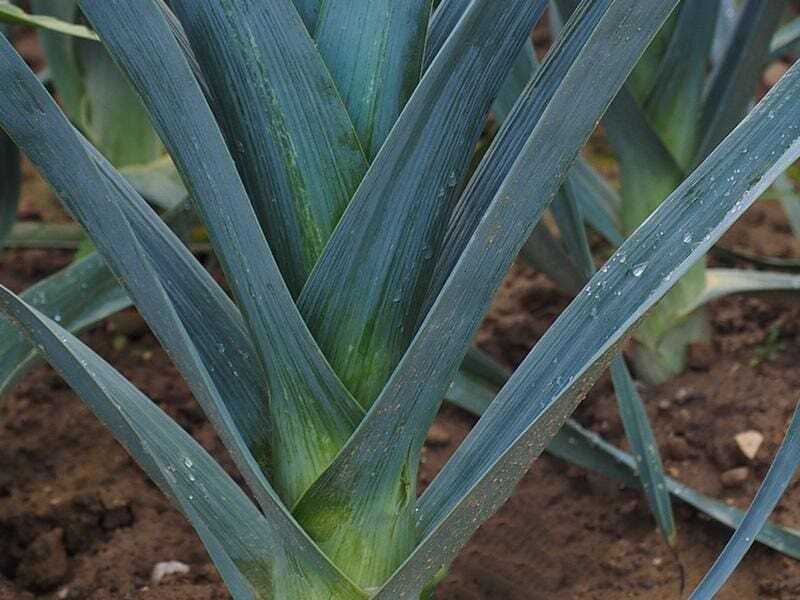
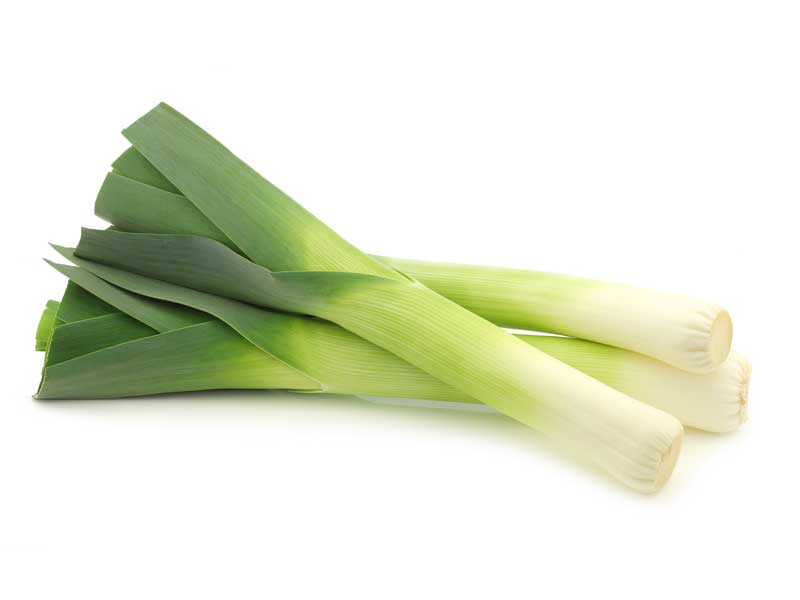
Large American Flag is a traditional, cool-season leek variety, also known as American Flag or Broad London. It produces strong upright plants with broad blue-green leaves and substantial cylindrical white shanks. Its mild, sweet onion-like flavour makes it an excellent choice for soups, stews, roasting, braising and pies.
Suitable for Australian home gardens, raised beds and market garden production, this cold-tolerant variety can be harvested young as baby leeks or grown on for thick mature stems. Deep transplanting and gradual earthing up help develop longer white shanks.
Key Features
- Traditional open-pollinated variety: Also known as American Flag or Broad London.
- Large white shanks: Thick, cylindrical stems suitable for fresh-market and home use.
- Cool-season performance: Useful for autumn, winter and spring production in suitable climates.
- Cold tolerant: Established plants withstand cool weather and light frost.
- Versatile harvest: Grow for baby leeks or larger mature stems.
- Excellent culinary quality: Mild, sweet flavour for a wide range of cooked dishes.
Plant Details
| Characteristic | Details |
|---|---|
| Plant type | Cool-season vegetable; biennial generally grown as an annual |
| Variety | Large American Flag (American Flag / Broad London) |
| Botanical name | Allium ampeloprasum var. porrum |
| Family | Amaryllidaceae |
| Seed type | Open-pollinated |
| Growth habit | Upright plants with thick cylindrical shanks and broad blue-green foliage |
| Approximate height | 60–90 cm under favourable conditions |
| Days to maturity | Approximately 100–120 days from transplanting; longer in cool conditions |
| Position | Full sun |
| Seeds per gram | Approximately 300–400 (varies by seed lot) |
Sowing & Growing Information
| Requirement | Recommendation |
|---|---|
| Sowing method | Raise in trays or seedbeds and transplant; direct sowing is possible |
| Sowing depth | 5–10 mm |
| Germination | Approximately 7–14 days under suitable conditions |
| Germination temperature | Approximately 10–25°C; 15–20°C particularly suitable |
| Plant spacing | 10–15 cm for mature leeks; closer for baby leeks |
| Row spacing | 30–45 cm |
| Sunlight | Full sun |
| Soil | Fertile, well-drained, moisture-retentive soil with organic matter |
| Watering | Keep consistently moist, particularly during establishment and stem development |
When to Sow Leek Seeds in Australia
| Climate zone | Suggested sowing period | Growing notes |
|---|---|---|
| Cool | Spring to autumn | Schedule sowing for the desired autumn, winter or spring harvest; protect young seedlings from severe weather. |
| Temperate | Late summer to autumn; late winter to spring | Avoid establishing young crops during prolonged extreme heat. |
| Subtropical | February to August | Concentrate production in the cooler months; autumn sowings suit winter and spring crops. |
| Tropical | April to July | Grow during the coolest months; prolonged heat can reduce performance. |
| Arid | Late summer to winter | Choose mild conditions and provide reliable irrigation. |
Note: These are general sowing guides. Adjust for local temperatures, frost, elevation, seasonal heat and rainfall.
How to Grow Large American Flag Leeks
1. Sow and raise seedlings
- Fill seed trays or a prepared seedbed with fine, good-quality seed-raising mix.
- Sow seeds 5–10 mm deep, cover lightly and water gently.
- Keep the medium consistently moist. Germination typically takes 7–14 days in favourable conditions.
- Grow seedlings until sturdy enough to transplant, often approaching pencil thickness, and harden off if necessary.
2. Transplant for long white shanks
- Prepare fertile, well-worked soil enriched with well-decomposed compost where required.
- Make planting holes approximately 10–15 cm deep, spaced 10–15 cm apart, with rows 30–45 cm apart.
- Place one seedling in each hole, ensuring the leaves and growing centre remain above soil level.
- Water thoroughly; the hole can gradually fill as the plant establishes.
3. Blanch and maintain plants
To produce a longer white shank, gradually draw loose soil around the lower stem as the leek grows. This process is known as blanching because it excludes light from the stem. Avoid burying the growing centre or allowing soil to collect between inner leaves.
Maintain even soil moisture, mulch to suppress weeds and conserve water, and provide balanced nutrition during the long growing season. Leeks establish slowly, so keep competing weeds under control. Avoid waterlogged soil.
Growing in Pots and Raised Beds
Large American Flag can be grown in deep containers with drainage holes and fertile potting mix. Allow enough space for stems to thicken, and water regularly because containers dry out faster. Raised beds are also suitable: their loose soil makes transplanting, blanching and harvesting easier.
Harvesting and Using Leeks
Harvest baby leeks early for smaller, tender stems, or allow approximately 100–120 days from transplanting for mature leeks in favourable conditions. Look for firm cylindrical stems, healthy foliage and a well-developed white shank. Loosen the soil with a fork before lifting to avoid damage.
Use the white and tender pale-green portions in leek and potato soup, stocks, pies, quiches, casseroles, gratins, risotto, stir-fries, roasting and braising. Tougher dark-green leaves can flavour stocks. Rinse between the leaf layers to remove trapped soil, and refrigerate harvested leeks to maintain freshness.
Common Growing Problems
| Problem | Possible cause or action |
|---|---|
| Thin stems | Overcrowding, insufficient fertility or moisture, or harvesting too early; allow more space and maintain steady growth. |
| Slow growth | Cool conditions, low fertility or weed competition; improve growing conditions as appropriate. |
| Waterlogging | Improve drainage and avoid persistently saturated soil. |
| Gritty stems | Excessive earthing up can trap soil between leaves; mound soil gradually and wash well after harvest. |
| Premature flowering | Stress or seasonal changes may trigger bolting; plan sowing dates for local conditions. |
Seed Saving and Crop Rotation
Large American Flag is open-pollinated. Leeks generally flower and set seed in their second growing season. Allow selected plants to flower, dry the seed heads and store thoroughly dried seed in a cool, dry place. Isolate flowering leek varieties where varietal purity is important. Rotate leek crops with unrelated vegetable families rather than repeatedly planting after onions, garlic, shallots or chives.
Frequently Asked Questions
Is Large American Flag the same as American Flag Leek?
Yes. It is commonly sold as American Flag and is also associated with the traditional name Broad London.
How many leek seeds are in a gram?
Approximately 300–400 seeds per gram, depending on the seed lot.
When should I sow leeks in Brisbane?
In Brisbane and South East Queensland, focus on the cooler growing season. Late summer to winter sowings can be suitable, depending on seasonal conditions.
How long do American Flag leeks take to mature?
Approximately 100–120 days from transplanting under favourable conditions; baby leeks can be harvested earlier.
Should I direct sow or transplant?
Both are possible, but transplanting seedlings into deep holes helps develop longer white shanks.
How far apart should I plant leeks?
Allow about 10–15 cm between plants and 30–45 cm between rows for mature leeks.
Can I grow Large American Flag in pots?
Yes. Use a deep, well-drained container with fertile potting mix and consistent moisture.
Is Large American Flag suitable for market gardens?
Yes. It is a traditional open-pollinated variety suitable for home and small-scale market garden production.
Reviews
There are no reviews yet.