
Red Shiso Microgreen Seeds
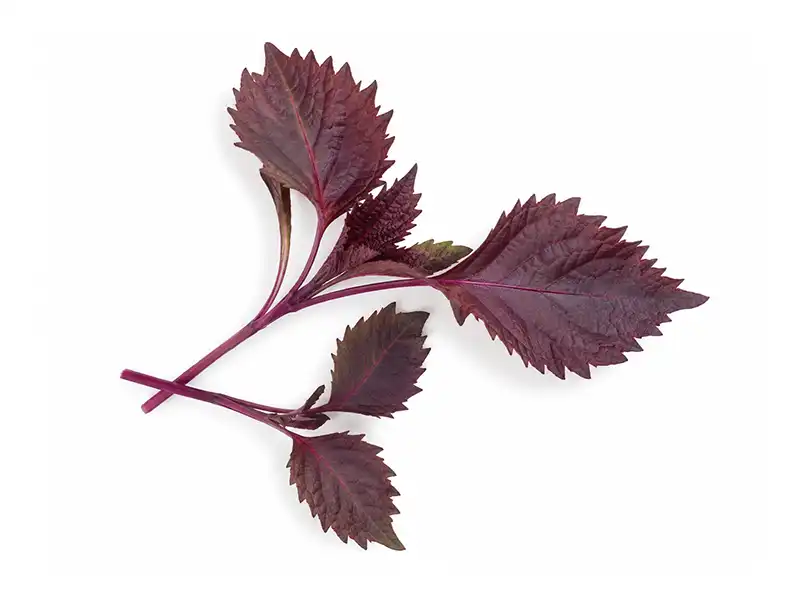
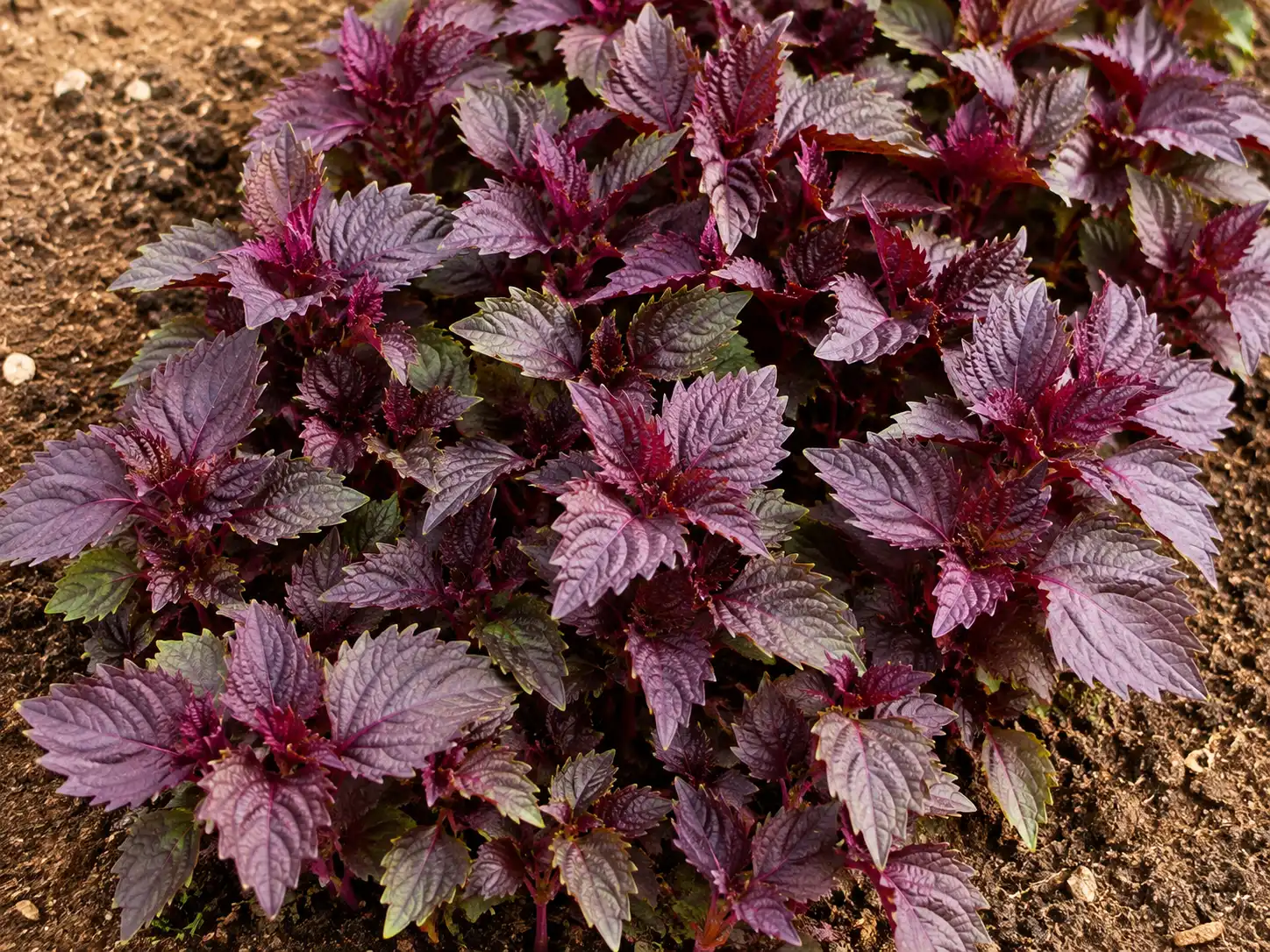
Grow striking Red Shiso microgreens with rich purple-red colour and a distinctive aromatic flavour in approximately 12–18 days. Red Shiso Microgreen Seeds produce attractive young seedlings with coloured stems and foliage and a complex herbaceous flavour often described as combining notes of basil, mint, anise and warm spice.
Also known as Red Perilla, Japanese Shiso and Purple Perilla, Perilla frutescens is widely used in Japanese, Korean and other Asian cuisines. As a microgreen, its unusual colour and aromatic flavour make it particularly valuable for restaurant garnishes, sushi, noodle dishes, salads and premium microgreen mixes.
Red Shiso grows more slowly than fast microgreens such as broccoli, radish and mustard, but rewards a little extra patience with a distinctive high-value crop. Seedmart Red Shiso Microgreen Seeds are available in packet and bulk quantities for home growers, restaurants and commercial microgreen producers throughout Australia.
Red Shiso Microgreen Seed Details
| Botanical name | Perilla frutescens |
|---|---|
| Common names | Red Shiso, Red Perilla, Purple Perilla, Japanese Shiso |
| Plant family | Lamiaceae |
| Growth type | Aromatic culinary herb grown as microgreens, baby leaf or mature plants |
| Pre-soak | Not essential; an optional 12–24 hour soak may assist some growers with germination |
| Approximate sowing rate | Approximately 20–25 g per 10 × 20 inch tray |
| Growing medium | Soil, coir or suitable microgreen growing medium |
| Covered germination | Approximately 5–7 days, depending on conditions |
| Typical harvest | Approximately 12–18 days |
| Colour | Red, burgundy to purple foliage and stems |
| Flavour | Aromatic, herbaceous and slightly spicy with basil, mint and anise-like notes |
| Availability | Retail packets and bulk quantities |
Why Grow Red Shiso Microgreens?
- Distinctive red, burgundy and purple colouring for premium presentation.
- Complex aromatic flavour with basil, mint, anise and subtle spice notes.
- Excellent microgreen for sushi, Asian dishes and restaurant garnishes.
- Provides strong colour contrast when combined with green microgreens.
- Suitable for microgreens, baby leaf production and growing on as a mature herb.
- Can be grown indoors throughout the year under controlled conditions.
- Particularly suited to chefs and growers looking for unusual premium microgreens.
- Suitable for home and commercial microgreen production.
- Available in smaller packets and economical bulk quantities.
- Supplied by an Australian-owned seed company.
How to Grow Red Shiso Microgreens
Red Shiso requires more patience than many fast-growing microgreens. The seeds are small and germination can be slower and less uniform than broccoli, mustard or radish. Warm, stable growing conditions and consistent moisture are particularly important during establishment.
For a standard 10 × 20 inch microgreen tray, approximately 20–25 grams of Red Shiso seed provides a useful starting sowing rate. Adjust the amount according to your growing medium, tray dimensions and preferred crop density.
- Optional pre-soak.
Red Shiso can be sown without soaking. Some growers choose to soak the seed in cool water for approximately 12–24 hours before sowing to assist hydration and encourage more even establishment. If soaking, drain the seed carefully before sowing. - Prepare the growing tray.
Add approximately 3–4 cm of moist, fine-textured soil, coir or suitable microgreen growing medium to a shallow tray. Level the surface gently without heavily compacting it. - Sow the Red Shiso seeds.
Spread the fine seed as evenly as possible across the surface. Good seed-to-medium contact is important, but avoid burying the seeds deeply. - Mist gently.
Use a fine spray mister to thoroughly moisten the seed and growing surface without washing the small seeds into concentrated patches. - Cover the tray during establishment.
Cover with another tray and maintain warm, consistently moist conditions during initial germination. Red Shiso commonly benefits from a longer covered establishment period than fast-growing brassica microgreens. - Check germination regularly.
Monitor the tray each day and mist as required. Shiso can emerge gradually rather than all at once, so some variation between individual seedlings is normal. Avoid saturating the growing medium. - Introduce the seedlings to light.
Once germination is well established and the young seedlings are pushing upward, remove the covering tray and provide suitable natural or artificial growing light with good air circulation. - Maintain consistent moisture.
Water carefully as the crop develops. Bottom watering can be useful once the roots are established because it reduces prolonged moisture on the foliage. - Harvest the microgreens.
Red Shiso Microgreens are commonly ready to harvest approximately 12–18 days after sowing, depending on temperature, light and the preferred harvest stage. Cut cleanly just above the growing medium when the seedlings have developed good colour and reached the desired size.
What Do Red Shiso Microgreens Taste Like?
Red Shiso Microgreens have a distinctive aromatic flavour that is difficult to reproduce with other microgreens. The flavour is often described as combining basil and mint with anise-like, lightly spicy and warm aromatic notes.
Unlike strongly peppery radish or mustard microgreens, Red Shiso has a more complex herbal character. This makes it particularly useful as a culinary garnish where the microgreen is intended to contribute flavour as well as colour.
Red Shiso pairs especially well with Japanese and Korean dishes, sushi, seafood, rice, noodles, salads, vegetables and other foods where its fresh herbal aroma can be appreciated.
Red Shiso in Japanese and Asian Cuisine
Shiso is an established culinary herb in Japan and other parts of East Asia. Mature shiso leaves are traditionally used with sushi and sashimi, in pickles, tempura and numerous other dishes.
Red forms of shiso are particularly associated with pickling and colouring preparations, while both mature leaves and young seedlings provide the characteristic aromatic flavour of Perilla frutescens.
Growing Red Shiso as microgreens provides the same distinctive herb in a smaller, tender format that is particularly convenient for garnishes and contemporary restaurant presentation.
The seedlings can be used whole after cutting, avoiding the need to chop larger mature leaves.
Red Shiso vs Green Shiso Microgreens
Red Shiso and Green Shiso are closely related forms of Perilla frutescens and share the characteristic aromatic qualities associated with shiso, but they differ noticeably in appearance and can also differ in flavour.
| Feature | Red Shiso | Green Shiso |
|---|---|---|
| Colour | Red, burgundy to purple | Predominantly green |
| Flavour | Complex, aromatic and slightly spicy with basil, mint and anise-like notes | Fresh, aromatic and herbaceous with characteristic shiso flavour |
| Visual impact | Strong colour contrast in plated dishes and microgreen mixes | Fresh green appearance |
| Uses | Garnishes, sushi, salads, Asian dishes and colour contrast | Garnishes, sushi, salads and general Japanese culinary use |
Both types are slower-growing specialty microgreens compared with fast crops such as broccoli, radish and mustard.
Red Shiso vs Fast-Growing Microgreens
Red Shiso is best regarded as a specialty microgreen rather than a direct replacement for fast, high-volume crops such as broccoli or radish.
| Feature | Red Shiso | Broccoli / Radish Type |
|---|---|---|
| Crop speed | Slower-growing specialty crop | Generally fast-growing |
| Typical harvest | Approximately 12–18 days | Often earlier, depending on variety |
| Flavour | Complex and highly aromatic | Mild brassica to strongly peppery |
| Colour | Red, burgundy and purple | Frequently predominantly green |
| Best suited to | Premium garnishes, specialty mixes and culinary use | Everyday microgreen production and high-volume crops |
How to Use Red Shiso Microgreens
Red Shiso Microgreens combine colour, aroma and flavour, making them particularly useful as a finishing ingredient rather than simply as a leafy green.
- Use as an aromatic garnish for sushi and sashimi.
- Add to Japanese and Korean-style dishes.
- Scatter over noodle and rice bowls.
- Add to fresh salads and Asian-inspired salads.
- Pair with seafood, tofu and vegetable dishes.
- Use as a colourful garnish for restaurant and café meals.
- Combine with green microgreens to create strong colour contrast.
- Add immediately before serving to preserve the delicate leaves and aroma.
Because of its distinctive flavour, a relatively small amount of Red Shiso can add noticeable character to a finished dish.
Frequently Asked Questions
What is Red Shiso?
Red Shiso is a coloured form of Perilla frutescens, an aromatic culinary herb widely associated with Japanese and other Asian cuisines. It is also known as Red Perilla or Purple Perilla.
How long do Red Shiso Microgreens take to grow?
Red Shiso Microgreens are commonly ready for harvest approximately 12–18 days after sowing, although the exact crop time varies according to temperature, light, moisture, seed lot and preferred harvest stage.
Is Red Shiso slower to grow than other microgreens?
Yes. Red Shiso generally establishes more slowly than fast-growing varieties such as broccoli, radish and mustard. Growers should allow extra time for germination and early seedling development.
Do Red Shiso Microgreen Seeds need to be soaked?
Pre-soaking is not essential. Red Shiso can be sown directly, although some growers soak the seeds for approximately 12–24 hours before sowing to hydrate them before germination.
How much Red Shiso seed should I use in a 10 × 20 tray?
Approximately 20–25 grams of Red Shiso Microgreen Seed per standard 10 × 20 inch tray provides a useful starting rate. Growers can adjust the density according to their equipment, growing medium and preferred crop.
Why is my Red Shiso taking longer to germinate than broccoli or radish?
Shiso naturally germinates and establishes more slowly than many common microgreen varieties. Consistent warmth and moisture are important, and growers should avoid discarding a tray simply because it has not emerged as quickly as a brassica microgreen crop.
How long should Red Shiso remain covered?
Approximately 5–7 days provides a useful starting point for the covered establishment period. The exact timing should be determined by the development of the crop rather than the calendar alone. Uncover once germination is well established and the seedlings are pushing upwards.
What growing medium is best for Red Shiso Microgreens?
Red Shiso can be grown in quality soil, coir or another suitable microgreen growing medium. The medium should retain consistent moisture while still allowing good drainage and airflow.
Does Red Shiso need light?
After the initial covered germination period, Red Shiso Microgreens require suitable natural or artificial growing light. Adequate light encourages compact growth and good foliage colour.
What do Red Shiso Microgreens taste like?
Red Shiso Microgreens have a complex aromatic flavour with characteristics commonly compared with basil and mint, together with anise-like and lightly spicy notes.
Are Red Shiso and Red Perilla the same thing?
Red Shiso is a commonly used name for red-leaved forms of Perilla frutescens. Red Perilla and Purple Perilla are other names frequently used for these plants.
What colour are Red Shiso Microgreens?
Red Shiso Microgreens develop red, burgundy and purple pigmentation. Exact colour intensity can vary with variety, light levels, temperature and crop maturity.
Can Red Shiso Microgreens be grown indoors?
Yes. Red Shiso is suitable for indoor microgreen production when supplied with suitable warmth, light after germination, adequate airflow and consistent moisture.
Can Red Shiso be grown hydroponically?
Red Shiso can be produced using suitable soilless microgreen systems, although moisture management is important because the crop establishes more slowly than many common microgreens.
Can Red Shiso be mixed with other microgreens?
Yes. Its burgundy and purple colouring provides excellent contrast with predominantly green microgreens. Because Shiso grows more slowly than many common varieties, commercial growers may find it easier to grow it separately and combine the harvested microgreens afterwards.
Can Red Shiso Microgreen Seeds be grown into mature plants?
Yes. Perilla frutescens can be grown as microgreens, baby leaf or as mature herb plants. Mature Shiso requires considerably more space and a much longer growing period than a microgreen crop.
Is Red Shiso suitable for commercial microgreen growers?
Yes. Red Shiso is particularly suited to growers supplying restaurants, chefs and specialty markets where unusual colour and distinctive flavour can command greater interest than standard green microgreens.
Where can I buy Red Shiso Microgreen Seeds in Australia?
Seedmart supplies Red Shiso Microgreen Seeds in packet and bulk quantities for home growers, restaurants, chefs, commercial microgreen growers and businesses throughout Australia.
Reviews
There are no reviews yet.