
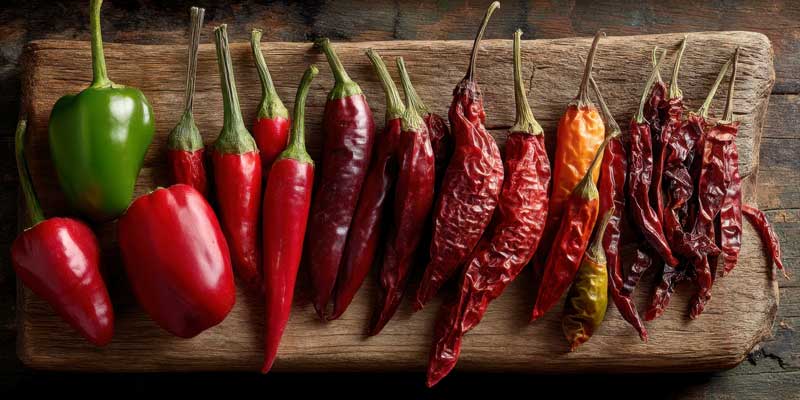
Chilli seeds open a world of flavour, colour and heat for urban farmers, home gardeners and culinary chefs. From mild sweet peppers to super-hot varieties, each variety offers unique growth habits, flavours and uses. Whether you’re growing on a balcony, in raised beds or in large garden plots, the right seeds and care will reward you with abundant and delicious vegetables.
Common Names: Chilli, Chili, Hot Pepper, Capsicum, Bell Pepper, Capsicum annuum, Capsicum chinense, Capsicum frutescens.
Choosing the right chilli variety can feel overwhelming because of the huge diversity in size, shape, flavour and heat. In this guide, you will find an overview of capsicum types, detailed variety profiles across the Scoville heat scale, growing and care instructions, pest management, harvesting and seed-saving guidance, plus tips for urban growers and chefs. Everything you need to confidently grow chillies is below.
Table of Contents
- Understanding Chilli Seeds and Capsicum Varieties
- Popular Chilli Varieties: Mild to Super-Hot
- The Scoville Scale and Heat Levels Explained
- Choosing the Right Chilli Seeds for Your Space
- How to Grow Chilli Plants: Step-by-Step
- Tips for Urban Farmers and Small-Space Gardens
- Soil, Water and Nutrient Requirements
- Pest and Disease Management
- Harvesting, Seed Saving and Storage
- Culinary Uses and Preservation
- Frequently Asked Questions
- Conclusion: Start Growing Chilli Seeds
Understanding Chilli Seeds and Capsicum Varieties
Chilli seeds belong to the genus Capsicum, a group that includes both sweet and hot peppers. The most commonly cultivated species are Capsicum annuum (bell peppers, jalapeños), Capsicum chinense (habanero, Sco tch bonnet, Carolina Reaper), Capsicum frutescens (tabasco) and Capsicum baccatum (aji varieties).
Key differences between varieties include:
- Heat level: from zero (bell peppers) to extreme (super-hot cultivars).
- Flavor profile: fruity, smoky, grassy, tangy or neutral.
- Growth habit: compact bushes, tall plants, trailing types for pots or vertical setups.
- Fruit colour and shape: green, red, yellow, orange, purple; long, conical, round or lantern-shaped.
Understanding these traits helps you pick seeds suited to your climate, space and culinary goals.
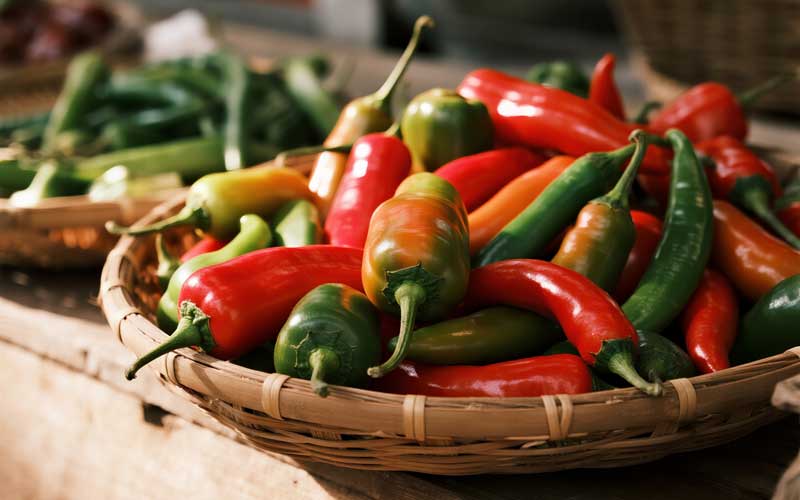
Popular Chilli Varieties: From Mild to Super-Hot
| Variety | Heat Level (SHU) | Description |
|---|---|---|
| Bell Pepper (Capsicum annuum) | 0 | Large, sweet fruits perfect for salads, roasting and stuffing. |
| Paprika | 0–1,000 | Sweet, smoky flavour; used fresh, roasted or dried into powder. |
| Anaheim | 500–2,500 | Mild, versatile pepper often roasted and used in Mexican dishes. |
| Jalapeño | 2,500–8,000 | Popular for salsas, pickling and stuffing. |
| Serrano | 10,000–23,000 | Crisp, clean heat; excellent in fresh salsas. |
| Cayenne | 30,000–50,000 | Common drying and ground chilli; prolific producers. |
| Habanero Yellow | 100,000–350,000 | Fruity and fiery; great in sauces. |
| Habanero Red | 100,000–350,000 | Intense heat with bold flavour. |
| Bhut Jolokia (Ghost Pepper) | 800,000–1,000,000 | Extremely hot; use sparingly. |
| Carolina Reaper | 1,400,000+ | One of the hottest cultivars known; for experienced chilli growers only. |
Specialty & Regional Varieties
- Chilli Indian Kashmiri — ~1,000–2,000 SHU. Famous for its deep red colour and mild heat, widely used in curries.
- Aji Amarillo (Capsicum baccatum) — Fruity Peruvian pepper prized for sauces.
- Cherry Bomb / Pimiento — Round, sweet or mildly hot; pretty on plants and good for roasting.
The Scoville Scale and Heat Levels Explained
The Scoville Heat Unit (SHU) measures capsaicin concentration, the chemical that makes chillies hot. Use the scale to select varieties that fit your tolerance and culinary needs:
- Mild: 0 – 1,000 SHU (bell, poblano)
- Medium: 1,000 – 30,000 SHU (jalapeño, serrano)
- Hot: 30,000 – 100,000 SHU (cayenne, Bird’s Eye)
- Super-hot: 100,000+ SHU (habanero, ghost, reaper)
Remember: growing conditions, ripeness and plant stress can alter perceived heat — a stressed plant sometimes produces hotter fruit.
Choosing the Right Chilli Seeds for Your Space
Start by assessing three things: space, climate and use.
Space: For balconies and containers, choose compact or determinate varieties (e.g. jalapeño, Thai chilli, cherry peppers). Indeterminate/heavy producers (e.g. cayenne, some habaneros) suit larger beds or dedicated pots.
Climate: Warm, long seasons favour tropical-origin species like Habanero. Cooler climates can still grow chillies if started indoors and given warmth during establishment.
Use: If you want fresh salsas, pick medium-heat varieties. For drying and flakes, choose high-yield cayennes. For sauces and fermenting, habaneros and aji types are excellent.
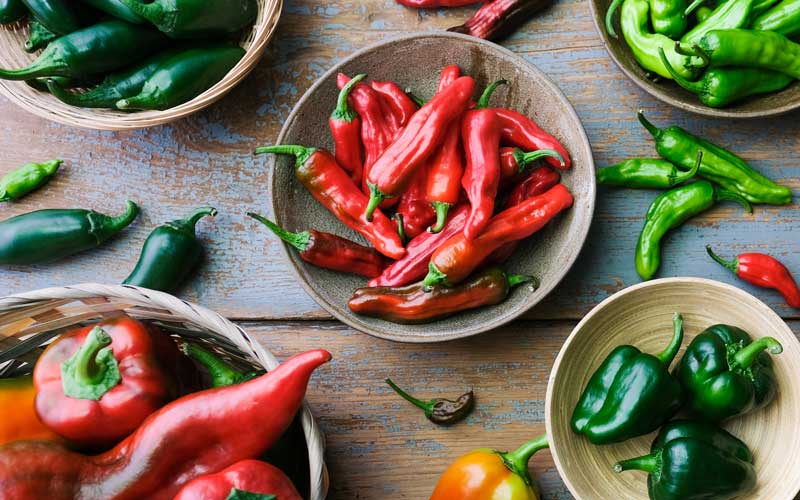
How to Grow Chilli Plants: Step-by-Step Guide
Chillies are warm-season crops that reward careful seed-starting and regular care.
1. Seed Starting
- Sow seeds indoors 6–10 weeks before last expected frost (or earlier for short seasons).
- Use a light seed-starting mix; sow 3–6 mm (about ¼ inch) deep.
- Maintain warmth: 22–30°C (72–86°F) for best germination. Bottom heat or a seed mat speeds emergence.
- Keep medium moist but not waterlogged; germination typically 7–21 days depending on variety.
2. Seedlings to Transplant
- Provide bright light immediately — strong windowsill light or grow lights for 12–16 hours/day.
- Harden off seedlings gradually for 7–10 days before transplanting outdoors.
- Transplant after all frost risk has passed and night temperatures are consistently above ~12–15°C (54–59°F).
3. Planting & Spacing
- Space plants 30–60 cm (12–24 in) apart depending on cultivar size.
- Use well-draining soil amended with compost; chillies prefer slightly acidic to neutral pH (6.0–7.0).
- Mulch to conserve moisture and suppress weeds.
4. Watering & Feeding
- Keep soil evenly moist; avoid prolonged waterlogging.
- Fertilise with a balanced, slightly higher potassium feed once flowers set (supports fruiting).
- Organic compost and slow-release fertilisers work well; avoid excessive nitrogen which promotes leafy growth over fruit.
5. Pruning & Support
- Pinch early growth tips to encourage bushiness for some varieties.
- Stake or cage taller cultivars to support heavy fruit loads.
Pollination
Chillies are self-pollinating but benefit from insect activity and gentle shaking of plants to improve fruit set, especially in greenhouses.
Tips for Urban Farmers and Small-Space Gardens
Urban growers can successfully produce chillies using these practical tips:
- Choose compact varieties: Jalapeño, Cherry Bomb, Thai chilli and many ornamental types perform well in pots.
- Pot size: Use at least 10–20 litre pots for medium varieties; larger pots for big producers.
- Sunlight: Aim for 6+ hours of direct sun; morning sun is especially valuable.
- Vertical space: Train varieties on trellises or use hanging baskets for trailing types.
- Microclimates: Use warm walls or sheltered corners to extend the season.
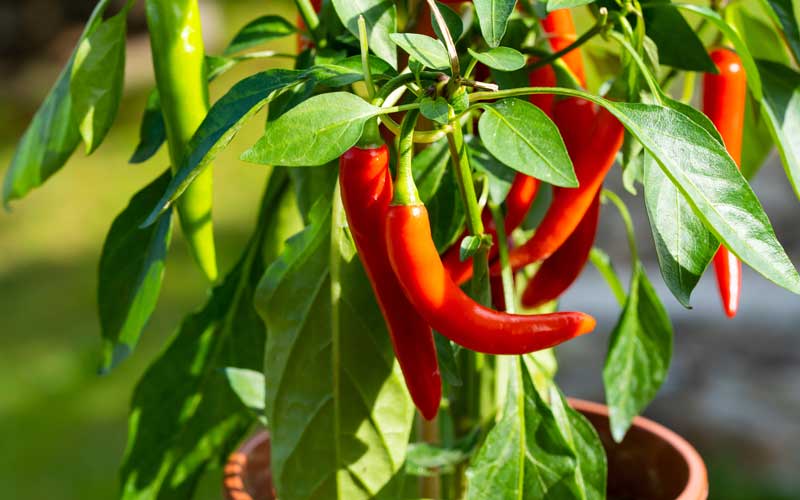
Soil and Nutrient Requirements
Healthy soil equals healthy chilli plants:
- pH 6.0–7.0 is ideal.
- High-organic-matter, free-draining soils work best — add compost or well-rotted manure.
- Balanced N-P-K fertiliser early, then switch to lower nitrogen/higher phosphorus & potassium once flowering begins.
- Regular mulch conserves moisture and keeps roots cool.
Pest and Disease Management
Common issues and simple, low-toxicity controls:
- Aphids: Blast with water, use insecticidal soap or encourage beneficial insects (ladybirds).
- Whitefly: Yellow sticky traps, insecticidal soap, or reflective mulch can reduce pressure.
- Spider mites: Increase humidity, use miticidal soaps where needed.
- Fungal diseases (e.g., damping off, blight): Avoid overwatering, ensure good airflow and rotate crops.
- Bacterial spot: Remove affected plants and use disease-free seed/seedlings; avoid working when plants are wet.
Preventative cultural practices — clean tools, good spacing, crop rotation and strong plants grown in rich soil — are often the most effective controls.
Harvesting, Saving Seeds, and Storage
Harvest chillies at the colour and size appropriate for the variety and intended use. Many peppers are edible when green, but flavour and heat often intensify as they ripen to red, orange or yellow.
Harvesting Tips
- Use scissors or pruners to cut peppers with a short stem to avoid plant damage.
- Harvest regularly — this encourages more fruiting.
- Wear gloves when harvesting extremely hot varieties; avoid touching eyes or face.
Seed Saving
- Choose fully ripe, healthy fruit from open-pollinated or heirloom varieties — hybrids won’t breed true.
- Scoop seeds into a paper towel and air-dry thoroughly before storing to prevent mould.
- Label seeds with variety and year; store in a cool, dry place or in airtight containers in the fridge for longer viability.
Storage & Preservation
- Refrigerate fresh peppers for short-term use (1–2 weeks for many types).
- Drying (air-dry, oven or dehydrator), freezing, pickling and making sauces are excellent preservation methods.
Culinary Uses and Preservation
Chillies are highly versatile:
- Fresh: Salsas, salads, garnishes and stuffing.
- Cooked: Roasting, grilling, frying or stewing to develop sweetness and complexity.
- Dried: Powders, flakes and long-term storage.
- Fermented & Sauces: Hot sauces, pastes and condiments benefit from unique flavours of specific varieties (aji, habanero, ghost).
Chefs prize homegrown chillies for freshness and flavour nuance — grow a small selection to cover mild, medium and hot needs in the kitchen.
Frequently Asked Questions
- How long from seed to harvest? Typically 60–120 days depending on variety and conditions.
- Can I grow chillies indoors? Yes — strong grow lights and warmth speed growth. Choose compact cultivars and provide pollination assistance.
- Why did my plants drop flowers? Flower drop can be caused by temperature extremes, water stress or lack of pollinators.
- Are ornamental chillies edible? Most are edible but can be variable in flavour and heat; always verify variety before consuming large amounts.
- Do chillies need full sun? Yes — 6–8 hours of direct sun yields best fruit set and flavour.
Start Your Chilli Growing Journey Today
From sweet bells to super-hot reapers, chilli seeds offer an exciting range of plants for every gardener. By selecting varieties suited to your space and climate, starting seeds with warmth and light, and following sound soil, watering and pest-management practices, you’ll enjoy a rewarding harvest. Whether your aim is fresh salsas, drying and spices, or culinary experimentation, growing chillies is an accessible, high-reward project for urban farmers, home gardeners and chefs alike.
Click here to shop our full range of chilli seeds for your garden!
