
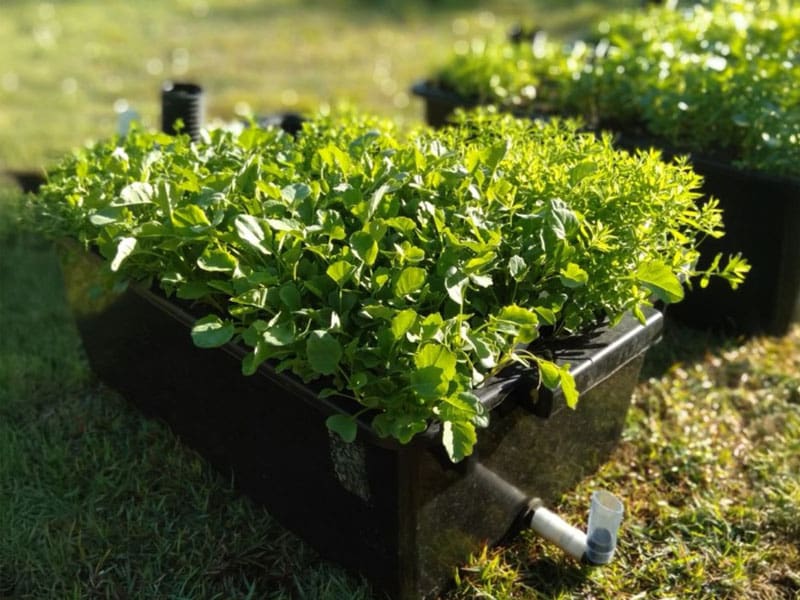
Wicking Bed Guide
Wicking beds are self-watering garden beds that store water below the growing soil and allow moisture to move upward towards plant roots.
Instead of relying entirely on frequent surface watering, a correctly designed wicking bed provides plants with access to a reservoir beneath the root zone.
This can make wicking beds particularly useful for water-efficient vegetable gardens, raised beds, urban growing and locations where maintaining consistent soil moisture is difficult.
This guide explains how wicking beds work, their history, common designs, soil requirements, maintenance and the mistakes that can prevent them from working properly.
More consistent soil moisture
Reservoir below the soil
Capillary action
Vegetables, herbs and raised beds
Working overflow outlet
Poor drainage or waterlogging
Wicking beds, self-watering beds and subsurface irrigation beds.
What Are Wicking Beds?
A wicking bed is a garden bed containing a water reservoir beneath the growing soil.
Water moves upward from this lower reservoir through suitable porous material and moist soil by capillary action. Plant roots can then access moisture from the root zone above.
The system is designed to maintain more consistent moisture while reducing the need for frequent surface watering.
Water is stored underneath the soil rather than being applied only from above.
How Does a Wicking Bed Work?
Although designs vary, most wicking beds rely on four basic components working together.
Store the Water
A reservoir in the lower part of the bed holds water between refills.
Move Moisture Upward
Porous material and moist soil allow water to move upwards by capillary action.
Supply the Root Zone
Plant roots grow in the upper soil layer and draw moisture as required.
Release Excess Water
An overflow outlet limits the maximum reservoir level and helps prevent prolonged waterlogging.
Below the Soil
The lower section stores water and provides the moisture source for the system.
Above the Reservoir
The growing medium provides aeration, nutrients and physical support for plant roots while also transporting moisture.
History of Wicking Beds
Australian engineer Colin Austin was an important early developer and promoter of modern wicking-bed systems.
His work focused particularly on conserving water by storing it beneath the soil and making moisture available to plants through capillary movement.
Colin Austin & WaterRight
Austin developed and documented a range of simple and larger-scale approaches to wicking systems, including pots, reservoirs, soil-based beds and other variations.
His work has helped popularise wicking-bed gardening in Australia and internationally.
Further information about his approach is available through
WaterRight Australia.
store water beneath the growing area and allow the root zone to access that moisture gradually instead of repeatedly wetting the soil surface.
Benefits of Wicking Beds
The main advantages of wicking beds relate to water storage, moisture consistency and reduced irrigation frequency.
Storing water beneath the soil can reduce surface evaporation and runoff compared with some conventional watering methods.
The reservoir gives plants access to a more stable source of water between irrigation events.
A correctly sized reservoir can reduce how often the gardener needs to add water.
Stored water can provide a useful buffer during periods of high plant water demand.
Less frequent overhead watering may leave the upper surface drier for longer.
Wicking beds can be used for vegetables, leafy greens, herbs and many other garden crops.
See this
research on wicking-bed water use.
Wicking Beds, Soil Health & Plant Nutrition
A wicking bed is primarily an irrigation and growing system. Its effect on plant growth depends heavily on the soil, compost, fertilisation, crop type and overall management used within the bed.
Consistent Moisture
Water availability influences nutrient uptake because nutrients generally need to be dissolved in soil water before roots can absorb them.
Living Soil
Organic matter, plant roots and microorganisms can contribute to nutrient cycling within a well-managed growing medium.
Nutrient content in vegetables depends on many factors including crop variety, soil fertility, nutrient supply, maturity, environmental conditions and management. The advantage of the wicking bed is primarily its ability to help maintain a suitable and consistent growing environment.
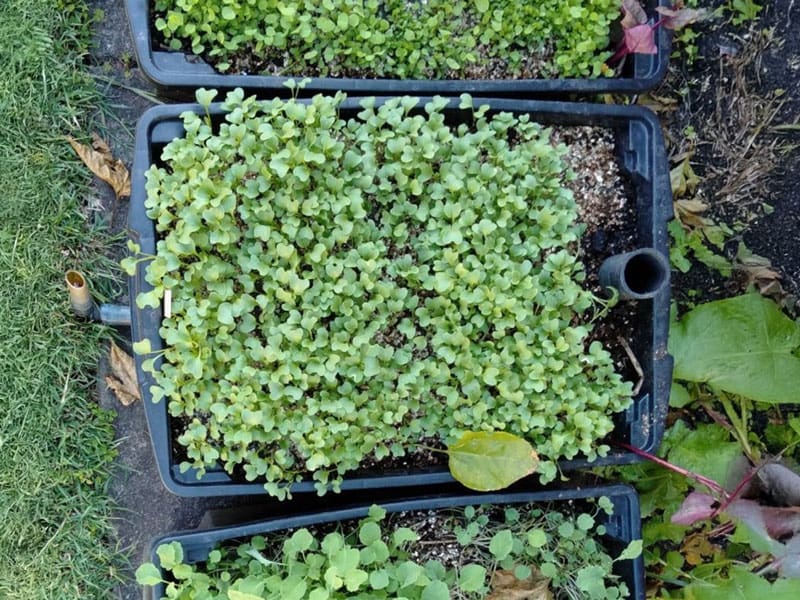
Types of Wicking Beds
Wicking systems range from a flowerpot sitting in a saucer to permanent raised vegetable beds containing substantial underground reservoirs.
Colin Austin’s
WaterRight guide to wicking-bed types
describes a number of different approaches.
Pot & Saucer
A simple pot sits above or within a shallow water supply. Suitable for small plants and basic demonstrations of wicking.
Wick-Extended Pots
A wick connects the growing container with a separate reservoir, extending the available water supply.
Soil Finger Systems
Sections of soil or porous material extend into the reservoir to create direct pathways for capillary movement.
Crate-Based Systems
Plastic crates or similar structures can create reservoir space while supporting the growing layer above.
Gravel Reservoir Beds
A lower gravel-filled area stores water beneath the growing soil. These tend to be heavier and more permanent.
Sponge-Style Beds
Porous materials are used to store and distribute water throughout the lower section.
Hybrid Systems
Designs may combine elements from several approaches depending on bed size, materials and intended crops.
The essential requirement is that the reservoir, wicking pathway, root zone and overflow system work together reliably.
Wicking Bed Design Considerations
Good performance depends less on how elaborate the bed looks and more on whether the basic physical design is correct.
Enough capacity for the intended bed and climate
Enough soil depth for the crops being grown
Positioned to prevent excessive water levels
Continuous capillary pathway between water and soil
Growing medium must still contain air
Make filling, inspection and maintenance practical
Bed Depth
Water Reservoir
Reservoir dimensions vary by design. Capacity should be balanced against total bed depth, crop requirements and the distance water must wick upwards.
Growing Soil
Provide sufficient growing depth for the intended crop. Leafy greens require less root depth than large or deeply rooted vegetables.
Without a correctly positioned and functioning overflow, heavy rainfall or overfilling can saturate the root zone and deprive plant roots of oxygen.

Choosing Soil for a Wicking Bed
The growing medium has to perform two jobs at once: move moisture upwards while still retaining enough air for healthy roots.
The mix needs enough pore space for water movement and root aeration.
Compost and other suitable organic materials contribute nutrients and help support soil biological activity.
The growing layer should remain moist without becoming dense, stagnant or permanently saturated.
A Simple Starting Mix
Typical Components
Compost
Provides organic matter and nutrients.
Loam or quality growing mix
Provides structure and a medium for plant roots.
Coarser mineral material where appropriate
Can improve physical structure and porosity depending on the overall mix.
What You’re Trying to Achieve
The final mix should be able to transport water by capillary movement without collapsing into a dense, poorly aerated mass.
It should also have enough nutrient-holding capacity to support the crops being grown.
Materials vary significantly, so a fixed one-third compost, one-third sand and one-third loam recipe will not behave identically with every source of compost, sand or soil.
Common Wicking Bed Mistakes
Most wicking-bed failures come back to one of three things: poor water movement, too much water or insufficient air in the root zone.
Heavy or Dense Soil
A compacted growing medium may wick poorly and restrict root aeration.
Reservoir Overfilled
An incorrect water level can leave too much of the root zone saturated.
Blocked Overflow
If excess water cannot escape, rainfall or filling can flood the bed.
Poor Wicking Connection
Gaps between the reservoir material and growing soil can interrupt capillary movement.
Surface Too Dry
Newly planted seedlings and shallow-rooted crops may still need top watering while roots become established.
Ignoring Seasonal Demand
Water use changes significantly with temperature, crop size, wind and season.
Wicking Bed Maintenance
A wicking bed reduces routine watering work, but it is not a maintenance-free system.
Check Water Levels
Learn how quickly the reservoir is being used during different seasons and crop stages.
Changes in Wicking
If the upper root zone remains unusually dry, check reservoir levels and the connection between layers.
Inspect the Overflow
Remove blockages so excess water can escape freely.
Maintain Soil Fertility
Replace harvested nutrients with compost or appropriate fertilisers according to crop needs.
Inspect the Reservoir
Check accessible parts of the system for root intrusion, sediment or degraded materials.
Advanced Tips for Better Wicking Bed Performance
Once the basic system is working reliably, relatively simple management choices can improve how the bed performs over time.
Use Surface Mulch
Mulching helps reduce evaporation from the soil surface, suppress weeds and moderate temperature fluctuations.
Monitor Soil Fertility
Productive vegetable crops remove nutrients. Replenish them according to crop requirements rather than assuming the reservoir supplies fertility.
Rotate Crops
Crop rotation can help diversify nutrient demand and form part of a broader strategy for managing soil-borne pest and disease problems.
Combine Plant Types
Mix leafy vegetables, herbs and other suitable crops according to their root depth, space and seasonal requirements.
A simple bed with reliable wicking, adequate root-zone aeration and a properly functioning overflow is preferable to a complex design that is difficult to inspect or repair.
Is a Wicking Bed Worth Building?
For gardeners who want to reduce watering frequency and maintain more consistent moisture, a properly designed wicking bed can be an effective growing system.
Success depends on getting the fundamentals right: an appropriate reservoir, dependable wicking, sufficient root-zone depth, good soil structure and a functioning overflow.
Build a reliable reservoir
Maintain a continuous wicking pathway
Use an aerated growing medium
Install a working overflow
What Will You Grow in Your Wicking Bed?
Explore Seedmart’s vegetable seed range for leafy greens, herbs, vegetables and productive home gardens.
For further information about Colin Austin’s wicking-bed work, visit
WaterRight Australia.