

Yarrow Herb Seeds
Botanical Name: Achillea millefolium
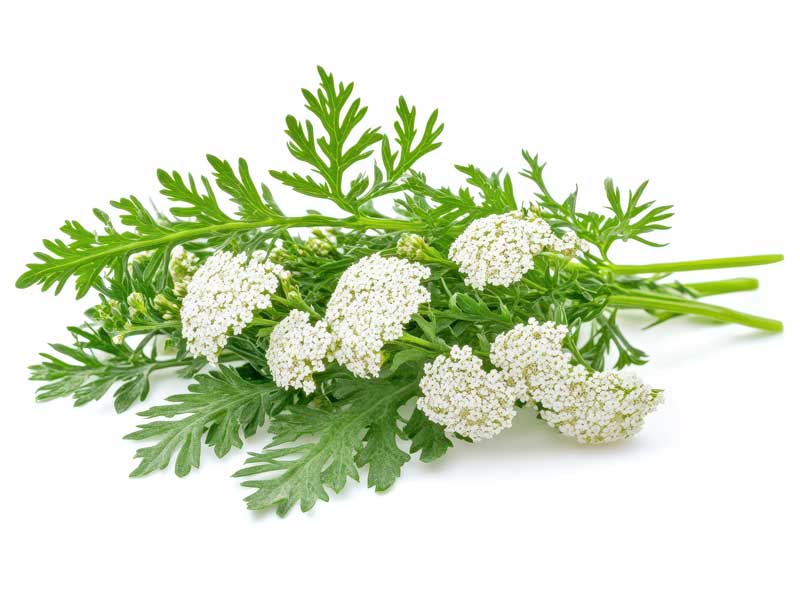
Yarrow is a hardy perennial herb with aromatic, finely divided foliage and broad clusters of small white flowers. Traditionally grown in herb gardens, yarrow is also valued as an ornamental flowering plant, a beneficial-insect plant and a resilient addition to cottage, meadow and wildlife gardens.
Key Attributes
Traditional Herb Garden PlantGrow this well-known perennial herb for its aromatic, finely divided leaves and distinctive flower heads. |
Pollinator FriendlyThe small flowers form broad landing platforms that attract bees, butterflies, hoverflies and other beneficial insects. |
Hardy PerennialA resilient perennial that returns over successive seasons and becomes drought tolerant once established. |
White Summer FlowersProduces flattened clusters of small white flowers, sometimes displaying subtle cream or pale pink tones. |
Useful Cut FlowerThe upright flowering stems may be harvested for fresh arrangements or dried for decorative use. |
Tolerates Lean SoilsPerforms well in moderately fertile or relatively poor soil, provided the planting position drains freely. |
Product Description
Yarrow is a long-lived herbaceous perennial grown for its feathery aromatic foliage and broad, flat-topped flower clusters. The plant forms a basal clump of finely divided green leaves before producing upright flowering stems covered with numerous small flower heads.
The species usually produces white flowers, although natural plants may occasionally display cream, pale pink or mauve tones. The flowers are highly accessible to small beneficial insects and make yarrow a useful addition to pollinator gardens, insectary plantings, cottage gardens and informal flower borders.
Yarrow performs best in a sunny, free-draining position. Established plants tolerate dry conditions and relatively lean soils, but they generally perform poorly in persistently wet or waterlogged ground. Excessively rich soil can produce soft, tall growth that is more likely to lean or fall over.
The plant spreads gradually through underground rhizomes and may also self-seed when mature flower heads are left in place. Deadhead after flowering or divide established clumps periodically when a more controlled planting is required.
These seeds are intended for growing yarrow as a garden herb and flowering perennial. Yarrow should not be consumed or used medicinally without appropriate professional guidance and reliable identification.
Why Grow Yarrow?
- Produces aromatic, finely divided foliage.
- Develops attractive clusters of small white flowers.
- Provides nectar and pollen for beneficial insects.
- Suitable for cottage, meadow and wildlife gardens.
- Useful as a fresh or dried cut flower.
- Hardy perennial that returns for multiple seasons.
- Drought tolerant once well established.
- Adaptable to a range of free-draining soils.
- Suitable for herb gardens, borders and larger containers.
- Can be divided to produce additional plants.
Plant Details
| Botanical Name | Achillea millefolium |
| Common Name | Yarrow, Common Yarrow or Milfoil |
| Plant Family | Asteraceae |
| Plant Type | Herbaceous perennial herb and flowering plant |
| Growth Habit | Upright flowering stems arising from a spreading basal clump |
| Plant Height | Approximately 40–100 cm when flowering |
| Plant Spread | Approximately 30–60 cm, with gradual rhizomatous spread |
| Leaf Type | Aromatic green leaves with finely divided, feathery segments |
| Flower Colour | Usually white; natural variation may include cream, pale pink or mauve tones |
| Flowering Season | Generally late spring through summer and into autumn, depending on climate |
| Life Cycle | Perennial |
Sowing Information
| Sowing Method | Surface sow in seed trays, pots or a carefully prepared outdoor seedbed |
| Sowing Depth | Surface sow; press gently into the growing medium without burying deeply |
| Light Requirement | Light assists germination; leave uncovered or apply only a very light dusting of fine material |
| Germination | Commonly approximately 10–21 days in suitable conditions |
| Germination Temperature | Approximately 18–24°C |
| Plant Spacing | Approximately 30–45 cm |
| Position | Full sun; light partial shade is tolerated but may produce softer growth |
| Soil | Moderately fertile to lean, well-drained soil |
| Water Requirements | Regular moisture during germination and establishment; relatively drought tolerant when mature |
When to Sow Yarrow in Australia
| Climate Zone | Best Planting Time | Growing Notes |
|---|---|---|
| Cool | September – November or February – April | Spring sowing allows plants to establish after severe frost; early autumn sowing is suitable where young plants can establish before winter. |
| Temperate | March – May and August – November | Autumn and spring generally provide mild temperatures and reliable establishment conditions. |
| Subtropical | March – August | Sow through the cooler, less humid part of the year and provide excellent drainage. |
| Tropical | April – July | Best attempted during the cooler dry season. Yarrow may be less persistent in very hot, humid and wet tropical conditions. |
| Arid | March – May and August – October | Establish during mild weather and provide consistent moisture until the plants develop a strong root system. |
These sowing periods are general guides. Local frost dates, elevation, rainfall, seasonal temperatures and extreme weather should also be considered.
How to Grow Yarrow
Choose a sunny position with free-draining soil. Yarrow tolerates relatively lean ground and usually produces sturdier growth where the soil is not excessively rich or heavily fertilised.
Fill seed trays or small pots with a fine, moist seed-raising mix. Scatter the tiny seeds thinly over the surface and press them gently into the mix. Do not bury the seeds deeply, as light assists germination.
Water carefully from below or use a fine mist to avoid displacing the seeds. Maintain even moisture without saturating the mix. Germination commonly occurs within approximately 10–21 days when light, moisture and temperature conditions are suitable.
Once the seedlings have developed true leaves and are large enough to handle, transplant them into individual pots or cell trays. Grow them on until they have formed a healthy root system.
Gradually acclimatise young plants to outdoor conditions before planting them into their permanent position. Space plants approximately 30–45 cm apart, allowing additional room where a natural spreading clump is wanted.
Water regularly during establishment. Once mature, yarrow tolerates dry periods, although occasional deep watering may be beneficial during prolonged hot and rainless conditions.
Growing Yarrow in Pots
Yarrow can be grown in containers, particularly while young or where its spreading habit needs to be controlled. Choose a medium to large pot with unrestricted drainage.
Fill the container with a quality free-draining potting mix. Adding coarse mineral material may improve drainage where the available mix retains excessive moisture.
Position the container in full sun. Plants grown in insufficient light may become tall, soft or inclined to lean.
Container-grown plants require more regular watering than established plants growing in the ground. Allow excess water to drain freely and avoid leaving the pot standing in water.
Established plants may eventually become crowded. Divide and repot the clump when roots fill the container or when growth becomes congested.
Flowering
Yarrow commonly begins flowering from late spring or summer after the plants are sufficiently established. Plants raised from seed may flower during their first growing season under favourable conditions, although some plants may not flower strongly until the following season.
The flowering stems carry broad, flattened clusters composed of numerous small flower heads. These clusters provide accessible feeding sites for bees, hoverflies, butterflies and other beneficial insects.
Remove spent flowers to encourage a tidy appearance, potentially extend flowering and limit unwanted self-seeding. Leave selected flower heads in place when seed production or winter garden structure is desired.
Harvesting Yarrow Flowers
Harvest flower stems after the flower clusters have opened but before the blooms become weathered or begin producing mature seed.
Use clean scissors or secateurs and cut the stems during dry weather. For fresh arrangements, place the stems into clean water soon after harvesting.
For dried flowers, gather small bunches and hang them upside down in a dry, shaded and well-ventilated location. Avoid strong direct sunlight, which may fade the flowers.
The dried flower heads can retain their broad, flattened form and may be used in decorative arrangements.
Maintaining Established Plants
Established yarrow is generally low maintenance. Avoid heavy applications of high-nitrogen fertiliser, as overly rich conditions can produce excessive leafy growth and weak flower stems.
Deadhead spent flowers when self-seeding is not wanted. Flowering stems may be cut back after blooming to tidy the planting and encourage fresh basal growth.
Yarrow spreads through underground rhizomes and can form an expanding clump. Divide established plants every few years, or sooner when the planting becomes overcrowded or moves beyond its allocated space.
To divide yarrow, lift a healthy clump during mild weather and separate it into smaller rooted sections. Replant the vigorous outer portions and water them well during re-establishment.
In cool climates, old growth may die back during winter before new shoots emerge from the base in spring.
Managing the Spreading Habit
Yarrow is a spreading perennial and should be planted where gradual expansion can be accommodated. Its growth can be useful in informal herb gardens, cottage borders and meadow-style plantings, but it may require management in small garden beds.
To keep yarrow controlled:
- Remove spent flower heads before mature seed is released.
- Divide expanding clumps periodically.
- Remove unwanted rhizomes and shoots from surrounding soil.
- Grow the plant in a substantial container or defined garden area.
- Avoid planting beside sensitive bushland or conservation areas.
Local environmental conditions and weed regulations vary. Gardeners should consider the suitability of yarrow for their property and prevent its spread beyond cultivated areas.
Beneficial Insects and Garden Use
Yarrow flowers are formed from many small individual florets arranged into broad clusters. This structure makes the nectar and pollen accessible to a range of insects, including small beneficial species.
Yarrow may attract:
- Bees
- Butterflies
- Hoverflies
- Small native pollinators
- Predatory and parasitic insects associated with garden pest control
Plant yarrow beside other flowering herbs and perennials to provide a diverse succession of flowers. Suitable garden companions may include calendula, echinacea, feverfew, lavender, rudbeckia, sage and other sun-loving plants suited to free-draining soil.
Growing Yarrow for Seed
To harvest yarrow seed, leave selected healthy flower heads on the plant after flowering. Allow the heads to become dry and brown before cutting them from the stems.
Place the dried flower heads over a clean tray or sheet of paper and rub or crumble them gently to release the small seeds. Separate as much dry flower material as practical.
Allow the collected material to dry thoroughly in a protected, well-ventilated place before storage. Store the seed in a labelled, airtight container in a cool, dry and dark location.
Yarrow grown from open-pollinated seed may display natural variation in height, growth habit and flower colouring.
Perfect For
- Traditional herb gardens
- Pollinator and beneficial-insect gardens
- Cottage garden borders
- Wildlife-friendly plantings
- Meadow-style gardens
- Fresh and dried flower arrangements
- Sunny, free-draining garden beds
- Drought-tolerant landscapes
- Informal perennial borders
- Growing in substantial pots and containers
Frequently Asked Questions
Is yarrow an annual or perennial?
Yarrow is an herbaceous perennial. Established plants can survive for multiple years and produce new growth from the base and underground rhizomes.
How long does yarrow take to germinate?
Yarrow commonly germinates within approximately 10–21 days when the seeds receive suitable light, moisture and warmth. Cooler or inconsistent conditions may extend the germination period.
Should yarrow seeds be covered?
Yarrow seeds should generally be surface sown and pressed gently into the growing medium. The seeds benefit from light during germination and should not be buried deeply.
Does yarrow need full sun?
Yarrow generally performs best in full sun. It tolerates light partial shade, but insufficient light may produce taller, softer growth and fewer flowers.
Can yarrow tolerate drought?
Established yarrow is drought tolerant. Newly sown seeds and young transplants still require regular moisture while their root systems develop.
What type of soil does yarrow prefer?
Yarrow prefers free-draining soil and adapts to sandy, loamy and moderately poor ground. Avoid persistently wet, compacted or waterlogged planting positions.
How tall does yarrow grow?
Common yarrow generally reaches approximately 40–100 cm when flowering. Final height depends on the individual plant, climate, moisture, soil fertility and available sunlight.
What colour are common yarrow flowers?
The species Achillea millefolium usually produces white flowers. Natural variation may result in cream, pale pink or faint mauve tones. Named ornamental cultivars may produce other colours, but they are distinct selections.
Does yarrow attract beneficial insects?
Yes. Its broad flower clusters contain many small florets that provide accessible nectar and pollen for bees, butterflies, hoverflies and other beneficial insects.
Can yarrow be grown in pots?
Yes. Use a reasonably large container with excellent drainage and position it in full sun. The plant may need dividing or repotting as the clump expands.
Does yarrow spread?
Yes. Yarrow can spread through underground rhizomes and may also self-seed. Deadheading, periodic division and removal of unwanted shoots can keep the planting controlled.
Can yarrow be used as a cut flower?
Yes. The upright stems and broad flower clusters are suitable for fresh arrangements and can also be dried for decorative use.
When does yarrow flower?
Yarrow generally flowers from late spring through summer and may continue into autumn, depending on the local climate, sowing time and growing conditions.
Will yarrow flower in its first year?
Plants raised early under favourable conditions may flower during their first growing season. Later sowings or slowly developing plants may produce their strongest flowering display in the following year.
Should spent yarrow flowers be removed?
Removing spent flowers can maintain a tidy appearance, encourage further flowering and reduce self-seeding. Flower heads may be retained when seed collection or decorative winter structure is wanted.
Can I save seed from yarrow plants?
Yes. Leave selected flower heads to mature and dry on the plant, then collect and separate the small seeds. Open-pollinated seedlings may show natural variation from the parent plants.
Is yarrow safe to eat?
Yarrow has a history of traditional herbal use, but suitability can depend on correct identification, individual health circumstances, preparation and dosage. This product is supplied as garden seed and no medicinal or consumption claim is made. Seek qualified professional advice before internal use, and keep the plant away from people or animals known to be sensitive to members of the daisy family.
Browse our Herb Seeds collection for traditional culinary, aromatic and flowering garden herbs.
Reviews
There are no reviews yet.