
Lovage Herb Seeds
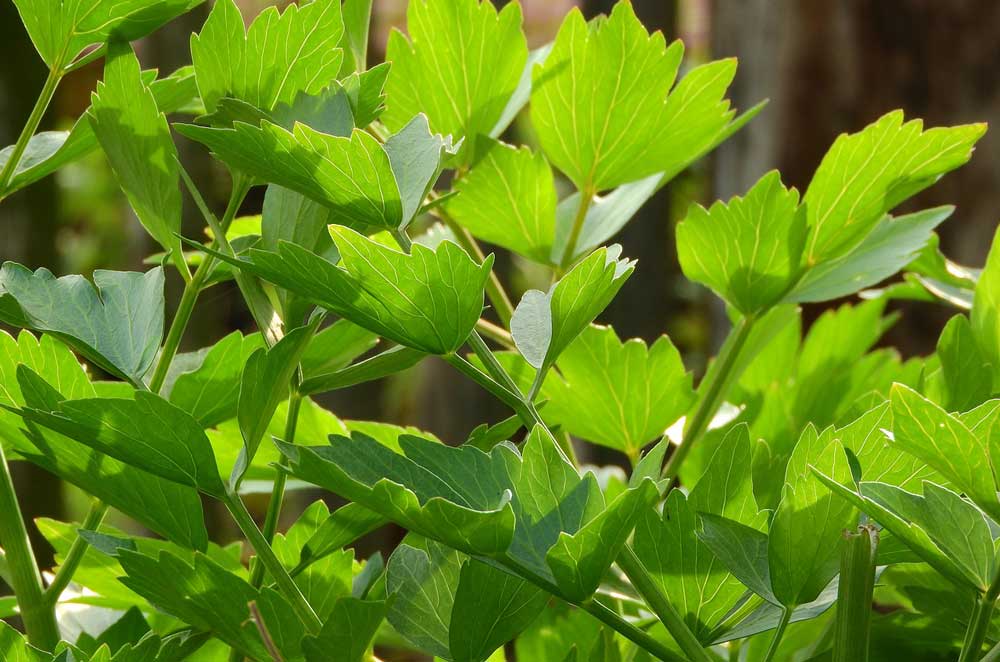
Grow aromatic Lovage with rich green leaves and a distinctive celery-like flavour for soups, stocks, stews and fresh herb dishes. Lovage (Levisticum officinale) is a tall, herbaceous perennial valued for its generous leafy growth and strong savoury flavour. Its leaves combine the familiar taste of celery with subtle parsley and aniseed notes, making it a useful addition to kitchen gardens and culinary herb plantings.
Lovage is well suited to herb gardens, vegetable gardens and permanent edible garden beds where it has room to develop. It grows best in deep, fertile, well-drained soil with reliable moisture. Choose full sun in cooler climates or a position with protection from intense afternoon heat in warmer areas.
Use young leaves sparingly to flavour salads, potatoes, soups and casseroles. Established plants can provide repeat harvests during active growth, while their tall summer flowerheads add height and interest to the garden.
Lovage Seed Details
| Botanical name | Levisticum officinale |
|---|---|
| Common name | Lovage |
| Plant type | Herbaceous perennial culinary herb |
| Position | Full sun to part shade; afternoon protection in hot climates |
| Sowing depth | Approximately 5–6 mm |
| Germination | Usually around 10–21 days under suitable conditions; may be slower or uneven |
| Plant spacing | Approximately 60–100 cm for established garden plants |
| Plant height | Approximately 1–2 m when mature and flowering |
| Harvest | Pick young leaves lightly once plants are well established; increase harvesting as plants mature |
| Flavour | Strong celery-like flavour with parsley and subtle aniseed notes |
Why Grow Lovage?
- Perennial herb that can provide leafy harvests over several growing seasons.
- Distinctive celery-like flavour for soups, stocks, stews and savoury dishes.
- Young leaves can be finely chopped into salads, dressings and potato dishes.
- Useful for kitchen gardens, edible landscapes and specialty culinary herb production.
- Grows in full sun or part shade with suitable soil moisture.
- Tall flower stems add structure to permanent herb beds.
- Flowers attract pollinating and beneficial insects when allowed to develop.
How to Grow Lovage from Seed
Lovage seeds can be started in trays or small pots, or sown directly into prepared garden soil. Allow room for the mature plant when choosing its permanent position.
- Choose a suitable position. Select full sun in cooler districts or morning sun with afternoon shade in hotter areas. Allow space for a substantial perennial plant.
- Prepare the soil. Loosen the soil and incorporate well-rotted compost where required. Lovage performs best in deep, fertile soil that retains moisture while draining freely.
- Sow the Lovage seeds. Sow approximately 5–6 mm deep in seed-raising mix or a fine, prepared seedbed. Cover gently and water with a fine spray.
- Maintain even moisture. Keep the growing medium consistently moist during germination. Avoid allowing it to dry out or remain waterlogged.
- Allow time for germination. Seedlings usually emerge in around 10–21 days under suitable conditions, although germination can be uneven. Continue caring for the seed tray if some seedlings are slower to appear.
- Transplant while young. Move established seedlings into individual pots if required. Harden off before planting into the garden and handle the roots carefully.
- Provide room to grow. Space permanent garden plants approximately 60–100 cm apart, allowing more room where vigorous growth is expected.
- Water and mulch. Water regularly during dry weather. Apply mulch around established plants to conserve moisture, keeping it clear of the crown.
- Harvest gradually. Let young plants develop a strong root system before picking. Begin with small quantities of leaves and avoid stripping the plant. Established plants tolerate more regular harvesting.
What Does Lovage Taste Like?
Lovage has a strong, savoury flavour resembling celery, with parsley and subtle aniseed notes. Its flavour is concentrated, so begin with a small amount and adjust to taste.
Finely chop young leaves into soups, stocks, stews, sauces and dressings, or combine them with potatoes, rice and vegetable dishes. Tender leaves can also be used fresh in salads where a bold herbal flavour is desired.
Lovage can provide celery-like seasoning in cooking, although its leaves do not replace the crisp texture or volume of celery stalks.
Growing Lovage in Pots and Containers
Lovage can be grown in a large, deep container, provided there is sufficient room for its substantial root system. Choose a sturdy pot with drainage holes and use a quality potting mix.
Keep the mix evenly moist and position the container where plants receive adequate sunlight without excessive heat. Container-grown plants need more frequent moisture checks and feeding than those growing in well-prepared garden soil.
A small herb pot is unlikely to support a mature Lovage plant well. Move plants into a larger container or a permanent garden bed as they develop.
When to Sow Lovage Seeds in Australia
Spring is a useful starting point for sowing Lovage in much of Australia. Lovage is best suited to cool and temperate climates; in warmer districts, choose mild conditions and protect seedlings from extreme heat. The following is a general guide rather than a fixed planting calendar.
| Climate | Suggested Planting Time | Growing Notes |
|---|---|---|
| Cool / frost-prone | Spring to early summer | Start under protection where needed. Harden off seedlings before planting into exposed conditions. |
| Temperate | Spring; autumn sowing is also possible | Choose mild conditions. Autumn-sown seed may germinate slowly or emerge the following spring. |
| Subtropical | Mild autumn or spring conditions | Protect from strong afternoon sun and maintain reliable moisture during establishment. |
| Tropical | Trial during the cooler season | Less suited to persistent tropical heat and humidity. Success depends on local conditions, drainage and protection from heat. |
Frequently Asked Questions
What is Lovage?
Lovage is a perennial culinary herb with aromatic leaves and a strong celery-like flavour. Its botanical name is Levisticum officinale, and it belongs to the same plant family as celery and parsley.
Is Lovage an annual or perennial?
Lovage is a herbaceous perennial. In suitable conditions, plants live for several years. They may die back during cold winters before regrowing in spring.
How long do Lovage seeds take to germinate?
Germination usually takes around 10–21 days under suitable conditions, but can be slower or uneven. Keep the seed-raising mix consistently moist throughout this period.
How deep should I sow Lovage seeds?
Sow approximately 5–6 mm deep and cover lightly with fine soil or seed-raising mix.
Does Lovage need full sun?
Lovage grows in full sun or part shade. Full sun suits cooler climates, while protection from intense afternoon heat is helpful in warmer districts.
How big does a Lovage plant grow?
Mature plants can reach approximately 1–2 m tall when flowering. Allow generous space around permanent garden plants.
Can Lovage be grown in pots?
Yes. Use a large, deep container with good drainage and sufficient room for root development. Water regularly and move plants into larger containers as needed.
When can I harvest Lovage leaves?
Begin picking lightly once plants are well established and growing strongly. Seed-grown plants may need their first season to establish before providing substantial harvests.
Can Lovage be used instead of celery?
Lovage leaves can provide celery-like flavour in soups, stocks and other dishes. Use sparingly because the flavour is stronger, and remember that the leaves do not provide celery’s crunchy texture.
Where can I buy Lovage seeds in Australia?
Seedmart supplies Lovage herb seeds for Australian gardeners and growers looking to establish this distinctive perennial culinary herb.
Reviews
There are no reviews yet.