

Fenugreek Microgreen Seeds
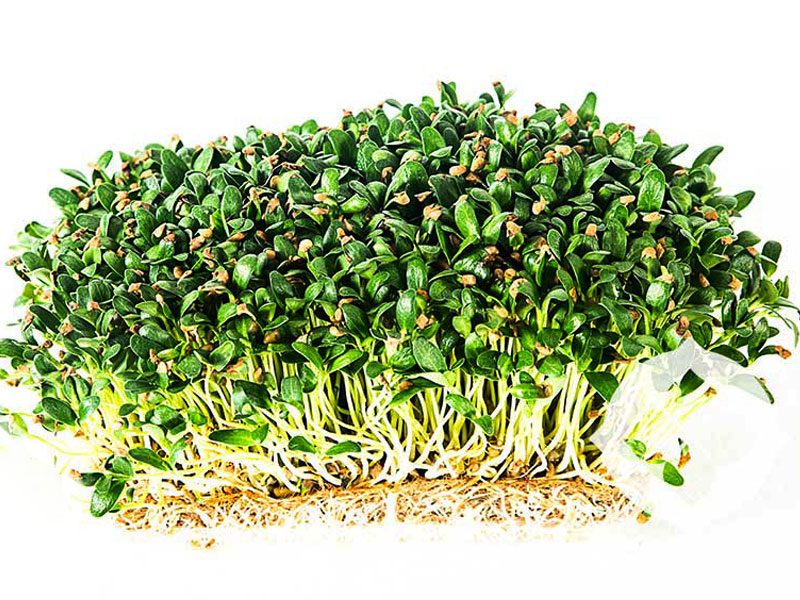
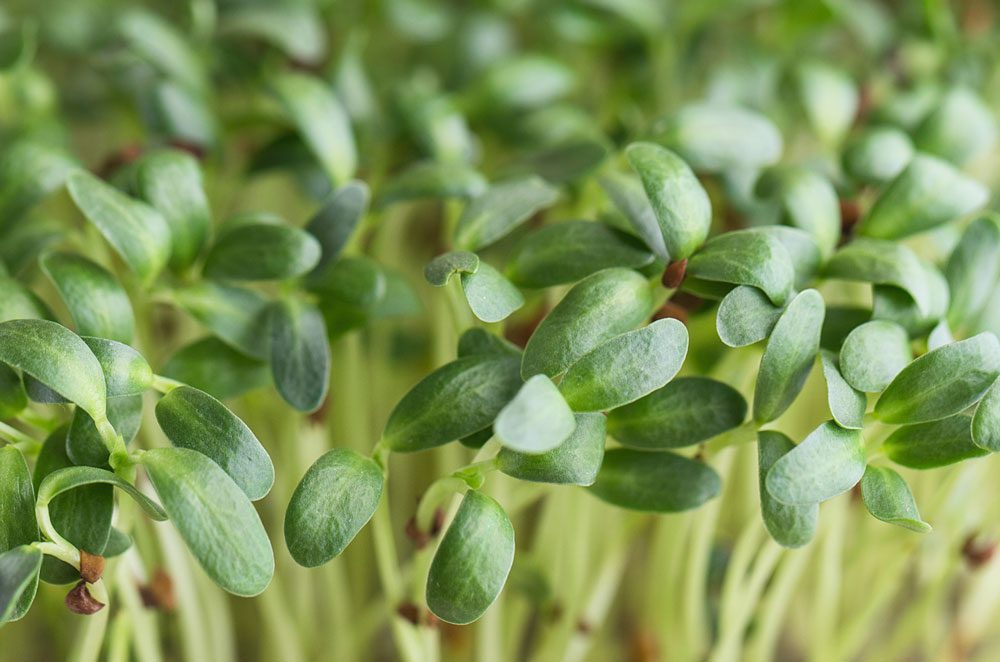
Grow fresh Fenugreek microgreens at home in approximately 8–12 days. Fenugreek microgreen seeds produce tender green seedlings with a distinctive aromatic flavour that is mildly bitter, earthy and reminiscent of traditional fenugreek or methi leaves. The young greens can be used in salads, sandwiches, wraps, curries and other savoury dishes.
Fenugreek (Trigonella foenum-graecum) is a fast-growing legume that produces relatively substantial microgreens with pale stems and green leaves. The larger seeds benefit from a short pre-soak before sowing and establish well in shallow trays using soil, coir, hemp growing mats or other suitable microgreen growing media.
Fenugreek is widely known as methi in South Asian cooking, giving this microgreen particular appeal for growers looking for distinctive culinary flavours beyond common brassica microgreens.
Seedmart Fenugreek Microgreen Seeds are available in packet and bulk quantities for home growers and commercial microgreen production.
Fenugreek Microgreen Seed Details
| Botanical name | Trigonella foenum-graecum |
|---|---|
| Common names | Fenugreek, Methi |
| Plant family | Fabaceae |
| Pre-soak | Approximately 4–6 hours |
| Approximate sowing rate | Approximately 28 g per 10 × 20 inch tray |
| Growing medium | Soil, coir or hemp growing mats |
| Initial covered stage | Approximately 1–2 days |
| Typical harvest | Approximately 8–12 days |
| Flavour | Aromatic, earthy and mildly bitter |
| Availability | Retail packets and bulk quantities |
Why Grow Fenugreek Microgreens?
- Fast-growing microgreen commonly ready in approximately 8–12 days.
- Distinctive aromatic flavour associated with fenugreek and methi.
- Produces substantial green seedlings with good visual presence.
- Suitable for salads, wraps, curries and savoury dishes.
- Can be grown indoors throughout the year.
- Suitable for soil, coir and hydroponic hemp growing mats.
- Useful for growers wanting an alternative to brassica microgreens.
- Suitable for both home and commercial microgreen production.
- Available in smaller packets and economical bulk quantities.
- Supplied by an Australian-owned seed company.
How to Grow Fenugreek Microgreens
Fenugreek has a relatively large seed compared with broccoli, mustard and many other microgreens, and a short pre-soak can help encourage even germination. For a standard 10 × 20 inch microgreen tray, approximately 28 grams of seed provides a useful starting sowing rate. Adjust the quantity according to your tray dimensions, seed lot and preferred crop density.
- Soak the Fenugreek seeds.
Place the seeds in clean water and soak for approximately 4–6 hours. Drain thoroughly before sowing. Avoid excessively long soaking periods, which can leave the seeds overly wet and increase the risk of poor establishment. - Prepare the growing tray.
Add approximately 3–4 cm of moist growing medium to a shallow tray and gently level the surface. Suitable media include quality soil, coir or a purpose-made hemp growing mat. - Sow the Fenugreek seeds.
Spread the soaked and drained seeds evenly across the surface. Aim for good coverage while avoiding heavy piles of overlapping seed. - Cover lightly if required.
A very thin layer of growing medium, damp paper towel or suitable tray cover can help maintain moisture and may assist the seedlings as they emerge from their seed coats. - Cover the tray during early germination.
Keep the tray covered or in blackout for approximately 1–2 days while the seeds begin establishing. Check the tray regularly and maintain moisture without allowing water to accumulate around the seeds. - Introduce the seedlings to light.
Once the seedlings are established and pushing upward, remove the cover and move the tray into suitable natural or artificial growing light. - Maintain moisture and airflow.
Water as required to keep the root zone evenly moist. Once roots have established, bottom watering can help reduce excess moisture around the stems and foliage. Good ventilation is important for dense microgreen crops. - Harvest the microgreens.
Fenugreek microgreens are commonly ready approximately 8–12 days after sowing. Harvest when the stems and leaves have developed to the size and flavour you prefer. Cut cleanly just above the growing medium using clean scissors or a suitable harvesting knife.
What Do Fenugreek Microgreens Taste Like?
Fenugreek microgreens have a distinctive aromatic flavour with earthy, slightly bitter and mildly spicy characteristics. The flavour reflects the familiar character of fenugreek or methi, but the young leaves and stems provide a fresh green element that differs from the dried seeds commonly used as a spice.
Their flavour is more pronounced than mild microgreens such as broccoli or pea shoots, making Fenugreek particularly useful where the microgreens are intended to contribute flavour rather than simply colour or texture.
The intensity can also vary with growing conditions and harvest stage. Younger plants may taste milder, while more developed seedlings can have a stronger fenugreek character.
How to Use Fenugreek Microgreens
Fenugreek microgreens can be used as a fresh culinary green in both traditional and contemporary dishes. Their distinctive flavour makes them particularly well suited to savoury foods.
- Add to fresh salads and mixed microgreen blends.
- Use in sandwiches and wraps.
- Add to curries and savoury dishes near the end of cooking.
- Use as a fresh garnish for Indian and South Asian dishes.
- Combine with lentils, chickpeas and other legumes.
- Add to vegetable dishes and grain bowls.
- Use with eggs and savoury breakfast dishes.
- Combine with milder microgreens to balance their distinctive flavour.
For the freshest flavour and texture, Fenugreek microgreens can be added raw or incorporated towards the end of food preparation.
Are Fenugreek Microgreens the Same as Methi?
Fenugreek and methi refer to the same plant, Trigonella foenum-graecum. The name fenugreek is commonly used in English, while methi is widely used in Indian and South Asian cuisine.
Fenugreek can be used at several growth stages. The dried seeds are commonly used as a spice, mature leaves are used as a leafy herb or vegetable, and young seedlings can be harvested as microgreens.
Growing Fenugreek as microgreens provides a quick way to produce tender young methi greens indoors without waiting for the plants to reach full maturity.
Fenugreek Microgreens vs Broccoli Microgreens
Fenugreek and broccoli are both popular microgreen crops, but they differ considerably in seed size, flavour and growing method.
| Feature | Fenugreek Microgreens | Broccoli Microgreens |
|---|---|---|
| Botanical name | Trigonella foenum-graecum | Brassica oleracea var. italica |
| Plant family | Fabaceae | Brassicaceae |
| Pre-soak | Approximately 4–6 hours | Not normally required |
| Typical harvest | Approximately 8–12 days | Approximately 8–14 days |
| Flavour | Aromatic, earthy and mildly bitter | Mild, fresh brassica flavour |
| Best suited to | Distinctive savoury flavour and methi-style dishes | Mild everyday microgreen use |
Prefer a milder microgreen? View our Broccoli Microgreen Seeds for tender green seedlings with a mild brassica flavour.
Fenugreek Microgreens vs Fenugreek Sprouts
Fenugreek seeds can be grown as either sprouts or microgreens, but the growing methods and harvested stages are different.
| Feature | Fenugreek Microgreens | Fenugreek Sprouts |
|---|---|---|
| Growing method | Usually grown in a shallow tray | Usually grown in a jar or sprouting container |
| Growing medium | Soil, coir, hemp or another suitable medium | No growing medium normally required |
| Harvest stage | After stems and green leaves have developed | At an earlier sprouting stage |
| Harvested portion | Stems and leaves are cut above the growing medium | Root, shoot and remaining seed are generally consumed together |
Fenugreek Seeds for Commercial Microgreen Growers
Fenugreek can be a useful addition to a commercial microgreen range because it provides a flavour and appearance that differ substantially from common brassica crops.
Its association with methi and South Asian cuisine may also make Fenugreek particularly relevant for restaurants, fresh produce businesses and customers looking for culturally familiar culinary greens.
The seeds are relatively large and produce substantial seedlings, making sowing density and moisture management important when scaling production. Commercial growers should trial soaking time, sowing rate and harvest stage under their own production conditions to achieve their preferred yield and appearance.
Seedmart supplies Fenugreek Microgreen Seeds in quantities suitable for home growing, trial crops and larger commercial microgreen requirements.
Frequently Asked Questions
How long do Fenugreek microgreens take to grow?
Fenugreek microgreens are commonly ready for harvest approximately 8–12 days after sowing. Growth rate varies according to temperature, light, moisture and preferred harvest stage.
Do Fenugreek microgreen seeds need to be soaked?
A short pre-soak is recommended. Soaking Fenugreek seeds for approximately 4–6 hours before sowing can help encourage more even establishment.
How many Fenugreek seeds should I use in a 10 × 20 tray?
Approximately 28 grams of Fenugreek microgreen seed per standard 10 × 20 inch tray provides a useful starting sowing rate. Growers can adjust the density according to their growing system and preferred crop.
What growing medium is best for Fenugreek microgreens?
Fenugreek can be grown in quality soil, coir, hemp growing mats or another suitable microgreen medium that provides consistent moisture while allowing adequate drainage and airflow.
Can Fenugreek microgreens be grown without soil?
Yes. Fenugreek can be grown using suitable soilless or hydroponic microgreen media such as coir or hemp mats. The growing system should provide reliable moisture without leaving the seeds and roots persistently waterlogged.
Can Fenugreek microgreens be grown indoors?
Yes. Fenugreek microgreens can be grown indoors throughout the year where suitable temperature, light, moisture and ventilation are provided.
Do Fenugreek microgreens need light?
The seeds can begin establishing during an initial covered period. Once the seedlings are pushing upward, expose them to suitable natural or artificial growing light so the leaves develop their green colour.
What do Fenugreek microgreens taste like?
Fenugreek microgreens have an aromatic, earthy and slightly bitter flavour characteristic of fenugreek or methi. Their flavour is more distinctive than mild microgreens such as broccoli.
Is Fenugreek the same as Methi?
Yes. Methi is a commonly used name for Trigonella foenum-graecum, particularly in Indian and South Asian cuisine.
What can Fenugreek microgreens be used for?
Fenugreek microgreens can be added to salads, sandwiches, wraps, curries, lentil dishes, grain bowls and other savoury foods. Their distinctive flavour also makes them useful as a fresh garnish.
When should Fenugreek microgreens be harvested?
Harvest is commonly around 8–12 days after sowing when the stems and green leaves are well developed. Cut cleanly just above the growing medium using clean scissors or a suitable harvesting knife.
Why do Fenugreek seeds need soaking?
Fenugreek seeds are larger and harder than many small microgreen seeds. A short soak allows them to absorb water before sowing and can assist with even germination and establishment.
How long should Fenugreek seeds be soaked?
Approximately 4–6 hours is a practical starting point for microgreen production. Very long soaking periods are unnecessary and can leave the seed excessively wet.
Are Fenugreek microgreens suitable for commercial growers?
Yes. Their distinctive flavour, relatively quick crop cycle and association with methi make Fenugreek suitable for commercial growers supplying restaurants, cafés, fresh produce customers and specialty markets.
Where can I buy Fenugreek Microgreen Seeds in Australia?
Seedmart supplies Fenugreek Microgreen Seeds in packet and bulk quantities for home growers, commercial microgreen growers, restaurants and businesses throughout Australia.
Need More Help Growing Fenugreek Microgreens?
Growing your own fenugreek microgreens? Follow our step-by-step guide to growing fenugreek microgreens for advice on soaking, sowing, germination, watering, light and harvesting.

Shelley Pow –
Exceptional quality seeds and service. Great variety of seeds. Excellent how-to resources on site. I love this company!