

Cucumber ‘Pickling Gherkin’ Seeds
Botanical Name: Cucumis sativus
Important Notice: These seeds have been treated with a fungicide (Thiram). Do not consume the seeds or feed them to animals. Fungicide treatment is a requirement under AQIS regulations for certain seed varieties. This treatment does not affect the growth of your crops or pose a risk to beneficial insects like bees. We make every effort to source untreated seed stock whenever possible; however, availability in Australia is extremely limited.
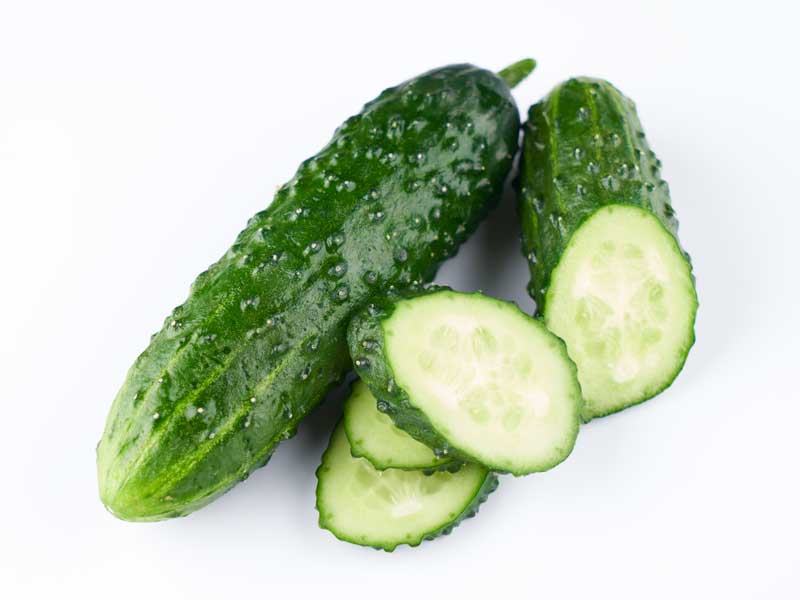
Cucumber ‘Pickling Gherkin’ is a productive pickling cucumber variety that produces small, firm fruit with crisp flesh and a traditional gherkin flavour. It is especially well suited to homemade pickles, fermented cucumbers, relishes and preserves.
The compact cucumbers are best harvested young while the skin is tender and the flesh remains firm and crunchy. Plants crop prolifically throughout warm weather and can be grown across garden beds, raised beds and large containers.
For cleaner fruit and improved airflow, Pickling Gherkin cucumber vines can be trained vertically on a trellis. Regular harvesting encourages continued flowering and fruit production throughout the growing season.
Important Notice: These seeds have been treated with the fungicide Thiram. Do not consume the seeds or feed them to animals. Fungicide treatment is required under Australian biosecurity regulations for certain imported seed varieties. The treatment does not prevent the seed from producing a normal crop. Seedmart makes every effort to source untreated seed where commercially available; however, untreated supplies of some varieties are extremely limited in Australia.
Key Attributes
Ideal for PicklingProduces small, firm cucumbers with the crisp texture needed for pickles and preserves. |
Prolific ProducerVigorous vines produce a steady supply of compact fruit throughout warm weather. |
Crisp, Firm FruitYoung cucumbers retain their crunch during vinegar pickling and fermentation. |
Excellent for TrellisesVertical growing improves airflow and helps keep developing cucumbers clean and easy to harvest. |
Suitable for ContainersCan be grown in large pots with regular watering and a strong climbing support. |
Fast to HarvestProduces harvestable cucumbers approximately 55–65 days after sowing. |
About Pickling Gherkin Cucumbers
Pickling Gherkin is a warm-season cucumber grown specifically for its small, dense and crunchy fruit. Unlike long slicing cucumbers, gherkins are harvested before they become fully mature.
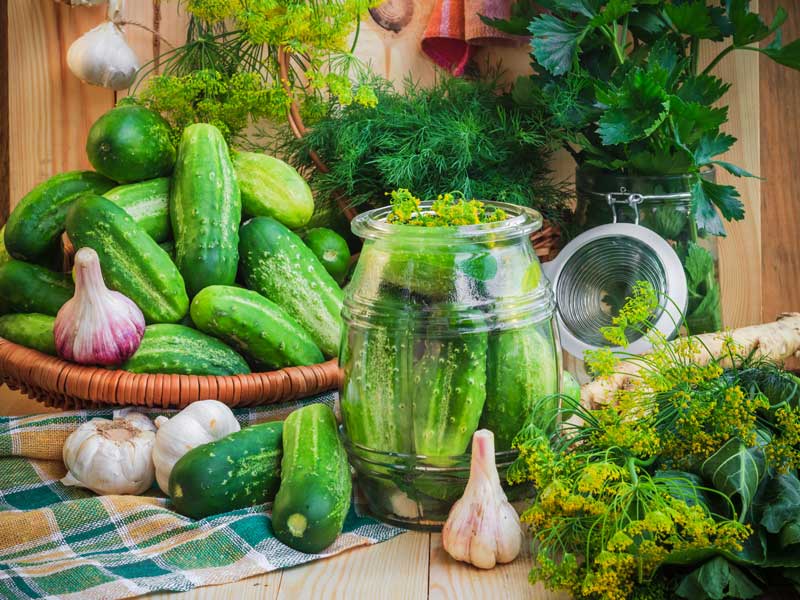
Young fruit develops a firm texture that holds up well during vinegar pickling, brining and lacto-fermentation. The cucumbers can also be eaten fresh in salads or used in sandwiches, but their compact shape and crisp flesh make them particularly valuable for preserving.
Plants have a trailing or climbing growth habit and produce both male and female flowers. When grown in warm soil with reliable moisture and good pollination, the vines can produce a substantial crop over several weeks.
What Is a Pickling Gherkin?
A pickling gherkin is a small cucumber selected for harvesting while young. The fruit generally has firmer flesh and a lower water content than many long slicing cucumbers, helping it retain its texture after pickling.
The word “gherkin” usually refers to the small harvested fruit rather than a completely separate vegetable species. Pickling gherkins belong to the same species as most common garden cucumbers, Cucumis sativus.
Fruit should be harvested frequently before it becomes oversized, pale or seedy. Smaller fruit is generally more tender and produces a better-quality pickle.
Why Grow Pickling Gherkin Cucumbers?
- Classic cucumber variety for homemade pickles.
- Small, firm fruit with a crisp texture.
- Suitable for vinegar pickling and fermentation.
- Can also be eaten fresh when harvested young.
- Productive warm-season climbing vine.
- Suitable for garden beds and raised beds.
- Can be grown in large containers.
- Excellent for trellises and vertical gardens.
- Frequent harvesting encourages continued cropping.
- Harvestable approximately 55–65 days after sowing.
Plant Details
| Plant type | Warm-season annual vegetable |
| Growth habit | Trailing or climbing vine |
| Fruit type | Small, firm pickling cucumber |
| Primary use | Pickling, fermenting, relishes and fresh eating |
| Position | Full sun |
| Days to harvest | Approximately 55–65 days |
| Frost tolerance | Frost tender |
| Seed treatment | Treated with Thiram fungicide |
Sowing Information
| Germination temperature | 20–30°C |
| Germination time | 7–10 days |
| Sowing depth | 10–20 mm |
| Plant spacing | 30–40 cm |
| Row spacing | 90–120 cm |
| Sow where | Directly into prepared soil or individual pots |
| Soil | Fertile, moisture-retentive and well-drained soil (pH 6.0–7.0) |
When to Sow in Australia
| Climate | Best Time |
|---|---|
| Cool | September–December |
| Temperate | September–December |
| Subtropical | August–February |
| Tropical | Year-round, avoiding periods of extreme heat or heavy rain |
| Arid | September–December |
Growing Instructions
Sow Pickling Gherkin cucumber seeds after the soil has warmed and the risk of frost has passed. Seeds may be sown directly into their final growing position or started in individual pots before transplanting.
Cucumbers are sensitive to root disturbance, so seedlings should be transplanted carefully while still young. Avoid allowing plants to become severely root-bound.
Choose a position receiving at least six hours of direct sunlight each day. Prepare the soil with compost or well-rotted organic matter before planting. Sow seeds approximately 10–20 mm deep and maintain consistent moisture until germination.
Install a trellis, climbing frame or wire support early in the growing cycle. Guide young vines towards the support as they grow. Vertical cultivation helps improve airflow and makes small gherkins easier to locate and harvest.
Water deeply and regularly, especially once flowering and fruiting begin. Avoid allowing plants to dry out completely, as inconsistent watering can result in poor fruit development, bitterness or reduced production.
Feed plants regularly with a complete vegetable fertiliser. Excessive nitrogen can produce vigorous foliage with fewer flowers, so switch to a fertiliser suitable for fruiting vegetables once flowering begins.
Pollination and Fruit Development
Pickling cucumber plants generally produce separate male and female flowers on the same vine. Male flowers often appear before the first female flowers.
Female flowers can be identified by the miniature cucumber directly behind the petals. Bees and other insects transfer pollen from male flowers to female flowers, allowing the fruit to develop.
Incomplete pollination may cause young cucumbers to become misshapen, stop growing or fall from the vine. Encourage pollinating insects by growing flowering plants nearby and avoiding unnecessary insecticide use while cucumbers are flowering.
Flowers may also be hand-pollinated using a small paintbrush or by transferring pollen directly from a male flower to a female flower.
Harvesting Pickling Gherkins
Begin harvesting approximately 55–65 days after sowing. Pick cucumbers while they are small, firm and evenly coloured.
The ideal harvest size depends on the intended use. Very small fruit can be preserved whole, while slightly larger cucumbers can be sliced into rounds, spears or sandwich pickles.
Check the vines every one or two days during peak production. Gherkins can increase in size quickly during warm weather, and oversized fruit may become seedy, watery or less crisp.
Use scissors or secateurs to cut the fruit from the vine. Pulling cucumbers by hand may damage stems or dislodge the plant from its support.
Frequent harvesting encourages the vine to continue producing flowers and new cucumbers.
Growing Pickling Cucumbers in Containers
Pickling Gherkin cucumbers can be grown successfully in large pots, tubs and raised planters.
Select a container at least 40–50 cm wide with unrestricted drainage. Fill it with a premium vegetable potting mix and provide a strong trellis or climbing frame.
Grow approximately one plant per large container to reduce competition for water and nutrients. Container-grown cucumbers may require daily watering during hot weather.
Apply a complete liquid fertiliser regularly once the plants are actively growing. Mulching the surface of the potting mix can help reduce moisture loss.
Using Pickling Gherkins
Freshly harvested gherkins can be used in a range of preserves and recipes, including:
- Whole vinegar pickles.
- Dill pickles.
- Bread-and-butter pickles.
- Fermented cucumbers.
- Pickled cucumber spears.
- Sandwich pickles.
- Cucumber relish.
- Fresh salads and platters.
Always use clean equipment and a tested recipe when bottling or preserving cucumbers for long-term storage.
Common Growing Problems
Fruit Becoming Too Large
Pickling cucumbers grow quickly and should be checked frequently. Harvesting every one or two days prevents the fruit from becoming oversized and seedy.
Soft or Hollow Cucumbers
Irregular watering, delayed harvesting or rapid growth during very hot weather can affect fruit texture. Maintain even soil moisture and harvest while fruit is young.
Misshapen Fruit
Curved, narrow or uneven cucumbers are often caused by incomplete pollination, moisture stress or obstruction while the fruit is developing.
Few Cucumbers Developing
Young plants often produce male flowers before female flowers appear. Low pollinator activity, excessive nitrogen and extreme temperatures can also reduce fruit set.
Bitter Fruit
Water stress, heat stress and overmature fruit may contribute to bitterness. Water consistently and harvest cucumbers promptly.
Frequently Asked Questions
What are Pickling Gherkin cucumbers used for?
They are primarily grown for pickling, fermenting and preserving. Young fruit can also be eaten fresh.
How large should gherkins be when harvested?
Harvest them while they are small and firm. Very small fruit can be pickled whole, while slightly larger cucumbers can be sliced or cut into spears.
How long do Pickling Gherkin cucumbers take to grow?
The first cucumbers are generally ready approximately 55–65 days after sowing under suitable growing conditions.
Do pickling cucumbers need a trellis?
A trellis is recommended but not essential. Vertical growing improves airflow, keeps the fruit cleaner and makes harvesting easier.
Can Pickling Gherkin cucumbers be grown in pots?
Yes. Grow one plant in a large container with full sun, good drainage, regular watering and a sturdy climbing support.
Why should gherkins be harvested frequently?
Young cucumbers have the best flavour and texture. Frequent picking also encourages the plant to continue producing new fruit.
Are these cucumber seeds untreated?
No. These seeds have been treated with the fungicide Thiram and must not be consumed or fed to animals.
Does Thiram treatment affect the cucumber crop?
The treatment protects the seed during storage and early establishment. It does not prevent the seed from growing into a normal cucumber plant when sown as directed.
Can I eat the cucumbers grown from treated seed?
Yes. The warning applies to the treated seed itself, not to cucumbers subsequently produced by the mature plant.
Explore Cucumber Seeds
Browse Seedmart Australia’s range of cucumber seeds, including pickling cucumbers, slicing cucumbers and compact varieties for Australian gardens.
Reviews
There are no reviews yet.